

AKG(Alpha - Ketoglutaric Acid)
Metabolic Support and Energy Enhancer
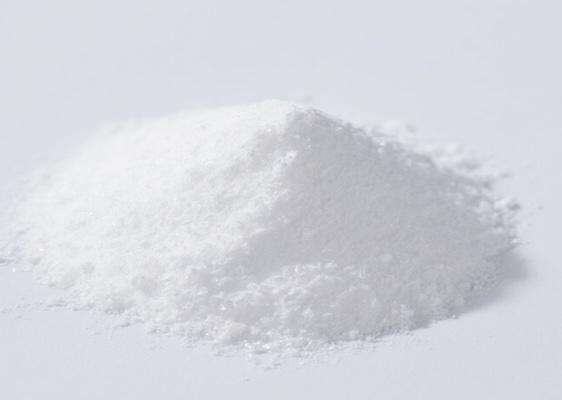
AKG(Alpha - Ketoglutaric Acid)
Alpha-Ketoglutarate (AKG), a key intermediate in the Krebs cycle, is a naturally occurring compound vital for cellular energy production. Derived from glutamic acid, it plays a critical role in metabolism by facilitating the conversion of nutrients into energy. AKG is found in small amounts in certain foods and is produced endogenously in the body. As a dietary supplement, it is often used to support metabolic health and enhance energy levels. Its involvement in amino acid synthesis and nitrogen transport further underscores its biochemical importance. Research continues to explore AKG’s potential in promoting overall wellness and vitality.
Product name: AKG(Alpha - Ketoglutaric Acid)
Molecular formula: C6H5O6
Starting material: Corn
Grade: Food grade
Heavy Metals: USP/EP
Pesticide residue: USP/EP
Packing size: 25kg/drum
Product available:
- AKG(Alpha - Ketoglutaric Acid)
- Calcium AKG(Calcium Alpha - Ketoglutaric Acid)
- Magnesium AKG(Magnesium Alpha - Ketoglutaric Acid)
- Sodium AKG(Sodium Alpha - Ketoglutaric Acid)
CAS#: 328-50-7
Molecular weight:146.1 g/mol
Source: Natural source
Specification: 98% HPLC
Country of origin: China
Residual solvent: USP/EP
Allergen free/Gluten-free/Non-GMO/Vegan/Non-Irridiation

As a fundamental biomolecule, AKG (α-Ketoglutaric Acid) is universally and extensively present in various plants and animals. Whether it is lower plants or higher plants, simple animals or complex animals, traces of AKG can be detected in their cells. This widespread existence is not accidental; instead, it is determined by its crucial role in the core metabolic processes of organisms—it serves as a vital hub connecting multiple material metabolisms in living organisms and an indispensable intermediate product for maintaining the normal operation of life activities.
In the metabolic network, AKG occupies a key node in the core pathway and acts as a "bridge" between energy metabolism and material transformation. It is deeply involved in the most basic energy production process in organisms. In the core link of cellular energy supply, it undertakes the transformation of upstream metabolic substances and provides key support for downstream energy release, ensuring that organisms can continuously obtain the energy required for life activities.
At the same time, AKG is also an irreplaceable intermediate step in the material metabolism cycle. In the metabolic processes of the three major nutrients (carbohydrates, fats, and proteins), it undertakes the important function of transferring metabolic intermediates, promoting the transformation and utilization of different nutrients, and enabling the orderly progress of material circulation in organisms. It is precisely due to this crucial role in core metabolism that AKG can transcend species boundaries, exist widely in plants and animals, and become a common basic substance for various organisms to maintain normal physiological functions.
There are two main processes for AKG (α-Ketoglutaric Acid) production: chemical synthesis and microbial fermentation, with notable differences in principles, conditions and performance.
The chemical synthesis process relies on multi-step chemical reactions. It uses chemical raw materials like succinic acid derivatives and oxalic acid derivatives. Reactions such as ester condensation and hydrolysis are carried out under harsh conditions—high temperature, high pressure, and with strong acids or alkalis as catalysts. It requires precise control of parameters like temperature, pH and reagent concentration, and equipment must resist corrosion. However, this process tends to generate by-products and potential chemical residues, needing extra purification. Its production cycle is short (1-3 days), but raw material prices fluctuate greatly, leading to high unit costs and environmental issues from waste, limiting its application.
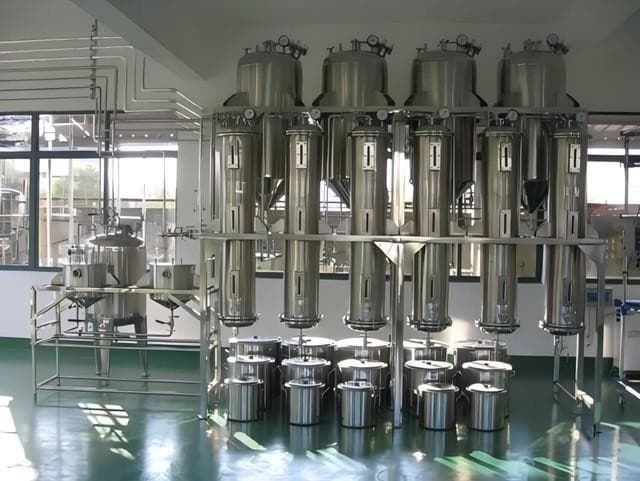
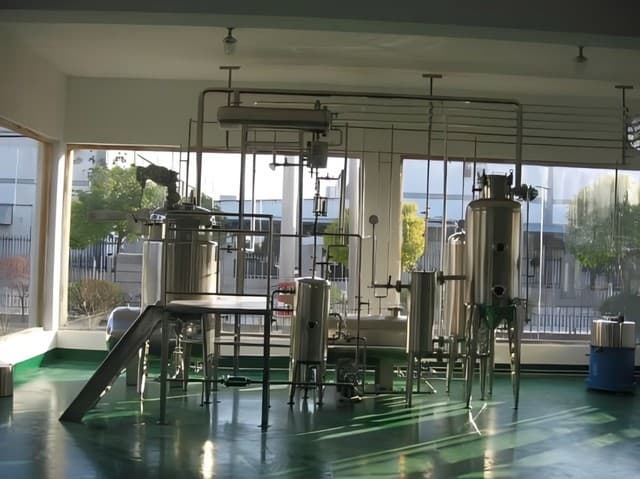
In contrast, the fermentation process uses microorganisms (e.g., Corynebacterium glutamicum, Aspergillus niger). It takes renewable carbohydrates (glucose, sucrose) as carbon sources and urea or ammonium sulfate as nitrogen sources to make culture media. Under mild conditions (28-32℃, pH 6.0-7.0, sufficient oxygen), microorganisms convert nutrients into AKG via metabolism. This process has no chemical residues, and the product matches natural AKG in structure with high biocompatibility. Importantly, it has high productivity, especially in large-scale production. Though initial equipment investment is high, the low cost of renewable raw materials and recyclable waste (e.g., microbial biomass for feed) reduce long-term costs. Thus, it has a high market share, widely used in high-value fields like pharmaceuticals and health supplements.
Alpha-Ketoglutarate (AKG) is a pivotal compound in the Krebs cycle, widely used as a dietary supplement for its health benefits, particularly in fatigue recovery and mitigating calcium loss. As a metabolite of glutamic acid, AKG supports various physiological processes and is available in forms such as calcium, magnesium, and sodium salts, enhancing its versatility in formulations.
Primary Effects: AKG is most valued for its role in combating fatigue. By facilitating energy production in the Krebs cycle, it helps convert nutrients into ATP, the body’s primary energy currency, thereby reducing physical and mental exhaustion, especially in athletes or individuals under stress. Another critical benefit is its potential to alleviate calcium loss. AKG may support bone health by stabilizing calcium levels in the body, possibly through its role in regulating metabolic pathways that influence mineral homeostasis. This makes it appealing for aging populations at risk of osteoporosis or those with high physical demands. Additionally, AKG contributes to amino acid synthesis and nitrogen transport, supporting overall metabolic health.
Mechanisms of Action: AKG’s fatigue-reducing effects stem from its role as a Krebs cycle intermediate, enhancing mitochondrial efficiency to produce ATP, which fuels cellular activities and reduces energy deficits. For calcium retention, AKG may modulate acid-base balance in the body, reducing the leaching of calcium from bones to neutralize blood pH. It also supports collagen synthesis, indirectly aiding bone matrix formation. These mechanisms are facilitated by AKG’s ability to act as a precursor in biosynthetic pathways, ensuring efficient nutrient utilization.
Product Forms: AKG is commonly available as calcium AKG, magnesium AKG, and sodium AKG. Calcium AKG is popular for its dual role in delivering AKG and calcium, supporting bone health. Magnesium AKG combines AKG with magnesium, appealing to formulations targeting muscle recovery and relaxation. Sodium AKG is less common but used in specific metabolic or pharmaceutical applications. These salt forms enhance AKG’s stability and bioavailability, making them suitable for capsules, powders, or beverages in the supplement industry.