


CARNOSINE
Dynamic Antioxidant Peptide Powerhouse
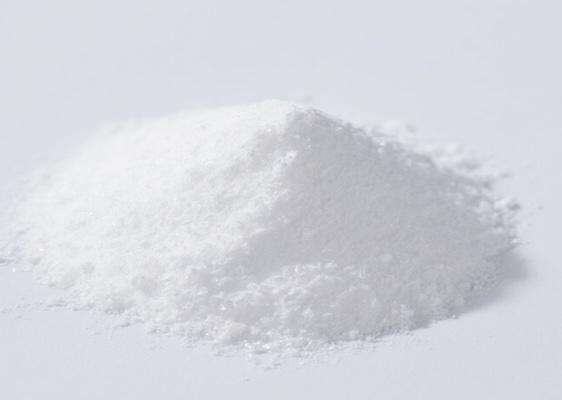
Carnosine
Carnosine, a naturally occurring dipeptide composed of beta-alanine and histidine, is found primarily in muscle and brain tissues. Renowned for its potent antioxidant properties, carnosine helps neutralize harmful free radicals, protecting cells from oxidative stress. It supports muscle endurance by buffering acid buildup during intense exercise, potentially reducing fatigue. Additionally, carnosine may promote healthy aging by combating glycation, a process linked to age-related diseases. Found in foods like beef and fish, it’s also available as a dietary supplement. Research suggests carnosine may benefit heart health, cognitive function, and overall cellular protection, making it a promising compound for wellness.
Product name: Carnosine
Molecular formula: C9H14N4O3
Starting material: β-Alanine and L-Histidine
Grade: Food grade
Heavy Metals: USP/EP
Pesticide residue: USP/EP
Packing size: 25kg/drum
Product available:
- Carnosine
- Zinc Carnosine
CAS#: 305-84-0
Molecular weight:226.23 g/mol
Source: Synthetic
Specification: 98% HPLC
Country of origin: China
Residual solvent: USP/EP
Allergen free/Gluten-free/Non-GMO/Vegan/Non-Irridiation

Carnosine was first identified in 1900 by Russian scientist Vladimir Gulevich, who isolated it from beef muscle tissue during his studies on meat extracts. Its name derives from the Latin caro (flesh), reflecting its prevalence in animal tissues. Carnosine is a dipeptide, composed of two amino acids, beta-alanine and histidine, linked by a peptide bond. It occurs naturally in various organisms, particularly in vertebrates, and is abundant in skeletal muscles, heart, and brain tissues of mammals, including humans. In the human body, carnosine is synthesized endogenously by the enzyme carnosine synthase, primarily in muscle cells, where it plays a critical role in cellular homeostasis.
While carnosine is predominantly found in animal tissues, it is not typically present in significant amounts in plants. Some studies suggest trace amounts may exist in certain fungi or algae, but plants generally lack the necessary biochemical pathways to produce carnosine. Instead, plant-based diets contribute indirectly to carnosine synthesis in humans by providing precursor amino acids like histidine, found in legumes, nuts, and grains, and beta-alanine, which can be synthesized from dietary sources. In humans, carnosine levels vary based on diet, exercise, and age, with higher concentrations in individuals consuming meat-rich diets or engaging in regular physical activity. Its natural presence in the body underscores its evolutionary significance, particularly in tissues requiring high energy or oxidative stress resistance.
Carnosine’s primary functions stem from its unique biochemical properties as a dipeptide with antioxidant, buffering, and anti-glycation capabilities. Its mechanism of action is multifaceted, impacting cellular processes in muscles, the brain, and other tissues. As a potent antioxidant, carnosine neutralizes reactive oxygen species (ROS) and reactive nitrogen species, protecting cells from oxidative damage that can lead to inflammation, aging, and chronic diseases. It achieves this by scavenging free radicals and chelating metal ions like copper and iron, which can catalyze harmful oxidative reactions.
One of carnosine’s most well-documented roles is its ability to buffer pH levels in muscle cells. During intense exercise, lactic acid accumulation lowers pH, leading to muscle fatigue. Carnosine, concentrated in skeletal muscles, acts as a proton buffer, stabilizing intracellular pH and delaying fatigue onset. This makes it particularly valuable for athletes, as studies show it enhances endurance and performance in high-intensity activities. For example, research indicates that beta-alanine supplementation, which boosts carnosine levels, can improve sprint and resistance training outcomes.
Carnosine also exhibits anti-glycation properties, inhibiting the formation of advanced glycation end-products (AGEs), which contribute to age-related diseases like diabetes, Alzheimer’s, and cardiovascular disorders. By binding to reactive carbonyl groups, carnosine prevents protein damage and maintains cellular integrity. Additionally, it supports cognitive health by protecting neurons from oxidative stress and may improve mitochondrial function, enhancing cellular energy production.
Emerging research suggests carnosine has potential cardioprotective effects, including reducing blood pressure and improving vascular health. Its anti-inflammatory properties further contribute to its role in mitigating chronic disease risk. Available in foods like beef, pork, and fish, carnosine can also be supplemented, with studies supporting its safety and efficacy at doses of 1–3 grams daily.
Carnosine and zinc carnosine are related but distinct compounds with different applications and properties. Carnosine, as described, is a dipeptide composed of beta-alanine and histidine, naturally synthesized in the body and found in animal tissues. It is primarily recognized for its antioxidant, pH-buffering, and anti-glycation effects, with applications in athletic performance, anti-aging, and general cellular protection. Carnosine is typically consumed through diet (e.g., meat) or as a dietary supplement to support muscle endurance, cognitive health, and oxidative stress resistance.
Zinc carnosine, on the other hand, is a chelated compound formed by binding carnosine with zinc, creating a stable complex known as polaprezinc. Developed primarily for therapeutic use, zinc carnosine is not naturally occurring in the body or foods but is synthesized for pharmaceutical and supplement purposes. Its primary application is in gastrointestinal health, particularly for protecting and repairing the stomach lining. Zinc carnosine is widely used to treat conditions like gastric ulcers, gastritis, and Helicobacter pylori infections. The zinc component enhances mucosal defense by promoting mucus production and inhibiting inflammation, while carnosine contributes its antioxidant and tissue-protective properties.
Unlike carnosine, which is absorbed systemically and distributed to muscles and the brain, zinc carnosine primarily exerts localized effects in the gastrointestinal tract, with minimal systemic absorption. Its stability in acidic environments, such as the stomach, makes it ideal for gut-related therapies. While carnosine is available as a general supplement, zinc carnosine is typically prescribed or taken in targeted doses (e.g., 75–150 mg daily) for specific digestive issues. Both compounds leverage carnosine’s protective qualities, but their distinct compositions and applications set them apart.