

CREATINE MONOHYDRATE
Boost Strength, Fuel Muscle Growth
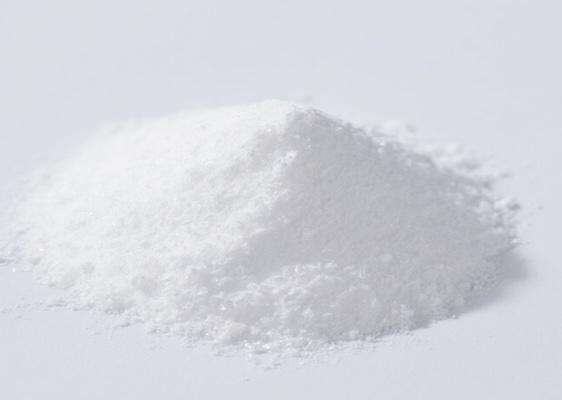
Creatine monohydrate
Creatine monohydrate is the most researched and trusted sports supplement globally. It enhances ATP production—your muscles’ primary energy source—boosting strength for high-intensity workouts (e.g., weightlifting, sprinting). Regular use supports muscle volume, accelerates recovery, and reduces fatigue. Safe for most adults, it’s easy to integrate into routines (mix with water/juice). Ideal for athletes, fitness enthusiasts, or anyone aiming to elevate performance and build lean muscle. Backed by decades of studies, it remains the gold standard for muscle and strength support.
Product name: Creatine Monohydrate
Molecular formula: C₄H₉N₃O₂・H₂O
Starting material: Chloroacetic acid or Hydroxyacetonitrile
Grade: Food grade
Heavy Metals: USP/EP
Pesticide residue: USP/EP
Packing size: 25kg/drum
Product available:
- Creatine monohydrate
- Creatine anhydrous
- Creatine Hcl
- Creatine Nitrate
- Creatine Pyruvate
CAS#: 6020-87-7
Molecular weight:149.15 g/mol
Source: Synthetic
Specification: 98% HPLC
Country of origin: China
Residual solvent: USP/EP
Allergen free/Gluten-free/Non-GMO/Vegan/Non-Irridiation

Creatine monohydrate, a widely recognized dietary supplement, has a rich history rooted in scientific discovery. It was first identified in 1832 by French chemist Michel Eugène Chevreul, who isolated it from skeletal muscle extracts, naming it after the Greek word "kreas," meaning meat, due to its prevalence in animal tissues. By the 1920s, researchers confirmed that creatine exists in equilibrium with creatinine, a byproduct excreted in urine, and that the body can store excess creatine when consumed in large amounts. In 1912, Harvard researchers Otto Folin and Willey Glover Denis demonstrated that ingesting creatine significantly boosts muscle creatine content, laying the groundwork for its use as a supplement. In the late 1920s, the discovery of phosphocreatine, a phosphorylated form of creatine, further solidified its role in muscle energy metabolism.
Creatine is naturally synthesized in the human body, primarily in the liver, kidneys, and pancreas, from the amino acids glycine, arginine, and methionine. Approximately 95% of the body’s creatine is stored in skeletal muscles as phosphocreatine, with smaller amounts in the brain, heart, and other high-energy-demand tissues. It is not an essential nutrient, as the body produces about 1 gram daily, and additional amounts can be obtained from dietary sources like red meat, fish, and poultry. Notably, creatine is absent in plants, making supplementation particularly beneficial for vegetarians and vegans who may have lower baseline levels due to the lack of animal-based foods in their diets. This natural occurrence and historical context underscore creatine monohydrate’s significance in human physiology and its evolution into a popular performance-enhancing supplement.
Creatine monohydrate’s primary role in the body revolves around energy production, particularly in tissues with high and fluctuating energy demands, such as skeletal muscles and the brain. Its mechanism of action is centered on the creatine-phosphocreatine system, which supports the rapid regeneration of adenosine triphosphate (ATP), the primary energy currency of cells. During high-intensity, short-duration activities like sprinting or weightlifting, muscles rely on ATP for contraction. However, ATP stores deplete quickly, and creatine monohydrate facilitates the recycling of adenosine diphosphate (ADP) back into ATP by donating a phosphate group from phosphocreatine, catalyzed by the enzyme creatine kinase. This process ensures a continuous energy supply, delaying fatigue and enhancing performance during anaerobic exercises.
Beyond energy provision, creatine monohydrate increases muscle cell volumization by drawing water into muscle fibers, which may stimulate protein synthesis and promote muscle growth. It also reduces levels of myostatin, a protein that inhibits muscle development, while elevating insulin-like growth factor-1 (IGF-1), a hormone that supports muscle hypertrophy. These effects contribute to increased muscle mass, strength, and faster recovery from exercise-induced micro-tears. Additionally, creatine shows promise in supporting brain health by enhancing energy availability for cognitive processes, potentially improving memory and mental clarity, though evidence here is less conclusive. Its benefits extend to clinical settings, where it may improve muscle strength in muscular dystrophies and support recovery in conditions like Parkinson’s disease, though results vary. Creatine monohydrate’s safety is well-established, with studies confirming its efficacy and tolerability at recommended doses of 3–5 grams daily, making it a cornerstone supplement for athletes and active individuals seeking performance and recovery benefits.
Creatine monohydrate is the most studied and widely used form of creatine, but other variants like creatine hydrochloride, creatine nitrate, and anhydrous creatine are also available, each with distinct characteristics and applications. Creatine monohydrate, composed of 88% creatine and 12% water, is the gold standard due to its affordability, extensive research, and proven efficacy in enhancing muscle mass, strength, and high-intensity exercise performance. Typically taken at 3–5 grams daily, it is stable, effective, and suitable for vegetarians and vegans, as it is synthesized without animal-derived materials. Its fine powder form dissolves adequately in water, though some prefer micronized versions for improved solubility.
Creatine hydrochloride (HCl) is creatine bound to hydrochloric acid, offering about 78% creatine by mass. It is marketed for its superior solubility and potential for reduced gastrointestinal discomfort, allowing smaller doses (1–2 grams) to achieve similar muscle creatine levels. However, studies show no significant performance advantage over monohydrate, and it is more expensive. Creatine nitrate, bound to a nitrate molecule, is touted for enhanced solubility and potential vasodilatory effects due to nitric oxide production, which may improve blood flow during exercise. Research suggests it may increase muscle creatine stores at lower doses (e.g., 3 grams), but its higher cost and limited evidence make it less popular. Anhydrous creatine, with the water molecule removed, offers a higher creatine concentration but is less stable, converting to creatinine at high temperatures (97–125°C). It is less common in supplements due to its instability and lack of proven benefits over monohydrate. For most users, creatine monohydrate remains the optimal choice for cost-effectiveness and reliability.