

D-Glucuronolactone
Detox Support and Energy Booster
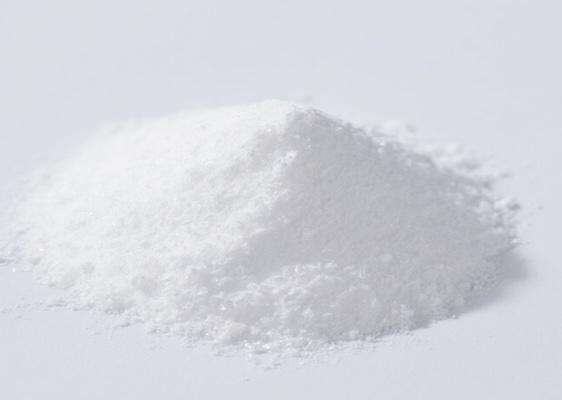
D-Glucuronolactone
D-Glucuronolactone, a naturally occurring compound, is a derivative of glucuronic acid, formed through glucose metabolism. Widely used in energy drinks and dietary supplements, it supports liver detoxification by aiding glucuronidation, a process where toxins, drugs, and hormones are conjugated for excretion. Found in small amounts in foods like fruits, it is produced endogenously in the liver. D-Glucuronolactone is prized for its potential to enhance energy levels and combat fatigue, though evidence is limited. It may also contribute to antioxidant defense and metabolic health. Its stable, lactone form makes it ideal for commercial formulations.
Product name: D-Glucuronolactone
Molecular formula: C6H8O6
Starting material: Corn
Grade: Food grade
Heavy Metals: USP/EP
Pesticide residue: USP/EP
Packing size: 25kg/drum
Product available:
D-Glucuronolactone
CAS#: 32449-92-6
Molecular weight:176.13 g/mol
Source: Synthetic
Specification: 98% HPLC
Country of origin: China
Residual solvent: USP/EP
Allergen free/Gluten-free/Non-GMO/Vegan/Non-Irridiation

D-Glucuronolactone is a naturally occurring chemical compound, a derivative of glucuronic acid, formed through glucose metabolism in the human body and various plants. It exists in trace amounts in certain foods, either as D-Glucuronolactone itself or as precursor compounds that can be converted into it. These natural sources span a diverse range of plant-based foods, including nuts, seeds, legumes, and vegetables, contributing to its presence in dietary patterns.
Nuts and seeds are notable sources of D-Glucuronolactone or its precursors. Walnuts, almonds, sesame seeds, and sunflower seeds contain small quantities of related compounds, which may be metabolized into D-Glucuronolactone in the body. These foods are rich in nutrients and often consumed for their healthy fats and proteins, with the presence of D-Glucuronolactone precursors adding to their biochemical complexity.
Legumes and their derivatives also contain D-Glucuronolactone or its precursor molecules. Soybeans, mung beans, tofu, and soy milk are examples where trace amounts of these compounds can be found. These foods are staples in many diets, particularly in plant-based or vegetarian cuisines, and their consumption may contribute to the body’s pool of D-Glucuronolactone through metabolic conversion of precursors.
Vegetables such as spinach, celery, rapeseed (canola), and cauliflower also harbor D-Glucuronolactone or related precursors. These vegetables are widely incorporated into meals for their vitamins, minerals, and fiber, and their inclusion in diets may provide a modest contribution to D-Glucuronolactone levels. The presence of these compounds in such vegetables underscores the widespread distribution of D-Glucuronolactone-related molecules in plant-based foods.
While D-Glucuronolactone is produced endogenously in the liver, its dietary sources in plants highlight its natural occurrence across various food groups. The compound’s presence in nuts, seeds, legumes, and vegetables reflects its integration into everyday diets, particularly those emphasizing whole, unprocessed foods.
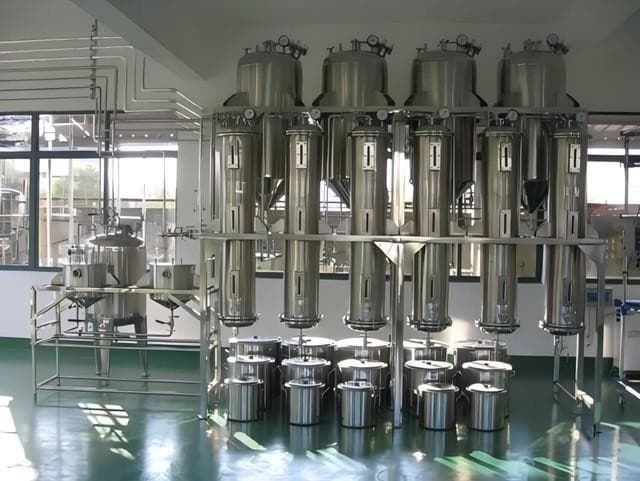
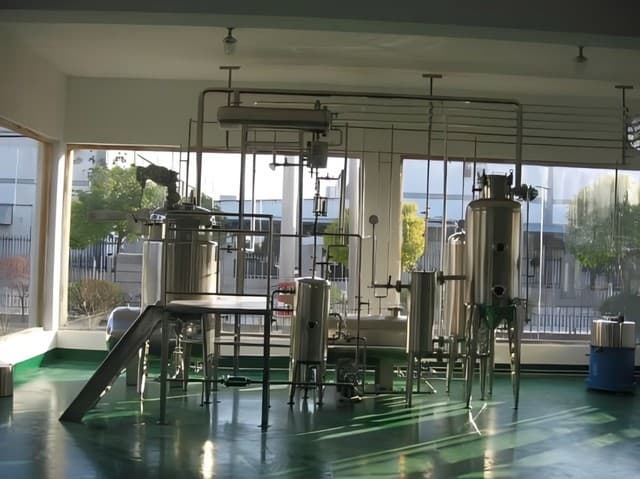
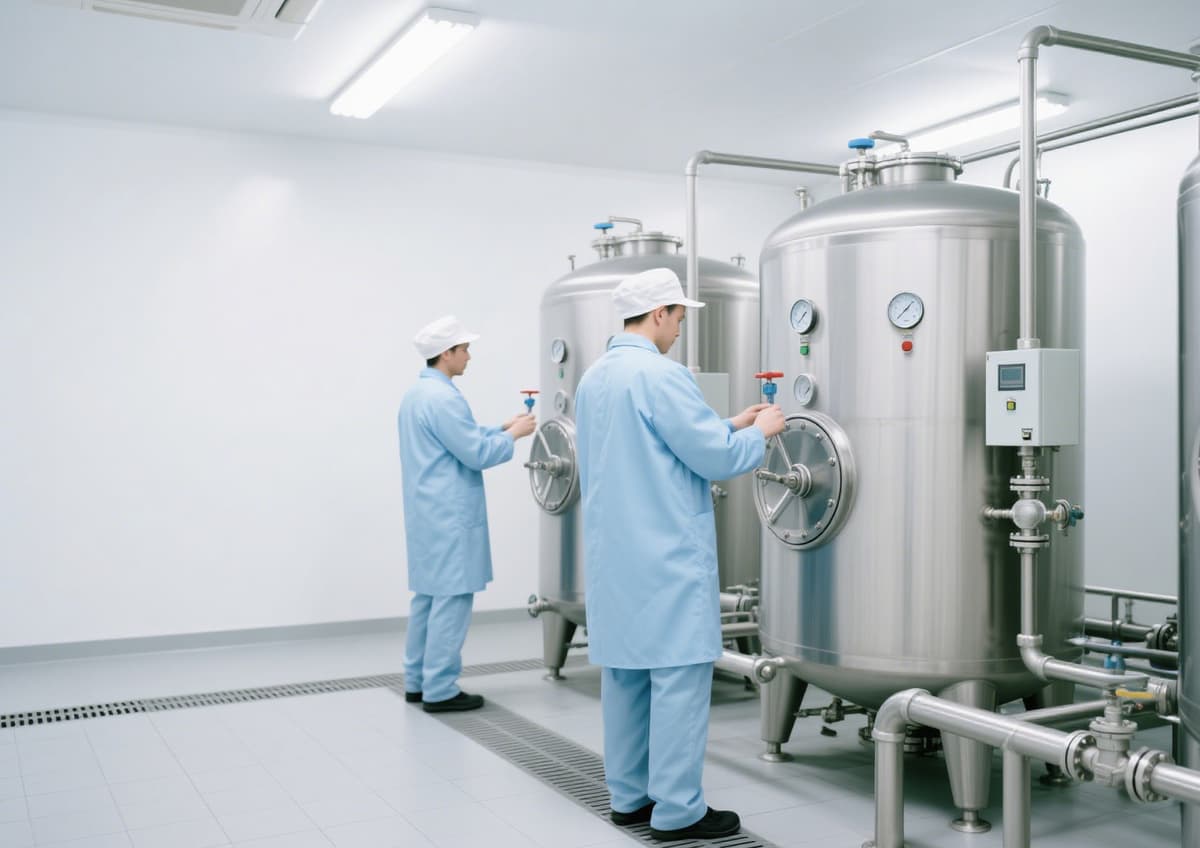
D-Glucuronolactone, a cyclic lactone derived from glucuronic acid, is produced through a combination of chemical and biochemical processes, primarily starting from glucose or starch-based raw materials. The industrial production of D-Glucuronolactone involves several key steps, including oxidation, lactonization, purification, and drying, optimized for high yield and purity suitable for dietary supplements and energy drinks.
The process typically begins with glucose or starch-derived glucose syrup, sourced from corn or other crops. Glucose is oxidized to form D-glucuronic acid, the precursor to D-Glucuronolactone. This oxidation is achieved through fermentation or chemical catalysis. In fermentation, specific microorganisms, such as Gluconobacter oxydans, oxidize glucose using enzymes like glucose oxidase, converting it to glucuronic acid under controlled conditions (pH 5–6, temperature 30–35°C). Alternatively, chemical oxidation may employ catalysts like nitric acid or platinum-based compounds, though fermentation is preferred for its eco-friendliness and specificity.
Once D-glucuronic acid is formed, it undergoes lactonization to produce D-Glucuronolactone. This step involves heating the glucuronic acid solution under acidic conditions (typically pH 2–3) to promote intramolecular esterification, where the carboxyl group reacts with a hydroxyl group to form the stable lactone ring (C₆H₈O₆). The reaction is carefully controlled to maximize the yield of the cyclic structure, as glucuronic acid can exist in equilibrium with its open-chain form.
Purification follows to ensure product quality. The crude D-Glucuronolactone is separated from the reaction mixture via crystallization or solvent extraction, often using ethanol or methanol to precipitate the lactone. Impurities, such as unreacted glucose or byproducts, are removed through filtration and washing. Advanced techniques like ion-exchange chromatography may be employed to achieve pharmaceutical-grade purity.
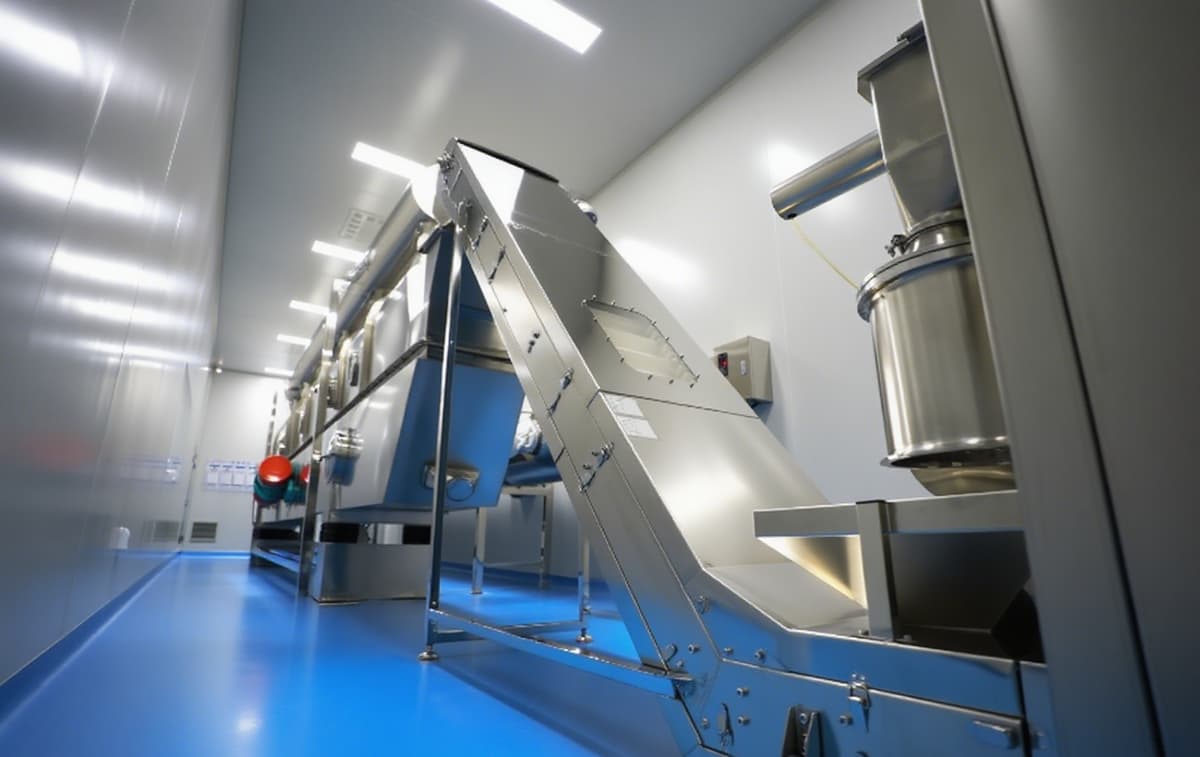
The purified D-Glucuronolactone is then dried under vacuum or low-temperature conditions to prevent degradation of the heat-sensitive lactone. The final product is a white, crystalline powder, tested for purity using high-performance liquid chromatography (HPLC) or infrared spectroscopy to ensure compliance with food-grade standards.
The production process is designed to be efficient and scalable, with careful attention to environmental impact. Waste streams from fermentation or chemical processes are treated to minimize ecological harm. The resulting D-Glucuronolactone is packaged in airtight containers to maintain stability, as it can absorb moisture and convert to glucuronic acid in humid conditions.
D-Glucuronolactone has diverse applications, particularly in dietary supplements and energy drinks. Its primary effects and uses stem from its involvement in detoxification and potential energy-enhancing properties, making it a popular ingredient in health and wellness products.
Primary Effects: D-Glucuronolactone supports the body’s detoxification pathways through glucuronidation, a liver-based process where it facilitates the conjugation of toxins, drugs, and hormones, rendering them water-soluble for excretion via urine or bile. This enhances the liver’s ability to eliminate harmful substances, promoting metabolic health. Additionally, D-Glucuronolactone is believed to contribute to energy metabolism, potentially reducing fatigue and improving mental alertness, though scientific evidence for these effects remains limited. Some studies suggest it may have mild antioxidant properties, protecting cells from oxidative stress, but further research is needed to confirm this.
Primary Applications: D-Glucuronolactone is widely used in energy drinks, such as Red Bull, to boost perceived energy and focus, often combined with caffeine and taurine. In dietary supplements, it is marketed to support liver health, detoxification, and overall vitality, appealing to athletes and health-conscious consumers. Its stable lactone form makes it suitable for formulations in powders, capsules, or beverages. In the pharmaceutical industry, D-Glucuronolactone is explored for its potential in drug metabolism studies, as it aids in understanding glucuronidation pathways. Additionally, it is used in cosmetics for its purported skin-protective properties, though such applications are less common. The compound’s versatility and safety profile drive its demand in the health and wellness sector, particularly for products targeting detoxification and energy support.