

Chromium Picolinate Powder
Trivalent Chromium Picolinate Complex
Chromium Picolinate
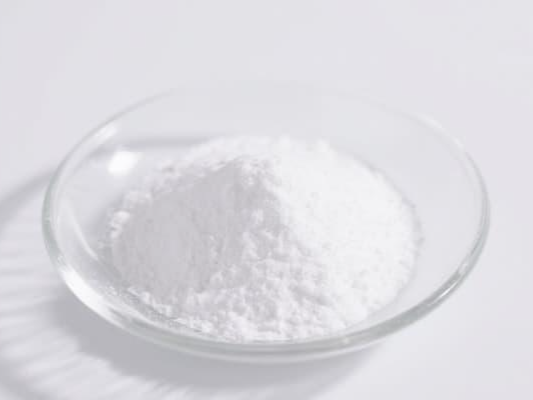
Purecium Chromium Picolinate is a Food Grade trivalent chromium complex of picolinic acid supplied as a B2B raw material, CAS 14639-25-9, molecular formula C18H12CrN3O6, molecular weight 418.3 g/mol and approximately 12.4% elemental chromium. The rose-to-red crystalline powder is produced by the reaction of a trivalent chromium salt with picolinic acid, is sparingly soluble in water, and has an assay conforming to the compendial monograph. It is commonly formulated at 200 to 1000 micrograms of Chromium Picolinate per unit dose. Allergen-free, gluten-free, non-GMO and vegan, it is packed in 25 kg drums, with a 25 kg minimum order and full B2B documentation.
Buyer snapshot: MOQ 25 kg; free samples with COA; FOB Hong Kong / CIF / DDP; stock held in the United States; stock held in the Netherlands (EU); 2-day pickup for North America; per-batch COA / TDS / SDS; quotation response within 12 business hours. Quotation on request, samples dispatched worldwide.
Product name: Chromium Picolinate
Molecular formula: C18H12CrN3O6
Starting material: Chromium(III) salt + picolinic acid
Grade: Food Grade
Heavy Metals: Conforms to USP/EP limits
Pesticide residue: Conforms to USP/EP limits
Packing size: 25kg/drum
CAS#: 14639-25-9
Molecular weight: 418.3 g/mol
Source: Synthetic (chromium(III) + picolinic acid)
Specification: Chromium picolinate; Cr approx. 12.4%
Country of origin: China
Residual solvent: Conforms to USP/EP limits
Allergen free/Gluten-free/Non-GMO/Vegan/Non-Irradiation:

Chromium Picolinate Overview
Chromium picolinate is a trivalent chromium complex of picolinic acid used in dietary supplements for glucose and macronutrient metabolism support in finished formulas such as metabolic, weight-management and sports nutrition products. The compound carries CAS 14639-25-9, molecular formula C18H12CrN3O6, molecular weight 418.3 g/mol and approximately 12.4% elemental chromium, appearing as a rose-to-red crystalline powder that is sparingly soluble in water.
For the supplement industry, Chromium Picolinate is one of the most widely used chromium forms because the picolinate ligand holds the metal in a stable, well-characterized complex. The NIH Office of Dietary Supplements publishes a chromium fact sheet, and EFSA has authorized health claims for chromium covering its contribution to normal macronutrient metabolism and maintenance of normal blood glucose levels. In the EU, chromium(III) picolinate is an authorized chromium source for food supplements, and typical servings supply about 40 to 200 micrograms of elemental chromium.
Source & Ingredient Identity
Purecium Chromium Picolinate is produced by the reaction of a trivalent chromium salt, such as chromium(III) chloride, with picolinic acid under controlled conditions, followed by crystallization, washing and purification to yield the characteristic rose-to-red crystalline powder. The trivalent oxidation state matters because authorized supplement chromium sources are trivalent, whereas hexavalent chromium compounds are industrial materials, not food-grade ingredients.
The declared product identity is Chromium Picolinate, CAS 14639-25-9, molecular formula C18H12CrN3O6 and molecular weight 418.3 g/mol, with an assay conforming to the applicable compendial monograph. Buyers qualifying a new supply should confirm the assay method, the approximately 12.4% elemental chromium content, trivalent-state verification and the residual solvent, pesticide and heavy metal results, which all conform to USP and EP limits for this product.
Key Characteristics of Chromium Picolinate
1. Rose-to-red crystalline powder with a defined chromium content. Chromium Picolinate is a deeply colored, sparingly water-soluble crystalline powder carrying approximately 12.4% elemental chromium, calculated from molecular formula C18H12CrN3O6, molecular weight 418.3 g/mol and the atomic weight of chromium. The characteristic red color and the chromium assay are both used as identity and quality checks on incoming material.
2. Trivalent chromium in a stable picolinate complex. The metal in Chromium Picolinate is trivalent chromium(III), bound within a stable complex of three picolinate ligands per chromium ion. Trivalent-state verification is a regulatory and quality requirement: authorized chromium sources for food supplements are trivalent, and buyers should request batch data confirming the absence of hexavalent chromium.
3. Clean dietary-ingredient profile. Chromium Picolinate is allergen-free, gluten-free, non-GMO, vegan and non-irradiated, with residual solvents, pesticide residues and heavy metals all conforming to USP and EP limits. Supplied as Food Grade powder, it is compatible with standard capsule and tablet processing once particle size has been confirmed against the specification.
Chromium Picolinate Manufacturing
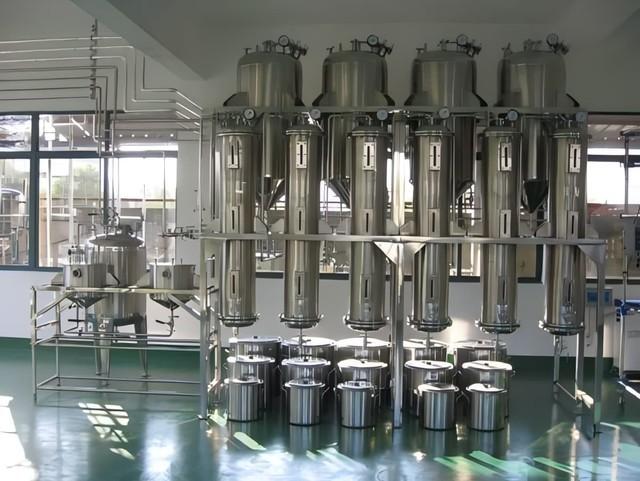
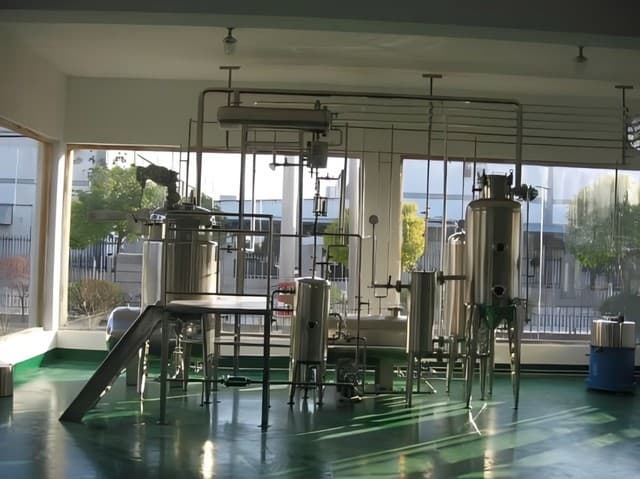
Manufacturing begins with the controlled reaction of a trivalent chromium salt, for example chromium(III) chloride, with picolinic acid, followed by crystallization of the chromium picolinate complex, washing, drying and purification to the target assay. Stoichiometry, temperature and pH are controlled through the process so the finished powder consistently meets the assay, elemental chromium content and rose-to-red color characteristics of the compendial monograph.
Each finished lot is tested for identity, assay, elemental chromium content, trivalent-state confirmation, heavy metals and microbial limits, and the results are compiled on the batch Certificate of Analysis. Every lot is traceable from starting materials to finished drums, and residual solvent, pesticide and other impurity checks follow the limits set out by USP and EP for dietary ingredients.
Applications of Chromium Picolinate
Glucose and metabolic support formulas are the leading application of Chromium Picolinate. EFSA has authorized health claims for chromium covering its contribution to normal macronutrient metabolism and the maintenance of normal blood glucose levels, while the NIH Office of Dietary Supplements publishes a chromium fact sheet widely used when building regulatory dossiers. Finished-product claims must follow destination-market rules, since authorized wording and permitted daily amounts differ by region.
Weight-management and metabolic products, together with sports nutrition, form the second application cluster. Chromium Picolinate is typically formulated into capsules and tablets at 200 to 1000 micrograms of Chromium Picolinate per unit dose, corresponding to roughly 25 to 124 micrograms of elemental chromium at the 12.4% content. Because dose limits differ by market, buyers should always verify destination-market limits before finalizing label quantities.
Because Chromium Picolinate is used in microgram doses, it is almost always blended with larger-dose carriers or complementary actives such as alpha-lipoic acid, berberine or L-carnitine rather than filled as a single-ingredient product. Formulators must control blend uniformity and fill-weight calculation closely: a capsule declaring 200 micrograms of Chromium Picolinate contains only about 25 micrograms of elemental chromium, so the compound weight drives tooling and filling decisions.
Manufacturing & Quality Control
Purecium Chromium Picolinate is manufactured in facilities operating under ISO 9001 and FSSC 22000 certified quality systems, and the finished product conforms to the applicable compendial monograph as a Food Grade material. Each batch is tested for identification, assay, elemental chromium content and trivalent-state verification, with heavy metals, residual solvents and pesticide residues checked against USP and EP limits.
A lot is released only when every result is within specification, and the Certificate of Analysis documents identity, assay, chromium content, impurity results and microbial data for each batch. Purecium also provides the specification sheet, SDS, allergen and gluten statements, non-GMO and vegan declarations and stability data on request to support supplier qualification and product registration.
Chromium Picolinate for B2B Supplement Manufacturing
Purecium supplies Chromium Picolinate exclusively as a B2B raw material for distributors, contract manufacturers, private-label producers and finished supplement brands. The minimum order quantity is 25 kg, the powder is packed in 25 kg drums with food-grade polyethylene inner bags, and samples together with full documentation are available before commitment.
For North American customers, inventory is staged at Purecium's US warehouse, enabling pickup or delivery within approximately two days. Global delivery covers Hong Kong, mainland China, the EU and other regions, with export documentation prepared for every shipment. Each order ships with a batch Certificate of Analysis and full traceability, and Purecium provides regulatory and formulation support for Chromium Picolinate-based products.
Reviewed by the Chief Quality Assurance / Regulatory Affairs Specialist at Purecium for technical accuracy and regulatory alignment.
How does bulk chromium picolinate compare with chromium chloride and chromium polynicotinate in specification, dosing, handling, and regulatory terms?
Chromium picolinate (CAS 14639-25-9) is a coordination complex of trivalent chromium with picolinic acid. Chromium chloride (CAS 10060-12-5 for hexahydrate) is an inorganic salt, while chromium polynicotinate (CAS 64452-96-6) is a complex of chromium with niacin-bound picolinate. In bulk B2B formulation, the choice affects chromium content, solubility, stability, and regulatory acceptance. Chromium picolinate typically contains 12.0–12.5% elemental chromium, chromium chloride hexahydrate about 19.5%, and chromium polynicotinate approximately 10.0–10.5%. These differences require dose adjustments to achieve a target chromium level. Dosing in supplements usually aims for 50–200 mcg elemental chromium per serving. Because chromium picolinate has moderate chromium content, typical use is 200–400 mcg of the complex. Chromium chloride, with higher chromium content, requires less material but is highly hygroscopic and corrosive in handling. Chromium polynicotinate, with lower chromium content, needs higher amounts. Solubility in water is good for chromium chloride, moderate for chromium picolinate, and low for chromium polynicotinate. Stability: chromium picolinate is stable under normal storage; chromium chloride is deliquescent and can cause equipment corrosion; chromium polynicotinate is generally stable but may require protection from moisture. Regulatory status varies. In the EU, chromium picolinate is authorized as a source of chromium in food supplements (Regulation 1170/2009), while chromium chloride and chromium polynicotinate are also listed but with specific purity criteria. In the US, chromium picolinate is permitted in dietary supplements; chromium chloride is GRAS for certain uses. Documentation for bulk supply typically includes Certificate of Analysis, safety data sheet, and compliance statements. Chromium picolinate is often preferred for tableting and capsule filling due to its free-flowing properties and neutral taste, whereas chromium chloride requires specialized handling to prevent moisture uptake. Chromium polynicotinate may be chosen for its niacin content, but it has lower chromium density. All three require appropriate PPE and dust control during bulk handling.Comparison in table form.
The table below sets out the parameters that determine how each material is specified, dosed and documented in a finished formulation.Parameter
Chromium Picolinate
Chromium chloride
Chromium polynicotinate
CAS number
14639-25-9
10060-12-5
64452-96-6
Chemical class
Chromium(III) picolinate complex
Inorganic chromium(III) salt
Chromium(III) polynicotinate complex
Typical dose
200-400 mcg complex (50-200 mcg Cr)
100-300 mcg complex (50-200 mcg Cr)
500-1000 mcg complex (50-200 mcg Cr)
Solubility
Moderate in water
High in water
Low in water
Stability
Stable under normal storage
Hygroscopic; corrosive
Stable; protect from moisture
Regulatory status
EU authorized; US dietary supplement
EU authorized; US GRAS for some uses
EU authorized; US dietary supplement
Supply form
Fine powder, free-flowing
Crystalline powder, deliquescent
Powder, less free-flowing
Documentation
CoA, SDS, compliance statement
CoA, SDS, compliance statement
CoA, SDS, compliance statement
Supplying buyers in North America, the European Union, Latin America, Asia and the Middle East
Purecium supplies Chromium Picolinate in bulk from Hong Kong, the United States and the European Union. Orders are quoted FOB, CIF or DDP as you prefer: air freight for urgent volumes, sea freight (full container or consolidated) for bulk quantities. Transit time, import requirements and duties are confirmed in each quotation.
For local registration, our technical package is filed with the authority in your market: EU-GMP partner manufacturing and Ph. Eur. / USP monograph testing for the European Union and the United Kingdom; COFEPRIS (Mexico), INVIMA (Colombia), ANMAT (Argentina), ISP (Chile) and ANVISA (Brazil) in Latin America; SFDA and Gulf documentation in the Middle East; BP, JP or ChP monographs in Asia. Every lot ships with a batch COA, TDS, SDS and GMP, ISO 9001, FSSC 22000, Kosher and Halal certificates.
Commercial support is available in English, Spanish and Chinese, and qualification samples are dispatched worldwide, with a response within 12 business hours.