

Cranberry Extract 25% / Cranberry Organic Powder
Urinary Health PAC-Rich Fruit Extract
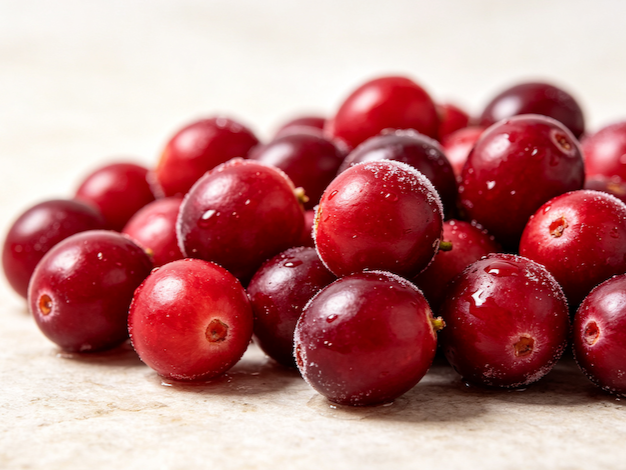
Cranberry Extract
Purecium Cranberry Extract is a concentrated Vaccinium macrocarpon fruit ingredient supplied in two B2B grades, Cranberry Extract 25%, a 25:1 water-extracted concentrate, and Cranberry Organic Powder, a whole-fruit organic powder. The recognized quality markers are the proanthocyanidins (PACs), led by procyanidin A2, CAS 41743-41-3, molecular formula C30H24O12 and molecular weight 576.5 g/mol; the general proanthocyanidin class has CAS 4852-22-6, C30H26O13 and molecular weight 594.5 g/mol. Produced from verified cranberry cultivation, each batch is tested for identity, PAC content, heavy metals, pesticide residues and microbial limits. Allergen-free, gluten-free, non-GMO and vegan, both grades are packed in 25 kg drums with a 25 kg minimum order and full documentation for B2B buyers worldwide.
Buyer snapshot: MOQ 25 kg; free samples with COA; FOB Hong Kong / CIF / DDP; stock held in the United States; stock held in the Netherlands (EU); 2-day pickup for North America; per-batch COA / TDS / SDS; quotation response within 12 business hours. Quotation on request, samples dispatched worldwide.
Product name: Cranberry Extract 25% / Cranberry Organic Powder
Molecular formula: C30H24O12 (Procyanidin A2, PAC marker)
Starting material: Vaccinium macrocarpon fruit (water extraction)
Grade: Food Grade / Organic
Heavy Metals: Conforms to USP/EP limits
Pesticide residue: Conforms to USP/EP limits
Packing size: 25kg/drum
CAS#: 41743-41-3 (Procyanidin A2)
Molecular weight: 576.5 g/mol (Procyanidin A2)
Source: Cranberry fruit extract / whole-fruit powder
Specification: Cranberry Extract 25% (25:1); Organic Powder (whole fruit)
Country of origin: China
Residual solvent: Conforms to USP/EP limits
Allergen free/Gluten-free/Non-GMO/Vegan/Non-Irradiation:

Cranberry Extract Overview
Cranberry extract is a standardized fruit ingredient obtained from Vaccinium macrocarpon, the American cranberry most widely used in dietary supplements for urinary tract health and antioxidant support. Its recognized quality markers are the proanthocyanidins, or PACs, a class of condensed tannins led by procyanidin A2, CAS 41743-41-3, molecular formula C30H24O12 and molecular weight 576.5 g/mol; the general proanthocyanidin class carries CAS 4852-22-6, molecular formula C30H26O13 and molecular weight 594.5 g/mol. PAC content is the assay point by which cranberry extract quality is standardized.
For the dietary supplement industry, cranberry is used in urinary tract wellness, antioxidant and women's health formulas. Purecium supplies two grades, Cranberry Extract 25%, a 25:1 water-extracted concentrate, and Cranberry Organic Powder, a whole-fruit organic powder, sold exclusively as B2B raw materials for distributors, contract manufacturers, private-label producers and finished supplement brands.
Source & Ingredient Identity
Purecium Cranberry Extract is produced from the fruit of Vaccinium macrocarpon harvested at full maturity from verified cultivation, extracted with food-grade water under controlled temperature, concentrated and dried to a fine powder, while the organic grade is processed from certified organic whole cranberries into a fruit powder with minimal processing. Botanical identity is confirmed by macroscopic examination together with analytical fingerprinting against authenticated reference material.
The two grades are distinguished by their form and PAC delivery: Cranberry Extract 25% is a 25:1 concentrated water extract with elevated PAC concentration, while Cranberry Organic Powder retains the full fruit matrix including fiber and natural sugars. For B2B buyers, the critical purchasing checks are the PAC assay and the concentration or processing statement on the Certificate of Analysis, the organic certification for the organic grade, and the heavy metal and pesticide profile of the crop.
Key Characteristics of Cranberry Extract
1. PAC-standardized urinary tract support. The defining characteristic of cranberry extract is its proanthocyanidin content, the marker class studied for urinary tract health. PACs are quantified on every batch, and the type-A proanthocyanidin linkage of cranberry is the characteristic that distinguishes cranberry PACs from those of other fruits.
2. Studied antioxidant activity. Cranberry is rich in polyphenolic antioxidants including PACs, flavonols and anthocyanins; published research indicates that cranberry polyphenols support antioxidant defense and vascular health, alongside the widely studied urinary tract applications. Finished-product claims should follow the regulations of the destination market.
3. Two grades for two formulation strategies. Cranberry Extract 25% delivers a concentrated PAC load for high-potency capsules and tablets, while Cranberry Organic Powder suits clean-label, organic and food-form applications. Both grades are non-GMO, allergen-free, gluten-free and vegan, and both blend cleanly into capsules, tablets, chewables, stick-packs and powders.
Cranberry Extract Manufacturing
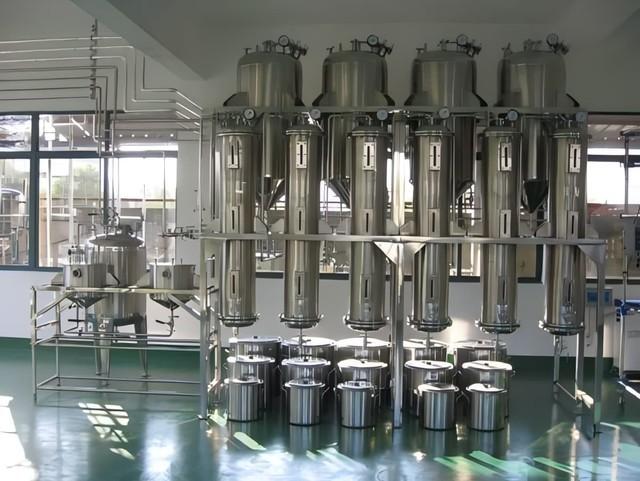
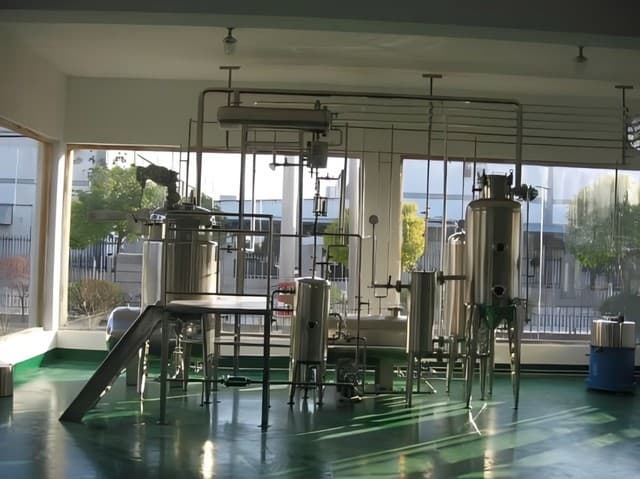
The manufacturing process begins with selection and quality testing of Vaccinium macrocarpon fruit, followed by extraction with food-grade water under controlled temperature to preserve the proanthocyanidin and polyphenol profile, clarification, concentration, and spray or vacuum drying to a fine powder. The organic powder grade is produced from certified organic whole fruit by gentle drying and milling to retain the fruit matrix. Every stage is process-controlled with in-process checks on temperature, concentration and drying parameters.
Each finished lot is tested for proanthocyanidin content, identification, residual solvent, heavy metals, pesticide residues and microbial limits, all reported on the batch Certificate of Analysis. Each lot is traceable from fruit lot to finished drum, and analytical methods follow the current USP-NF and European Pharmacopoeia approaches for fruit extracts where applicable.
Applications of Cranberry Extract
Urinary tract health is the primary application of cranberry extract. Mechanistically, cranberry type-A proanthocyanidins are studied for their ability to support urinary tract defense by interfering with bacterial adhesion to the urinary tract lining, and published clinical studies suggest support for urinary tract wellness with regular use. Typical supplement servings range from 200 mg to 500 mg of concentrated extract per day, or 500 mg to 1500 mg of whole-fruit powder.
Antioxidant and women's health formulas form the second cluster. Cranberry is used in antioxidant blends alongside vitamin C, in women's wellness and urinary support products, and in combination with probiotics and D-mannose for comprehensive urinary tract formulas. Both grades suit capsules, tablets, chewables, stick-packs and powders.
Formulators should note that cranberry has a characteristic tart, fruity taste that is well accepted in chewables and drink mixes, and that the 25% concentrate is the higher-potency choice for small dosage forms while the organic powder supports clean-label positioning.
Manufacturing & Quality Control
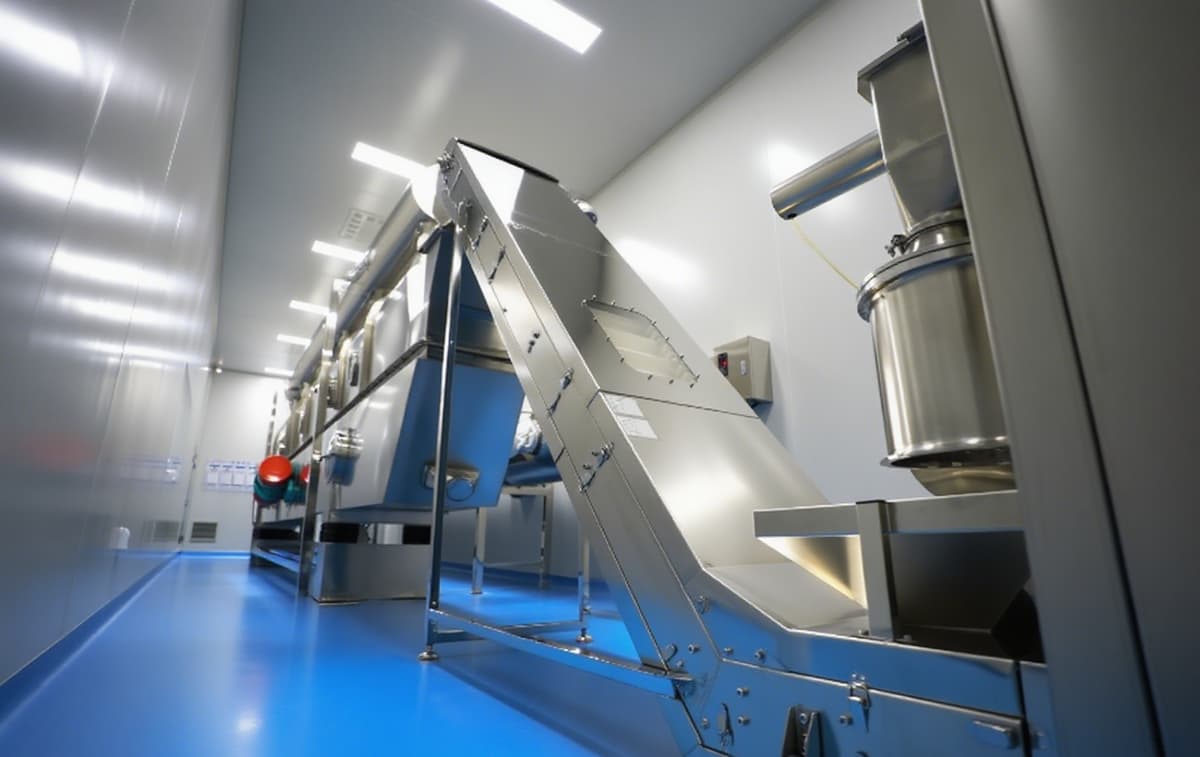
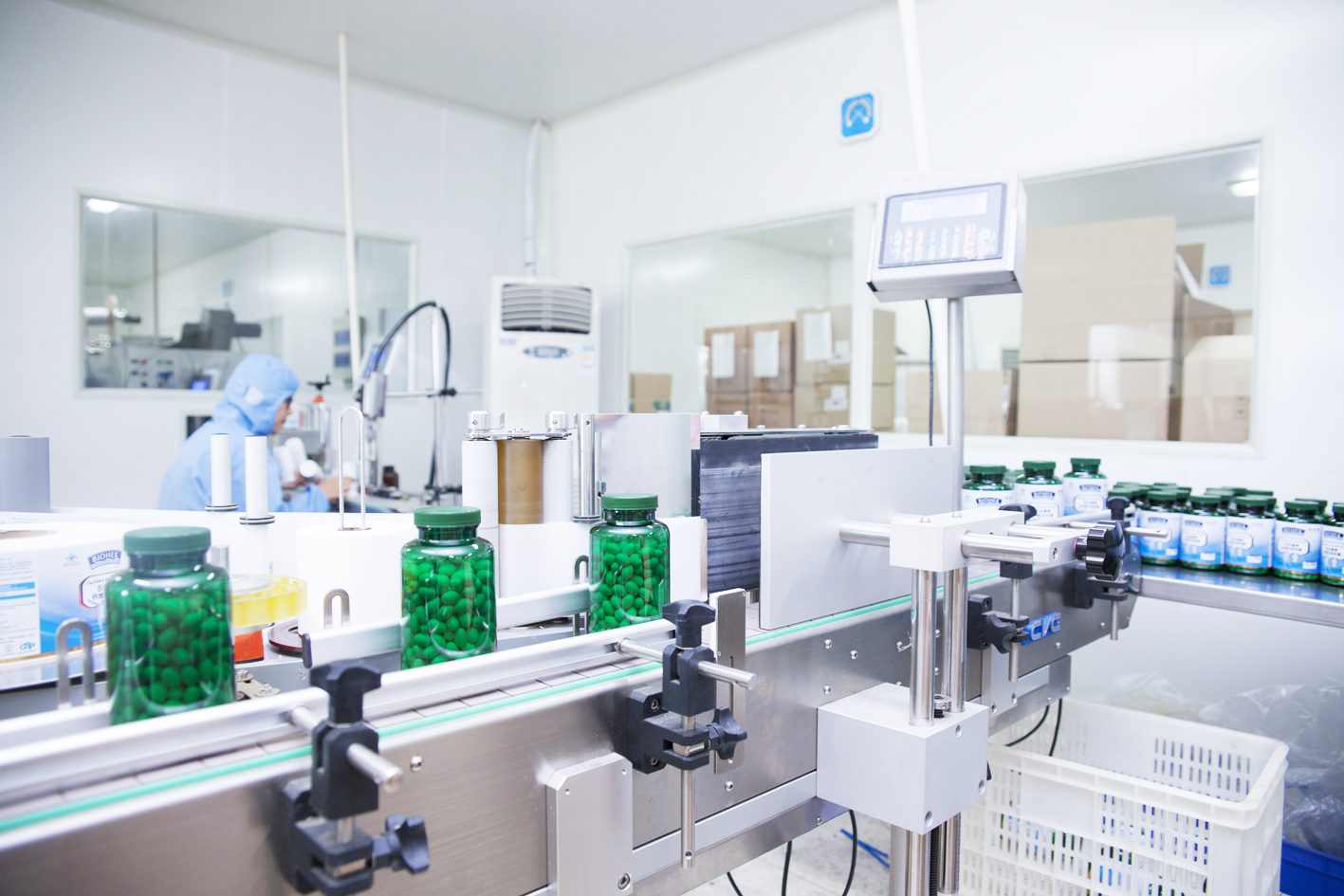
Purecium Cranberry Extract is produced in facilities operating under ISO 9001 and FSSC 22000 certified quality systems, with Kosher and Halal certification available. Analytical methods follow the current USP-NF and European Pharmacopoeia approaches for fruit extracts, with proanthocyanidin quantification on every released batch.
Each commercial lot is fully traceable from fruit lot to finished drum, and the batch is released only when identity, assay, residual solvent, heavy metals, pesticide residues and microbial results are all within specification. Alongside the CoA, Purecium provides the specification sheet, SDS, allergen and gluten statements, non-GMO declarations, organic certificates for the organic grade and stability data on request.
Cranberry Extract for B2B Supplement Manufacturing
Purecium supplies Cranberry Extract exclusively as a B2B raw material for distributors, contract manufacturers, private-label producers and finished supplement brands. The minimum order quantity is 25 kg; both grades are packed in 25 kg drums with food-grade aluminum-foil inner bags, and samples and full documentation are available before commitment.
For North American customers, inventory is staged at Purecium's US warehouse, enabling pickup or delivery within approximately two days. Global delivery covers Hong Kong, mainland China, the EU and other regions, with export documentation prepared for every shipment. Purecium also provides grade selection guidance and technical and regulatory communication to move cranberry extract from ingredient selection to commercial formulation.
Reviewed by the Chief Quality Assurance / Regulatory Affairs Specialist at Purecium for technical accuracy and regulatory alignment.
How does bulk Cranberry Extract compare with D-mannose, Blueberry extract, and Uva ursi in formulation, dosing, and regulatory terms?
Cranberry Extract is standardised to proanthocyanidins (PACs), typically 4–12% by DMAC method, and supplied as a spray-dried powder. D-mannose is a simple monosaccharide with a defined single-entity specification (≥99% purity), while Blueberry extract is standardised to anthocyanins (e.g., 5–25%) and Uva ursi to arbutin (10–20%). These differences affect blend uniformity, analytical methods, and label claims. In bulk handling, cranberry and blueberry extracts are hygroscopic and require controlled humidity; D-mannose is crystalline and free-flowing; Uva ursi is a botanical powder with variable bulk density. Typical daily doses in finished products differ: cranberry extract 250–500 mg (standardised to 36 mg PACs), D-mannose 1–2 g, blueberry extract 100–500 mg, and uva ursi 250–500 mg (standardised to 100–200 mg arbutin). D-mannose requires higher fill weights, impacting capsule size or sachet volume. Cranberry and blueberry extracts are water-soluble to varying degrees; D-mannose is highly soluble; uva ursi is partially soluble. Stability: cranberry PACs are sensitive to heat and moisture; D-mannose is stable under normal conditions; blueberry anthocyanins are pH- and light-sensitive; uva ursi arbutin is relatively stable but may hydrolyse. Regulatory status varies by market. In the EU, cranberry, blueberry, and uva ursi are botanical ingredients with traditional use monographs; D-mannose is a novel food in some jurisdictions. In the US, all are generally recognised as safe (GRAS) or dietary ingredients, but uva ursi requires warning labels in some countries. Documentation for bulk supply typically includes certificate of analysis, safety data sheet, and allergen statement. Purecium provides these for each ingredient, with additional method-specific assays for PACs or anthocyanins.Comparison in table form.
The table below sets out the parameters that determine how each material is specified, dosed and documented in a finished formulation.Parameter
Cranberry Extract
D-mannose
Blueberry extract
CAS number
Not applicable
3458-28-4
Not applicable
Chemical class
Proanthocyanidins
Monosaccharide
Anthocyanins
Typical dose
250-500 mg/day
1-2 g/day
100-500 mg/day
Solubility
Water-soluble
Highly soluble
Water-soluble
Stability
Heat/moisture sensitive
Stable
pH/light sensitive
Regulatory status
Botanical/dietary
Novel food (EU)
Botanical/dietary
Supply form
Spray-dried powder
Crystalline powder
Spray-dried powder
Documentation
CoA, SDS, allergen
CoA, SDS, allergen
CoA, SDS, allergen
Supplying buyers in North America, the European Union, Latin America, Asia and the Middle East
Purecium supplies Cranberry Extract 25% / Cranberry Organic Powder in bulk from Hong Kong, the United States and the European Union. Orders are quoted FOB, CIF or DDP as you prefer: air freight for urgent volumes, sea freight (full container or consolidated) for bulk quantities. Transit time, import requirements and duties are confirmed in each quotation.
For local registration, our technical package is filed with the authority in your market: EU-GMP partner manufacturing and Ph. Eur. / USP monograph testing for the European Union and the United Kingdom; COFEPRIS (Mexico), INVIMA (Colombia), ANMAT (Argentina), ISP (Chile) and ANVISA (Brazil) in Latin America; SFDA and Gulf documentation in the Middle East; BP, JP or ChP monographs in Asia. Every lot ships with a batch COA, TDS, SDS and GMP, ISO 9001, FSSC 22000, Kosher and Halal certificates.
Commercial support is available in English, Spanish and Chinese, and qualification samples are dispatched worldwide, with a response within 12 business hours.