

Curcumin (Turmeric Extract, Curcuminoids 95%)
Turmeric Curcuminoid Extract for Joint Support
Curcumin
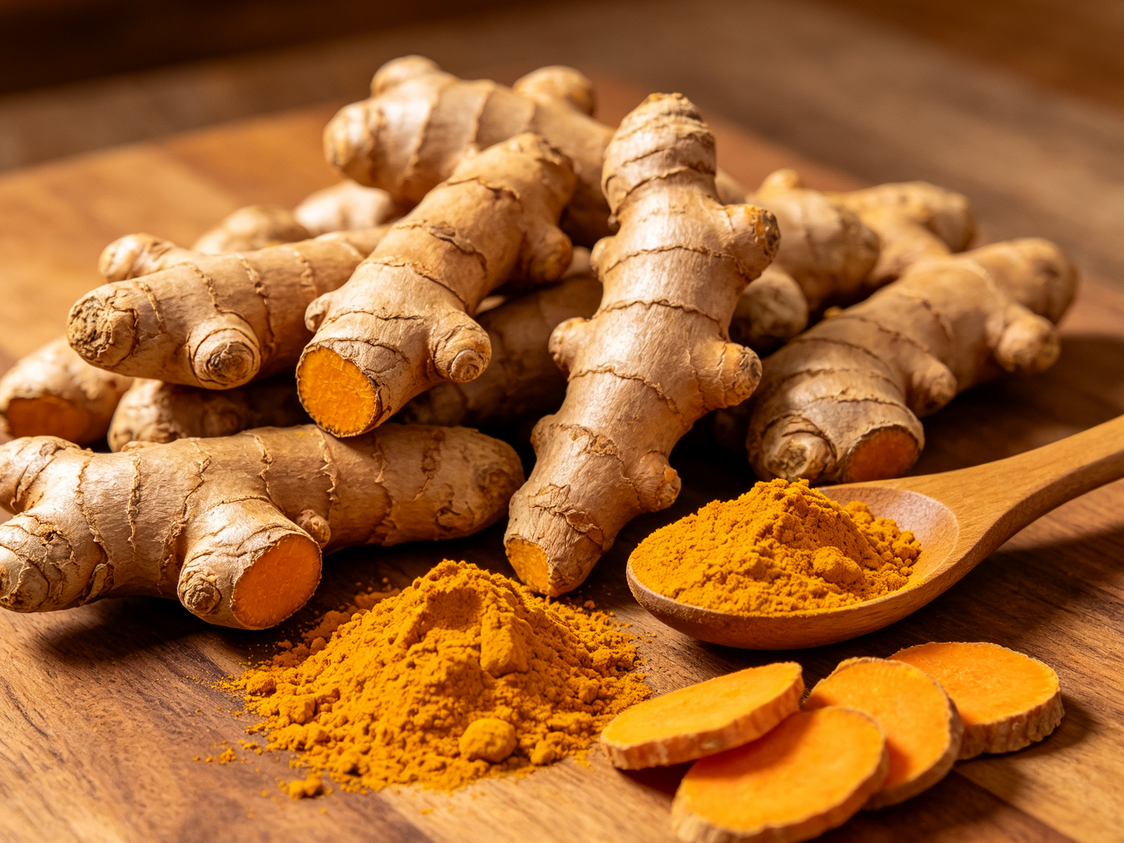
Purecium Curcumin is a standardized turmeric rhizome extract supplied as curcuminoids 95% by HPLC, available as Curcumin 95% Natural Turmeric Extract Powder, Turmeric 95% Curcuminoids and Turmeric Extract 95% Powder for joint, inflammatory, antioxidant and metabolic health formulas. The principal curcuminoid, curcumin (CAS 458-37-7, molecular formula C21H20O6, molecular weight 368.38 g/mol), is quantified on every batch by HPLC, and the extract is produced from non-GMO Curcuma longa rhizomes by food-grade solvent extraction. Allergen-free, gluten-free, non-GMO and vegan, it is packed in 25 kg drums with a 25 kg minimum order and full documentation for B2B buyers worldwide.
Product name: Curcumin (Turmeric Extract, Curcuminoids 95%)
Molecular formula: C21H20O6 (Curcumin)
Starting material: Curcuma longa rhizomes (solvent extraction)
Grade: Food Grade
Heavy Metals: Conforms to USP/EP limits
Pesticide residue: Conforms to USP/EP limits
Packing size: 25kg/drum
CAS#: 458-37-7 (Curcumin)
Molecular weight: 368.38 g/mol (Curcumin)
Source: Turmeric rhizome extract
Specification: Curcuminoids 95% min by HPLC
Country of origin: China
Residual solvent: Conforms to USP/EP limits
Allergen free/Gluten-free/Non-GMO/Vegan/Non-Irradiation:

Curcumin Overview
Curcumin is the principal curcuminoid of turmeric (Curcuma longa), the golden-yellow rhizome used for centuries in food and traditional wellness, and it is identified by CAS number 458-37-7, molecular formula C21H20O6 and molecular weight 368.38 g/mol. Turmeric extracts are standardized by total curcuminoid content, of which curcumin is the major component alongside demethoxycurcumin and bisdemethoxycurcumin. Curcuminoids 95% is the industry-standard concentration for supplement-grade turmeric extract.
For the dietary supplement industry, curcumin is used in joint health, inflammatory response, antioxidant, digestive and metabolic health formulas, and increasingly in bioavailability-enhanced formats. Purecium supplies curcuminoids 95% as Curcumin 95% Natural Turmeric Extract Powder, Turmeric 95% Curcuminoids and Turmeric Extract 95% Powder, sold exclusively as B2B raw materials for distributors, contract manufacturers, private-label producers and finished supplement brands.
Source & Ingredient Identity
Purecium Curcumin is produced from selected non-GMO Curcuma longa rhizomes, which are washed, dried and milled, then extracted with food-grade solvent (typically ethanol or ethyl acetate) to concentrate the curcuminoids, followed by purification and drying to a fine yellow-orange powder. The curcuminoid profile, residual solvent and heavy metal content are verified on every batch, and identity is confirmed by HPLC against curcumin reference standards.
The product is standardized to curcuminoids 95% minimum by HPLC, with the curcumin/demethoxycurcumin/bisdemethoxycurcumin ratio reported on the Certificate of Analysis. For B2B buyers, the critical purchasing checks are the total curcuminoid assay, the individual curcumin content, residual solvent (ethanol or ethyl acetate), and heavy metals, since turmeric roots are soil-grown and can accumulate lead and other metals.
Key Characteristics of Curcumin
1. Standardized curcuminoid content. The defining characteristic of turmeric extract is its guaranteed curcuminoid assay, typically 95% minimum by HPLC. This standardization ensures a known dose of the active curcuminoids in every batch, which is essential for finished-product consistency and label claims.
2. Well-studied anti-inflammatory and antioxidant profile. Curcumin is among the most studied botanical compounds for inflammatory response and antioxidant support; published clinical studies suggest benefits for joint comfort and mobility, and regulatory agencies including the FDA recognize turmeric and curcumin as GRAS in defined food uses. The NIH Office of Dietary Supplements and EFSA have both reviewed turmeric and curcumin for use in food and supplements.
3. Formulation flexibility with bioavailability options. Native curcumin has low oral bioavailability, which formulators address with piperine, phospholipid complexes, or micronized and other delivery technologies. The base extract is a fine yellow-orange powder that blends into capsules, tablets and powders, and it is non-GMO, allergen-free, gluten-free and vegan.
Curcumin Manufacturing
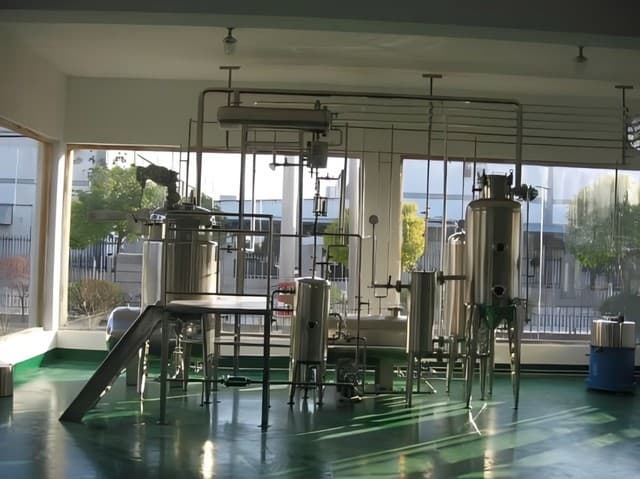
The manufacturing process begins with sourcing and identity testing of Curcuma longa rhizomes, followed by washing, drying and milling, extraction with food-grade solvent under controlled conditions, filtration and concentration, purification of the curcuminoid-rich fraction, and drying to a fine powder. The extraction solvent, temperature and drying parameters are process-controlled to preserve the curcuminoid profile and minimize degradation.
Each finished lot is tested by HPLC for total curcuminoids and the individual curcumin, demethoxycurcumin and bisdemethoxycurcumin content, together with identification, residual solvent, heavy metals, pesticide residues and microbial limits, all reported on the batch Certificate of Analysis. Each lot is traceable from rhizome lot to finished drum, and analytical methods follow current USP-NF and European Pharmacopoeia approaches for turmeric.
Applications of Curcumin
Joint health and inflammatory response is the primary application of curcumin. Mechanistically, curcumin modulates inflammatory mediators and supports the body's antioxidant defense through its phenolic structure; published clinical studies suggest benefits for joint comfort, mobility and post-exercise recovery. Typical supplement servings range from 500 mg to 1,500 mg of curcuminoids per day, often in divided doses.
Antioxidant, digestive and metabolic health form the second cluster. Curcumin is used in antioxidant formulas for its free-radical scavenging, in digestive wellness products as a botanical support, and in metabolic health blends where its effects on inflammatory pathways are studied. Because of low native bioavailability, many finished products combine curcumin with piperine (black pepper extract) or use phospholipid or other delivery systems, and formulators should position claims according to destination-market regulations.
Curcumin is compatible with capsules, tablets, sachets and powder blends. The bright yellow-orange powder will color formulations, which formulators should account for in product appearance, and it is commonly paired with ginger, Boswellia or omega-3s in joint formulas. For bioavailability-enhanced formats, Purecium supplies the base extract and supports formulation with technical guidance.
Manufacturing & Quality Control
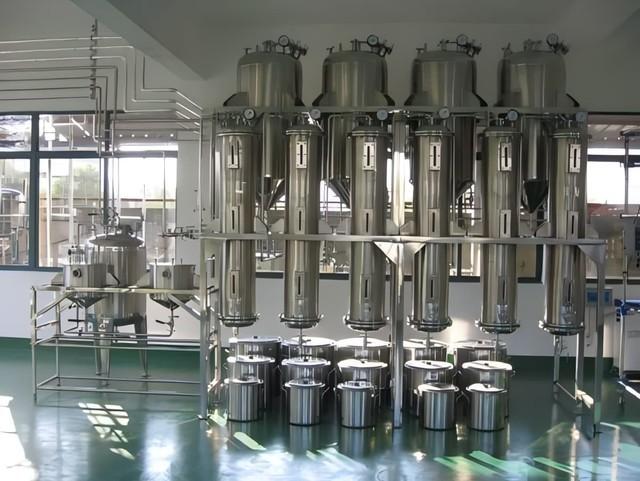
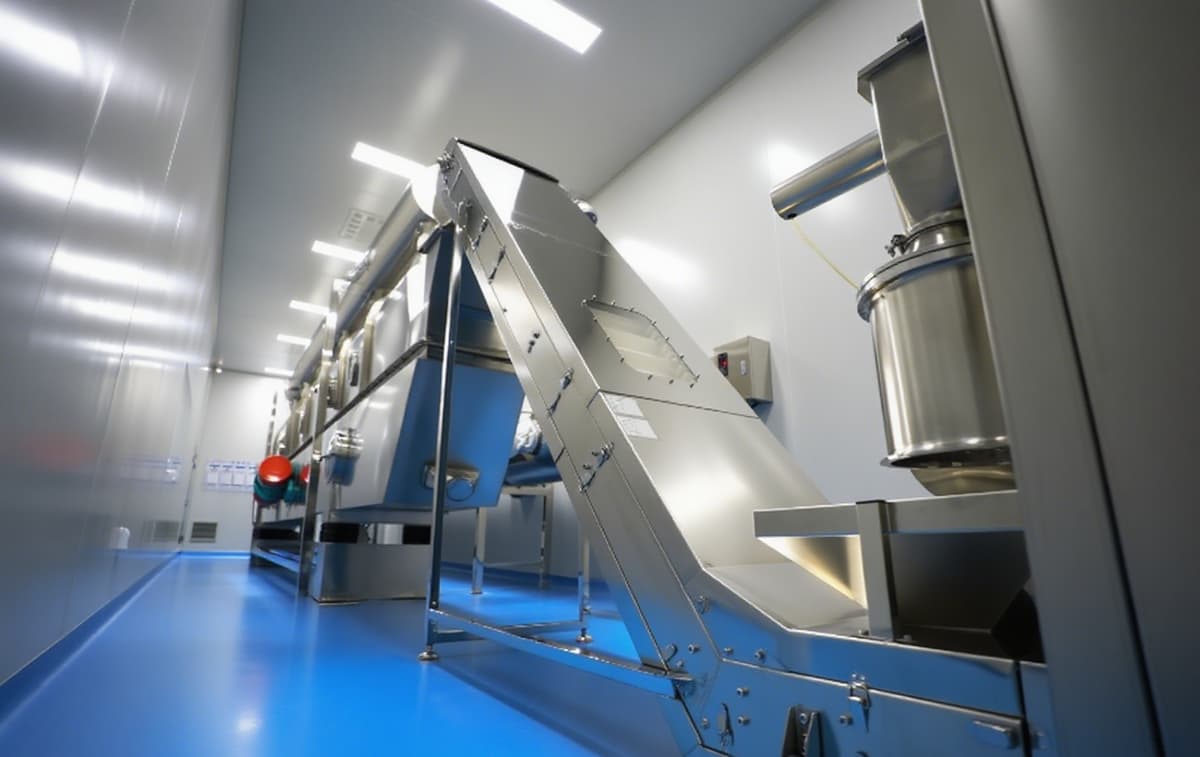
Purecium Curcumin is produced in facilities operating under ISO 9001 and FSSC 22000 certified quality systems, with Kosher and Halal certification available. Analytical methods follow the current USP-NF and European Pharmacopoeia approaches for turmeric, with HPLC quantification of total curcuminoids and individual curcuminoids on every released batch.
Each commercial lot is fully traceable from rhizome lot to finished drum, and the batch is released only when identity, curcuminoid assay, residual solvent, heavy metals, pesticide residues and microbial results are all within specification. Alongside the CoA, Purecium provides the specification sheet, SDS, allergen and gluten statements, non-GMO declarations and stability data on request.
Curcumin for B2B Supplement Manufacturing
Purecium supplies Curcumin exclusively as a B2B raw material for distributors, contract manufacturers, private-label producers and finished supplement brands. The minimum order quantity is 25 kg; the powder is packed in 25 kg drums with food-grade aluminum-foil inner bags, and samples and full documentation are available before commitment.
For North American customers, inventory is staged at Purecium's US warehouse, enabling pickup or delivery within approximately two days. Global delivery covers Hong Kong, mainland China, the EU and other regions, with export documentation prepared for every shipment. Purecium also supports custom particle sizing and provides technical and regulatory communication, including bioavailability formulation guidance, to move curcumin from ingredient selection to commercial formulation.
Reviewed by the Chief Quality Assurance / Regulatory Affairs Specialist at Purecium for technical accuracy and regulatory alignment.
How does bulk Curcumin Turmeric compare with Curcumin C3, turmeric powder, and black pepper extract in formulation?
Curcumin Turmeric bulk ingredient typically contains 95% curcuminoids (curcumin, demethoxycurcumin, bisdemethoxycurcumin) as a standardized extract. Curcumin C3 is a branded curcuminoid blend with a defined ratio of the three curcuminoids, often 95% total. Turmeric powder is the milled rhizome, containing only 2-5% curcuminoids along with starches and fibers. Black pepper extract (standardized to piperine) is not a curcumin source but a bioavailability enhancer. In B2B formulation, the choice depends on dose, label claims, and cost-in-use. For dosing, 95% curcuminoid extracts are typically used at 500-1000 mg per serving, while turmeric powder requires 5-10 g to achieve comparable curcuminoid levels. Curcumin C3 is dosed similarly to generic 95% extracts. Piperine is added at 5-10 mg per serving to improve absorption. Solubility is poor for all curcuminoids in water; they are soluble in ethanol and oils. Turmeric powder has even lower solubility due to its matrix. Stability: curcuminoids are sensitive to light, oxygen, and alkaline pH; turmeric powder is more stable as a whole matrix but prone to microbial load. Piperine is relatively stable. Regulatory status: curcuminoid extracts and turmeric powder are generally recognized as safe (GRAS) for food use in the US and permitted as food supplements in the EU. Curcumin C3 has self-affirmed GRAS. Piperine from black pepper extract is also GRAS. Supply forms: 95% extracts are offered as powders, granules, or dispersions; turmeric powder as fine powder; piperine as powder or beadlets. Documentation for bulk ingredients includes Certificate of Analysis, MSDS, allergen statement, and sometimes halal/kosher certificates. Curcumin Turmeric from Purecium provides a cost-effective standardized option, while Curcumin C3 offers brand recognition. Turmeric powder suits whole-food positioning but requires higher doses. Piperine is an adjunct, not a substitute.Comparison in table form.
The table below sets out the parameters that determine how each material is specified, dosed and documented in a finished formulation.Parameter
Curcumin Turmeric
Curcumin C3
Turmeric powder
CAS number
458-37-7
458-37-7
84775-52-0
Chemical class
Curcuminoid extract
Curcuminoid blend
Whole rhizome powder
Typical dose
500-1000 mg
500-1000 mg
5-10 g
Solubility
Poor in water
Poor in water
Poor in water
Stability
Light/oxygen sensitive
Light/oxygen sensitive
Moderate, matrix protected
Regulatory status
GRAS, EU supplement
Self-affirmed GRAS
GRAS, EU food
Supply form
Powder, granules
Powder, dispersions
Fine powder
Documentation
CoA, MSDS, allergen
CoA, MSDS, GRAS
CoA, MSDS, micro
Supplying buyers in North America, the European Union, Latin America, Asia and the Middle East
Purecium supplies Curcumin (Turmeric Extract, Curcuminoids 95%) in bulk from Hong Kong, the United States and the European Union. Orders are quoted FOB, CIF or DDP as you prefer: air freight for urgent volumes, sea freight (full container or consolidated) for bulk quantities. Transit time, import requirements and duties are confirmed in each quotation.
For local registration, our technical package is filed with the authority in your market: EU-GMP partner manufacturing and Ph. Eur. / USP monograph testing for the European Union and the United Kingdom; COFEPRIS (Mexico), INVIMA (Colombia), ANMAT (Argentina), ISP (Chile) and ANVISA (Brazil) in Latin America; SFDA and Gulf documentation in the Middle East; BP, JP or ChP monographs in Asia. Every lot ships with a batch COA, TDS, SDS and GMP, ISO 9001, FSSC 22000, Kosher and Halal certificates.
Commercial support is available in English, Spanish and Chinese, and qualification samples are dispatched worldwide, with a response within 12 business hours.