

L-Leucine
Muscle Building and Recovery Support
L-Leucine
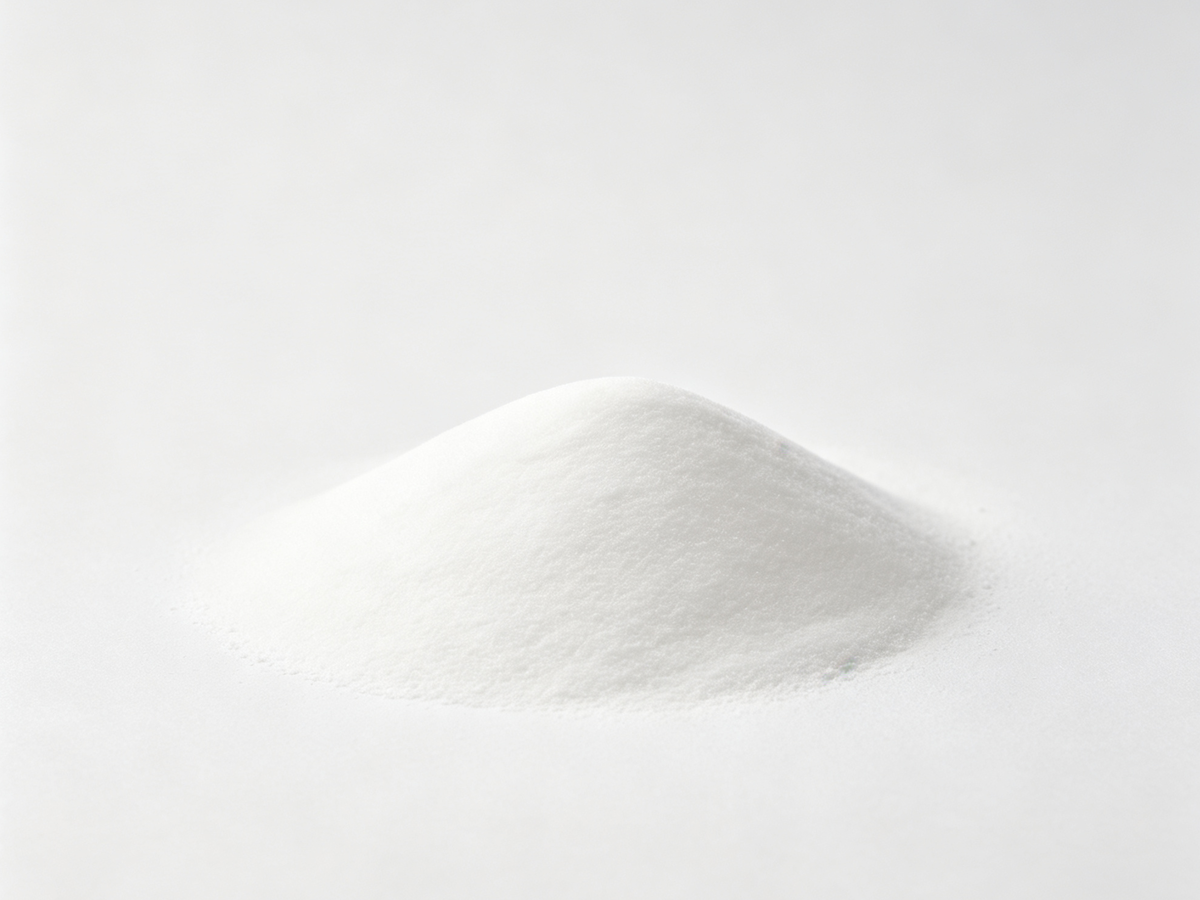
Purecium L-Leucine is a white, free-flowing crystalline powder for muscle protein synthesis, recovery and sports nutrition formulations. Identified by CAS number 61-90-5 with molecular formula C6H13NO2 and molecular weight 131.17 g/mol, our fermentation-derived L-leucine is produced to USP, EP and FCC standards with a 99.0% minimum assay, HPLC-verified on every batch. Allergen-free, gluten-free, non-GMO and vegan, it is packed in 25 kg drums with a 25 kg minimum order, staged at our US warehouse, and supported by full regulatory documentation for distributors, contract manufacturers and supplement brands worldwide.
Product name: L-Leucine
Molecular formula: C6H13NO2
Starting material: Microbial fermentation (non-GMO plant-based substrate)
Grade: USP / EP / FCC
Heavy Metals: Conforms to USP/EP
Pesticide residue: Conforms to USP/EP
Packing size: 25kg/drum
CAS#: 61-90-5
Molecular weight: 131.17 g/mol
Source: Fermentation (L-enantiomer)
Specification: 99.0%-101.0% assay (USP), white crystalline powder
Country of origin: China
Residual solvent: Conforms to USP/EP
Allergen free/Gluten-free/Non-GMO/Vegan/Non-Irradiation:

L-Leucine Overview
L-Leucine is the essential branched-chain amino acid (BCAA) that serves as the primary trigger of muscle protein synthesis through the mechanistic target of rapamycin (mTOR) signaling pathway. Identified by CAS number 61-90-5, molecular formula C6H13NO2 and molecular weight 131.17 g/mol, it is one of three BCAAs alongside L-isoleucine and L-valine, and the only amino acid that independently activates muscle protein synthesis in skeletal muscle.
For the dietary supplement industry, L-leucine is a core ingredient in sports nutrition, muscle recovery, weight management and healthy-aging products, and it is a mandatory component of BCAA and essential amino acid (EAA) systems. Purecium supplies L-Leucine as a white, free-flowing crystalline powder standardized to 99.0% minimum assay, sold exclusively as a B2B raw material for distributors, contract manufacturers, private-label producers and finished supplement brands.
Source & Ingredient Identity
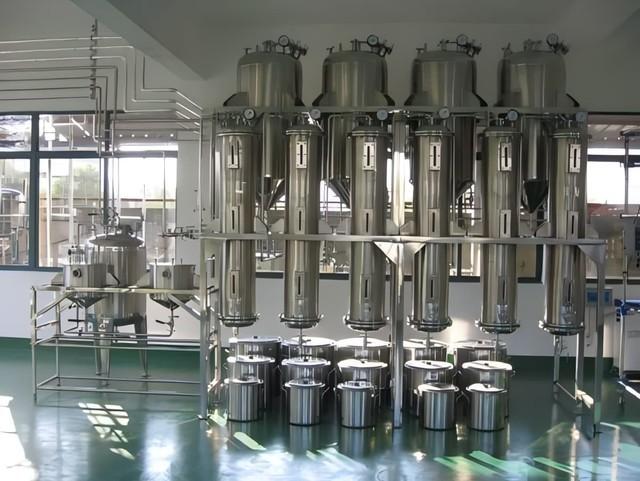
Purecium L-Leucine is manufactured by microbial fermentation using non-GMO plant-based carbohydrate sources, the dominant commercial production route for food-grade amino acids worldwide. The fermentation process produces the naturally occurring L-enantiomer, which is then purified by crystallization, washed and dried to a free-flowing white crystalline powder free from animal-derived input and fully vegan.
One specification is offered under this product line: L-Leucine USP grade, 99.0% to 101.0% assay by HPLC on a dried basis, conforming to USP-NF, European Pharmacopoeia and FCC monographs, produced in China and non-irradiated, with no allergens, no gluten and no GMO material. For B2B buyers, the critical purchasing checks are the enantiomeric purity (L-form only), the assay on the Certificate of Analysis, the crystalline morphology that affects flow and compression, and the declared impurity and residual-solvent profile.
Key Characteristics of L-Leucine
1. Muscle protein synthesis trigger. L-Leucine is the only amino acid that directly activates the mTORC1 signaling pathway in skeletal muscle, making it the rate-limiting trigger for post-exercise muscle protein synthesis, a mechanism documented by the NIH Office of Dietary Supplements in its protein and amino acid background material.
2. Sports nutrition standard. EFSA has recognized that the branched-chain amino acids contribute to the recovery of muscle function after exercise, and L-leucine is the principal driver of that effect, making it standard in BCAA, EAA, pre-workout and recovery formulas.
3. Regulatory-clear and versatile. L-leucine is a GRAS food ingredient in the United States, permitted as a food additive in the European Union with an established daily intake guidance, and stable in tablets, capsules, powders and gummies, giving formulators broad flexibility.
L-Leucine Manufacturing
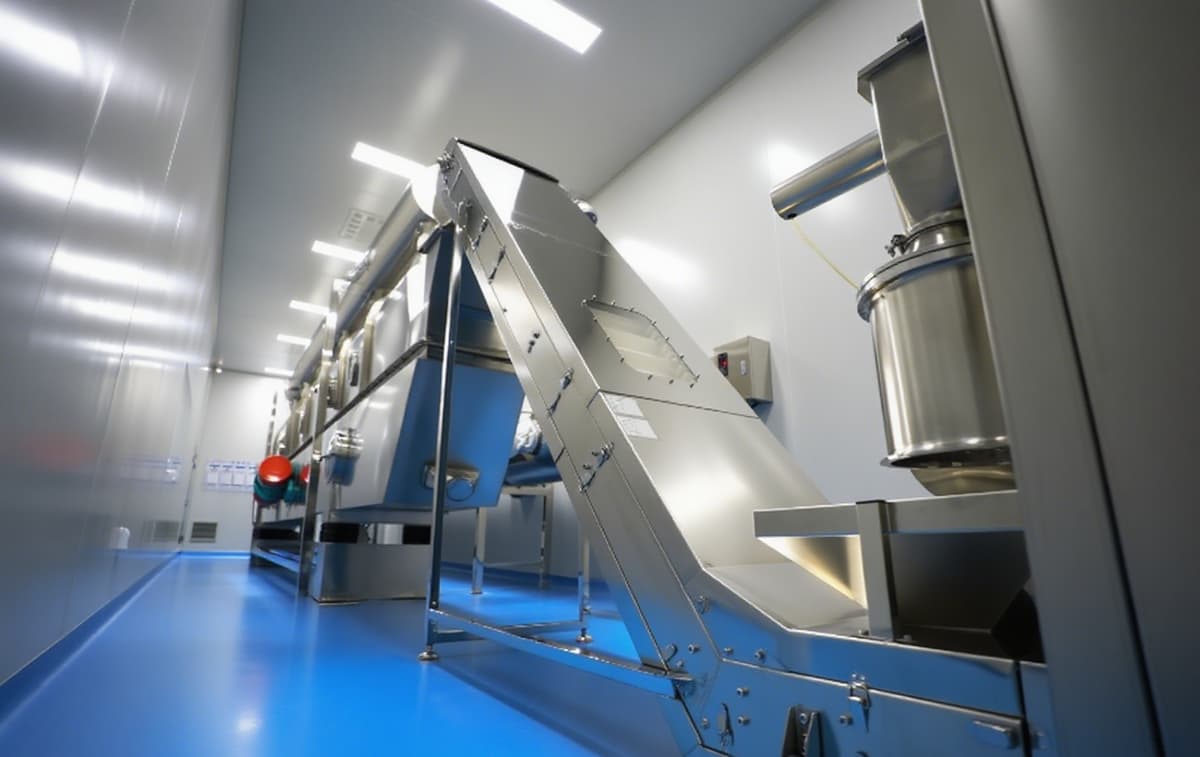
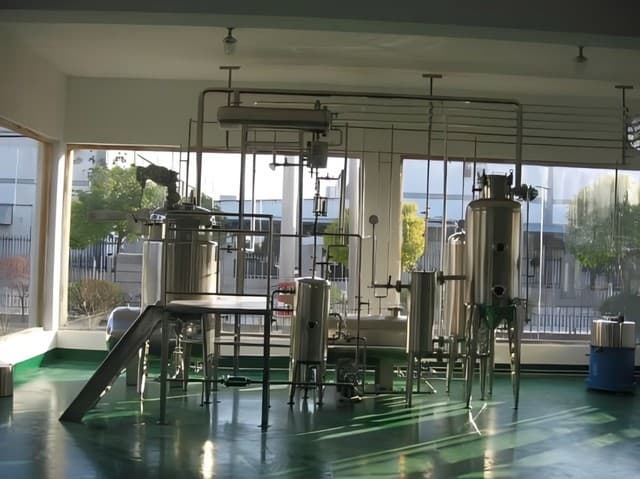
The manufacturing process follows a fermentation route: selected microbial strains convert non-GMO plant-based sugars into L-leucine under controlled fermentation conditions, after which the broth is filtered, purified by ion exchange and crystallization, and dried to a white crystalline powder. The finished crystals are screened to a defined particle-size profile, and the lot is assayed by HPLC against the USP-NF and European Pharmacopoeia monographs for leucine.
Every production stage is process-controlled, and each finished lot is verified by HPLC before release. Identification, assay (99.0% to 101.0% on a dried basis), specific optical rotation confirming the L-enantiomer, loss on drying, residue on ignition, heavy metals, residual solvents and microbiological results are reported on the batch Certificate of Analysis. Each lot is traceable from fermentation culture to finished drum.
Applications of L-Leucine
Muscle protein synthesis, exercise recovery and sports nutrition are the primary applications of L-leucine. Mechanistically, leucine binds to the leucyl-tRNA synthetase complex and activates mTORC1, which phosphorylates downstream targets that initiate translation of muscle proteins; it also provides carbon skeletons for transamination and energy production during exercise. Through these pathways, L-leucine supports muscle protein synthesis after resistance training and contributes to the recovery of muscle function after exercise, a claim recognized by EFSA for the branched-chain amino acids.
These mechanisms underpin its classic use in BCAA and EAA blends, pre- and post-workout formulas, recovery drinks, weight-management products and healthy-aging muscle-support supplements. Peer-reviewed research has examined leucine in muscle, metabolic and aging contexts extensively, and the FDA recognizes L-leucine as GRAS for food use. Finished-product claims should always follow the regulations of the destination market.
L-Leucine is compatible with tablets, hard capsules, sachets, gummies and powder blends, and pairs naturally with L-isoleucine, L-valine, L-glutamine and creatine in sports nutrition systems. The free-flowing crystalline powder gives B2B buyers full flexibility across dry dosage forms, and custom mesh sizing is available for high-speed tableting lines.
Manufacturing & Quality Control
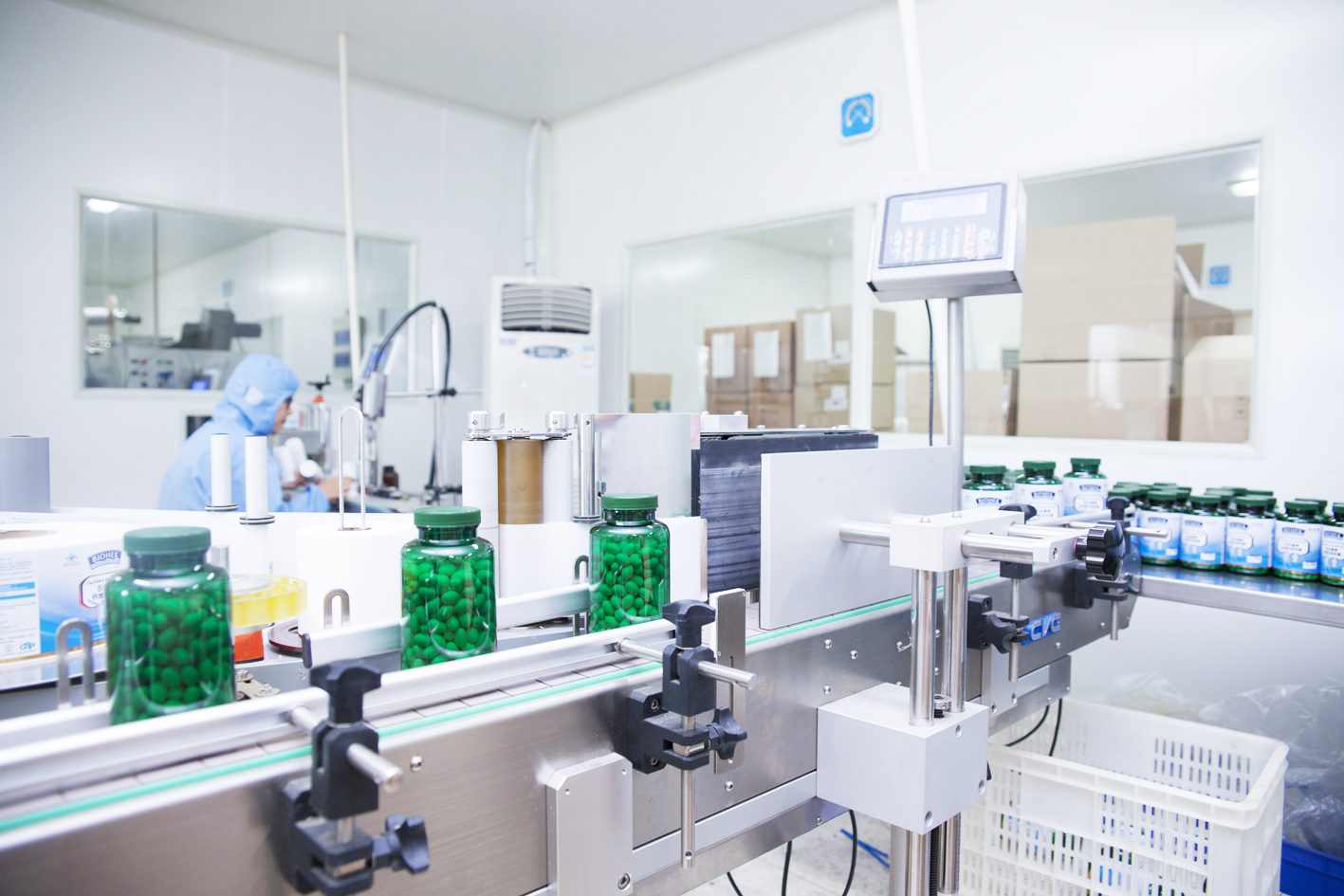
Purecium L-Leucine is produced in facilities operating under ISO 9001 and FSSC 22000 certified quality systems, with Kosher and Halal certification available. Analytical methods follow the current USP-NF and European Pharmacopoeia monographs for Leucine, and each batch is assayed by HPLC for content. Routine release testing covers identification, assay (99.0% to 101.0% on a dried basis), specific optical rotation, loss on drying, residue on ignition, heavy metals, residual solvents and microbial limits, with results documented on a batch-specific Certificate of Analysis.
Each commercial lot is fully traceable from fermentation culture to finished drum. Alongside the CoA, Purecium provides the specification sheet, SDS, allergen and gluten statements, non-GMO declarations and stability data on request, giving buyers the documentation needed for raw-material approval and finished-product registration.
L-Leucine for B2B Supplement Manufacturing
Purecium supplies L-Leucine exclusively as a B2B raw material for distributors, contract manufacturers, private-label producers and finished supplement brands. The minimum order quantity is 25 kg. The powder is packed in 25 kg drums with food-grade aluminum-foil inner bags, and samples and full documentation are available before commitment.
For North American customers, inventory is staged at Purecium's US warehouse, enabling pickup or delivery within approximately two days. Global delivery covers Hong Kong, mainland China, the EU and other regions, with export documentation prepared for every shipment. Purecium also supports custom mesh sizing and provides technical and regulatory communication to move L-leucine from ingredient selection to commercial formulation.
Reviewed by the Chief Quality Assurance / Regulatory Affairs Specialist at Purecium for technical accuracy and regulatory alignment.
How does bulk L-leucine compare with BCAA blends, HMB, and L-isoleucine in formulation, dosing, handling, and regulatory terms?
L-leucine (CAS 61-90-5) is a single, free-form essential amino acid. In bulk B2B formulation it is typically specified at 98.5–99.5% purity (e.g., USP/EP or food-grade), with defined heavy-metal, microbial, and loss-on-drying limits. BCAA blends are physical mixtures of L-leucine, L-isoleucine, and L-valine, usually at a 2:1:1 ratio, so their specification must cover three actives and blend uniformity. HMB (β-hydroxy-β-methylbutyrate, CAS 625-08-1 for the free acid; calcium salt CAS 135236-72-5) is a leucine metabolite, not an amino acid, and is supplied as free acid, calcium salt, or ester. L-isoleucine (CAS 73-32-5) is a branched-chain amino acid often co-formulated with leucine. Dosing differs by intended use. L-leucine is commonly used at 2–5 g per serving in sports and clinical nutrition, with higher intakes studied for muscle protein synthesis. BCAA blends are typically dosed at 5–10 g total, delivering roughly 2.5–5 g leucine. HMB is used at 1.5–3 g/day (calcium salt) or 1–3 g/day (free acid), with lower mass than leucine. L-isoleucine is usually dosed at 1–3 g/day, often in BCAA or amino acid mixtures. These differences affect scoop size, blend ratios, and label claims. Handling: L-leucine is a crystalline powder with limited water solubility (about 22 g/L at 25 °C), so it is often used in suspensions, tablets, or dry blends. BCAA blends share similar solubility limits, and leucine’s low solubility can dominate. HMB calcium salt is also poorly soluble; the free acid and ester forms are more soluble but may have taste or stability issues. L-isoleucine has solubility similar to leucine. All are hygroscopic to varying degrees and should be stored cool and dry. Stability is generally good for solid forms; HMB free acid may require pH control in liquids. Regulatory status: L-leucine, L-isoleucine, and BCAA blends are generally recognized as safe (GRAS) for food use in the US and permitted in the EU as food supplements. HMB calcium is notified/authorized in several markets but faces different novel-food or supplement rules. Documentation for bulk supply typically includes Certificate of Analysis, MSDS, allergen statement, non-GMO declaration, and, where applicable, halal/kosher certificates. Purecium supplies L-leucine with batch-specific CoA and regulatory support.Comparison in table form.
The table below sets out the parameters that determine how each material is specified, dosed and documented in a finished formulation.Parameter
L Leucine
BCAA blend
HMB
CAS number
61-90-5
Mixture (61-90-5, 73-32-5, 72-18-4)
625-08-1 (free acid); 135236-72-5 (Ca salt)
Chemical class
Essential amino acid
Amino acid mixture
Leucine metabolite (hydroxy acid)
Typical dose
2–5 g/day
5–10 g/day total
1.5–3 g/day (Ca salt)
Solubility
~22 g/L at 25 °C
Limited; leucine dominates
Ca salt low; free acid higher
Stability
Good as solid; keep dry
Good as solid; avoid moisture
Solid stable; liquid needs pH control
Regulatory status
GRAS; EU food supplement
GRAS; EU food supplement
Varies; novel food/supplement rules
Supply form
Crystalline powder
Blended powder
Powder, granule, or liquid
Documentation
CoA, MSDS, non-GMO
CoA, MSDS, blend ratio
CoA, MSDS, novel food status