

Chlorella
Detox Support, Naturally Sourced Nutrition

Chlorella
Purecium supplies broken cell wall Chlorella powder engineered for dietary supplement manufacturers, private label brands, and contract packers worldwide. Cultivated under controlled conditions and processed with cell wall-cracking technology to enhance nutrient bioavailability, our Chlorella delivers consistent chlorophyll content, protein density, and verified purity in every batch. Each lot ships with a full Certificate of Analysis covering heavy metals, microbiological limits, and nutritional profile, ensuring regulatory readiness across the US, EU, and international markets. Whether you need raw powder, custom particle sizing, or private-label-ready documentation, Purecium's scalable supply chain and responsive B2B support make us a dependable long-term ingredient partner.
Product name: Chlorella powder
Molecular formula: NA
Starting material: Closed environment aquaculture
Grade: Food grade
Heavy Metals: USP
Pesticide residue: USP/EP
Packing size: 25kg/drum
Chlorella powder
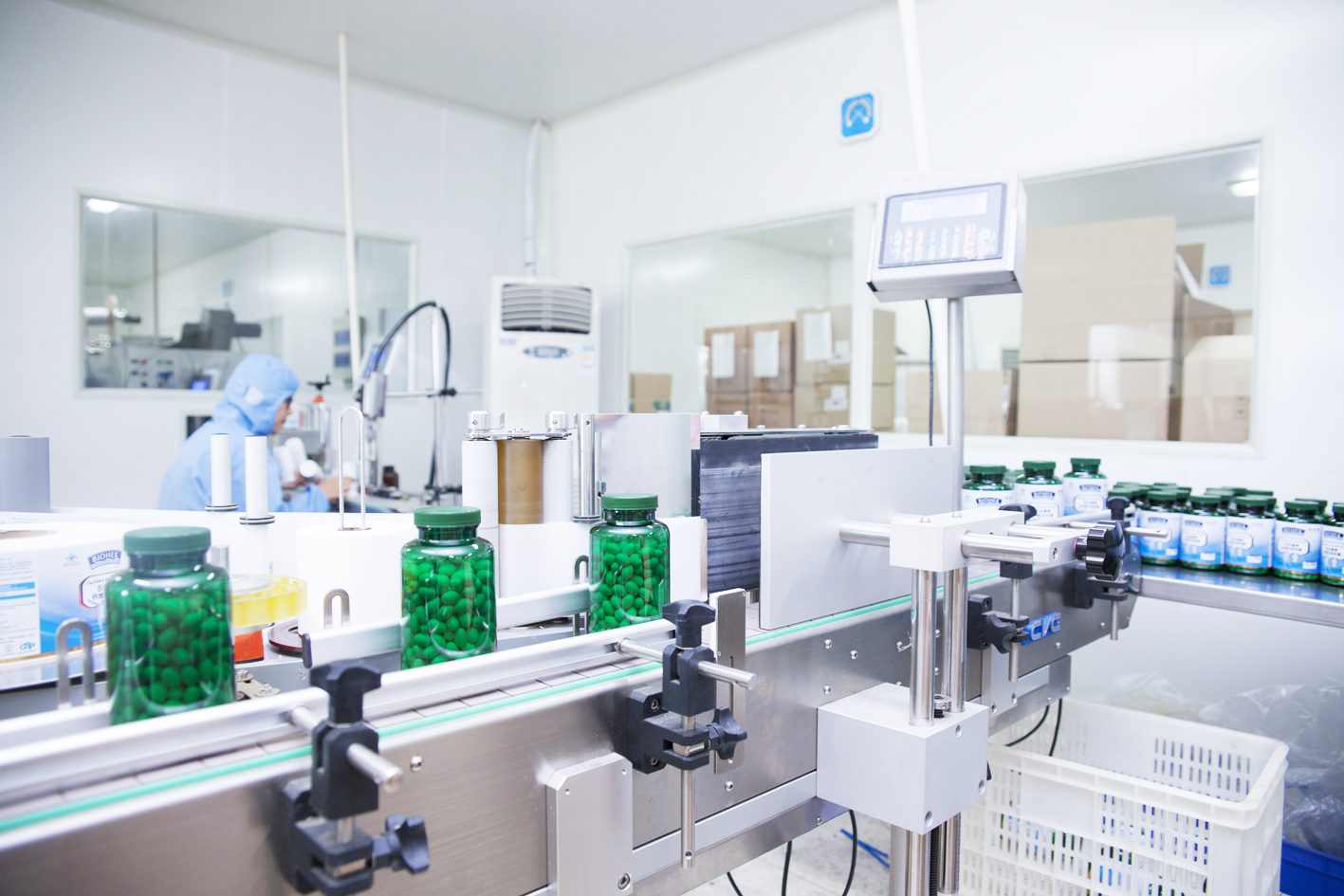
Chlorella tablet
Organic chlorella powder
Organic chlorella tablet
Latin name: Chlorella vulgaris
Molecular weight: NA
CAS number: Not applicable
Source: Natural
Specification: Pure chlorella powder
Country of origin: China
Residual solvent: USP/EP
Allergen free/Gluten-free/Non-GMO/Vegan/Non-Irradiation

Chlorella Overview
Purecium Chlorella Powder is a nutrient-dense, single-celled freshwater green algae ingredient derived from Chlorella vulgaris (or Chlorella pyrenoidosa, depending on specification), cultivated specifically for use as a raw material in dietary supplements, functional foods, and nutraceutical formulations. As a B2B ingredient supplier, Purecium serves distributors, contract manufacturers (CMOs/CDMOs), and finished-product brands seeking a consistent, well-documented, and scalable source of Chlorella for capsules, tablets, powders, gummies, and beverage applications.
Unlike some microalgae, Chlorella has a rigid cellulose-based cell wall that is naturally resistant to human digestion. For this reason, Purecium's Chlorella powder is processed using cell wall-cracking (broken cell wall) technology, a mechanical disruption method designed to improve nutrient release and bioavailability without the use of harsh chemical solvents. The finished powder is characterized by its deep green color, fine particle uniformity, and mild grassy flavor profile, making it suitable for a wide range of downstream formulation needs, from raw bulk powder to customized particle-size specifications for tableting or encapsulation.
Primary Applications
Chlorella powder is widely used across the dietary supplement and functional food industries for the following categories:
- General nutritional support supplements — capsules and tablets marketed as multi-nutrient, "green superfood," or whole-food nutrition products
- Detoxification and cleanse-support formulations — Chlorella is one of the most commonly referenced ingredients in this category due to its chlorophyll content and binding properties studied in preliminary research contexts
- Immune and antioxidant support formulations — leveraging Chlorella's chlorophyll, carotenoid, and polysaccharide content
- Functional beverages and green powder blends — used as a nutrient-dense additive and natural green colorant
- Plant-based/vegan protein and nutrition product lines — Chlorella contains a relatively high protein percentage and a broad micronutrient profile, including naturally occurring B-vitamins
Research context (mechanism-level, non-attributed): Published nutritional science literature has examined Chlorella's constituent compounds — particularly chlorophyll and its associated antioxidant activity, along with Chlorella-derived polysaccharides studied in the context of general immune modulation pathways in preclinical and laboratory models. Some published research has also explored the potential of Chlorella's cell wall and cellular components to interact with certain compounds in the digestive tract, a mechanism frequently cited in general-wellness and detox-support product positioning. It's important to note that Chlorella is regulated globally as a dietary ingredient/food, not a drug, and Purecium does not make disease-treatment or diagnostic claims; any health-related positioning should be substantiated independently by the brand owner in accordance with the regulatory framework of their target market (e.g., FDA DSHEA in the US, EFSA health claim regulations in the EU).
Mechanism of Action (General, Non-Proprietary)
At a compositional level, Chlorella's functional properties are generally attributed to the following constituent groups:
- Chlorophyll — the pigment responsible for Chlorella's deep green color; commonly studied in the general nutrition literature for antioxidant activity and its role in supporting the body's natural detoxification pathways.
- Cell wall structure and processing method — Chlorella's naturally rigid cellulose cell wall is largely indigestible in its raw form; mechanical cell wall-cracking is used industry-wide to improve nutrient accessibility and is considered a key quality differentiator in ingredient sourcing.
- Protein and micronutrient content — Chlorella provides a relatively high protein percentage along with naturally occurring B-vitamins, iron, and other trace minerals, supporting its use in general nutrition and plant-based formulation contexts.
- Polysaccharides (Chlorella Growth Factor-related compounds) — non-proprietary references in the literature associate certain Chlorella polysaccharide fractions with general immune-support research interest.
These mechanisms are described at a general, literature-referenced level; Purecium does not attribute specific clinical outcomes to its ingredient and encourages brand partners to consult current regulatory guidance for claims substantiation in their target markets.
Production & Quality Control
Purecium's Chlorella powder is manufactured under a quality system designed to meet the documentation and consistency requirements of global supplement manufacturers:
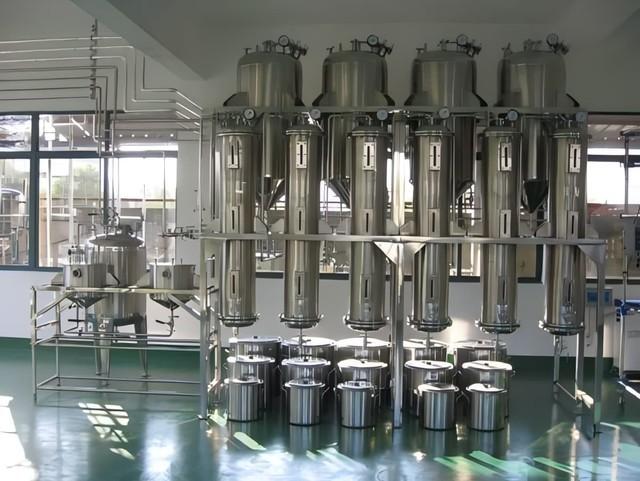
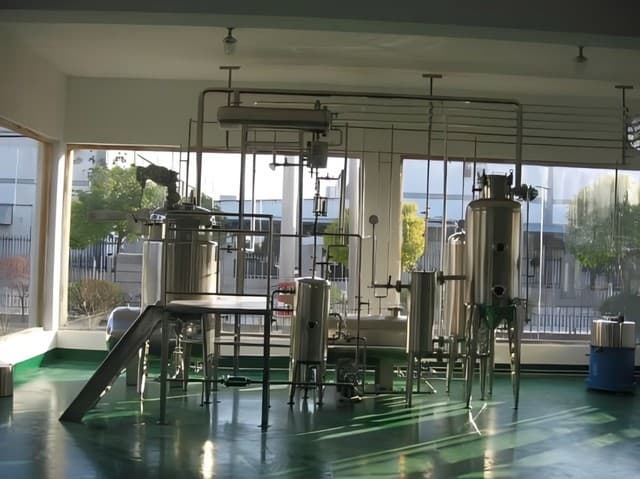
- Cultivation: Controlled pond/photobioreactor cultivation with monitored water quality, light exposure, and harvest timing to standardize biomass composition
- Cell Wall Processing: Mechanical cell wall-cracking (broken cell wall processing) to improve digestibility and nutrient bioavailability, performed without chemical solvents
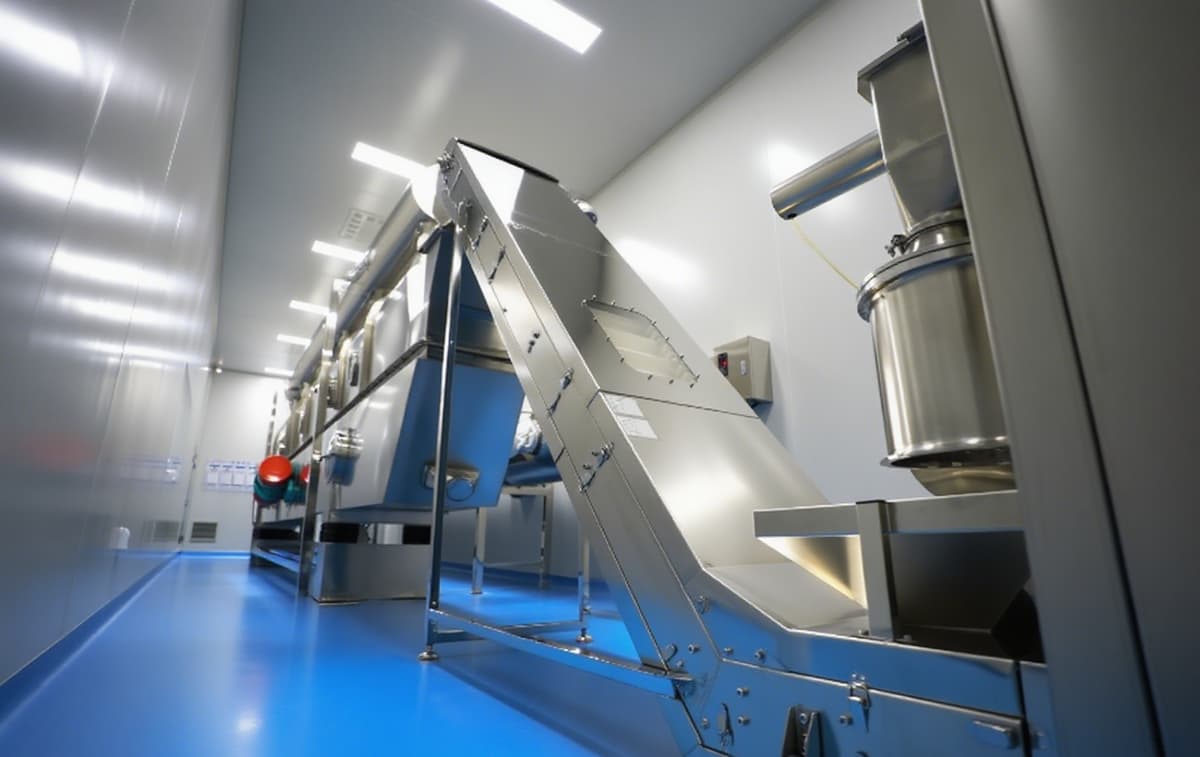
- Drying: Low-temperature spray-drying to help preserve heat-sensitive compounds such as chlorophyll, followed by milling to customer-specified particle size (standard mesh ranges available; custom sizing on request)
- Facility Certifications: GMP-compliant manufacturing, HACCP food safety protocols, ISO 22000 food safety management, with organic and Non-GMO certified production lines available
- Testing Protocol: Each batch is tested for heavy metals (lead, arsenic, cadmium, mercury), pesticide residues, microbiological limits (total plate count, yeast/mold, pathogens including Salmonella and E. coli), and nutritional specifications (protein, chlorophyll content, moisture, ash)
- Documentation: Certificate of Analysis (COA), Certificate of Origin, allergen statements, heavy metal reports, and microbiological test reports provided with every shipment; regulatory support documentation (TSE/BSE-free statements, GMO-free declarations) available for market-specific compliance needs
B2B & Supply Chain
Purecium operates a vertically coordinated supply chain — from cultivation through cell wall processing, drying, milling, and packaging — enabling consistent lot-to-lot quality and reliable lead times for B2B partners.
- Customer Types Served: Distributors, ingredient traders, contract manufacturers (CMO/CDMO), private label supplement brands, and finished-product companies
- Order Flexibility: MOQs suited to both trial/sample orders and large-volume production runs; drum, bag, and bulk container packaging options
- Customization: Particle size adjustment, cell wall-cracking specification, custom packaging/labeling for private label programs, and specification sheets tailored to customer regulatory needs
- Logistics: Export-ready documentation, international shipping coordination, and consistent inventory planning to support long-term supply agreements
- Regulatory Support: Assistance with documentation required for FDA, EFSA, and other regional regulatory submissions, including Novel Food and dietary ingredient compliance references where applicable
Source & Ingredient Identity
Chlorella powder supplied by Purecium is derived from the unicellular green microalga Chlorella vulgaris. The material is cultivated under controlled heterotrophic or mixotrophic conditions in closed bioreactors, which allows for consistent batch-to-batch composition and reduced risk of environmental contaminants compared with open-pond systems. The biomass is harvested as a whole-cell product; it is not an extract or isolate.
Ingredient identity is defined by species-level confirmation and typical compositional markers. The powder consists of dried whole cells and contains protein, lipids, carbohydrates, dietary fiber, chlorophylls, and carotenoids. Commercial specifications generally reference protein content (often 50–60% by weight), total carotenoids, and chlorophyll a and b. Purecium can provide a certificate of analysis (CoA) listing assay results, microbiological limits, heavy metals, and moisture for each lot.
Buyers should note that Chlorella vulgaris is distinct from other Chlorella species and from Spirulina. Identity testing may include microscopic examination and DNA-based methods where required.
Key Characteristics
Chlorella powder is a fine, dark green to olive-green powder with a mild algal odor. Its composition includes a high proportion of protein, with a balanced amino acid profile, plus omega-3 fatty acids (notably alpha-linolenic acid), B-group vitamins, and minerals. The primary active markers used in trade specifications are chlorophylls (typically 1–3% total) and carotenoids, including lutein and beta-carotene. Protein content is commonly specified at 50–60% (Kjeldahl or Dumas method).
The material is largely water-insoluble; it disperses in water but does not form a true solution. For beverage or capsule applications, manufacturers may offer cell-wall-disrupted grades to improve nutrient accessibility. Standard powder is stable when stored in sealed containers away from light, heat, and moisture. Typical shelf life is 18–24 months under recommended conditions. Specification parameters include moisture (≤7%), ash (≤10%), and microbial limits (total plate count, yeast and mold, E. coli, Salmonella).
Manufacturing
Production begins with inoculum preparation and controlled cultivation of Chlorella vulgaris in closed photobioreactors or fermenters. Culture parameters such as temperature, pH, light intensity (for phototrophic systems), and nutrient feed are monitored to maintain consistent growth. Harvesting is performed by centrifugation or filtration, yielding a concentrated biomass slurry.
The biomass is then dried, typically by spray drying or drum drying, to a low moisture content. For cell-wall-disrupted grades, mechanical or enzymatic processing is applied before or after drying to break the rigid cellulose cell wall, improving digestibility and nutrient release. The dried material is milled to a specified particle size and blended for homogeneity.
Quality control includes identity confirmation, proximate analysis, heavy metals, microbiological testing, and marker compound assays. Purecium provides a CoA per lot, and additional documentation such as allergen statements, GMO status, and country of origin can be supplied on request. This supports B2B buyers in meeting regulatory and formulation requirements.