

PURECIUM
PURECIUM
D-Glucosamine HCl
Premium Joint Care Material
D-Glucosamine Hcl
Purecium D-Glucosamine HCl is a fermentation-derived glucosamine ingredient developed for global dietary supplement applications. Unlike conventional glucosamine produced through shellfish-shell hydrolysis, Purecium’s D-Glucosamine HCl uses a fermentation-based production approach, providing an alternative source for brands and manufacturers seeking non-shellfish glucosamine ingredients. Its defined chemical form makes it suitable for joint nutrition formulas, including capsules, tablets, powders and combination products. Purecium supports ingredient distributors, contract manufacturers, private-label supplement producers and finished-product brands with bulk supply, specification support and quality documentation. For customers developing modern joint-health supplements, fermentation-derived D-Glucosamine HCl offers a differentiated sourcing option for global markets.
Product name: D-Glucosamine Hcl
Molecular formula: C6H13NO5 HCl
Starting material: Corn
Grade: Food grade
Heavy Metals: USP
Pesticide residue: USP/EP
Packing size: 25kg/drum
D-Glucosamine Hcl
D-Glucosamine Sulfate 2kcl
N-Acetyl-D-Glucosamine
CAS#: 66-84-2
Molecular weight: 215.63 g/mol
Source: Fermentation
Specification: 99% Titration
Country of origin: China
Residual solvent: USP/EP
Allergen free/Gluten-free/Non-GMO/Vegan/Non-Irradiation

D-Glucosamine HCl Overview
Key Characteristics of D-Glucosamine HCl
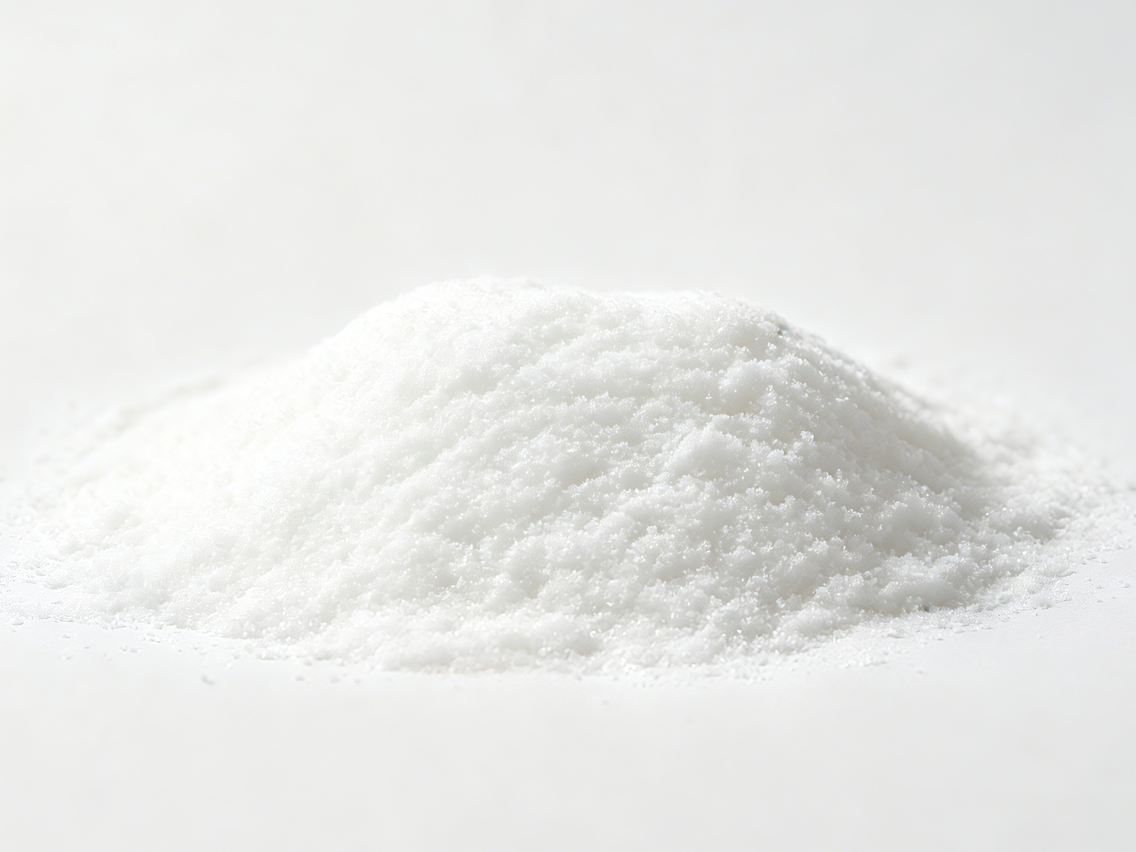
D-Glucosamine Hydrochloride, also known by the synonyms D-glucosamine HCl and 2-amino-2-deoxy-D-glucose hydrochloride, is an amino sugar with the molecular formula C6H13NO5 (hydrochloride salt C6H13NO5·HCl), a molecular weight of 215.63 g/mol and CAS registry number 66-84-2. It is supplied as a white crystalline powder with defined assay, moisture and heavy-metal specifications for dietary supplement manufacturing.
Because it is produced by controlled fermentation rather than hydrolysis of shellfish shells, this D-Glucosamine HCl suits brands developing joint-health products positioned as shellfish-free or vegetarian-friendly, while remaining chemically identical to compendial glucosamine hydrochloride. The fermentation route also gives buyers a consistent, allergen-conscious supply option with full traceability from feedstock to finished batch.
Purecium D-Glucosamine HCl is a fermentation-derived glucosamine hydrochloride ingredient designed for use in dietary supplements and joint nutrition formulations.
Glucosamine is an amino sugar naturally associated with glycosaminoglycan and connective-tissue biology. In supplement products, glucosamine is commonly formulated as a standalone ingredient or combined with ingredients such as chondroitin sulfate, MSM, collagen or other joint-nutrition components.
The key distinction of Purecium D-Glucosamine HCl is its fermentation-derived origin. Instead of relying on conventional glucosamine production through hydrolysis of shrimp, crab or other shellfish shells, Purecium’s D-Glucosamine HCl is produced through a fermentation-based process.
This provides B2B customers with an alternative sourcing route when developing non-shellfish glucosamine supplements or when the origin and production technology of the raw material are important purchasing considerations.
Purecium supplies D-Glucosamine HCl for global dietary supplement supply chains, serving ingredient distributors, contract manufacturers, private-label manufacturers and finished-product brands.
Key characteristics of D-Glucosamine HCl include its crystalline, free-flowing form, good water solubility and neutral organoleptic profile, which simplify blending with other joint-nutrition actives. Release specifications cover identity by infrared spectroscopy, assay by HPLC, moisture content, heavy metals, residual impurities and microbiological limits, with full batch documentation provided to B2B buyers. The powder is stable under ambient storage in sealed food-grade packaging, and its solubility profile supports both solid dosage forms and liquid or powder blend applications.
Source & Ingredient Identity
Product: D-Glucosamine HCl
Source: Fermentation-derived
Production route: Fermentation-based, non-shellfish hydrolysis
Application: Dietary supplement ingredient
Typical dosage forms: Capsules, tablets, powders and combination formulationsFinal specification, assay, microbiological limits, heavy-metal limits, moisture, packaging and other release parameters should be confirmed against the current product specification and batch-specific Certificate of Analysis.
Product Characteristics
Fermentation-derived D-Glucosamine HCl provides several characteristics that are relevant to professional supplement manufacturers:
- Fermentation-derived production route
- Non-shellfish source positioning
- Suitable for dietary supplement formulations
- Compatible with joint nutrition product concepts
- Suitable for standalone or combination formulas
- Designed for professional bulk ingredient supply
- Applicable to global B2B sourcing programs
- Specification and batch documentation available according to customer requirements
For manufacturers comparing glucosamine sources, the production route should be evaluated together with assay, purity, microbiological quality, residual impurities, allergen controls, consistency and documentation rather than by source description alone.
D-Glucosamine HCl Manufacturing
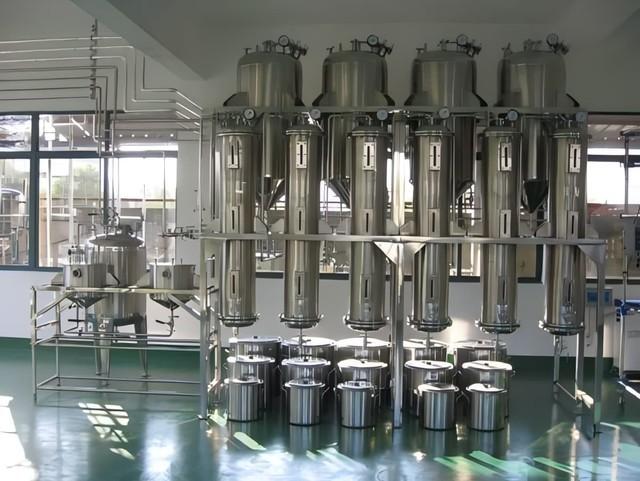
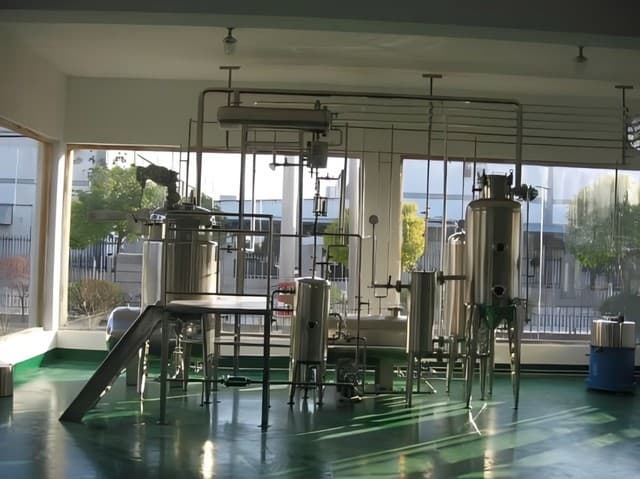
Purecium D-Glucosamine HCl is produced through a controlled fermentation-based manufacturing route rather than conventional shellfish-shell hydrolysis.
The general production concept involves controlled fermentation to generate the target glucosamine intermediate, followed by downstream processing, purification, conversion into the hydrochloride form where applicable, concentration, crystallization or related separation operations, drying and final quality control.
The fermentation route provides a fundamentally different starting-material pathway from shellfish-derived glucosamine. For B2B customers, this distinction can be particularly relevant when developing products that require a non-shellfish source or when supply-chain teams need clearer traceability of the ingredient's origin.
Manufacturing parameters are controlled throughout the process to support consistent product quality between batches. The finished ingredient is then tested against the applicable specification before release.
Applications of D-Glucosamine HCl
Joint Nutrition Supplements
Glucosamine is widely used in joint-health and mobility-oriented supplement formulations. Purecium D-Glucosamine HCl can be used as a core glucosamine ingredient in products positioned around joint nutrition and connective-tissue support.
Capsules and Tablets
D-Glucosamine HCl is suitable for conventional solid dosage formats, including capsules and tablets. It can be formulated as a single active ingredient or combined with complementary joint-nutrition ingredients.
Powder Formulations
Bulk D-Glucosamine HCl can also be incorporated into powder-based supplement products and customized nutritional blends.
Combination Formulas
Glucosamine is frequently formulated alongside ingredients such as chondroitin sulfate, MSM, collagen peptides and other ingredients used in joint-nutrition concepts. Formula developers should evaluate the final combination for dosage, stability, compatibility and regulatory requirements.
Research Background and Biological Mechanism
Glucosamine is a naturally occurring amino sugar involved in biochemical pathways associated with glycosaminoglycan production and extracellular-matrix biology. Because glycosaminoglycans are important components of cartilage and other connective tissues, glucosamine has been investigated extensively in the context of joint structure and osteoarthritis.
Experimental research has proposed several mechanisms through which glucosamine may influence joint-related biology, including effects on extracellular-matrix metabolism, glycosaminoglycan synthesis and inflammatory signaling. However, mechanisms observed in biochemical, cellular or animal models should not automatically be interpreted as demonstrated clinical benefits in humans.
For dietary supplement communication, the appropriate positioning is therefore joint nutrition and connective-tissue support, subject to the regulatory requirements of the target market.
Clinical Research
Glucosamine has been studied extensively in human clinical research, particularly in relation to osteoarthritis and joint symptoms. However, the evidence is not uniform.
Research has evaluated different glucosamine forms, including glucosamine hydrochloride and glucosamine sulfate, and differences in formulation, dosage, study population and product characteristics make direct comparison difficult. Major evidence reviews have reported inconsistent outcomes, while some clinical guidelines have recommended against glucosamine for osteoarthritis because of insufficient or inconsistent evidence.
For this reason, Purecium does not position D-Glucosamine HCl as a treatment for osteoarthritis. Instead, the ingredient is supplied as a raw material for dietary supplement manufacturers developing products positioned around joint and mobility nutrition.
Manufacturing & Quality Control
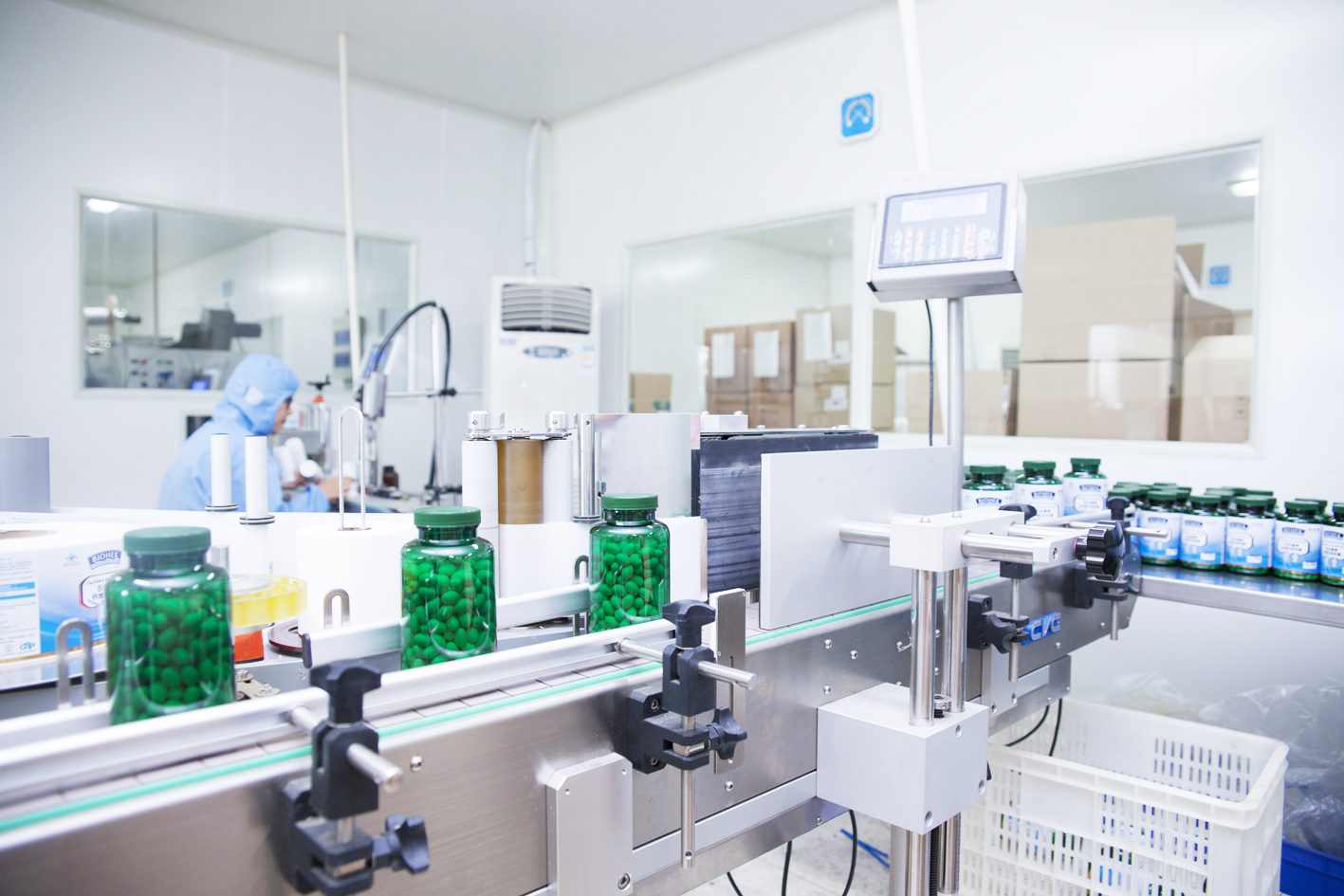
For B2B ingredient customers, quality control extends beyond the final assay value. Important quality considerations for D-Glucosamine HCl include:
- Raw-material and fermentation-process control
- Process consistency
- Purification control
- Final identity and assay
- Moisture control
- Microbiological testing
- Heavy-metal testing
- Residual impurity control
- Batch-to-batch consistency
- Packaging integrity
- Storage and shelf-life evaluation
- Batch-specific Certificate of Analysis
Customers may also require additional documentation according to destination market, finished-product category and internal supplier-qualification procedures.
D-Glucosamine HCl for B2B Supplement Manufacturing
Purecium D-Glucosamine HCl is supplied as a professional dietary supplement ingredient rather than a finished consumer product.
The ingredient is intended for:
- Dietary supplement ingredient distributors
- Contract manufacturers
- Private-label supplement manufacturers
- Finished-product brands
- Joint-health and mobility nutrition brands
- Global supplement formulators
Purecium supports B2B customers with product specifications, quality documentation, bulk ingredient supply and application-oriented communication.
For distributors, a fermentation-derived D-Glucosamine HCl provides a differentiated product story compared with conventional shellfish-derived glucosamine. For manufacturers and brands, it offers an alternative ingredient source for non-shellfish glucosamine formulations intended for global dietary supplement markets.
Standard commercial packaging for D-Glucosamine HCl is 25 kg fiber drums with food-grade polyethylene liners, and MOQs are structured for contract manufacturing volumes. Orders are dispatched from Purecium logistics hubs within 3 to 5 business days by air or sea freight, and every lot ships with a Certificate of Analysis, SDS, non-GMO declaration and shellfish-free statement for regulatory and customer documentation. Sample quantities for R&D evaluation are available on request, and the technical team supports formulation and stability questions during supplier qualification.
Why Source D-Glucosamine HCl from Purecium?
Purecium combines a fermentation-derived D-Glucosamine HCl source with B2B ingredient supply support for international dietary supplement customers.
The key value proposition is not simply the glucosamine ingredient itself, but the combination of:
Fermentation-derived source + non-shellfish positioning + defined glucosamine form + quality control + B2B supply support.
This makes Purecium D-Glucosamine HCl a suitable sourcing option for distributors, contract manufacturers and supplement brands looking for a differentiated glucosamine ingredient for modern joint-nutrition products.
Reviewed by the Chief Quality Assurance / Regulatory Affairs Specialist at Purecium for technical accuracy and regulatory alignment.