

PURECIUM
PURECIUM
Chondroitin Sulfate
Trusted Joint Support, Species-Verified Origin
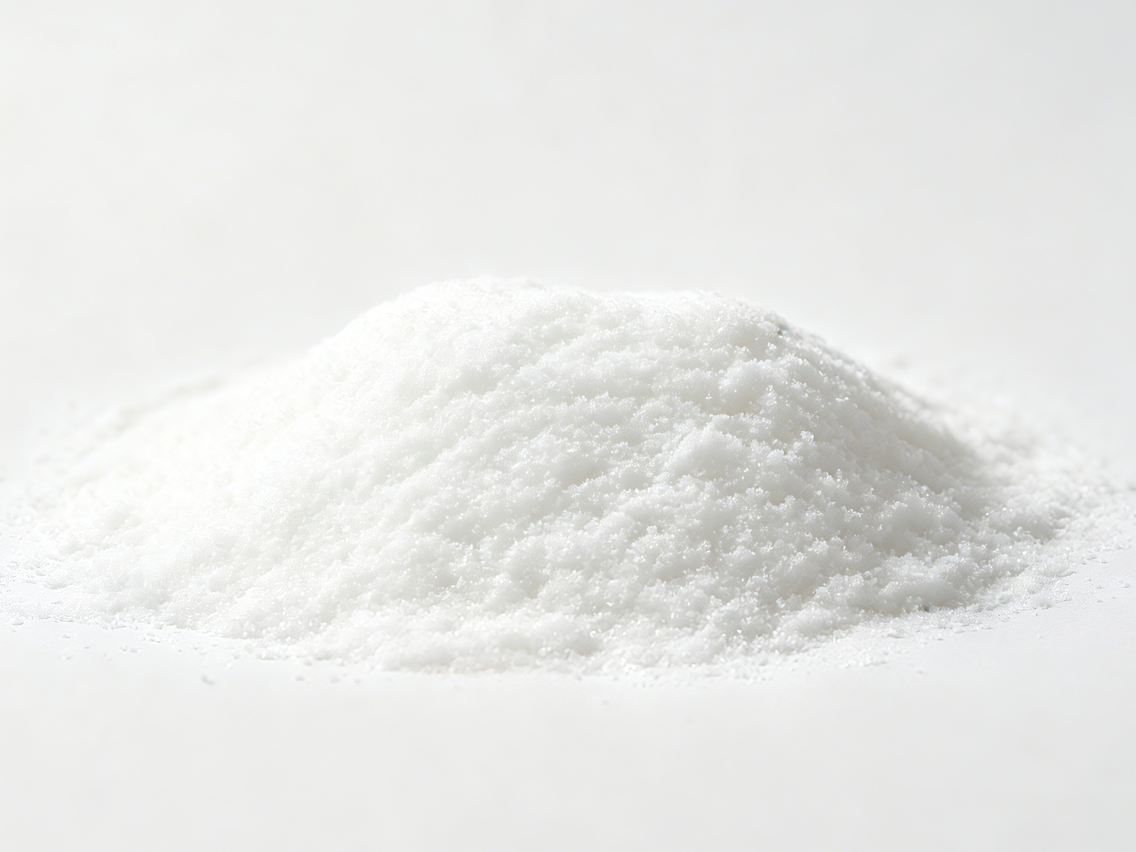
Chondroitin Sulfate
Purecium supplies pharmaceutical-grade Chondroitin Sulfate engineered for dietary supplement manufacturers, distributors, and private label brands worldwide. Sourced from carefully verified bovine or avian raw materials and processed under strict extraction and purification protocols, our Chondroitin Sulfate delivers consistent molecular weight distribution, sulfation ratio, and potency in compliance with USP and EP compendial standards. Every lot ships with a full Certificate of Analysis covering species identity, heavy metals, microbiological limits, and assay potency, along with TSE/BSE-free documentation for regulatory readiness across the US, EU, and international markets. Purecium's scalable supply chain and rigorous quality system make us a dependable long-term ingredient partner for joint health formulations.
Product name: Chondroitin Sulfate
Molecular formula: (C14H19NO14SNa2)n
Starting material: Cartilage
Grade: Food grade
Heavy Metals: USP
Pesticide residue: USP/EP
Packing size: 25kg/drum
CAS#: 9082-07-9
Molecular weight: 15,000–45,000 Da
Source: Shark, Bovine, Chicken, Porcine
Specification: 99% Titration
Country of origin: China
Residual solvent: USP/EP
Allergen free/Gluten-free/Non-GMO/Non-Irradiation

Chondroitin Sulfate Overview
Purecium Chondroitin Sulfate is a naturally occurring glycosaminoglycan (GAG) raw material, produced specifically for use in dietary supplements, functional foods, and joint health formulations targeting the global mobility and cartilage support category. As a B2B ingredient supplier, Purecium serves distributors, contract manufacturers (CMOs/CDMOs), and finished-product brands that require a compendial-grade, well-documented Chondroitin Sulfate source for capsules, tablets, powders, and combination formulations — most commonly paired with Glucosamine, MSM, or Collagen in finished joint health products.
Chondroitin Sulfate occurs naturally as a structural component of cartilage tissue in animals, where it exists bound to core proteins as part of larger proteoglycan complexes. For commercial ingredient production, Chondroitin Sulfate is extracted and purified from cartilage-rich animal tissue — most commonly bovine (cattle) tracheal cartilage, with avian (poultry) and porcine sources also used depending on regional regulatory and religious dietary requirements. The extracted material undergoes purification, depolymerization control, and standardization to produce a consistent, compendial-grade powder suitable for supplement manufacturing.
Chondroitin Sulfate is also referenced in technical literature and monograph texts under synonyms such as chondroitin 4-sulfate, chondroitin 6-sulfate and CSA, reflecting the variable sulfation positions along the polysaccharide chain. At the molecular level, the ingredient is a linear polysaccharide built from alternating glucuronic acid and N-acetylgalactosamine disaccharide units, and a single commercial chain may contain well over one hundred monosaccharide residues. Because chain length and sulfation pattern influence solution viscosity, assay response and functional behavior, Purecium releases every production lot against a Certificate of Analysis with assay determined by the current USP chondroitin sulfate monograph procedure.
Source and processing also shape the final molecular profile. Chondroitin Sulfate from terrestrial cartilage sources such as bovine tracheal cartilage typically presents a molecular weight below 45 kDa, while marine-derived material such as shark cartilage can reach chain weights approaching 70 kDa. Purecium selects and qualifies cartilage supply streams with documented species origin and TSE/BSE-free certification, then converts the raw material through controlled extraction, enzymatic digestion, purification and drying steps under cGMP conditions to deliver a consistent white to off-white powder.
Beyond assay, Purecium reports complementary quality parameters on request, including pH of solution, protein residue, heavy metals, residual solvents and full microbial limits, following USP and European Pharmacopoeia compendial expectations for this ingredient class. Formulators typically use Chondroitin Sulfate in tablets, hard capsules, sachets and combination joint-health powders, where its water solubility and compatibility with standard excipients simplify downstream processing; Purecium technical support assists with stability screening and specification alignment for these finished formats.
Identity verification for each Chondroitin Sulfate lot combines infrared spectroscopy against a compendial reference spectrum with enzymatic digestion assays using chondroitinase, which release characteristic unsaturated disaccharides that are then quantified by HPLC. These techniques, together with the viscosity and pH checks noted above, allow Purecium to certify both identity and functional consistency of the polysaccharide before release. Buyers receive this documentation as part of the standard COA package, and supplementary specifications such as particle size distribution, bulk density and sulfate content can be agreed during qualification for dedicated formulations.
Source & Ingredient Identity
- Source Material: Bovine tracheal cartilage (primary), with avian and porcine cartilage sources available depending on customer requirements
- Species Verification: Source species confirmed through validated identity testing methods to support regulatory documentation and prevent species substitution or adulteration
- Compendial Standard: Manufactured to meet USP (United States Pharmacopeia) and/or EP (European Pharmacopoeia) monograph specifications for Chondroitin Sulfate Sodium
- Appearance: White to off-white, fine crystalline or amorphous powder
- Assay/Potency: Typically 90–105% (USP/EP compendial range, batch-specific)
- Molecular Weight: Standardized within a defined range consistent with compendial requirements, verified via viscometry or chromatographic methods
- Sulfation Pattern: Composed primarily of chondroitin-4-sulfate and chondroitin-6-sulfate in ratios that vary depending on source tissue and species
- Solubility: Freely soluble in water; practically insoluble in most organic solvents
- Allergen Status: Free from gluten, soy, dairy protein, and shellfish (note: as an animal cartilage-derived ingredient, Chondroitin Sulfate is not suitable for vegan or vegetarian formulations)
- Packing Options: 25kg drums or fiber drums; custom packaging available for private label programs
Key Characteristics of Chondroitin Sulfate
- Compendial compliance: Manufactured and tested against USP and EP monograph parameters, a baseline expectation for Chondroitin Sulfate used in regulated supplement markets, given the ingredient's history of quality and adulteration scrutiny in the global raw material trade
- Molecular weight consistency: Batch-to-batch molecular weight distribution is a key quality parameter, as it relates to compendial identity testing and can influence formulation behavior in liquid or gel-based delivery formats
- Source traceability: Given documented industry history of species substitution and quality variability in Chondroitin Sulfate raw material sourcing, species identity verification and full supply chain traceability are considered essential due-diligence points for B2B buyers
- Solubility and formulation behavior: Freely water-soluble, making it suitable for both dry-fill capsule/tablet applications and liquid or effervescent joint health formats
- Combination formulation compatibility: Commonly formulated alongside Glucosamine Sulfate/HCl, MSM, Hyaluronic Acid, Collagen Peptides, and Type II Collagen in multi-ingredient joint health and mobility support products
Manufacturing / Production Process
- Raw Material Sourcing & Verification: Cartilage tissue is sourced from approved, traceable supply channels, with species identity confirmed prior to processing
- Extraction: Cartilage tissue undergoes controlled extraction to release the Chondroitin Sulfate-containing proteoglycan fraction from the surrounding connective tissue matrix
- Purification: The extracted material undergoes enzymatic and physical purification steps to remove protein, lipid, and other non-target biological material, isolating the Chondroitin Sulfate polysaccharide fraction
- Depolymerization Control & Standardization: Processing parameters are controlled to standardize molecular weight distribution within the target compendial range
- Precipitation & Drying: The purified Chondroitin Sulfate is precipitated, washed, and dried under controlled conditions to yield a stable powder
- Milling & Standardization: The dried material is milled and standardized to meet target assay/potency specifications, often through blending of production lots to achieve consistent final potency
- Quality Testing & Packaging: Each batch undergoes full compendial testing prior to packaging in accordance with facility quality protocols
Primary Applications
Chondroitin Sulfate is used across the dietary supplement and functional food industries for the following categories:
- Joint health and mobility support formulations — the primary and most widely recognized application category, typically formulated in combination with Glucosamine and other cartilage-supportive ingredients
- Sports nutrition and active-lifestyle formulations — positioned toward consumers with joint stress from high-impact physical activity
- Aging and senior wellness formulations — one of the most established ingredient categories within the broader healthy-aging and mobility supplement segment
- Combination cartilage-support products — frequently paired with MSM, Hyaluronic Acid, Collagen Type II, and Boswellia extract in multi-mechanism joint formulations
- Topical and oral combination products — while primarily used in oral dosage forms, Chondroitin Sulfate also appears in some topical joint-support formulations at the finished-product level
Published research in the joint health and rheumatology-adjacent nutrition literature has examined Chondroitin Sulfate's role as a structural component of articular cartilage, where it is understood to contribute to the water-retention and compressive resilience properties of cartilage tissue via its high negative charge density and water-binding capacity within the extracellular matrix. A substantial body of published clinical research, including studies referenced in general osteoarthritis management literature, has evaluated oral Chondroitin Sulfate supplementation, often in combination with Glucosamine, for its association with joint comfort and mobility outcomes in study populations, with some published meta-analyses reporting modest but statistically documented benefits on measures such as joint pain scores and functional mobility indices over supplementation periods typically ranging from several weeks to multiple months. It's important to note that Chondroitin Sulfate is regulated as a dietary supplement ingredient in most markets (with prescription/medical device status in certain EU countries), not as a drug in the US, and Purecium does not make disease-treatment or diagnostic claims; any health-related positioning should be substantiated independently by the brand owner in accordance with the regulatory framework of their target market (e.g., FDA DSHEA in the US, EFSA and applicable EU member-state regulations for the EU).
Mechanism of Action
At a compositional level, Chondroitin Sulfate's functional properties are generally attributed to the following factors:
- Structural role in cartilage extracellular matrix — as a glycosaminoglycan component of aggrecan proteoglycan complexes, Chondroitin Sulfate is understood to contribute to cartilage's ability to retain water and resist compressive load, properties commonly referenced in the general orthopedic nutrition literature as central to healthy joint cartilage function.
- Negative charge density and water retention — the sulfate groups along the Chondroitin Sulfate polysaccharide chain confer a high negative charge density, which is generally understood to draw and retain water within the cartilage matrix, contributing to cartilage's characteristic cushioning and shock-absorbing properties.
- Substrate and building-block role — Chondroitin Sulfate is referenced in the literature as a naturally occurring substrate potentially relevant to cartilage matrix maintenance processes, a mechanism frequently cited alongside Glucosamine (a precursor in glycosaminoglycan synthesis pathways) in combination joint health formulations.
These mechanisms are described at a general, literature-referenced level; Purecium does not attribute specific clinical outcomes to its ingredient and encourages brand partners to consult current regulatory guidance for claims substantiation in their target markets.
Production & Quality Control
Purecium's Chondroitin Sulfate is manufactured under a quality system designed to meet the stringent documentation and consistency requirements of the global joint health supplement category:
- Facility Certifications: GMP-compliant manufacturing, HACCP food safety protocols, ISO 22000 food safety management
- Species Identity Testing: Validated methods used to confirm source species and detect potential adulteration or substitution, a particularly important quality control point for Chondroitin Sulfate given documented industry history around this issue
- Compendial Testing Protocol: Each batch is tested against USP/EP monograph parameters including assay/potency, molecular weight distribution, sulfation ratio, and identity confirmation
- Contaminant Testing: Heavy metals (lead, arsenic, cadmium, mercury), residual protein content, microbiological limits (total plate count, yeast/mold, pathogens including Salmonella and E. coli), and residual solvent testing where applicable
- TSE/BSE Documentation: Certification confirming compliance with Transmissible Spongiform Encephalopathy / Bovine Spongiform Encephalopathy risk mitigation protocols for animal-derived raw materials, a standard requirement for bovine-sourced Chondroitin Sulfate in most regulated markets
- Documentation: Certificate of Analysis (COA), Certificate of Origin, species verification documentation, TSE/BSE-free certification, heavy metal reports, and microbiological test reports provided with every shipment; additional regulatory support documentation available for market-specific compliance needs
Chondroitin Sulfate for B2B Supplement Manufacturing
Purecium operates a coordinated supply chain — from verified raw cartilage sourcing through extraction, purification, standardization, and packaging — enabling consistent lot-to-lot quality and reliable lead times for B2B partners in the joint health category.
- Customer Types Served: Distributors, ingredient traders, contract manufacturers (CMO/CDMO), private label joint health and sports nutrition brands, and finished-product companies
- Order Flexibility: MOQs suited to both trial/sample orders and large-volume production runs; drum packaging with custom labeling available
- Customization: Potency/assay grade selection, particle size adjustment, custom packaging/labeling for private label programs, and specification sheets tailored to customer regulatory needs
- Logistics: Export-ready documentation, international shipping coordination, and consistent inventory planning to support long-term supply agreements
- Regulatory Support: Assistance with documentation required for FDA, EFSA, and other regional regulatory submissions, including TSE/BSE risk documentation and species verification support for markets with heightened scrutiny of animal-derived raw materials
How does bulk Chondroitin Sulfate compare with glucosamine sulfate, MSM, and hyaluronic acid in specification, dosing, handling, and regulatory status for B2B formulation?
Chondroitin sulfate is a sulfated glycosaminoglycan typically extracted from bovine or porcine cartilage, with a CAS number of 9007-28-7. It is commonly standardized to 90% purity by HPLC or CPC titration, and bulk material is supplied as a white to off-white powder. In contrast, glucosamine sulfate (CAS 29031-19-4) is a small amino sugar salt, usually derived from shellfish exoskeletons and standardized to 99% purity. MSM (methylsulfonylmethane, CAS 67-71-0) is a small organosulfur molecule with high purity (>99.9%) and is chemically synthesized. Hyaluronic acid (CAS 9004-61-9) is a high-molecular-weight polysaccharide, often produced by fermentation, with molecular weight ranges from 0.8 to 2.0 MDa. These differences affect formulation: chondroitin sulfate and hyaluronic acid are large, hydrophilic polymers, while glucosamine sulfate and MSM are small, highly water-soluble molecules. Typical daily doses in finished products differ. Chondroitin sulfate is used at 800–1,200 mg/day, often in combination with glucosamine. Glucosamine sulfate is dosed at 1,500 mg/day (as sulfate salt). MSM is used at 1,500–3,000 mg/day. Hyaluronic acid is dosed much lower, typically 100–200 mg/day for oral applications. For bulk handling, chondroitin sulfate powder is hygroscopic and should be stored in sealed containers at 15–25°C, protected from moisture. Glucosamine sulfate is also hygroscopic and may require desiccant packaging. MSM is stable and non-hygroscopic, simplifying storage. Hyaluronic acid is highly hygroscopic and prone to microbial growth if not kept dry; it often requires cold storage. Solubility: chondroitin sulfate is freely soluble in water, forming viscous solutions; glucosamine sulfate is very soluble; MSM is soluble up to ~30% w/w; hyaluronic acid forms gels at low concentrations. Regulatory status varies by region. In the EU, chondroitin sulfate is permitted in food supplements under the Food Supplements Directive, but health claims are restricted. Glucosamine sulfate and MSM are also used in supplements, with MSM recently approved as a novel food in the EU. Hyaluronic acid is authorized as a novel food ingredient in the EU for specific uses. In the US, all four are marketed as dietary ingredients under DSHEA, though chondroitin sulfate and glucosamine are not GRAS for conventional foods. Documentation for bulk B2B transactions typically includes Certificate of Analysis, MSDS, and allergen statements. Chondroitin sulfate may require documentation on origin (bovine/porcine) and viral safety. Glucosamine sulfate requires shellfish allergen declaration. MSM and hyaluronic acid generally have simpler documentation, but hyaluronic acid may need molecular weight specification and microbial limits.Comparison in table form.
The table below sets out the parameters that determine how each material is specified, dosed and documented in a finished formulation.Parameter
Chondroitin Sulfate
Glucosamine sulfate
MSM
CAS number
9007-28-7
29031-19-4
67-71-0
Chemical class
Sulfated glycosaminoglycan
Amino sugar sulfate salt
Organosulfur compound
Typical dose
800-1200 mg/day
1500 mg/day
1500-3000 mg/day
Solubility
Freely soluble in water
Very soluble in water
Soluble up to ~30% w/w
Stability
Hygroscopic; store dry
Hygroscopic; store dry
Stable; non-hygroscopic
Regulatory status
Food supplement (EU); DSHEA (US)
Food supplement (EU); DSHEA (US)
Novel food (EU); DSHEA (US)
Supply form
White to off-white powder
White crystalline powder
White crystalline powder
Documentation
CoA, MSDS, origin, viral safety
CoA, MSDS, shellfish allergen
CoA, MSDS, allergen statement