

Hydrolyzed Collagen Type II Powder
Joint Comfort Mobility Protein Support
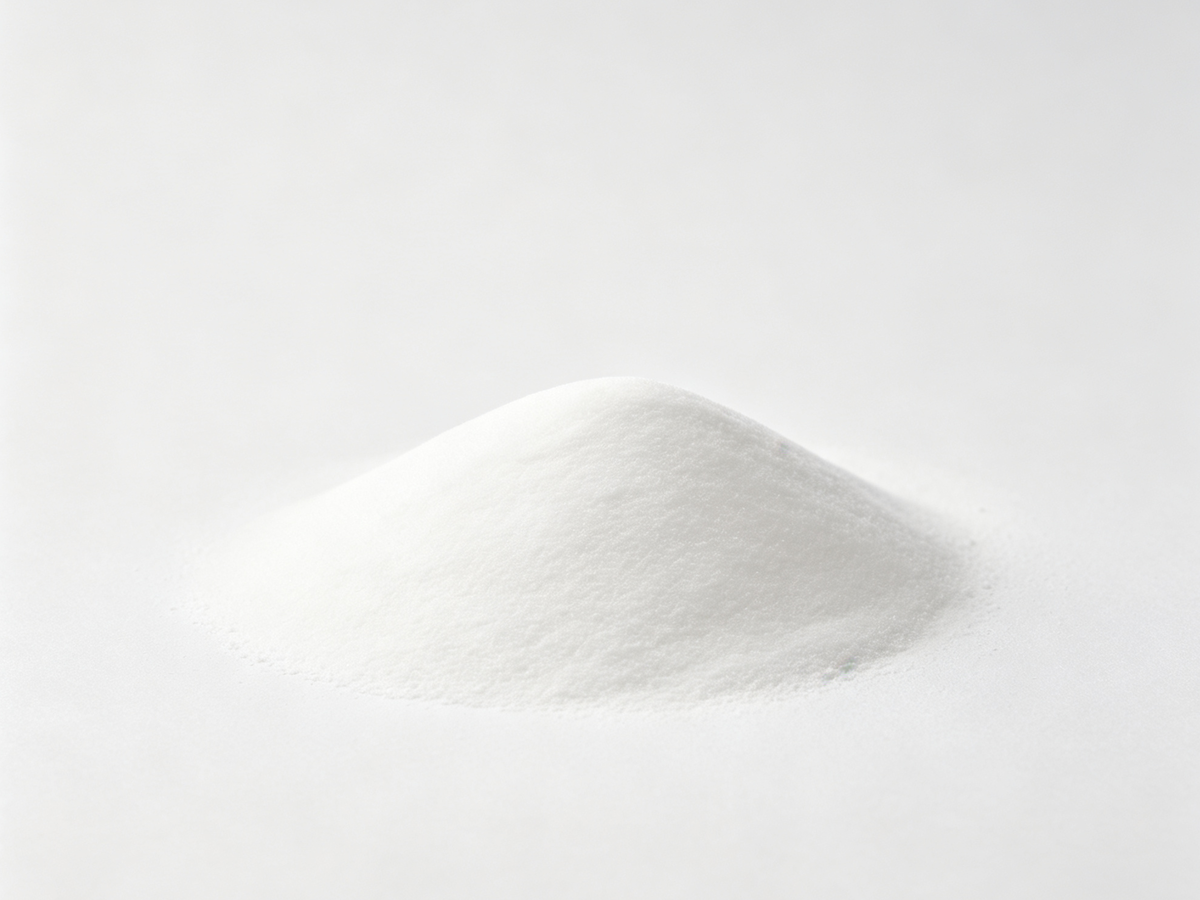
Collagen Type II
Purecium Collagen Type II is hydrolyzed type II collagen derived from chicken sternum cartilage, supplied as a B2B bulk protein ingredient for joint-health, mobility and recovery supplement programs. As a fibrillar protein, collagen has no single CAS registry number or molecular formula; the product is specified by collagen content, protein level and molecular-weight profile instead. Offered at 60% minimum type II collagen, it is produced by controlled enzymatic hydrolysis in China, is allergen-free, non-GMO and non-irradiated, and is packed in 25 kg drums with a 25 kg minimum order and full COA documentation.
Buyer snapshot: MOQ 25 kg; free samples with COA; FOB Hong Kong / CIF / DDP; stock held in the United States; stock held in the Netherlands (EU); 2-day pickup for North America; per-batch COA / TDS / SDS; quotation response within 12 business hours. Quotation on request, samples dispatched worldwide.
Product name: Hydrolyzed Collagen Type II (60%)
Molecular formula: Not applicable (fibrillar protein/peptide mixture)
Starting material: Chicken sternum cartilage (enzymatic hydrolysis)
Grade: Food-grade hydrolyzed protein (collagen >=60%)
Heavy Metals: Conforms to USP/EP limits
Pesticide residue: Conforms to USP/EP limits
Packing size: 25kg/drum
CAS#: Not applicable (protein, no single CAS RN)
Molecular weight: Peptide mixture (MW distribution on COA)
Source: Chicken sternum cartilage hydrolysis; China
Specification: Type II collagen >=60% (hydroxyproline method); protein >=90%
Country of origin: China
Residual solvent: Conforms to USP/EP limits
Allergen free/Gluten-free/Non-GMO/Vegan/Non-Irradiation:

Collagen Type II Overview
Collagen Type II is the principal structural protein of articular cartilage, where it forms the fibrillar framework that gives cartilage its tensile strength, and it is the collagen type most studied in the context of joint health. As a protein rather than a single small molecule, hydrolyzed collagen type II has no single CAS registry number or molecular formula; commercial products are characterized by collagen content, degree of hydrolysis and molecular-weight distribution, and by the animal tissue source.
For the dietary-supplement industry, hydrolyzed type II collagen is used in joint-comfort and mobility products, where it is frequently combined with glucosamine, chondroitin sulfate and MSM, and peer-reviewed research has examined both native (undenatured) and hydrolyzed type II collagen in joint-health contexts. Purecium supplies Hydrolyzed Collagen Type II as a B2B raw material for distributors, contract manufacturers, private-label producers and finished supplement brands, at 60% minimum collagen content from chicken sternum cartilage.
Source & Ingredient Identity
Purecium Hydrolyzed Collagen Type II is derived from chicken sternum cartilage, which is the standard commercial tissue source of type II collagen because of its high cartilage content. The cartilage is cleaned, defatted and subjected to controlled enzymatic hydrolysis, which breaks the native triple-helical collagen into soluble peptides while retaining the type II collagen identity; the hydrolysate is then filtered, concentrated and spray-dried to a free-flowing powder.
Because collagen is a fibrillar protein, identity is established by source, by amino-acid profile and by analytical markers rather than by a chemical formula. Collagen content is determined by hydroxyproline-based assay, protein content by Kjeldahl nitrogen analysis, and the molecular-weight profile of the peptide hydrolysate by gel-permeation chromatography, with each declared on the specification sheet and batch Certificate of Analysis.
Key Characteristics of Collagen Type II
1. Cartilage-specific collagen with joint-health relevance. Type II collagen is the dominant collagen of articular cartilage, which is why it is the collagen type used in joint-comfort research and products. Hydrolysis converts it into low-molecular-weight, water-soluble peptides with good incorporation properties, while its cartilage-specific identity differentiates it from skin-derived type I collagen peptides used mainly for beauty-from-within applications.
2. Defined by content and protein quality rather than by a chemical formula. As a protein, collagen type II is specified by minimum collagen content (60% in the Purecium standard grade), total protein, moisture, ash, heavy metals and microbiology, with identity supported by amino-acid composition rich in glycine, proline and hydroxyproline. This specification framework is standard for protein ingredients and should be confirmed on the COA.
3. Clean, versatile powder profile for joint formulas. The hydrolyzed powder is off-white to cream, with a neutral taste and good solubility in warm water, which suits capsules, tablets, sachets and functional foods. It is allergen-free, non-GMO, non-irradiated and suitable for halal and kosher programs, and it blends readily with glucosamine, chondroitin and MSM in standard joint-health formulas.
Collagen Type II Manufacturing
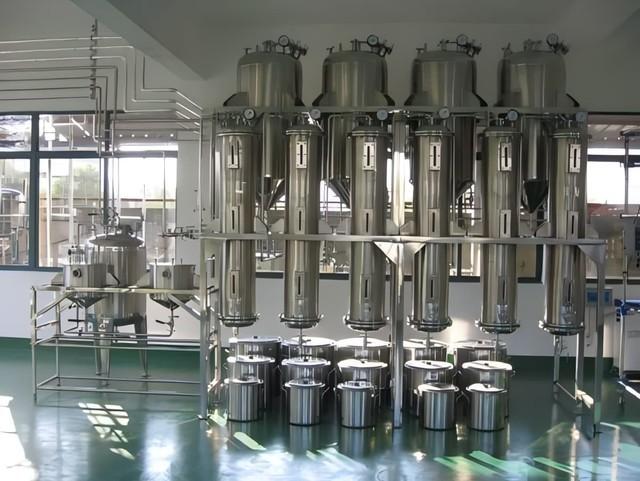
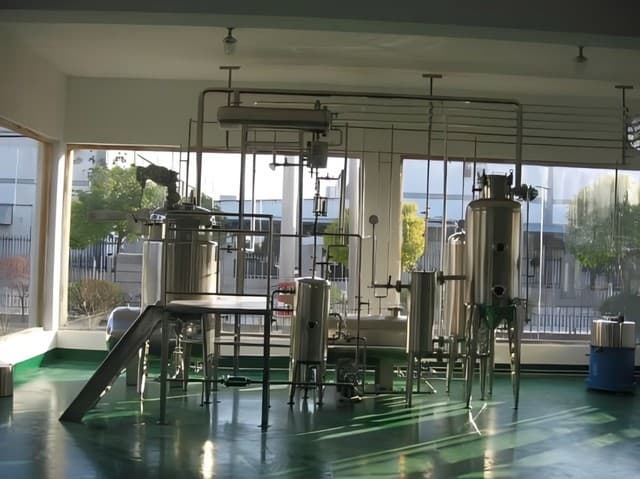
Production begins with inspection of chicken sternum cartilage from controlled poultry processing, followed by cleaning, defatting and milling. The cartilage is then subjected to controlled enzymatic hydrolysis at defined temperature and pH, which solubilizes the collagen as peptides while preserving the type II character; the hydrolysate is filtered, decolorized, concentrated and spray-dried under hygienic conditions.
Finished lots are tested for collagen content by hydroxyproline-based assay, protein content, moisture, ash, heavy metals, microbiology and organoleptic properties, with the molecular-weight profile of the peptides documented by gel-permeation chromatography. Analytical methods follow recognized food-protein procedures and general chapters of the USP-NF and AOAC where applicable, and results are reported on the batch Certificate of Analysis.
Applications of Collagen Type II
Joint-health and mobility formulas are the primary application. Hydrolyzed type II collagen is typically combined with glucosamine HCl, chondroitin sulfate and MSM in joint-comfort products, where the type II collagen component addresses the cartilage-specific collagen pool. Peer-reviewed research on type II collagen in joint contexts includes both undenatured low-dose formats and hydrolyzed formats, and finished-product communication should stay within structure/function language.
Recovery and active-lifestyle products form the second cluster, pairing collagen type II with other proteins and anti-inflammatory actives for sports and aging populations, and it appears in sachets, ready-to-mix powders and capsules. Formulators should note that halal and kosher status depends on the tissue source and processing certification, and that collagen proteins require appropriate label declarations of the animal source in some markets.
Manufacturing & Quality Control
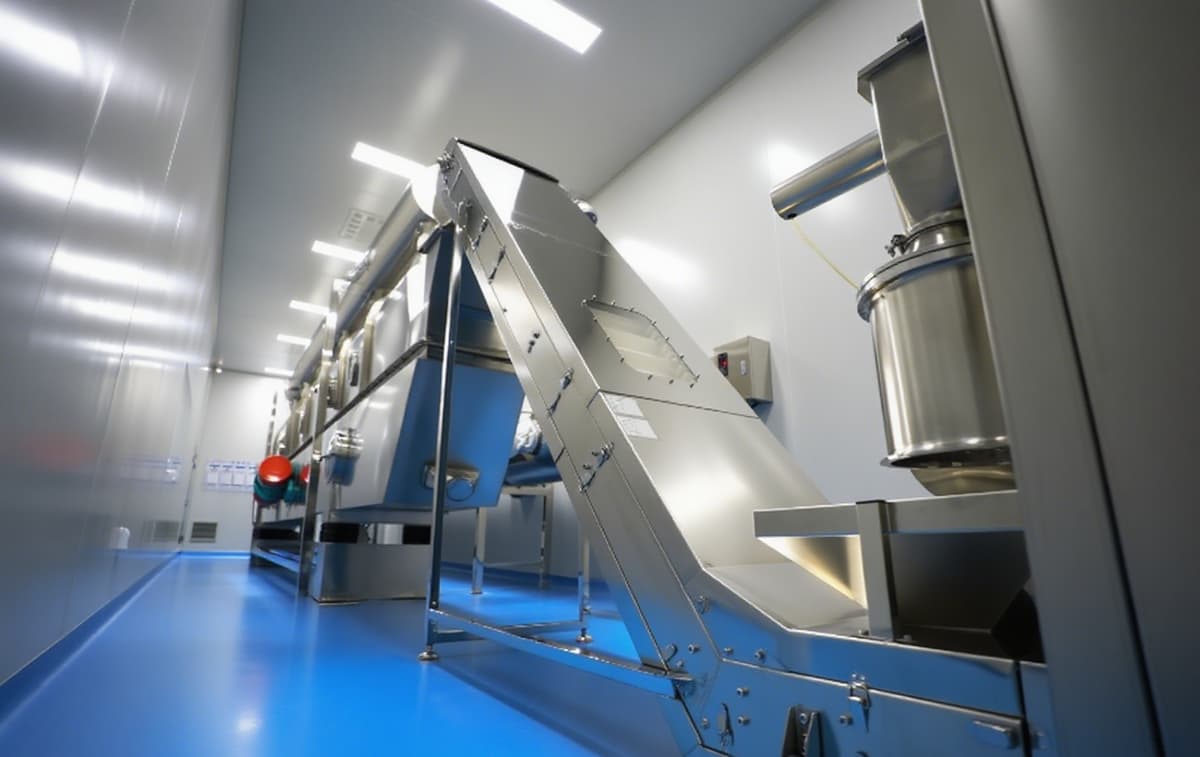
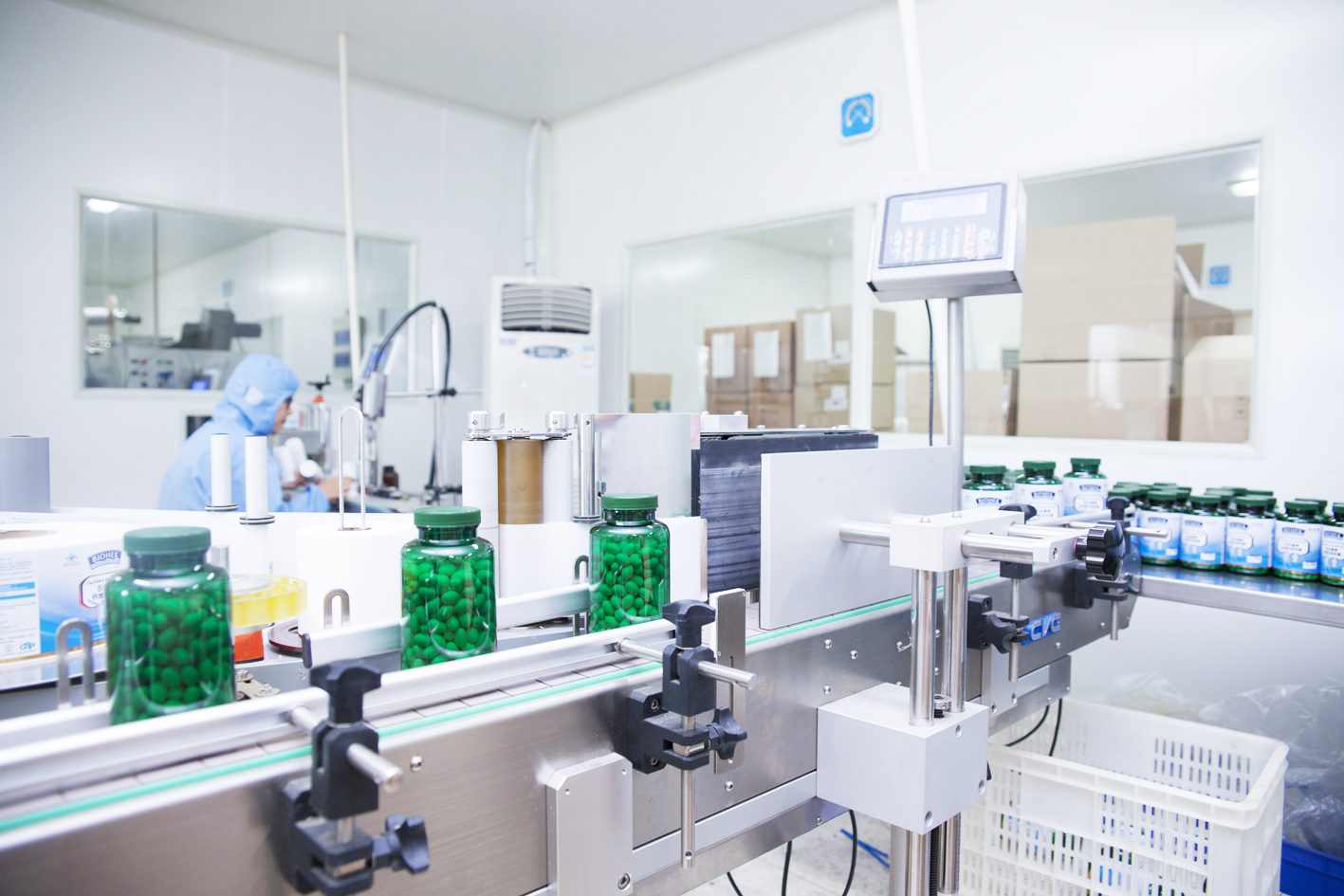
Purecium Hydrolyzed Collagen Type II is produced in facilities operating under ISO 9001 and FSSC 22000 certified quality systems, with Kosher and Halal certification available. Every lot is tested for collagen content, protein, moisture, ash, heavy metals, microbiology and physical properties, and the raw cartilage is screened for identity, source traceability and contaminants before hydrolysis.
Each commercial lot is traceable from poultry-source intake through hydrolysis and drying to the finished drum, and every batch is released on a Certificate of Analysis documenting collagen and protein content, molecular-weight profile and full quality data. Purecium also provides the specification sheet, SDS, allergen and gluten statements, non-GMO declarations, source documentation and stability data on request.
Collagen Type II for B2B Supplement Manufacturing
Purecium supplies Hydrolyzed Collagen Type II exclusively as a B2B raw material for distributors, contract manufacturers, private-label producers and finished supplement brands. The minimum order quantity is 25 kg; the product is packed in 25 kg drums with food-grade polyethylene inner bags, and samples with full documentation are available before commitment. Marine collagen peptides (90% protein, 20 kg bags) and bovine collagen peptides (90% protein, 20 kg bags) are available on request for brands needing skin or general protein positioning.
For North American customers, inventory is staged at Purecium's US warehouse, enabling pickup or delivery within approximately two days. Global delivery covers Hong Kong, mainland China, the EU and other regions, with export documentation prepared for every shipment, and Purecium provides specification and application guidance plus technical and regulatory communication to support formulation in each destination market.
Reviewed by the Chief Quality Assurance / Regulatory Affairs Specialist at Purecium for technical accuracy and regulatory alignment.
How does bulk collagen compare with collagen peptides, bovine gelatin and eggshell membrane in specification, dosing, handling and regulatory terms?
Collagen as a bulk ingredient refers to native, largely intact type I collagen, typically derived from bovine or porcine hide. Its CAS number is 9007-34-5. Collagen peptides are hydrolysed collagen with lower molecular weight, typically 2–10 kDa, and the same CAS number. Bovine gelatin is partially hydrolysed collagen, CAS 9000-70-8, with higher molecular weight and gelling functionality. Eggshell membrane is a natural matrix containing type I collagen, glycosaminoglycans and other proteins; it does not have a single CAS number and is usually standardised by protein content. For dosing, native collagen is used at 500–2000 mg per day in capsules or tablets, while collagen peptides are dosed at 2.5–10 g per day in powders and beverages. Bovine gelatin is used at 2–10 g per day, mainly in gummies and softgels. Eggshell membrane is dosed at 300–500 mg per day. Solubility differs: native collagen is insoluble in water, collagen peptides are fully soluble, bovine gelatin requires hot water and gels on cooling, and eggshell membrane is insoluble. Stability: native collagen and eggshell membrane are stable as dry powders; collagen peptides are stable but may clump if exposed to moisture; gelatin gels are thermoreversible. Regulatory status: collagen, collagen peptides and gelatin are generally recognised as safe (GRAS) in the US and permitted as food ingredients in the EU. Eggshell membrane is authorised as a novel food in the EU under Regulation (EU) 2015/2283. Supply forms: native collagen is typically a fine powder, collagen peptides a free-flowing powder, bovine gelatin a granular powder, and eggshell membrane a fine powder. Documentation for all includes certificate of analysis, safety data sheet, and allergen statement; eggshell membrane may require additional novel food compliance documentation.Comparison in table form.
The table below sets out the parameters that determine how each material is specified, dosed and documented in a finished formulation.Parameter
Collagen
Collagen peptides
Bovine gelatin
CAS number
9007-34-5
9007-34-5
9000-70-8
Chemical class
Native protein
Hydrolysed protein
Partially hydrolysed protein
Typical dose
500-2000 mg/day
2.5-10 g/day
2-10 g/day
Solubility
Insoluble in water
Fully soluble
Soluble in hot water
Stability
Stable as dry powder
Stable, hygroscopic
Thermoreversible gel
Regulatory status
GRAS, EU food
GRAS, EU food
GRAS, EU food additive
Supply form
Fine powder
Free-flowing powder
Granular powder
Documentation
CoA, SDS, allergen
CoA, SDS, allergen
CoA, SDS, allergen
Supplying buyers in North America, the European Union, Latin America, Asia and the Middle East
Purecium supplies Hydrolyzed Collagen Type II (60%) in bulk from Hong Kong, the United States and the European Union. Orders are quoted FOB, CIF or DDP as you prefer: air freight for urgent volumes, sea freight (full container or consolidated) for bulk quantities. Transit time, import requirements and duties are confirmed in each quotation.
For local registration, our technical package is filed with the authority in your market: EU-GMP partner manufacturing and Ph. Eur. / USP monograph testing for the European Union and the United Kingdom; COFEPRIS (Mexico), INVIMA (Colombia), ANMAT (Argentina), ISP (Chile) and ANVISA (Brazil) in Latin America; SFDA and Gulf documentation in the Middle East; BP, JP or ChP monographs in Asia. Every lot ships with a batch COA, TDS, SDS and GMP, ISO 9001, FSSC 22000, Kosher and Halal certificates.
Commercial support is available in English, Spanish and Chinese, and qualification samples are dispatched worldwide, with a response within 12 business hours.