

DL-Alpha-Tocopheryl 50% Vitamin E
Antioxidant Protection and Skin Health
DL-Alpha-Tocopheryl 50%
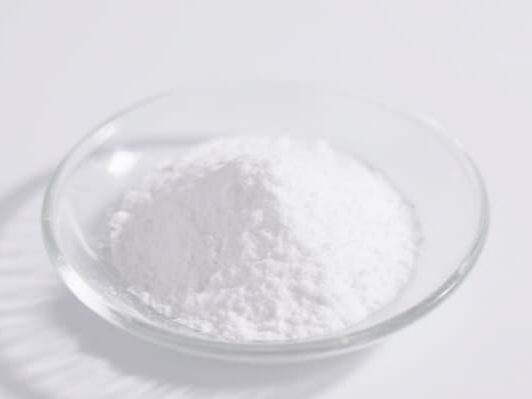
Purecium DL-Alpha-Tocopheryl Acetate 50% is a free-flowing, food-grade Vitamin E powder for antioxidant, skin health and cardiovascular formulations. Standardized to 50% vitamin E on a food-grade carrier and made from synthetic all-rac-alpha-tocopheryl acetate to USP, EP and FCC standards, our powder delivers 500 IU per gram for clean label declarations, with an HPLC assay and full Certificate of Analysis on every batch. Allergen-free, gluten-free, non-GMO and vegan, it is packed in 25 kg drums with a 25 kg minimum order, staged at our US warehouse, and supported by regulatory documentation for distributors, contract manufacturers and supplement brands worldwide.
Product name: DL-Alpha-Tocopheryl Acetate 50% (Vitamin E)
Molecular formula: C31H52O3
Starting material: Trimethylhydroquinone + Isophytol (synthetic)
Grade: USP / EP / FCC
Heavy Metals: Conforms to USP/EP
Pesticide residue: Conforms to USP/EP
Packing size: 25kg/drum
CAS#: 7695-91-2
Molecular weight: 472.74 g/mol
Source: Synthetic (all-rac), acetate ester of alpha-tocopherol
Specification: 50% vitamin E on food-grade carrier (500 IU/g)
Country of origin: China
Residual solvent: Conforms to USP/EP
Allergen free/Gluten-free/Non-GMO/Vegan/Non-Irradiation:

DL-Alpha-Tocopheryl Acetate Overview
DL-Alpha-Tocopheryl Acetate is the esterified, synthetic form of Vitamin E, identified by CAS number 7695-91-2, molecular formula C31H52O3 and molecular weight 472.74 g/mol. It is also known as all-rac-alpha-tocopheryl acetate, Vitamin E acetate or (+/-)-alpha-tocopherol acetate, and it is the form of vitamin E most widely used in dietary supplements because of its superior stability. The 'DL' and 'all-rac' designations indicate the synthetic racemic mixture, which is the standard reference form defined in the USP-NF and European Pharmacopoeia monographs for vitamin E.
For the dietary supplement industry, vitamin E is a core antioxidant nutrient used in immunity, skin and beauty, cardiovascular wellness and healthy-aging products, and it is a standard component of multivitamins. Purecium supplies DL-Alpha-Tocopheryl Acetate as a 50% standardized powder on a food-grade carrier, designed for tablets, capsules, sachets and powder blends, and sells exclusively as a B2B raw material for distributors, contract manufacturers, private-label producers and finished supplement brands.
Source & Ingredient Identity
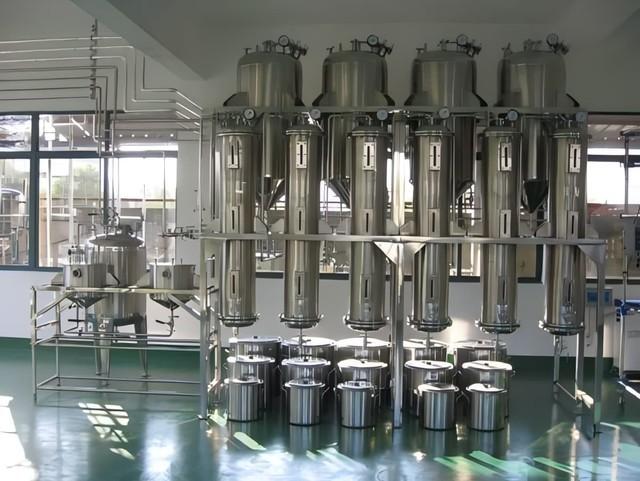
Purecium DL-Alpha-Tocopheryl Acetate is manufactured by a synthetic route: condensation of trimethylhydroquinone with isophytol produces all-rac-alpha-tocopherol, which is then esterified with acetic acid to form the acetate ester. Esterification protects the phenolic hydroxyl group, making the molecule markedly more resistant to oxidation than free tocopherol and giving the acetate form its long shelf life. The finished 50% powder is produced by blending the oily acetate onto a food-grade carrier system to create a free-flowing, low-dust powder that handles cleanly in dry blending.
One specification is offered under this product line: DL-Alpha-Tocopheryl Acetate 50% powder, conforming to USP, EP and FCC monographs, produced in China and non-irradiated, with no allergens, no gluten and no GMO material. The synthetic route means the product is fully vegan, an important point for clean-label brands. For B2B buyers, the critical purchasing checks are the assay on the Certificate of Analysis, the IU equivalence used in labeling and the carrier declaration, since the carrier appears on the finished-product label.
Key Characteristics of DL-Alpha-Tocopheryl Acetate 50%
1. Standardized 50% powder with simple IU math. The product is standardized to 50% vitamin E content by HPLC, which equals 500 IU per gram using the USP equivalence of 1 mg DL-alpha-tocopheryl acetate = 1 IU. A 100 IU serving therefore requires just 200 mg of powder, keeping tablet sizes small and label declarations clean.
2. Free-flowing powder for dry formats. Unlike liquid vitamin E oils, the 50% powder blends uniformly into tablets, hard capsules, sachets, gummies and powder mixes, with defined particle size and low dust generation. It eliminates the need for oil-handling equipment and simplifies both blending and cleaning validation on dry production lines.
3. Stable, clean-label and regulation-ready. The acetate ester resists oxidation, giving a 24-month shelf life under normal storage, and the synthetic route is vegan with no animal-derived input. Vitamin E is generally recognized as safe in the United States for use in foods and is an authorized vitamin for food supplements in the European Union, supporting straightforward registration across major markets.
DL-Alpha-Tocopheryl Acetate Manufacturing Process
The synthesis begins with the condensation of trimethylhydroquinone with isophytol, which forms all-rac-alpha-tocopherol. This intermediate is then acetylated with acetic anhydride or acetic acid to yield DL-alpha-tocopheryl acetate, which is purified by distillation and standardized against the USP-NF and European Pharmacopoeia monographs. For the 50% powder grade, the acetate is blended onto a food-grade carrier under controlled conditions to achieve a uniform, free-flowing powder with a target assay of 50% vitamin E, and the blend is screened to a defined particle-size profile.
Every production stage is process-controlled, and each finished lot is verified by HPLC before release. Residual solvent, heavy metal, moisture, peroxide value and microbiological results are reported on the batch Certificate of Analysis. Because vitamin E is an antioxidant, the powder is packed with oxygen-barrier liners, and each lot is traceable from starting material to finished drum.
Applications of DL-Alpha-Tocopheryl Acetate
Antioxidant protection and skin health are the primary applications of vitamin E. Mechanistically, alpha-tocopherol is a lipid-soluble radical scavenger embedded in cell membranes, where it donates electrons to neutralize lipid peroxyl radicals and break the chain reaction of lipid oxidation. This function protects cells from oxidative stress, a role recognized by EFSA for vitamin E, and supports its classic use in immune, cardiovascular wellness and healthy-aging products, alongside ascorbic acid, which helps regenerate oxidized tocopherol.
Skin health is the second major application area: vitamin E is used in beauty-from-within supplements and topical cosmeceuticals for its antioxidant and moisturizing properties, and it is frequently co-formulated with collagen, hyaluronic acid and vitamin C in skin-support systems. Peer-reviewed research has examined vitamin E in oxidative-stress, immune and dermal contexts extensively; finished-product claims should always follow the regulations of the destination market.
DL-Alpha-Tocopheryl Acetate 50% powder is compatible with tablets, hard capsules, sachets, gummies and powder blends. It is a standard component of multivitamins and antioxidant complexes, and pairs naturally with vitamin C, zinc, selenium and omega fatty acids. The free-flowing powder format gives B2B buyers full flexibility across dry dosage forms without oil-handling complexity.
Manufacturing & Quality Control
Purecium DL-Alpha-Tocopheryl Acetate 50% is produced in facilities operating under ISO 9001 and FSSC 22000 certified quality systems, with Kosher and Halal certification available. Analytical methods follow the current USP-NF and European Pharmacopoeia monographs for Vitamin E, and each batch is assayed by HPLC for tocopherol content and by GC or HPLC for the acetate ester. Routine release testing covers identification, assay (50% min), moisture, heavy metals, residual solvents, peroxide value and microbial limits, with results documented on a batch-specific Certificate of Analysis.
Each commercial lot is fully traceable from starting material to finished drum. Alongside the CoA, Purecium provides the specification sheet, SDS, allergen and gluten statements, non-GMO declarations and stability data on request, giving buyers the documentation needed for raw-material approval and finished-product registration.
DL-Alpha-Tocopheryl Acetate for B2B Supplement Manufacturing
Purecium supplies DL-Alpha-Tocopheryl Acetate 50% exclusively as a B2B raw material for distributors, contract manufacturers, private-label producers and finished supplement brands. The minimum order quantity is 25 kg. The powder is packed in 25 kg drums with food-grade aluminum-foil inner bags, and samples and full documentation are available before commitment.
For North American customers, inventory is staged at Purecium's US warehouse, enabling pickup or delivery within approximately two days. Global delivery covers Hong Kong, mainland China, the EU and other regions, with export documentation prepared for every shipment. Purecium also supports custom blending with complementary ingredients such as vitamin C and zinc, and provides technical and regulatory communication to move vitamin E from ingredient selection to commercial formulation.
Reviewed by the Chief Quality Assurance / Regulatory Affairs Specialist at Purecium for technical accuracy and regulatory alignment.
How does Dl Alpha Tocopheryl compare with mixed tocopherols and tocotrienols as a bulk ingredient for formulation?
Dl Alpha Tocopheryl (all-rac-alpha-tocopheryl acetate) is a synthetic vitamin E ester. Its CAS number is 7695-91-2. It is produced by chemical synthesis, yielding an equimolar mixture of eight stereoisomers. In contrast, mixed tocopherols are typically derived from vegetable oil deodorizer distillate and contain natural d-alpha-tocopherol along with beta, gamma, and delta homologs. Tocotrienols are unsaturated analogs, often sourced from palm or annatto, and differ in potency and stability. Natural vitamin E usually refers to RRR-alpha-tocopherol (CAS 59-02-9) or its esters, isolated from natural sources. For dosing, Dl Alpha Tocopheryl is standardized by IU, where 1 mg equals 1 IU. Natural alpha-tocopherol is more potent, with 1 mg providing 1.49 IU. Mixed tocopherols and tocotrienols are not typically dosed by IU alone; they are often specified by total tocopherol or tocotrienol content. Solubility is similar across these ingredients: all are fat-soluble and practically insoluble in water. However, Dl Alpha Tocopheryl acetate is more stable to oxidation than free tocopherols, making it suitable for applications requiring extended shelf life. Tocotrienols are more prone to oxidation and may require antioxidant protection. Regulatory status varies. Dl Alpha Tocopheryl is listed in major pharmacopeias (USP, EP) and is approved as a food additive (E307) in the EU. Mixed tocopherols are generally recognized as safe (GRAS) and permitted as antioxidants. Tocotrienols have a less harmonized regulatory status; in the EU, they are not authorized as a food additive but may be sold as food supplements in some markets. Natural vitamin E is also covered by pharmacopeial monographs. Supply forms include oils, powders, and beadlets. Documentation typically includes Certificate of Analysis, Safety Data Sheet, and regulatory statements. Purecium provides these documents for all products.Comparison in table form.
The table below sets out the parameters that determine how each material is specified, dosed and documented in a finished formulation.Parameter
Dl Alpha Tocopheryl
Mixed tocopherols
Tocotrienols
CAS number
7695-91-2
1406-66-2
6829-55-6
Chemical class
Synthetic alpha-tocopheryl ester
Natural tocopherol mixture
Unsaturated vitamin E analogs
Typical dose
10-100 mg/day (as IU)
5-50 mg/day total tocopherols
50-200 mg/day
Solubility
Fat-soluble, insoluble in water
Fat-soluble, insoluble in water
Fat-soluble, insoluble in water
Stability
High, ester form
Moderate, prone to oxidation
Low, sensitive to oxidation
Regulatory status
USP/EP, E307, GRAS
GRAS, E306-E309
Not EU food additive
Supply form
Oil, powder, beadlets
Oil, powder
Oil, powder
Documentation
CoA, SDS, regulatory
CoA, SDS, regulatory
CoA, SDS, regulatory
Supplying buyers in North America, the European Union, Latin America, Asia and the Middle East
Purecium supplies DL-Alpha-Tocopheryl Acetate 50% (Vitamin E) in bulk from Hong Kong, the United States and the European Union. Orders are quoted FOB, CIF or DDP as you prefer: air freight for urgent volumes, sea freight (full container or consolidated) for bulk quantities. Transit time, import requirements and duties are confirmed in each quotation.
For local registration, our technical package is filed with the authority in your market: EU-GMP partner manufacturing and Ph. Eur. / USP monograph testing for the European Union and the United Kingdom; COFEPRIS (Mexico), INVIMA (Colombia), ANMAT (Argentina), ISP (Chile) and ANVISA (Brazil) in Latin America; SFDA and Gulf documentation in the Middle East; BP, JP or ChP monographs in Asia. Every lot ships with a batch COA, TDS, SDS and GMP, ISO 9001, FSSC 22000, Kosher and Halal certificates.
Commercial support is available in English, Spanish and Chinese, and qualification samples are dispatched worldwide, with a response within 12 business hours.