thumbnail image
PURECIUM — Premium B2B Supplement Ingredients Supplier

PURECIUM

  • HOME
  • PURECIUM
  • INGREDIENTS
  • NEWS
  • QUALITY CONTROL
  • CUSTOMIZED
  • CONTACT
  • …  
    • HOME
    • PURECIUM
    • INGREDIENTS
    • NEWS
    • QUALITY CONTROL
    • CUSTOMIZED
    • CONTACT
PURECIUM — Premium B2B Supplement Ingredients Supplier

PURECIUM

  • HOME
  • PURECIUM
  • INGREDIENTS
  • NEWS
  • QUALITY CONTROL
  • CUSTOMIZED
  • CONTACT
  • …  
    • HOME
    • PURECIUM
    • INGREDIENTS
    • NEWS
    • QUALITY CONTROL
    • CUSTOMIZED
    • CONTACT
PURECIUM — Premium B2B Supplement Ingredients Supplier
  • Bulk Vitamin D3 (Cholecalciferol) Powder & Oil: Supplier for Supplement Manufacturers

    Certified Manufacturing for Consistent Global Supply

  • Vitamin D3

    Bones, Immunity and Calcium Balance
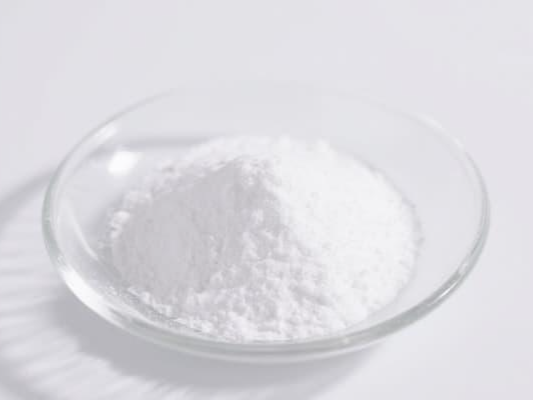
    Vitamin D3 powder, fssc22000 certificated

    Vitamin D3

    Purecium Vitamin D3 (Cholecalciferol) is a high-potency dietary supplement ingredient for bone health, immune support and calcium absorption formulations. Available as 100,000 IU/g and 500,000 IU/g spray-dried powder, or as Vitamin D3 oil, our cholecalciferol is manufactured from lanolin or lichen to USP, EP and FCC standards. Every batch is assayed by HPLC and ships with a full Certificate of Analysis. With a 25 kg minimum order, certified quality systems and fast dispatch from our US warehouse, Purecium supports distributors, contract manufacturers and supplement brands with dependable, regulation-ready Vitamin D3 supply for commercial product launches.

    Buyer snapshot: MOQ 25 kg; free samples with COA; FOB Hong Kong / CIF / DDP; stock held in the United States; stock held in the Netherlands (EU); 2-day pickup for North America; per-batch COA / TDS / SDS; quotation response within 12 business hours. Quotation on request, samples dispatched worldwide.

    Product name: Vitamin D3 (Cholecalciferol)

    Molecular formula: C27H44O

    Starting material: Lanolin / Lichen (Vegan)

    Grade: USP / EP / FCC

    Heavy Metals: Conforms to USP/EP

    Pesticide residue: Conforms to USP/EP

    Packing size: 25kg/drum

    CAS#: 67-97-0

    Molecular weight: 384.6 g/mol

    Source: Lanolin (sheep's wool) or Lichen (vegan)

    Specification: 100,000 IU/g, 500,000 IU/g powder; Vitamin D3 oil

    Country of origin: China

    Residual solvent: Conforms to USP/EP

    Allergen free/Gluten-free/Non-GMO/Vegan/Non-Irradiation: Yes

    Vitamin D3 ISO, Kosher, halal, food safety certification

    Purecium supplies bulk vitamin D3 (cholecalciferol, CAS 67-97-0) in three specifications: 100,000 IU/g powder, 500,000 IU/g powder and vitamin D3 oil, from either a lanolin or a lichen source. The minimum order is 25 kg; powders are packed in 25 kg drums with a food-grade aluminium-foil inner bag and oils in sealed food-grade containers. Each lot ships with a batch-specific COA, TDS and SDS, and EU orders are served from stock held in the Netherlands, quoted FOB, CIF or DDP.

    Vitamin D3 Overview

    Vitamin D3, also known as Cholecalciferol, Calciol or Colecalciferol, is a fat-soluble secosteroid and the most biologically relevant form of vitamin D for human nutrition. Unlike vitamin D2, which is derived from plant and fungal sources, cholecalciferol is the form produced in human skin after sun exposure, and the form most widely used in dietary supplements and fortified foods. Its structure derives from cholesterol and it is identified by CAS number 67-97-0, molecular formula C27H44O and molecular weight 384.6 g/mol. Common synonyms include Cholecalciferol, Calciol, Colecalciferol and Vitamin D3.

    For the dietary supplement industry, Vitamin D3 is a core ingredient in bone health, calcium absorption, immune support, muscle function and cardiovascular wellness products. It is one of the most frequently specified vitamins in adult multivitamins, bone-support blends and immune formulas worldwide. Purecium supplies Vitamin D3 as a B2B raw material for distributors, contract manufacturers, private-label producers and finished supplement brands, in both powder and oil formats with complete analytical documentation.

    Source & Ingredient Identity

    Purecium Vitamin D3 is manufactured from two commercial starting materials. The conventional route begins with lanolin, the natural grease recovered from sheep's wool, from which the precursor 7-dehydrocholesterol is isolated and purified. For plant-based brands, a vegan route uses lichen, a symbiotic organism, as the source of the precursor sterol. Both routes deliver the identical molecule: cholecalciferol, CAS 67-97-0, with no difference in chemical identity or biological activity between the two origins.

    Three specifications are available under one product line: 100,000 IU/g powder, 500,000 IU/g powder and Vitamin D3 oil. All grades conform to USP, EP and FCC monographs, are produced in China and are non-irradiated, with no allergens, no gluten and no GMO material. For B2B buyers, the critical purchasing checks are the assay on the Certificate of Analysis and the stated source, since lanolin and lichen grades are not interchangeable for vegan labeling.

    Key Characteristics of Vitamin D3

    1. High-potency concentrates. The 100,000 IU/g and 500,000 IU/g powder grades allow very small inclusion rates in finished formulas. One IU of cholecalciferol equals 0.025 micrograms, so a 1,000 IU serving needs only 10 mg of 100,000 IU/g powder or 2 mg of 500,000 IU/g powder. This flexibility lets formulators control tablet size, blend cost and label declarations across different dosage strategies.

    2. Fat-soluble chemistry with stable delivery. Cholecalciferol is fat-soluble and sensitive to light, oxygen and heat. Powder grades are dispersed onto food-grade carriers such as starch to create free-flowing, easy-to-blend material, while oil grades are dissolved in a vegetable oil base, typically with antioxidant protection. Both formats are designed for consistent dosing and batch-to-batch uniformity.

    3. Regulation-ready and clean label. Vitamin D3 is supplied to USP, EP and FCC standards with heavy metals within monograph limits, conforming residual solvents and full microbial testing. It is allergen-free, gluten-free, non-GMO and available as a vegan lichen-sourced grade, with non-irradiation confirmed on every lot.

    Vitamin D3 Manufacturing

    The classic commercial route for lanolin-sourced cholecalciferol begins with wool grease, from which 7-dehydrocholesterol is extracted and purified. The precursor is then dissolved and exposed to controlled ultraviolet irradiation, which isomerizes it into previtamin D3. A thermal rearrangement step converts previtamin D3 into cholecalciferol, after which the material is purified, crystallized and standardized. For powder grades, cholecalciferol is dispersed onto a food-grade carrier and standardized to 100,000 or 500,000 IU/g; for oil grades it is dissolved into a suitable vegetable oil base under controlled conditions.

    Lichen-sourced Vitamin D3 follows an analogous extraction and photochemical conversion route from lichen sterols, enabling vegan-compliant production without changing the final molecule. Every production stage is process-controlled, and each finished lot is verified by HPLC against the relevant USP, EP or FCC monograph before release. Residual solvent, heavy metal, moisture and microbiological results are reported on the batch Certificate of Analysis.

    Applications of Vitamin D3

    Bone health and calcium metabolism are the primary applications of Vitamin D3. Cholecalciferol supports the intestinal absorption of calcium and phosphorus, helps maintain normal blood calcium levels and contributes to bone mineralization. Mechanistically, ingested cholecalciferol is hydroxylated in the liver to 25-hydroxyvitamin D, the circulating marker of vitamin D status, and then in the kidney to 1,25-dihydroxyvitamin D, the hormonally active metabolite. This active form binds the vitamin D receptor in intestinal cells and regulates calcium-transport proteins, which is the basis for its role in calcium homeostasis and bone support. This mechanism is the recognized scientific basis for the role of vitamin D in calcium absorption and bone health, as summarized by the NIH Office of Dietary Supplements and reflected in EFSA-authorized health claims for calcium and vitamin D.

    Beyond bone metabolism, vitamin D receptors are widely expressed, including in immune cells, which supports scientific interest in Vitamin D3 for normal immune function and seasonal wellness concepts. It is also incorporated into muscle-function formulas and cardiovascular wellness products. Human research on vitamin D supplementation has examined bone density, calcium balance, immune response and muscle performance; finished-product claims should always follow the regulations of the destination market. The physiological roles of vitamin D3 in bone, immune and muscle function are documented in public scientific literature and in the monographs of authoritative bodies including the NIH Office of Dietary Supplements and the European Food Safety Authority.

    Vitamin D3 is compatible with capsules, tablets, softgels, gummies, sachets, powder blends and liquid drops, giving brands wide latitude in dosage format. It is frequently co-formulated with calcium, vitamin K2, magnesium and zinc in bone-health and immune-support systems, and is a standard component of adult multivitamins. For B2B buyers, this versatility simplifies SKU planning across different consumer segments.

    Manufacturing & Quality Control

    Purecium Vitamin D3 is produced in facilities operating under ISO 9001 and FSSC 22000 certified quality systems, with Kosher and Halal certification available. Every batch is assayed by HPLC against the applicable USP, EP or FCC monograph. Routine release testing covers identification, potency in IU/g, heavy metals, residual solvents, moisture, related substances and microbial limits, with results documented on a batch-specific Certificate of Analysis. Analytical methods follow the current USP-NF and European Pharmacopoeia monographs for Cholecalciferol, and certificates reference the monograph edition used for each release test.

    Each commercial lot is fully traceable from starting material to finished drum. Alongside the CoA, Purecium provides the specification sheet, SDS, allergen and gluten statements, non-GMO declarations and stability data on request, giving buyers the documentation needed for raw-material approval and finished-product registration.

    Vitamin D3 for B2B Supplement Manufacturing

    Purecium supplies Vitamin D3 exclusively as a B2B raw material for distributors, contract manufacturers, private-label producers and finished supplement brands. The minimum order quantity is 25 kg. Powder grades are packed in 25 kg drums with food-grade aluminum-foil inner bags; oil grades are supplied in sealed food-grade containers. Samples and full documentation are available before commitment.

    For North American customers, inventory is staged at Purecium's US warehouse, enabling pickup or delivery within approximately two days. Global delivery covers Hong Kong, mainland China, the EU and other regions, with export documentation prepared for every shipment. Purecium also supports custom blending with complementary ingredients such as calcium, vitamin K2 and magnesium, and provides technical and regulatory communication to move Vitamin D3 from ingredient selection to commercial formulation.

    This page was reviewed and approved by the Chief Quality Assurance / Regulatory Affairs Specialist at Purecium for technical accuracy and regulatory alignment.

    How does bulk Vitamin D3 compare with Vitamin D2 and 25-OH D3 in specification, dosing, handling and regulatory terms?
    Vitamin D3 (cholecalciferol, CAS 67-97-0) is a secosteroid produced synthetically from 7-dehydrocholesterol or lanolin. Vitamin D2 (ergocalciferol, CAS 50-14-6) is derived from ergosterol via UV irradiation. 25-OH D3 (calcifediol, CAS 19356-17-3) is the primary circulating metabolite of D3. All three are used in bulk supplements and fortified foods, but they differ in potency, stability and regulatory classification. Dosing: Vitamin D3 and D2 are typically dosed at 400–2000 IU per serving, with D3 often preferred due to higher bioavailability and longer half-life. 25-OH D3 is more potent, dosed at 5–50 mcg (approximately 200–2000 IU equivalent), and is used in clinical or high-potency applications. In bulk formulations, D3 is usually supplied as a spray-dried powder or oil dilution (100,000–1,000,000 IU/g), while D2 is similarly available but less stable. 25-OH D3 is typically provided as a diluted oil or microencapsulated powder at lower concentrations (e.g., 1–10%). Handling: D3 and D2 are sensitive to light, oxygen and heat; standard practice includes nitrogen flushing, opaque packaging and storage below 25°C. 25-OH D3 is more stable but still requires protection from light and moisture. Solubility: all are fat-soluble; D3 and D2 are practically insoluble in water, while 25-OH D3 has slightly higher aqueous solubility but still requires emulsification for beverage applications. Regulatory: In the EU, Vitamin D3 and D2 are authorised as food supplements and food fortificants (Regulation 1925/2006). 25-OH D3 is not authorised as a food supplement in the EU but is available as a medicinal ingredient in some markets. In the US, D3 and D2 are GRAS for specific uses; 25-OH D3 is permitted as a food additive in some applications. Documentation for bulk supply typically includes CoA, MSDS, allergen statement and, where applicable, non-GMO and halal/kosher certificates.

    Comparison in table form.
    The table below sets out the parameters that determine how each material is specified, dosed and documented in a finished formulation.

        Parameter                                                                
     
        Vitamin D3                                                                
     
        Vitamin D2 (ergocalciferol)                                     
     
        25-OH D3                                                                   
     
        CAS number
     
        67-97-0
     
        50-14-6
     
        19356-17-3
     
        Chemical class
     
        Secosteroid
     
        Secosteroid
     
        Secosteroid metabolite
     
        Typical dose
     
        400-2000 IU
     
        400-2000 IU
     
        5-50 mcg
     
        Solubility
     
        Fat-soluble
     
        Fat-soluble
     
        Fat-soluble, slightly higher
     
        Stability
     
        Sensitive to light/heat
     
        Less stable than D3
     
        More stable than D3
     
        Regulatory status
     
        Food supplement/fortificant
     
        Food supplement/fortificant
     
        Not EU food supplement
     
        Supply form
     
        Powder/oil dilution
     
        Powder/oil dilution
     
        Oil or microencapsulated
     
        Documentation
     
        CoA, MSDS, allergen
     
        CoA, MSDS, allergen
     
        CoA, MSDS, allergen
     

    Supplying buyers in North America, the European Union, Latin America, Asia and the Middle East

    Purecium supplies vitamin D3 (cholecalciferol) in bulk from Hong Kong, the United States and the European Union. Orders are quoted FOB, CIF or DDP as you prefer: air freight for urgent volumes, sea freight (full container or consolidated) for bulk quantities. Transit time, import requirements and duties are confirmed in each quotation.

    For local registration, our technical package is filed with the authority in your market: EU-GMP partner manufacturing and Ph. Eur. / USP monograph testing for the European Union and the United Kingdom; COFEPRIS (Mexico), INVIMA (Colombia), ANMAT (Argentina), ISP (Chile) and ANVISA (Brazil) in Latin America; SFDA and Gulf documentation in the Middle East; BP, JP or ChP monographs in Asia. Every lot ships with a batch COA, TDS, SDS and GMP, ISO 9001, FSSC 22000, Kosher and Halal certificates.

    Commercial support is available in English, Spanish and Chinese, and qualification samples are dispatched worldwide, with a response within 12 business hours.
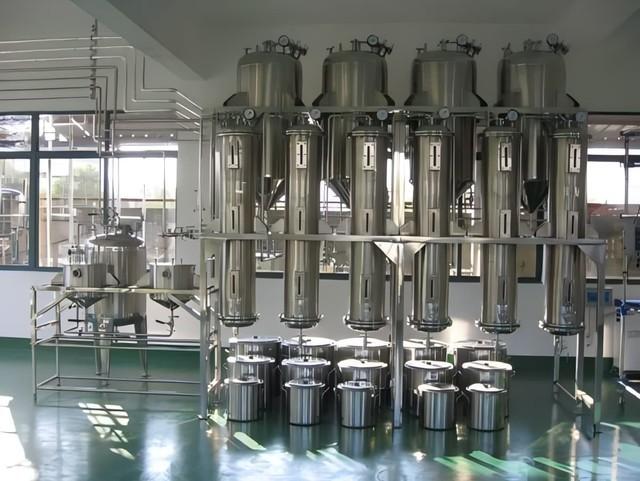
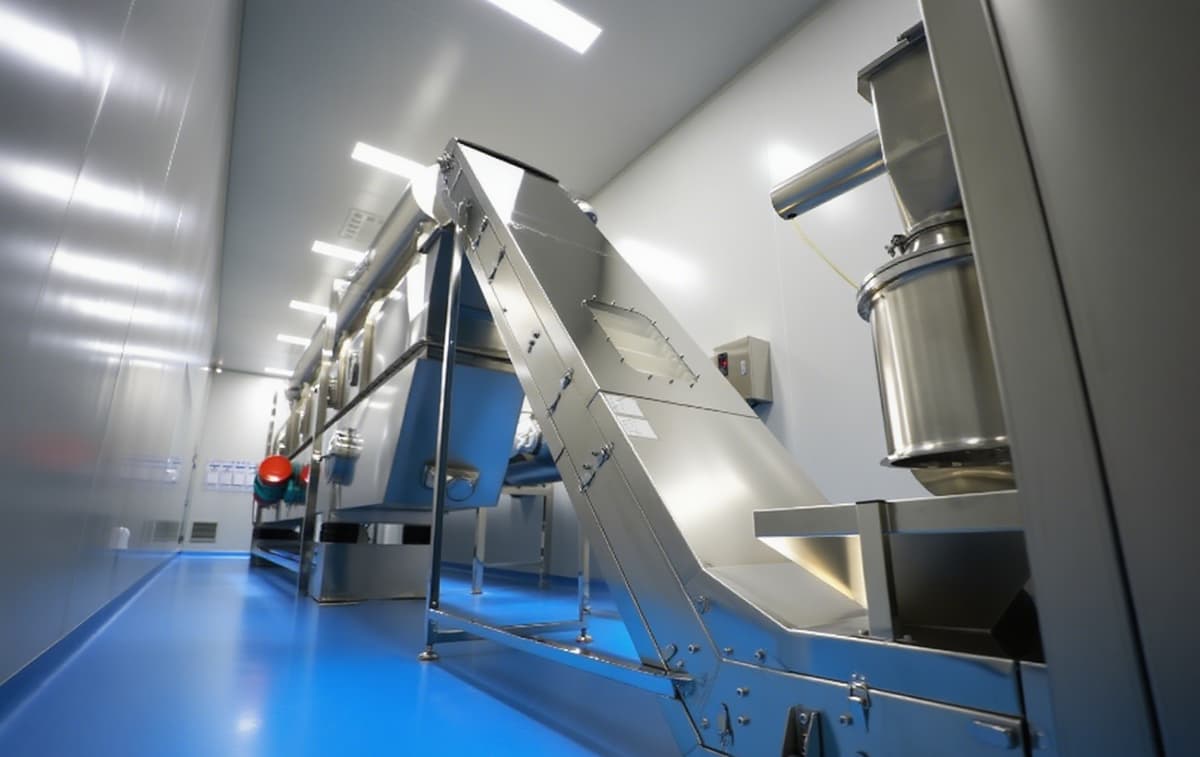
  • Vitamin D3 workshop
    Vitamin D3 packing room
    Vitamin D3 testing
    Vitamin D3 production
    Vitamin D3 factory
    Vitamin D3 workshop
    Vitamin D3 workshop
    Vitamin D3 production
    Vitamin D3 packing room
    Vitamin D3 testing
    Vitamin D3 factory
    Vitamin D3 workshop
  • Vitamin D3 Frequently Asked Questions (FAQ) for B2B Buyers

    Q1: Which of the three vitamin D3 specifications belongs on my purchase order?

    Choose on how much carrier your formula can absorb and where the dilution step happens. The 100,000 IU/g spray-dried powder is the usual pick for tablets, capsules and dry blends, because a low-dose formula needs a weighable quantity and this grade gives it. The 500,000 IU/g grade halves that weight per batch, fits high-potency products and premises where your own plant performs the dilution. Vitamin D3 oil serves softgels, oil-based capsules and liquids where a carrier oil is already part of the formula. All three carry CAS 67-97-0, molecular formula C27H44O and molecular weight 384.6 g/mol, and all conform to USP, EP and FCC monographs. Name the grade and the source route on the order, not just the product name. The pack is a 25 kg drum with a food-grade aluminium-foil inner bag, and the oil ships in sealed food-grade containers. If your plant has no accurate micro-weighing station, then buy the 100,000 IU/g grade rather than the stronger one, because scale resolution decides blend uniformity before anything else does.

    Q2: How do I convert IU/g into a weighable quantity for a batch?

    One IU of cholecalciferol equals 0.025 micrograms, so the arithmetic is a division and not an estimate. A 1,000 IU serving needs 25 micrograms of cholecalciferol, which is 10 mg of the 100,000 IU/g powder or 2 mg of the 500,000 IU/g grade; scale that to the batch size and you have the weigh-out for the whole run. Do the calculation on the assay value from the certificate rather than on the label figure, because a lot released slightly above or below the nominal potency shifts the weight you need. At these inclusion rates the weighing error, not the chemistry, is the main source of potency variation, which is why a two-step premix is standard practice. Keep the conversion on the batch record with the lot number, so a future potency query can be traced to the weigh-out that produced the batch. If your smallest calibrated balance cannot resolve the per-batch quantity with acceptable error, then specify a lower-potency grade or a custom dilution instead of asking the operator to weigh a few milligrams.

    Q3: What does the certificate of analysis of a powder lot report beyond potency?

    Beyond potency in IU/g, the certificate reports identification, loss on drying, particle size and the carrier used for the dilution, because a spray-dried powder is a formulated material and the carrier affects flow and blend uniformity. Heavy metals within the USP or EP monograph limits, residual solvents, moisture, related substances and a microbiological panel complete the release tests, and the document names the monograph edition used for each one. Non-irradiation status and the allergen, gluten and non-GMO statements sit alongside the analytical results rather than replacing them. Ask for the certificate of the grade you are buying: a 100,000 IU/g certificate does not describe a 500,000 IU/g lot, and a powder certificate does not describe an oil. Release testing sits inside ISO 9001 and FSSC 22000 certified systems, and the site certificates accompany the analytical pack. If your quality system requires method details for registration, then request the method summary at qualification stage, since it is prepared by the testing laboratory and is not printed on the routine certificate.

    Q4: Why does the oil grade carry a peroxide value and the powder does not?

    Because the oil is a fat, and fat oxidises; the powder is a diluted solid on a carrier, where oxidation shows up as potency loss rather than as a rancidity marker. Peroxide value is the earliest measurable sign that an oil has begun to oxidise, and it moves before the assay falls, which is why it belongs on the certificate of every oil lot. The oil is dissolved in a vegetable oil base with antioxidant protection, and the certificate states the carrier oil together with the peroxide figure. For powders the equivalent checks are loss on drying, potency and the carrier identity, since moisture and light degrade the surface layer first. The certificate also names the carrier oil and the antioxidant system, which is what your fill house needs to confirm compatibility with the softgel shell. If your softgel fill has a declared shelf life, then trend the peroxide value across lots rather than reading a single result, because the trend tells you whether the storage chain is holding and the single number does not.

    Q5: How is the lanolin or lichen source documented rather than just claimed?

    It is documented on three levels: the specification sheet states the starting material, the certificate of the lot repeats it, and the source statement is issued in writing for the account. The lanolin route isolates 7-dehydrocholesterol from wool grease; the lichen route uses lichen sterols through an analogous photochemical conversion, and the finished molecule is identical either way, which is exactly why the paper trail matters. Both routes give CAS 67-97-0, C27H44O and 384.6 g/mol, so a laboratory cannot tell them apart by identity testing. Wool grease and lichen sterols are both converted through a controlled photochemical step, so the difference lives in the input and not in the output. If your pack declares vegan status, then the lichen route has to be the one named in the specification before artwork approval, because switching route afterwards means new artwork and a rebuilt traceability chain. Ask for the source statement once, then confirm it on each lot certificate instead of renegotiating the question at every order.

    Q6: Which documents must be in the qualification pack before the first order?

    The qualification pack contains the specification sheet, a batch-specific certificate of analysis, the technical data sheet, the safety data sheet, and the statements a quality system asks for on this ingredient: allergen and gluten, non-GMO, non-irradiation and the source statement for the lanolin or lichen route. Facility certificates for ISO 9001 and FSSC 22000, plus Kosher and Halal where relevant, complete the file, and stability data are available on request. Review that pack before price negotiation, because a missing declaration is far cheaper to find during qualification than during goods receipt. Note that certificates describe the site's system while the lot certificate describes the drum in front of you, and both are needed. The same pack includes the monograph reference for the grade, which is the line your registration file will cite. If your procedure requires a supplier questionnaire or a site audit, then say so at enquiry stage so the audit can be scheduled with the producer before a production slot is held.

    Q7: Two laboratories disagree on potency — how is that resolved?

    Resolve it by comparing methods before comparing numbers, because on cholecalciferol the saponification, the extraction and the HPLC conditions explain most discrepancies between two laboratories. Potency is expressed in IU per gram and is measured against a reference standard, so each laboratory should state its method, its standard and its acceptance range on the report. If the gap survives the method comparison, the retained sample from the same lot is retested and, where the deviation is confirmed, the material is replaced. Every shipment leaves with its lot number, and the retained sample is kept for the agreed period, which is what makes the review a documented process rather than a negotiation. Response on technical queries is committed at 12 business hours, which is usually enough to settle a method question before the lot is quarantined. If your result sits just outside the specification while the supplier's sits just inside, then agree a referee laboratory in the supply agreement before the first shipment, since that clause settles the case faster than any retest.

    Q8: Is the carrier in the powder grade declared, and can it be changed?

    It is declared on the certificate and on the specification, and it can be changed only as a new specification rather than as a packing variant. Spray-dried cholecalciferol is dispersed onto a food-grade carrier, typically a starch, and that carrier is what turns a potent oil into a free-flowing powder that blends evenly at very low inclusion rates. Changing the carrier changes flow, bulk density, blend behaviour and the analytical matrix, so the certificate and the stability profile have to be re-established. If your formula is starch-sensitive or your label declares the carrier, then state the requirement at enquiry so the correct grade is quoted rather than substituted. The standard pack is a 25 kg drum with a food-grade aluminium-foil inner bag, and a damaged liner is the one defect that should stop receipt. If you need a different carrier or a lower potency than the standard grades, then treat it as a custom dilution with its own specification and its own minimum, because that work is development and not repacking.

    Q9: What is the minimum order, and can we trial before committing to 25 kg?

    The minimum order is 25 kg, and trial quantities are available before that commitment, drawn from the lot that will supply production and accompanied by that lot's certificate. State the grade, the source route and the intended dosage form in the request, because a trial on the 100,000 IU/g powder does not validate a softgel fill that will run on the oil grade; the two are different specifications with different handling. Samples are quoted with their freight, since the destination and courier determine that cost, and the quantity is matched to the trial rather than to production. Review the certificate of the trial lot against your specification before you run it, so a documentation gap is found before the laboratory work starts. If the trial changes the grade or the carrier, then confirm the new specification in writing, because the commercial order has to reference the specification the certificate will be issued against.

    Q10: What lead time and shipping terms apply, and does stock change the answer?

    Lead time depends on whether the quantity is covered by stock or needs a production lot, and it is stated on each quotation rather than published as a fixed number. Stock held in the Netherlands serves EU addresses in a few business days, and inventory staged in the United States supports pickup or delivery in about two days for North American lines; production lots are scheduled on confirmation and include manufacture, analysis and dispatch. Orders are quoted FOB Hong Kong, CIF or DDP, and the Incoterm decides who contracts the carrier and who carries insurance and clearance. Air freight is used when the line start date does not allow sea transit, and sea freight, full container or consolidated, for bulk quantities. If your launch date is fixed, then book against the stock positions at quotation stage instead of waiting for a production slot, since the stock answer is the one that protects the date.

    Q11: How should a vitamin D3 premix be built to avoid segregation?

    Build it in two steps and keep it closed between them, because at these inclusion rates uneven distribution, not the ingredient, is the risk. Pre-blend the vitamin D3 with part of the carrier or with another fine powder already in the formula, then add that premix to the main blend at the point where the mixer has the most shear. A single-step addition of a few milligrams into a large batch relies on the blender to do work it was not designed for. Keep the premix in a closed container and use it within the session, since a diluted blend is more exposed to light and moisture than the original drum. Record the premix weight and the lot number in the batch record. If your blender has a low-shear zone or a long discharge, then verify homogeneity on the first three commercial batches with a potency check, because that is where a segregation problem shows before it reaches the finished product.

    Q12: How should the powder and the oil be stored in our warehouse?

    Keep the original container closed in a dry place, away from light and heat sources, at controlled ambient temperature, and keep drums away from solvents or strong-smelling goods because a fat-soluble ingredient picks up odours. For the oil grade the container must stay sealed and be used within the period the certificate states, since exposure to air accelerates oxidation and the peroxide value rises before the assay falls. If material is decanted for production, use a container with a moisture and light barrier, label it with the original lot number and the date of opening, and consume it before the drum's retest date. The foil liner in the powder drum is the barrier, so a damaged liner is a quality event, not a packaging detail. If your warehouse temperature is not controlled, then store this ingredient in the controlled area rather than on general racking, because heat and light are the two variables that shorten its life fastest.

    Q13: How does vitamin D3 compare with vitamin D2 on a specification sheet?

    They are different molecules with different sources, and the specification has to say which one the product contains before artwork is approved. Cholecalciferol, vitamin D3, is CAS 67-97-0 with molecular formula C27H44O and molecular weight 384.6 g/mol; ergocalciferol, vitamin D2, is a separate compound with its own CAS number and a plant or fungal origin. Both are used in supplements and fortified foods and both are dosed in IU, but they differ in stability, in how they behave in a premix and in how they are declared on pack. Our supply is cholecalciferol only, in three specifications: 100,000 IU/g powder, 500,000 IU/g powder and oil. Dosing also differs in practice: both are declared in IU, but the potency and stability of the two materials are not identical, so a formula cannot be swapped at the same weight without revalidation. If your existing formula was built on D2 and you are switching, then run a stability check in your own packaging, because a like-for-like substitution on paper is not a like-for-like result in a softgel or a tablet.

    Q14: Powder or oil — which dosage forms does each grade actually serve?

    Powder serves tablets, hard capsules, dry blends, sachets and premixes, and oil serves softgels, oil-based capsules, liquids and drops. The dividing line is whether a carrier oil is already part of the formulation: if it is, the oil grade disperses into the fill and needs no dilution step; if the product is a dry matrix, the spray-dried powder gives you a free-flowing material that can be weighed and blended. Both routes deliver cholecalciferol at CAS 67-97-0, so the choice is process and packaging rather than chemistry. Tablets and capsules also need the premix discipline that a very low inclusion rate demands, while softgel fills need the peroxide value monitored across lots. If you make both a tablet and a softgel from one raw material purchase, then buy the powder for the tablet and the oil for the softgel, because forcing one grade into both processes adds a dilution step you do not need.

    Q15: Is the 500,000 IU/g grade always the better buy because it needs less powder?

    It needs less powder per batch, but that is a process advantage rather than an automatic saving, and at small batch sizes it can be the wrong choice. Higher potency means a smaller weigh-out, and a smaller weigh-out means a larger relative weighing error unless your balance and your premix step can resolve it. The 500,000 IU/g grade suits high-potency products and plants that run their own dilution with proper micro-weighing; the 100,000 IU/g grade is easier to weigh accurately and disperses more evenly in a low-dose formula. Both grades carry the same molecule and the same monograph tests, so the difference is handling, not quality. Ask for the potency, the carrier and the particle size on the specification sheet, and compare the three grades on those lines rather than on the strength figure alone. If your batch size is small or your weighing station is basic, then stay on the 100,000 IU/g grade, because an accurate weight of a weaker powder beats an inaccurate weight of a stronger one every time.

    Q16: Can we order a custom dilution or a ready-to-use premix?

    Yes, but it is developed as a separate reference, not as a packing variant of the standard grade, because blending changes the analytical specification and the stability profile. Describe the target potency in IU/g, the carrier you want, the intended dosage form and your batch size, and we will confirm what can be produced and what the certificate will state. A custom dilution usually carries a minimum above the standard 25 kg pack, and the specification is written before production rather than adjusted afterwards, which protects both sides from a certificate that does not match the artwork. For brands that prefer to keep the dilution in-house, the standard 100,000 IU/g and 500,000 IU/g grades support that, and the Two-step premix approach is documented in the technical data sheet. If your formula is still under development, then qualify the standard grade first and move to a custom dilution only once the target potency is fixed.

    Q17: Does spray-dried mean the same as beadlet or water-dispersible?

    No, and the three terms describe different things: spray-dried names the drying process, beadlet names a physical form built for flow and compression, and water-dispersible names a behaviour in liquid. A spray-dried cholecalciferol powder is a potent oil dispersed onto a food-grade carrier and dried into particles, which gives you a free-flowing solid for dry blending; it is not formulated to dissolve in water, because cholecalciferol is fat-soluble. If your process needs a beadlet for tablet compression or a cold-water-dispersible grade for a beverage, then that is a different specification with its own carrier system and its own certificate, and it should be quoted as such. Read the specification sheet for the process name, the carrier and the potency rather than the marketing term. If a quotation offers a term you cannot map to a specification line, then ask for the specification sheet before the sample, since the term alone will not tell your laboratory what it is handling.

    Q18: Is non-irradiated status confirmed per lot or once at qualification?

    It is confirmed as a statement on the lot documentation, and it belongs on the specification as a requirement rather than as a one-off assurance. Cholecalciferol is produced photochemically, by controlled ultraviolet irradiation of the precursor, which is a manufacturing step inside a closed process and not a sterilisation treatment of the finished powder, and buyers who ask for non-irradiated material are asking for that distinction to be documented. The certificate and the accompanying statements confirm it, and the specification sheet records the position for the grade. Keep the statement with the lot record so it can be retrieved during an audit, which is when it is usually requested. The photochemical step is part of the manufacturing route described in the technical data sheet, which is where a reviewer should look first. If your market or your customer requires a non-irradiation declaration at import, then put it into the approved specification and into the purchase order text, because a statement supplied on request after dispatch delays clearance rather than the order.

    Q19: How is potency protected through tableting or softgel filling?

    Potency is protected by controlling heat, light and oxygen exposure at each step, because cholecalciferol is sensitive to all three and the matrix matters as much as the raw material. In a tablet line the risk is the drying or compression stage and the residence time in the feed frame; in a softgel line it is the fill temperature and the time the oil sits in an open vessel. Powder grades are diluted on a carrier, which buffers the active against localised heat, while the oil grade relies on antioxidant protection in the base and on a closed fill system. Check potency on the finished product, not only on the raw material, since the losses happen downstream. If your process runs a thermal step above the range used in your validation, then re-run the finished-product assay before the commercial batch, because a validated process is the only evidence that the declared potency survives your line.

    Q20: What is the most common specification error buyers make on vitamin D3?

    The most common error is ordering by product name and potency while leaving out the source route, the carrier and the non-irradiation position, which are the three lines that decide whether the lot fits the artwork. A second error is treating the three grades as interchangeable: a certificate for the powder tells you nothing about an oil, and a 100,000 IU/g release does not describe a 500,000 IU/g lot. The third is skipping the certificate review before price negotiation, which is where missing declarations are cheapest to find. Start from the specification sheet, fix the grade, the source and the carrier in writing, then require the lot certificate for each shipment. All three grades conform to USP, EP and FCC monographs, and the certificate names the edition used for each release test. If your approved specification is already silent on the carrier, then raise a change note before the next order, because the carrier affects flow and the label, and neither is a detail you want to discover at goods receipt.

  • Calcium HMB

    L-Theanine

    PQQ

  • INQUIRY FORM

    Let's Discuss Your Needs

    Request a bulk quotation or a free sample with COA: 25 kg minimum order, documentation (COA, TDS, SDS, GMP / ISO 9001 / FSSC 22000 / Kosher / Halal certificates) provided for evaluation, dispatched from our Hong Kong, United States and European Union facilities.

PURECIUM LIMITED

TERMS&CONDITIONS

Address: Room 509, The cloud 111 Tung chua ST, Tai kok TSUI, HONG KONG.

Global network:

Hong Kong|Mainland China

EU: Netherlands

US: California| New York

  • Vitamins
  • Amino acids
  • Mineral
  • Herbal extract
  • Specialty
  • New products
    PURECIUM LIMITED | B2B Nutraceutical Ingredient Supplier
    PURECIUM LIMITED supplies bulk vitamins, amino acids, herbal extracts and minerals to supplement brands, with per-batch COA, 25 kg MOQ and worldwide dispatch.
    https://user-assets.sxlcdn.com/images/1262580/Fg9zpJda-HpiMiPTHVWisIsEkk-9.png?imageMogr2/strip/auto-orient/thumbnail/1200x630>/quality/90!/format/png
    Cookie Use
    We use cookies to ensure a smooth browsing experience. By continuing we assume you accept the use of cookies.
    Learn More