

Xylitol FCC Grade Powder
Sugar-Free Sweetener Oral-Care Builder
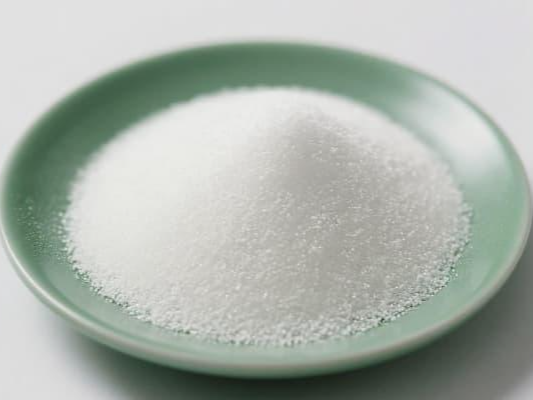
Xylitol
Purecium Xylitol is the five-carbon sugar alcohol used across sugar-free confectionery, chewing gum, oral-care and dietary applications, supplied as a B2B bulk raw material for food, beverage and supplement manufacturers. It carries CAS 87-99-0, molecular formula C5H12O5 and molecular weight 152.15 g/mol, and is offered in FCC-grade crystalline form derived from corn-cob hemicellulose, with a clean sweet taste, a pronounced cooling effect and a low glycemic response. Produced under certified quality systems, it is vegan, non-GMO and allergen-free, packed in 25 kg bags with full COA documentation and flexible bulk quantities.
Buyer snapshot: MOQ 25 kg; stock held in the United States; stock held in the Netherlands (EU); quotation response within 12 business hours. Quotation on request, samples dispatched worldwide.
Product name: Xylitol (FCC Grade)
Molecular formula: C5H12O5
Starting material: Corn-cob hemicellulose (xylan) via D-xylose hydrogenation
Grade: FCC grade; USP grade available
Heavy Metals: Conforms to FCC/USP limits
Pesticide residue: Conforms to FCC/USP limits
Packing size: 25kg/bag
CAS#: 87-99-0
Molecular weight: 152.15 g/mol
Source: Biomass-derived (corn cob); China
Specification: Xylitol >=99.0% by HPLC; white crystalline powder
Country of origin: China
Residual solvent: Conforms to FCC/USP limits
Allergen free/Gluten-free/Non-GMO/Vegan/Non-Irradiation:

Xylitol Overview
Xylitol is a five-carbon sugar alcohol (pentitol) that occurs naturally in small amounts in many fruits and vegetables and is produced commercially from xylan-rich biomass. The compound carries CAS 87-99-0, molecular formula C5H12O5 and molecular weight 152.15 g/mol, and it is one of the most widely used bulk sweeteners in sugar-free products because its sweetness closely matches sucrose while its caloric and glycemic impact is much lower.
For food and supplement manufacturers, xylitol offers a combination of clean sweetness, a strong cooling effect, cariostatic (cavity-dampening) properties recognized in dental research, and good stability in dry and processed formats. Purecium supplies Xylitol as a B2B bulk ingredient for confectionery producers, oral-care brands, beverage companies, distributors and supplement manufacturers, in FCC-grade crystalline form with documented quality.
Source & Ingredient Identity
Commercial xylitol is produced from hemicellulosic xylan, most commonly from corn cobs, sugar-cane bagasse or birch wood. In the corn-cob route, the xylan is hydrolyzed to D-xylose, which is then catalytically hydrogenated to xylitol, followed by purification, crystallization and drying to give the characteristic white crystalline sweetener. Purecium sources FCC-grade xylitol from this biomass-based route, which is plant-derived, vegan and suitable for non-GMO labeling.
The declared product is xylitol, also written D-xylitol or xylite, with CAS 87-99-0, formula C5H12O5 and molecular weight 152.15 g/mol. FCC and food-grade specifications are standard, with USP-grade lots available on request; buyers should confirm the specification, particle size and packaging format against the batch Certificate of Analysis during qualification.
Key Characteristics of Xylitol
1. Defined pentitol with clean sweet profile. Xylitol (C5H12O5, 152.15 g/mol, CAS 87-99-0) delivers approximately the same sweetness as sucrose with a clean, cooling taste and a negative heat of solution that enhances mint and fruit flavors. This cooling effect is the reason xylitol is the preferred sweetener in sugar-free chewing gums and breath mints.
2. Low glycemic and oral-health credentials. Xylitol is absorbed slowly and is largely independent of insulin for its initial metabolism, giving it a low glycemic index, and its non-fermentability by oral plaque bacteria underlies the dental-benefit position recognized in regulatory health claims for chewing gum in the European Union. These properties make it a workhorse sweetener for sugar-reduction and oral-care product concepts.
3. Stable, crystalline and formulation-friendly. Xylitol is a white, free-flowing crystalline powder with good heat stability under typical food processing, no Maillard browning with proteins, and excellent solubility in water. It tolerates standard tableting, gum-base incorporation and hard- or soft-candy cooking, though formulators must manage its hygroscopicity and the well-known laxative threshold at higher intakes.
Xylitol Manufacturing
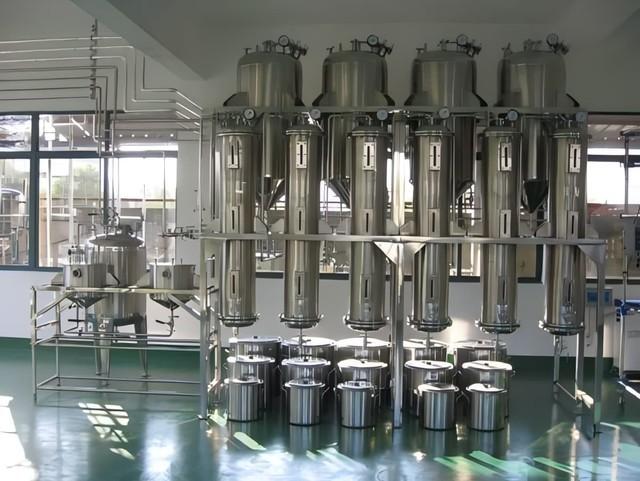
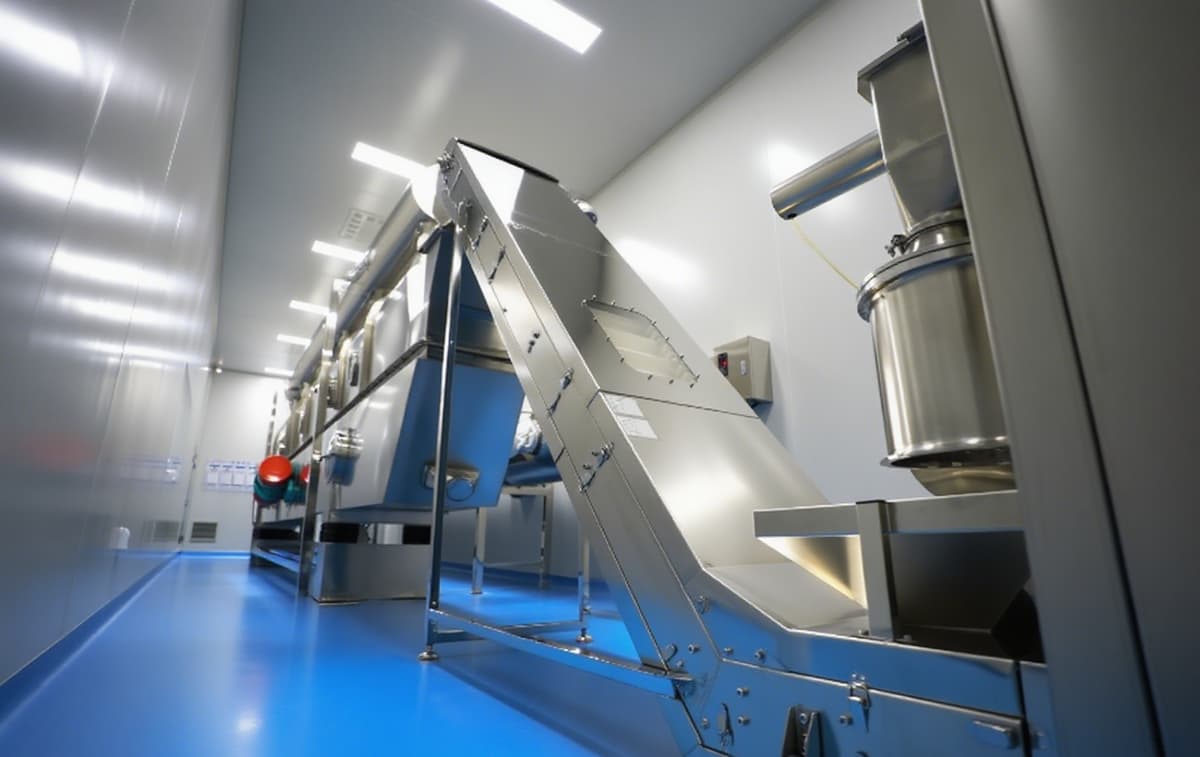
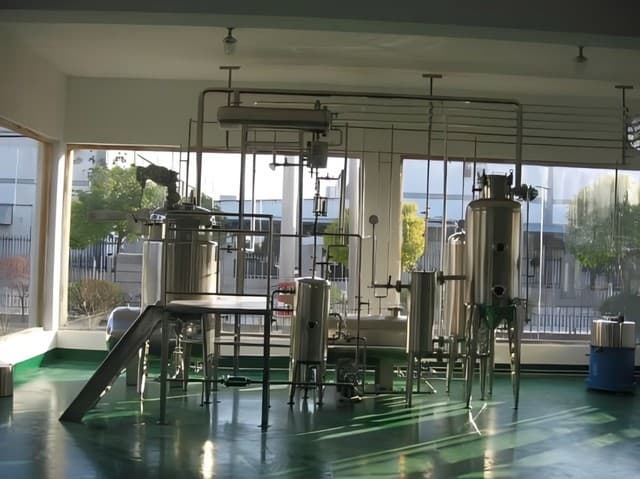
Xylitol production begins with xylan-rich agricultural residues, typically corn cobs, which are cleaned, milled and hydrolyzed to release D-xylose. The xylose syrup is purified by decolorization and ion exchange, then hydrogenated over a catalytic system to convert the sugar to xylitol; the resulting solution is concentrated, crystallized, centrifuged and dried to pharmaceutical-standard white crystals.
Finished lots are tested for assay and purity by HPLC, identification, loss on drying, reducing sugars, ash, heavy metals, microbial limits and optical rotation, with residual hydrogenation catalysts controlled where relevant. Analytical methods follow the FCC and USP-NF monographs for Xylitol and general chapters, and every batch is released with a Certificate of Analysis documenting the full test panel.
Applications of Xylitol
Sugar-free confectionery and chewing gum remain the largest application, where xylitol's sweetness, cooling effect and dental profile are the core value. It is used in hard and soft candies, chocolates, mints and gum, typically blended with other polyols and high-intensity sweeteners to balance sweetness, texture and cost, and the EFSA-authorized oral-health claim for xylitol chewing gum is an important label tool in the European market.
Oral-care and dietary applications form the second cluster. Xylitol appears in toothpaste, mouthwash, mints and chewable tablets positioned for dental health, and in sugar-free dietary supplements such as chewable vitamins, effervescent tablets, syrups and stick-packs where its clean taste and low glycemic load are valued. Formulators should respect the laxative threshold (typically above 30-50 g per day for adults), label polyol content where required, and keep xylitol-containing products clearly out of pet-food applications because of xylitol toxicity in dogs.
Manufacturing & Quality Control
Purecium Xylitol is produced in facilities operating under ISO 9001 and FSSC 22000 certified quality systems, with Kosher and Halal certification available. Every lot is tested for assay, identification, loss on drying, reducing sugars, heavy metals, microbial limits and physical appearance, with the FCC monograph as the reference specification and USP-grade options on request.
Each commercial lot is traceable from biomass intake through hydrolysis, hydrogenation and crystallization to the finished bag, and every batch is released on a Certificate of Analysis. Purecium also provides the specification sheet, SDS, allergen and gluten statements, non-GMO and vegan declarations, and stability data, and can coordinate third-party laboratory reports for customer qualification.
Xylitol for B2B Supplement Manufacturing
Purecium supplies Xylitol exclusively as a B2B bulk ingredient for food, beverage, oral-care and supplement manufacturers, distributors and private-label producers. The standard minimum order quantity is 25 kg; xylitol is packed in 25 kg multi-layer kraft bags with food-grade liners, and larger tonnage orders can be arranged with flexible lead times and dedicated production slots.
For North American customers, inventory is staged at Purecium's US warehouse, enabling rapid pickup or delivery, and global delivery covers Hong Kong, mainland China, the EU and other regions with full export documentation. Purecium provides specification and application support, polyol-blend guidance and regulatory documentation to help buyers qualify xylitol efficiently for each destination market.
Reviewed by the Chief Quality Assurance / Regulatory Affairs Specialist at Purecium for technical accuracy and regulatory alignment.
How does bulk xylitol compare with erythritol, sorbitol and maltitol in specification, dosing, handling and regulatory status for B2B formulation?
Xylitol (CAS 87-99-0) is a five-carbon sugar alcohol (pentitol) with about 2.4 kcal/g and a sweetness roughly equal to sucrose. Erythritol (CAS 149-32-6) is a four-carbon sugar alcohol (tetritol) at about 0.2 kcal/g and 60-70% of sucrose sweetness. Sorbitol (CAS 50-70-4) and maltitol (CAS 585-88-6) are hexitols; sorbitol is about 60% as sweet as sucrose, while maltitol reaches 75-90%. All four are non-cariogenic and do not raise blood glucose as sucrose does, but only erythritol has a high digestive tolerance because it is absorbed largely unchanged and excreted in urine. Typical bulk doses differ by application. In sugar-free chewing gum, xylitol is used at 40-70% of the gum base, erythritol at 30-60%, sorbitol at 20-50% and maltitol at 30-60%. In confectionery and baked goods, xylitol and maltitol are often dosed at 10-30% of the formulation, sorbitol at 5-20%, and erythritol at 5-15% because of its lower sweetness and cooling effect. For tabletop sweeteners, xylitol and erythritol are common at 0.5-2 g per serving, while sorbitol and maltitol are less used due to laxative thresholds. Handling and stability: xylitol is non-hygroscopic and free-flowing, with good thermal stability up to about 150°C; erythritol is even more heat-stable and non-hygroscopic; sorbitol is hygroscopic and can cake; maltitol is moderately hygroscopic. All are water-soluble, but erythritol has the lowest solubility (about 37 g/100 mL at 25°C) and xylitol about 64 g/100 mL. Regulatory status: all four are approved as food additives or generally recognized as safe in the EU and US, with xylitol carrying an EFSA-approved health claim for dental health. Documentation for bulk supply typically includes CoA, MSDS, halal/kosher certificates where applicable, and non-GMO statements.Comparison in table form.
The table below sets out the parameters that determine how each material is specified, dosed and documented in a finished formulation.Parameter
Xylitol
Erythritol
Sorbitol
CAS number
87-99-0
149-32-6
50-70-4
Chemical class
Pentitol (C5 sugar alcohol)
Tetritol (C4 sugar alcohol)
Hexitol (C6 sugar alcohol)
Typical dose
40-70% in gum; 10-30% in confectionery
30-60% in gum; 5-15% in confectionery
20-50% in gum; 5-20% in confectionery
Solubility
About 64 g/100 mL at 25°C
About 37 g/100 mL at 25°C
About 235 g/100 mL at 25°C
Stability
Non-hygroscopic; stable to 150°C
Non-hygroscopic; stable to 160°C
Hygroscopic; can cake; stable to 120°C
Regulatory status
EU/US approved; EFSA dental claim
EU/US approved; no dental claim
EU/US approved; no dental claim
Supply form
Crystalline powder or granules
Crystalline powder or granules
Crystalline powder or syrup
Documentation
CoA, MSDS, halal/kosher, non-GMO
CoA, MSDS, halal/kosher, non-GMO
CoA, MSDS, halal/kosher, non-GMO