

D-Ribose
Mitochondrial ATP Catalyst
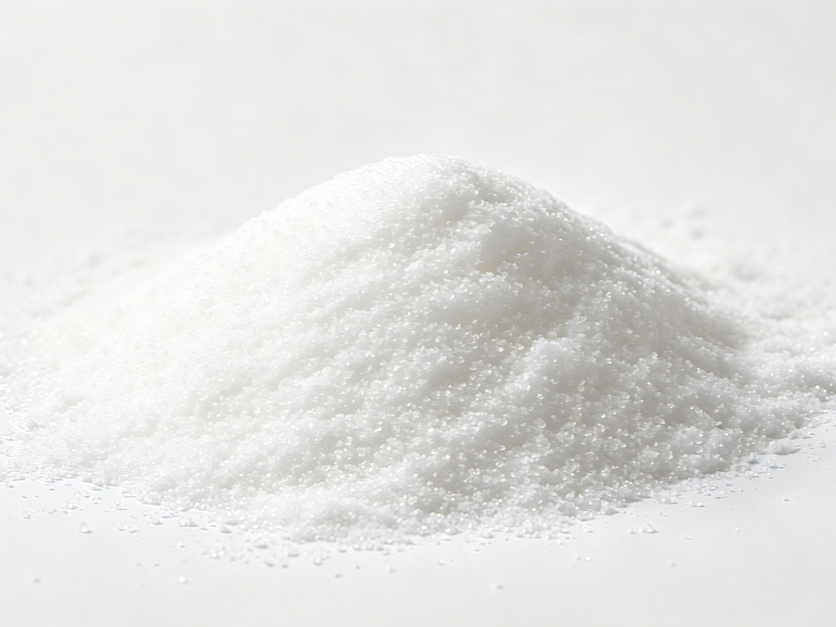
D-Ribose
Purecium’s D-Ribose powder is engineered to overcome traditional metabolic bottlenecks in human energy production. By bypassing standard rate-limiting enzymatic pathways, it accelerates the resynthesis of vital nucleotide pools within muscle and cardiac tissues. This makes it an exceptional functional asset for advanced formulations designed to mitigate exercise-induced fatigue, shorten recovery windows, and support sustained physical stamina. Formulators benefit from a highly bioavailable ingredient that seamlessly integrates into pre-workout powders, capsules, and functional energy blends without altering taste or stability profiles.
Buyer snapshot: MOQ 25 kg; free samples with COA; 7-15 days lead time for stock grades; FOB Hong Kong / CIF / DDP; stock held in the United States; 2-day pickup for North America; per-batch COA / TDS / SDS; quotation response within 12 business hours. Quotation on request, samples dispatched worldwide.
Product name: D-Ribose
Molecular formula: C5H₁0O₅
Starting material: Corn
Grade: Food/Feed Grade
Heavy Metals: USP/EP
Pesticide residue: USP/EP
Packing size: 25kg/drum
CAS#: 50-69-1
Molecular weight:150.13 g/mol
Source: Fermentation
Specification: 99% HPLC
Country of origin: China
Residual solvent: USP/EP
Allergen free/Gluten-free/Non-GMO/Vegan/Non-Irradiation

D-Ribose Overview
D-Ribose (CAS 50-69-1, molecular formula C5H10O5, molecular weight 150.13 g/mol) is a naturally occurring five-carbon sugar that forms the structural backbone of ATP, RNA, NADH, and coenzyme A in cellular metabolism.
Purecium supplies food-grade D-Ribose bulk powder produced by fermentation of glucose rather than by chemical synthesis, and this natural route matters to brands because it delivers a bio-identical sugar that supports clean-label positioning in the energy-support and sports-nutrition categories. The ingredient is offered as D-Ribose crystalline powder and as D-Ribose fine powder, both characterized by a clean, sweet taste and high water solubility, which gives formulation teams flexible options for tablets, capsules, sachets, beverage premixes, and functional food applications across global markets. The crystalline grade suits compression and dry-blend formats, while the fine grade disperses quickly in liquid systems, so buyers can match particle behavior to the needs of a specific production line.
Source & Ingredient Identity
D-Ribose is a natural pentose, meaning a five-carbon sugar, and it is among the most fundamental carbohydrates in biology because it forms the structural backbone of adenosine triphosphate (ATP), ribonucleic acid (RNA), nicotinamide adenine dinucleotide (NADH), and coenzyme A. Every living cell synthesizes ribose from glucose, and the role of ribose in ATP and RNA synthesis is standard content in biochemistry reference frameworks recognized by the scientific community, which is why ribose is studied wherever cellular energy resynthesis is a formulation target. Commercial food-grade D-ribose replicates that natural relationship through controlled microbial fermentation of glucose rather than chemical synthesis, an approach that yields a bio-identical sugar with a clean impurity profile.
Buyers evaluating D-ribose should note a labeling fact that is easy to overlook: ribose is a genuine sugar with its own sweetness and a caloric value of approximately four kilocalories per gram, so finished-product claims must never position it as free of sugar or as a calorie-free sweetener, and it should be declared as a sugar on nutrition labels where applicable. Brands that intend to make low-sugar or reduced-calorie claims should review ribose against the specific claim rules of each target market before finalizing labels. Purecium qualifies D-ribose against declared specifications covering identity by CAS registry number 50-69-1, assay by high-performance liquid chromatography, and food-grade status under the quality frameworks described by USP-NF and the European Pharmacopoeia for food and supplement ingredients.
Key Characteristics of D-Ribose
D-ribose presents as a white crystalline powder with high water solubility and a mild, clean sweetness that formulators typically estimate at approximately 0.7 times the sweetness of sucrose; that figure is best treated as an approximate sensory property, because perceived sweetness shifts with concentration, temperature, and the other ingredients in a finished matrix. The material is milled to a fine, free-flowing particle size that supports rapid dissolution in beverage systems, uniform blending in dry mixes, and consistent fill weights in capsule, sachet, and stick-pack operations, all without introducing flavor interference.
Because D-ribose is a hygroscopic sugar, moisture sensitivity is the characteristic that most influences handling, storage, and finished-product stability. The powder is dried to a tight moisture specification, packed under low-humidity conditions, and stored sealed below 25 degrees Celsius to prevent caking and preserve powder flow, and the standard specification holds assay at 98.0 percent minimum by HPLC with controlled heavy metals within USP limits. Together these characteristics make D-ribose a dependable base for energy-support positioning in functional beverages, recovery powders, and sports nutrition formats, and opened drums should be re-tested within six months.
D-Ribose Manufacturing
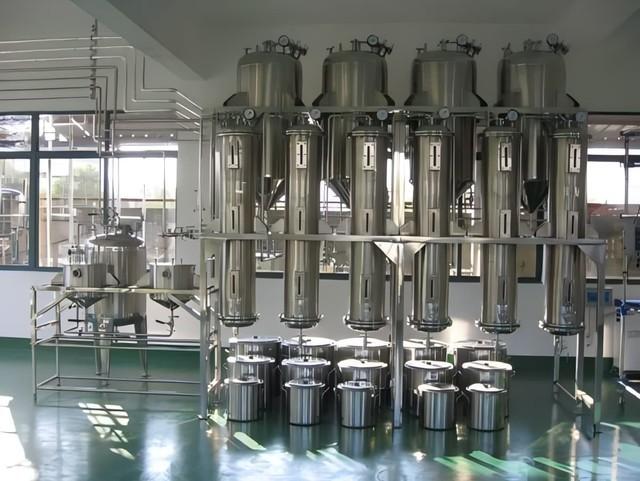
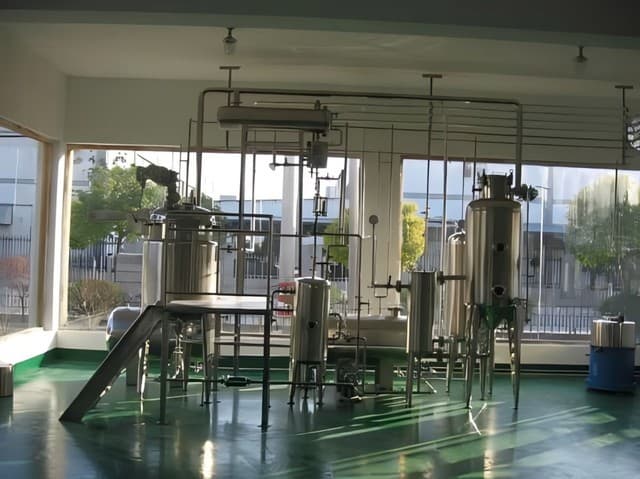
D-ribose is produced through a fermentation route that begins with food-grade glucose rather than petrochemical feedstocks. In the process, a carefully controlled microbial fermentation converts glucose into ribose while temperature, pH, and nutrient feed are monitored against the master batch record, after which the broth is clarified and the sugar is purified through chromatographic separation and multi-stage crystallization that remove process impurities, residual proteins, and unwanted organic acids. The purified crystals are then dried under controlled conditions to meet the tight moisture target required for a hygroscopic sugar.
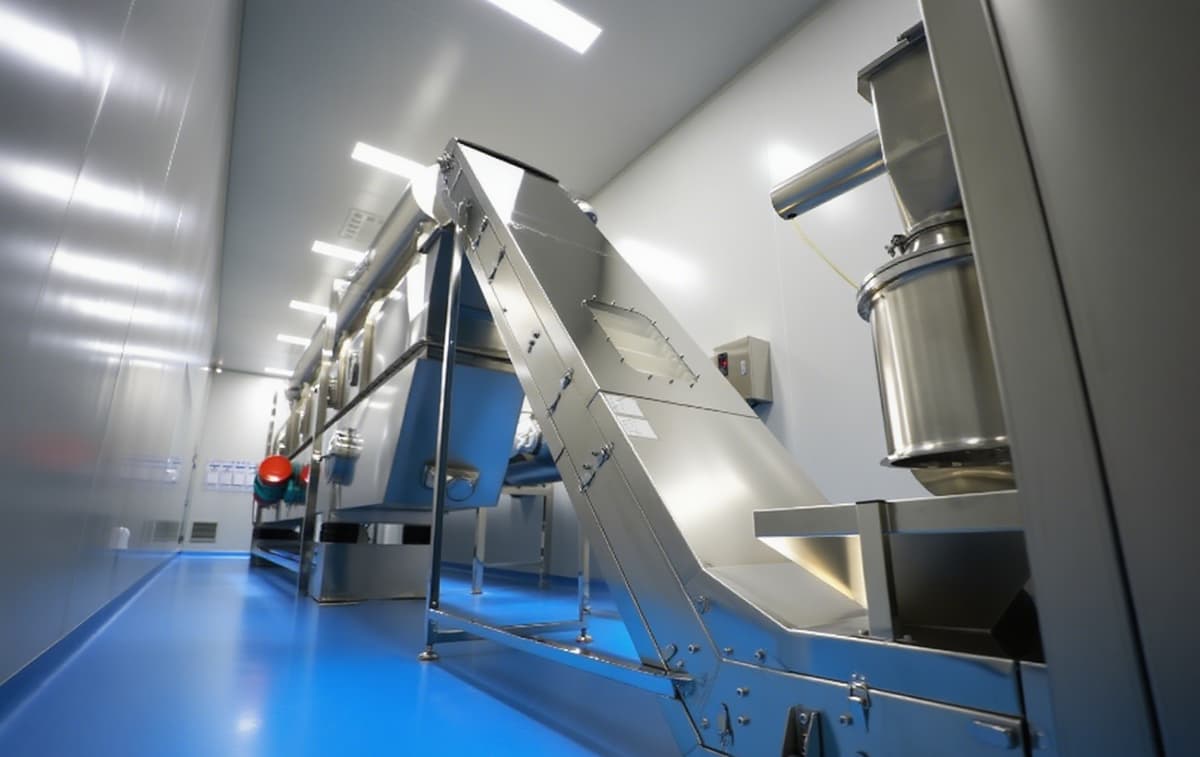
After crystallization and drying, the product is milled to the declared particle-size distribution, blended for batch homogeneity, and packed under low-humidity conditions to protect against moisture pickup during storage and transit. Stability programs cover a standard 24-month shelf life, with real-time data generated under storage conditions of 25 degrees Celsius and moderate relative humidity that mirror warehouse practice, and accelerated stability data are available to support customer registration dossiers in regulated markets. Because the fermentation route avoids the solvent-intensive chemistry used in some legacy processes, it delivers a cleaner impurity profile that is easier to document for food and supplement compliance reviews.
Applications of D-Ribose
D-ribose is used by supplement brands and contract manufacturers in four primary application clusters, each grounded in a distinct mechanism of action. First, ATP and cellular energy-support formulas, where ribose supplies the carbohydrate backbone required for ATP resynthesis after high-intensity exercise, a mechanism examined in peer-reviewed sports nutrition research. Second, cardiac and vascular wellness formulas that build on a research tradition in myocardial energy metabolism documented in the clinical literature, in which ribose has been studied as an energy substrate for metabolically stressed heart tissue rather than as a treatment for any disease, and these two clusters account for the majority of commercial ribose volume worldwide.
Third, sports-recovery and endurance products that position D-ribose for ATP resynthesis support in high-intensity training contexts described in the sports science literature on repeated sprint and interval efforts. Fourth, reduced-sugar and low-glycemic sweetener systems, where some formulators blend ribose for its clean sweetness while recognizing that it is a sugar with its own calories and glycemic contribution, which is why weight-based dosing is the industry norm rather than sweetness-matched dosing. Typical commercial serving sizes range from 2 to 5 grams per day across energy, recovery, and wellness formulas, with final levels determined by each brand's own regulatory review and label compliance under applicable food and supplement frameworks.
Manufacturing & Quality Control
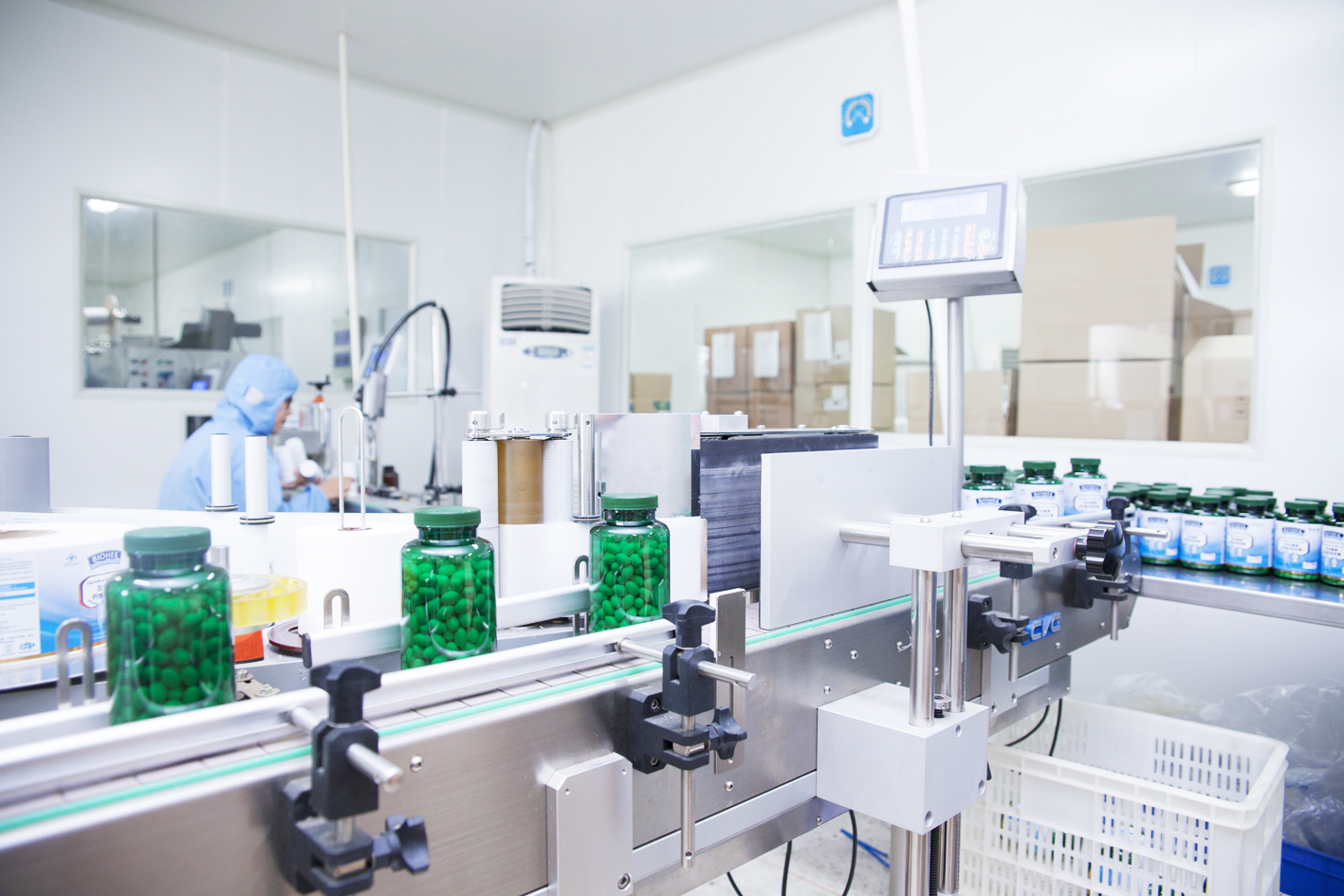
Every commercial batch of Purecium D-ribose is produced under ISO 9001 and FSSC22000 certified quality management systems in cGMP-compliant facilities with HACCP controls in place. Finished-product testing covers HPLC assay at 98.0 percent minimum, loss on drying, heavy metals within USP limits including lead, arsenic, cadmium, and mercury controlled at single-digit ppm levels or below, residual solvent testing per USP methods, and a full microbiological panel. Each shipment is released with a Certificate of Analysis (CoA) documenting every measured parameter, with methods following current compendial references.
Because D-ribose is hygroscopic, the quality program treats stability as a moisture-control exercise: sealed food-grade packaging, controlled storage below 25 degrees Celsius, caking-prevention checks on retained samples, and documented re-test guidance together support a standard 24-month shelf life, and opened drums should be re-sealed promptly after sampling. Documentation accompanying every order includes the Safety Data Sheet (SDS), allergen statement, non-GMO verification, and BSE/TSE-free certificate, while Kosher and Halal certifications support distribution into religious-market segments and AOAC-referenced procedures back the supporting analytical work.
D-Ribose for B2B Supplement Manufacturing
Purecium serves dietary supplement distributors, contract manufacturers (OEM/ODM), and terminal brand owners with bulk D-ribose crystalline powder and fine powder at a standard MOQ of 25 kilograms, packed in food-grade drums with double polyethylene liners that block moisture ingress. Logistics options include air freight, ocean container loads (FCL/LCL), and expedited courier dispatch, with warehousing support in the United States for rapid restocking of North American production lines and direct export from China serving EU, UK, and global customers.
Commercial partners receive tiered volume pricing, pilot-scale samples for research and development evaluation, application guidance for beverage, sachet, and tablet formats, and proactive market intelligence on raw-material trends. The company maintains over 15 years of nutraceutical export experience and a dedicated B2B account-management team that coordinates COA documentation, customs paperwork, and regulatory dossiers to keep launch timelines on schedule, and every lot is traceable from glucose sourcing through final packing. Reviewed by the Chief Quality Assurance / Regulatory Affairs Specialist at Purecium for technical accuracy and regulatory alignment.
Supplying buyers in North America, the European Union, Latin America, Asia and the Middle East
Purecium supplies D-Ribose in bulk from Hong Kong, the United States and the European Union. Orders are quoted FOB, CIF or DDP as you prefer: air freight for urgent volumes, sea freight (full container or consolidated) for bulk quantities. Transit time, import requirements and duties are confirmed in each quotation.
For local registration, our technical package is filed with the authority in your market: EU-GMP partner manufacturing and Ph. Eur. / USP monograph testing for the European Union and the United Kingdom; COFEPRIS (Mexico), INVIMA (Colombia), ANMAT (Argentina), ISP (Chile) and ANVISA (Brazil) in Latin America; SFDA and Gulf documentation in the Middle East; BP, JP or ChP monographs in Asia. Every lot ships with a batch COA, TDS, SDS and GMP, ISO 9001, FSSC 22000, Kosher and Halal certificates.
Commercial support is available in English, Spanish and Chinese, and qualification samples are dispatched worldwide, with a response within 12 business hours.