

Coenzyme Q10
Cellular Energy and Antioxidant Defense
CoQ10
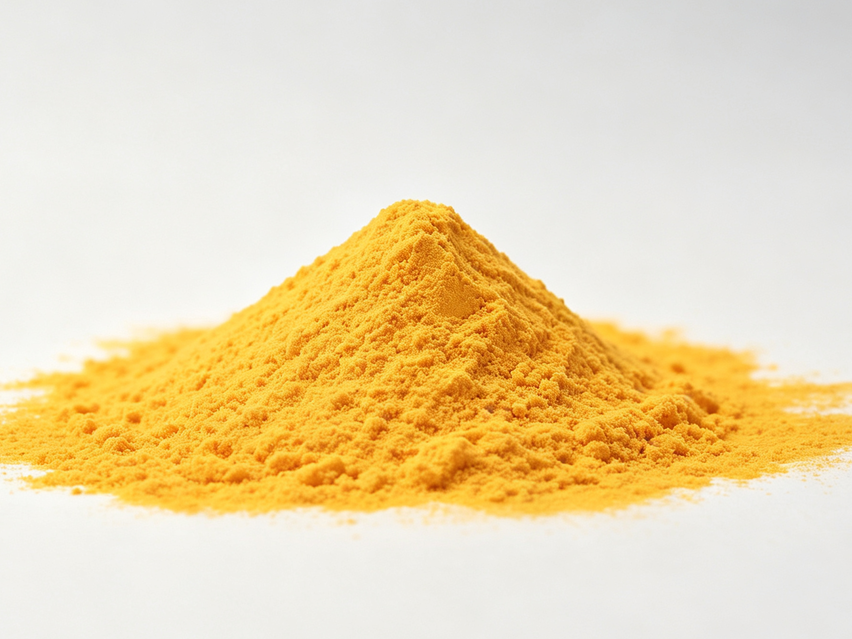
Purecium CoQ10 (Coenzyme Q10, Ubiquinone) is a high-purity fermented B2B ingredient for cellular energy, cardiovascular and antioxidant formulations. Available as 100% crystalline powder and 10% and 20% cold-water-soluble (CWS) powder, our ubiquinone is produced by microbial fermentation to USP and EP standards, with an HPLC assay of 98% minimum and a full Certificate of Analysis on every batch. Allergen-free, gluten-free, non-GMO and vegan, it is packed in 25 kg drums with a 25 kg minimum order, staged at our US warehouse for fast dispatch, and supported by regulatory documentation for distributors, contract manufacturers and supplement brands worldwide.
Product name: Coenzyme Q10 (Ubiquinone)
Molecular formula: C59H90O4
Starting material: Microbial fermentation (yeast)
Grade: USP / EP
Heavy Metals: Conforms to USP/EP
Pesticide residue: Conforms to USP/EP
Packing size: 25kg/drum
CAS#: 303-98-0
Molecular weight:863.34 g/mol
Source: Microbial fermentation (yeast)
Specification: 98% min crystalline powder; 10% / 20% CWS powder
Country of origin: China
Residual solvent: Conforms to USP/EP
Allergen free/Gluten-free/Non-GMO/Vegan/Non-Irradiation

Coenzyme Q10 Overview
Coenzyme Q10, also known as Ubiquinone or Ubidecarenone, is a lipid-soluble benzoquinone found in the inner mitochondrial membrane of virtually all human cells, where it acts as an electron carrier in ATP production. It is identified by CAS number 303-98-0, molecular formula C59H90O4 and molecular weight 863.34 g/mol. Common synonyms include CoQ10, Coenzyme Q10, Ubiquinone, Ubidecarenone and 2,3-dimethoxy-5-methyl-6-decaprenyl-1,4-benzoquinone. The name 'ubiquinone' reflects its ubiquitous presence in living organisms.
For the dietary supplement industry, CoQ10 is a core ingredient in cardiovascular health, cellular energy, antioxidant and sports nutrition products, and it is among the most widely sold coenzyme supplements worldwide. Purecium supplies CoQ10 as a B2B raw material for distributors, contract manufacturers, private-label producers and finished supplement brands, in crystalline and cold-water-soluble powder forms with complete analytical documentation.
Source & Ingredient Identity
Purecium CoQ10 is produced by microbial fermentation, the route that now dominates commercial production because it yields the natural all-trans form of the molecule with high purity. Yeast fermentation accumulates ubiquinone in cell membranes; the compound is then extracted, purified and crystallized to a minimum assay of 98 percent by HPLC. Fermented CoQ10 is chemically identical to the CoQ10 synthesized endogenously in human cells and carries the correct natural stereochemistry, which is the reason most premium brands specify fermented material.
Three specifications are available under one product line: 100% crystalline powder, 10% cold-water-soluble (CWS) powder and 20% CWS powder. The crystalline form is the concentrated active for softgels, capsules and oil-based systems, while the CWS forms are spray-dried onto food-grade carriers for instant dispersion in beverages, sachets, tablets and powder blends. All grades conform to USP and EP standards where applicable, are produced in China and are non-irradiated, with no allergens, no gluten and no GMO material. For B2B buyers, the key purchasing checks are the assay on the Certificate of Analysis and the solubility grade, since crystalline and CWS forms are selected for different dosage formats.
Key Characteristics of Coenzyme Q10
1. High-purity fermented active. The crystalline grade is standardized to 98% minimum assay by HPLC against the USP-NF coenzyme Q10 monograph, with heavy metals within limits and conforming residual solvents. Because it is fermentation-derived, the product is the natural all-trans isomer and is non-GMO, with the corresponding declaration available per lot.
2. Three physical forms for three dosage families. Crystalline powder serves softgel and capsule production, where CoQ10 is typically suspended in an oil base; 10% and 20% CWS powders provide instant dispersibility for effervescent, beverage, sachet and tablet applications; and all grades offer consistent dosing and batch-to-batch uniformity for production planning.
3. Clean-label and regulation-ready. Coenzyme Q10 is allergen-free, gluten-free, non-GMO and vegan, with non-irradiation confirmed on every lot. It is recognized in the United States as a generally recognized as safe ingredient for use in foods and is widely permitted as a food supplement ingredient in the European Union and Asia, which supports straightforward registration across major markets.
Coenzyme Q10 Manufacturing Process
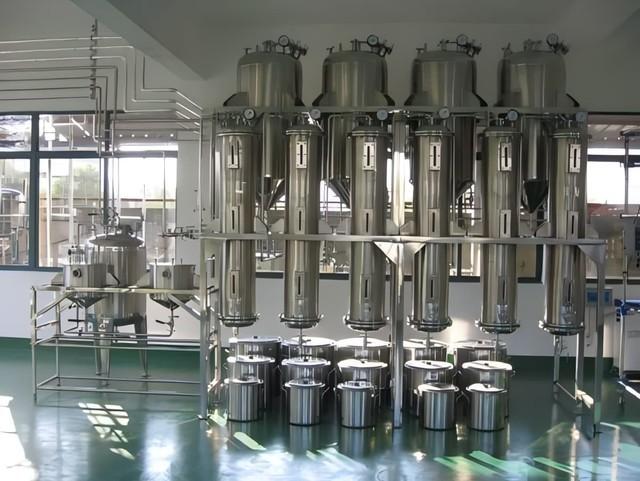
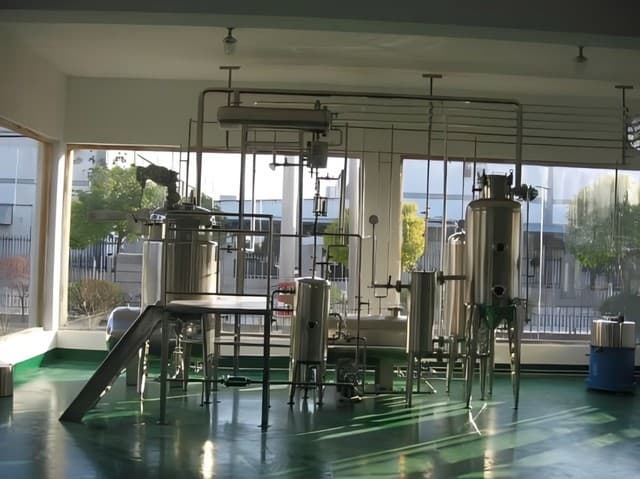
The commercial route begins with a carefully selected yeast strain cultivated in controlled fermentation vessels under defined nutrient and oxygen conditions. As the culture matures, ubiquinone accumulates in the mitochondrial membranes of the cells. After harvest, the biomass is extracted with food-grade solvents, and the crude extract is purified through chromatographic and crystallization steps to deliver crystalline ubiquinone at 98% minimum assay. For CWS grades, the crystalline active is micronized and spray-dried with food-grade carriers such as starch or gum systems to create instant-dispersing powder with defined particle-size distribution.
Every production stage is process-controlled, and each finished lot is verified by HPLC against the relevant USP or EP standard before release. Residual solvent, heavy metal, moisture and microbiological results are reported on the batch Certificate of Analysis. Because CoQ10 is light- and heat-sensitive, the process and packaging are designed to protect the active through storage and shipment, and each lot is traceable from fermentation seed stock to finished drum.
Applications of Coenzyme Q10
Cellular energy production and cardiovascular health are the primary applications of CoQ10. Mechanistically, ubiquinone carries electrons between mitochondrial complexes I and III of the electron transport chain, directly supporting ATP synthesis in tissues with high energy demand, notably cardiac muscle. This bioenergetic role is the scientific basis for its use in heart-health, energy and sports nutrition products, and CoQ10 status is recognized as relevant to normal aging by the NIH Office of Dietary Supplements, which maintains a dedicated fact sheet on the nutrient.
Coenzyme Q10 is also a lipid-soluble antioxidant that protects cell membranes and circulating lipoproteins from oxidative damage, which is why it is co-formulated in antioxidant and cardiovascular wellness systems. In addition, its role in mitochondrial function has made it a frequent partner ingredient in healthy-aging and cognitive formulas. Peer-reviewed research has examined CoQ10 supplementation in cardiovascular, energetic and antioxidant contexts extensively; finished-product claims should always follow the regulations of the destination market.
CoQ10 is compatible with softgels, capsules, tablets, sachets, effervescent tablets and powder beverages. The crystalline grade is the standard choice for softgel oil suspensions, while CWS powders enable clean incorporation into dry and liquid formats. It is frequently co-formulated with PQQ, L-carnitine and NAD precursors in mitochondrial-energy and healthy-aging stacks, giving B2B buyers flexible options across consumer segments.
Manufacturing & Quality Control
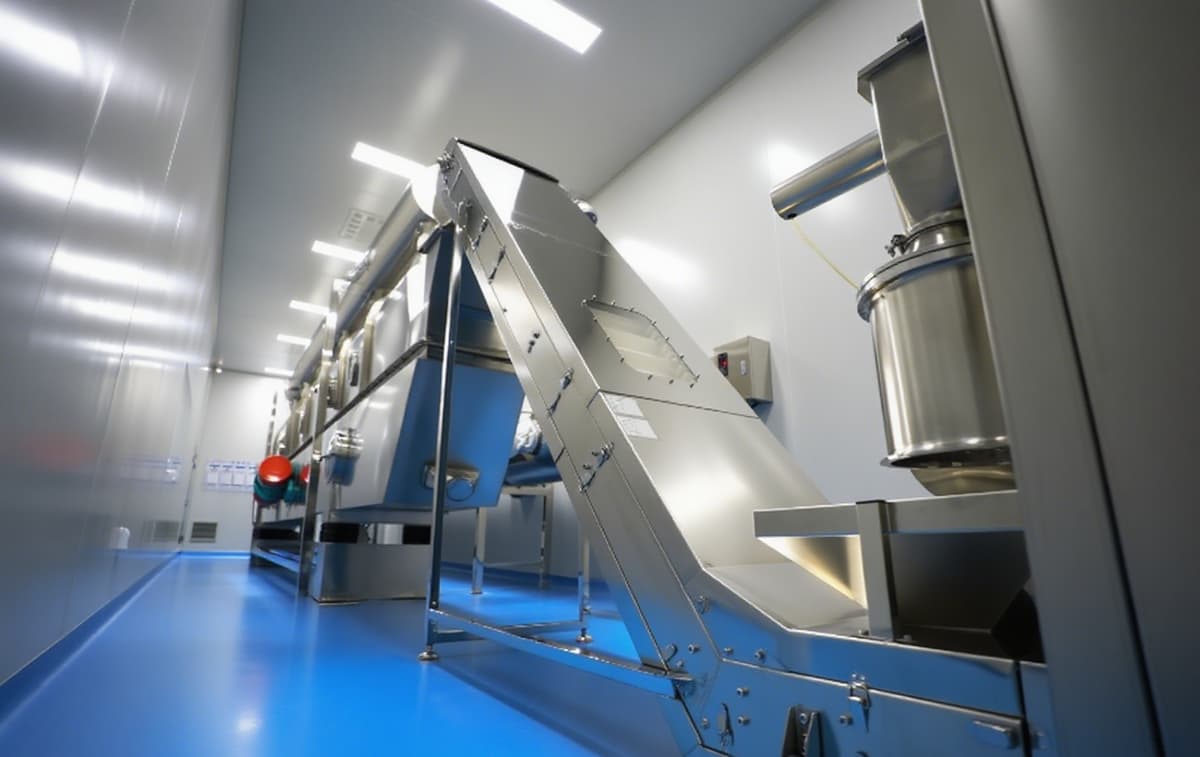
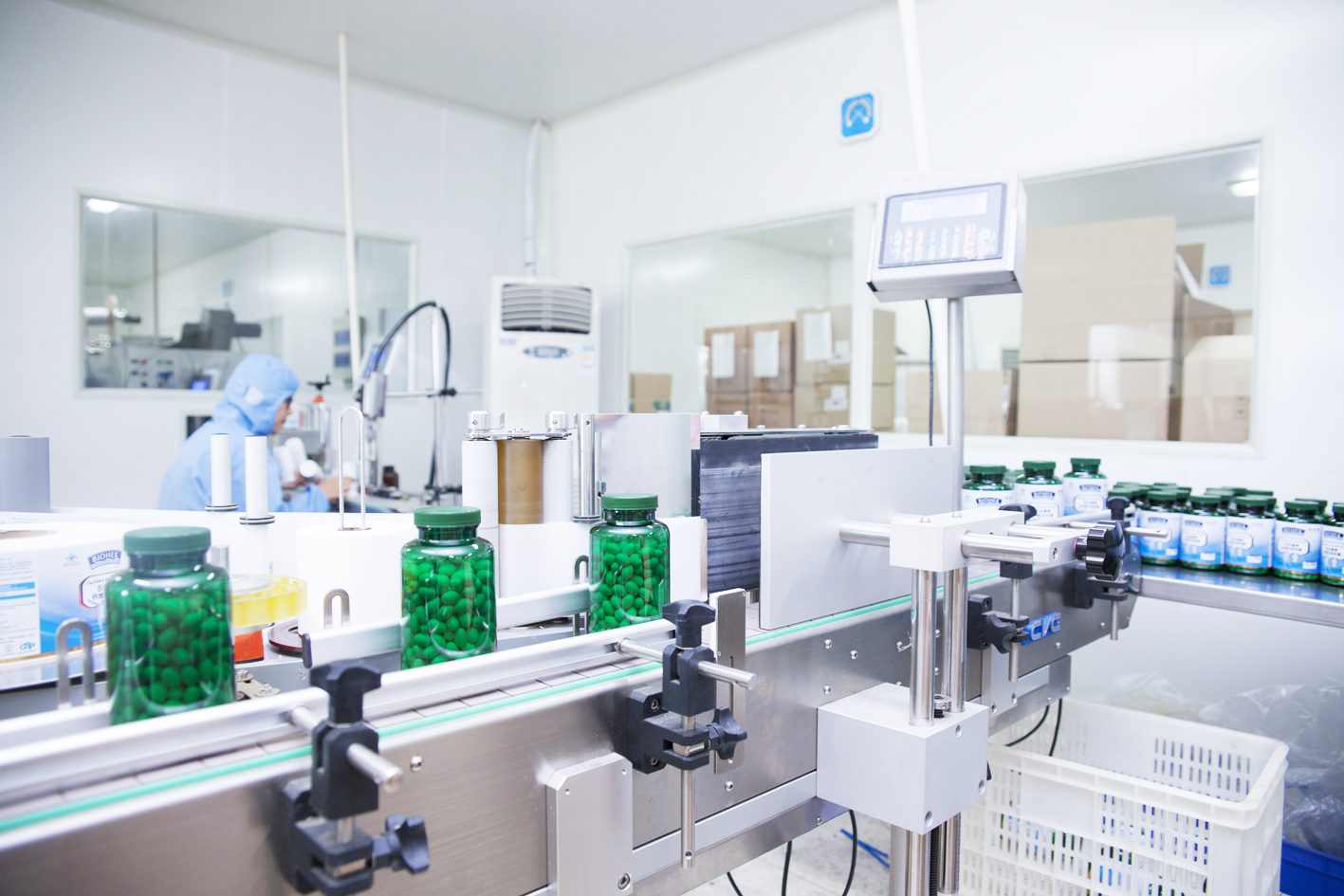
Purecium CoQ10 is produced in facilities operating under ISO 9001 and FSSC 22000 certified quality systems, with Kosher and Halal certification available. Analytical methods follow the current USP-NF monograph for Coenzyme Q10 and applicable EP requirements, and each batch is assayed by HPLC. Routine release testing covers identification, assay, related substances, heavy metals, residual solvents, moisture and microbial limits, with results documented on a batch-specific Certificate of Analysis.
Each commercial lot is fully traceable from fermentation seed stock to finished drum. Alongside the CoA, Purecium provides the specification sheet, SDS, allergen and gluten statements, non-GMO declarations and stability data on request, giving buyers the documentation needed for raw-material approval and finished-product registration.
Coenzyme Q10 for B2B Supplement Manufacturing
Purecium supplies CoQ10 exclusively as a B2B raw material for distributors, contract manufacturers, private-label producers and finished supplement brands. The minimum order quantity is 25 kg. Crystalline and CWS grades are packed in 25 kg drums with food-grade aluminum-foil inner bags, and samples and full documentation are available before commitment.
For North American customers, inventory is staged at Purecium's US warehouse, enabling pickup or delivery within approximately two days. Global delivery covers Hong Kong, mainland China, the EU and other regions, with export documentation prepared for every shipment. Purecium also supports custom blending with complementary mitochondrial-health ingredients such as PQQ and L-carnitine, and provides technical and regulatory communication to move CoQ10 from ingredient selection to commercial formulation.
Reviewed by the Chief Quality Assurance / Regulatory Affairs Specialist at Purecium for technical accuracy and regulatory alignment.
How does bulk CoQ10 compare with ubiquinol, PQQ, and NMN in specification, dosing, handling, and regulatory status for B2B formulation?
Coenzyme Q10 (ubiquinone) is a lipid-soluble benzoquinone with CAS 303-98-0. Ubiquinol is its reduced form (CAS 992-78-9), PQQ is a quinone (CAS 72909-34-3), and NMN is a nucleotide (CAS 1094-61-7). These distinct chemical classes drive differences in solubility, stability, and formulation. CoQ10 is practically insoluble in water but soluble in oils and organic solvents; ubiquinol shares this profile but is more oxidation-sensitive. PQQ is water-soluble, while NMN is highly water-soluble. In bulk handling, CoQ10 and ubiquinol require protection from light, heat, and oxygen; PQQ and NMN are generally more stable as dry powders but NMN is hygroscopic. Typical doses: CoQ10 100–300 mg/day, ubiquinol 100–200 mg/day, PQQ 10–40 mg/day, NMN 250–500 mg/day. For B2B formulation, CoQ10 is often supplied as powder or oil dispersion, ubiquinol as oil or microencapsulated powder, PQQ as crystalline powder, and NMN as powder. Regulatory status varies: CoQ10 is a dietary supplement ingredient in the US and a novel food in the EU; ubiquinol is similarly regulated; PQQ is self-affirmed GRAS in the US but not authorized in the EU; NMN is not a legal dietary supplement in the US and is under novel food review in the EU. Documentation typically includes CoA, MSDS, and specification sheets; for CoQ10 and ubiquinol, additional stability data may be required. Overall, CoQ10 offers a well-established regulatory and supply chain profile, while alternatives present specific formulation and compliance challenges.Comparison in table form.
The table below sets out the parameters that determine how each material is specified, dosed and documented in a finished formulation.Parameter
CoQ10
Ubiquinol
PQQ
CAS number
303-98-0
992-78-9
72909-34-3
Chemical class
Benzoquinone
Reduced benzoquinone
Quinone
Typical dose
100-300 mg/day
100-200 mg/day
10-40 mg/day
Solubility
Lipid-soluble
Lipid-soluble
Water-soluble
Stability
Light/heat sensitive
Oxidation sensitive
Stable as powder
Regulatory status
Supplement (US); novel food (EU)
Supplement (US); novel food (EU)
GRAS (US); not EU authorized
Supply form
Powder, oil dispersion
Oil, microencapsulated powder
Crystalline powder
Documentation
CoA, MSDS, spec sheet
CoA, MSDS, spec sheet
CoA, MSDS, spec sheet
Supplying buyers in North America, the European Union, Latin America, Asia and the Middle East
Purecium supplies coenzyme Q10 (ubiquinone, ubiquinol) in bulk from Hong Kong, the United States and the European Union. Orders are quoted FOB, CIF or DDP as you prefer: air freight for urgent volumes, sea freight (full container or consolidated) for bulk quantities. Transit time, import requirements and duties are confirmed in each quotation.
For local registration, our technical package is filed with the authority in your market: EU-GMP partner manufacturing and Ph. Eur. / USP monograph testing for the European Union and the United Kingdom; COFEPRIS (Mexico), INVIMA (Colombia), ANMAT (Argentina), ISP (Chile) and ANVISA (Brazil) in Latin America; SFDA and Gulf documentation in the Middle East; BP, JP or ChP monographs in Asia. Every lot ships with a batch COA, TDS, SDS and GMP, ISO 9001, FSSC 22000, Kosher and Halal certificates.
Commercial support is available in English, Spanish and Chinese, and qualification samples are dispatched worldwide, with a response within 12 business hours.