

Folic Acid (Vitamin B9)
Prenatal and Homocysteine Support
Folic Acid (Vitamin B9)
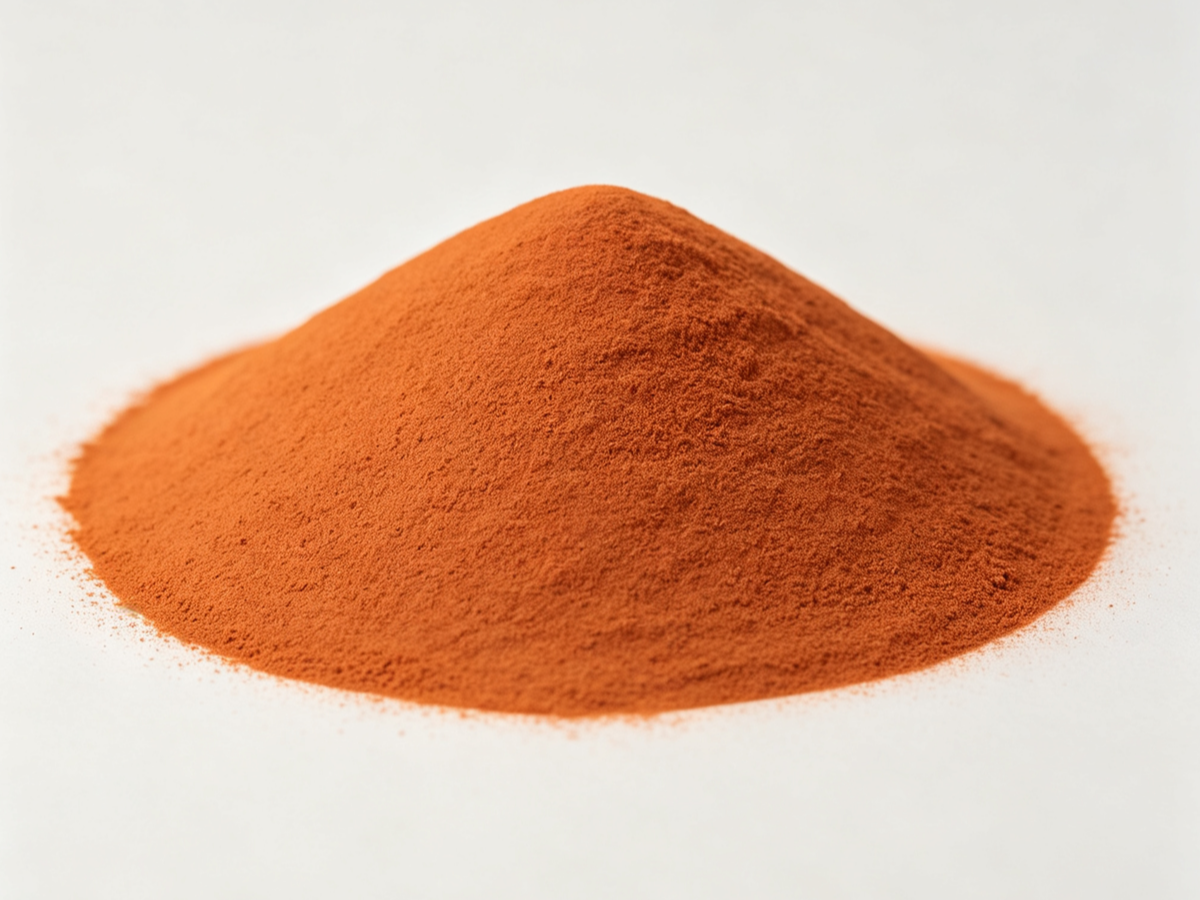
Purecium Folic Acid is a yellow, free-flowing crystalline powder for prenatal, homocysteine, red blood cell and immune support formulations. Identified by CAS number 59-30-3 with molecular formula C19H19N7O6 and molecular weight 441.4 g/mol, our synthetic folic acid (vitamin B9) is produced to USP and EP standards with a 96.0% to 102.0% minimum assay, HPLC-verified on every batch. Allergen-free, gluten-free, non-GMO and vegan, it is packed in 25 kg drums with a 25 kg minimum order, staged at our US warehouse, and supported by regulatory documentation for distributors, contract manufacturers and supplement brands worldwide.
Product name: Folic Acid (Vitamin B9)
Molecular formula: C19H19N7O6
Starting material: Synthetic route (pterin condensation)
Grade: USP / EP
Heavy Metals: Conforms to USP/EP
Pesticide residue: Conforms to USP/EP
Packing size: 25kg/drum
CAS#: 59-30-3
Molecular weight: 441.4 g/mol
Source: Synthetic (pteroylglutamic acid)
Specification: 96.0%-102.0% assay (USP), yellow crystalline powder
Country of origin: China
Residual solvent: Conforms to USP/EP
Allergen free/Gluten-free/Non-GMO/Vegan/Non-Irradiation:

Folic Acid (Vitamin B9) Overview
Folic acid, also known as pteroylglutamic acid, is the synthetic, fully oxidized form of the water-soluble B vitamin folate (vitamin B9), identified by CAS number 59-30-3, molecular formula C19H19N7O6 and molecular weight 441.4 g/mol. In the body, folic acid is reduced to tetrahydrofolate derivatives that carry one-carbon units for DNA synthesis, amino acid metabolism and red blood cell formation, making it one of the most biologically consequential B vitamins in the supplement industry. The synthetic form is the standard commercial and pharmacopeial grade because it is stable, crystalline and fully defined in the USP-NF and European Pharmacopoeia monographs.
For dietary supplement manufacturers, folic acid is a core nutrient in prenatal systems, homocysteine-support blends, cardiovascular, cognitive, immune and multivitamin products, and it is recognized by the FDA as a nutrient of public health importance, reflected in mandatory fortification of enriched cereal grain products in the United States. Purecium supplies Folic Acid as a yellow, free-flowing crystalline powder standardized to 96.0% minimum assay, sold exclusively as a B2B raw material for distributors, contract manufacturers, private-label producers and finished supplement brands.
Source & Ingredient Identity
Purecium Folic Acid is manufactured by a fully synthetic route: pteridine and p-aminobenzoylglutamic acid intermediates are condensed under controlled conditions to form the pteroylglutamic acid molecule, which is then purified by crystallization to yield a yellow-orange crystalline powder free from animal-derived input and fully suitable for vegan labeling. The synthetic route is the standard production method for commercial folic acid worldwide and provides a stable, defined product with consistent particle characteristics for blending.
One specification is offered under this product line: Folic Acid USP grade, 96.0% to 102.0% assay on a dried basis, conforming to USP and EP monographs, produced in China and non-irradiated, with no allergens, no gluten and no GMO material. For B2B buyers, the critical purchasing checks are the assay and related-substance profile on the Certificate of Analysis, the yellow crystalline form (which affects blend visibility and color in finished products), and the declared impurity profile, since related pterin and p-aminobenzoic acid compounds are controlled in pharmacopeial monographs.
Key Characteristics of Folic Acid (Vitamin B9)
1. One-carbon metabolism carrier. After reduction to tetrahydrofolate, folic acid derivatives carry one-carbon units for the synthesis of purines, thymidylate and methionine, supporting DNA synthesis, cell division, amino acid metabolism and red blood cell formation, with these roles recognized by EFSA in authorized claims for normal blood formation, amino acid synthesis and maternal tissue growth during pregnancy.
2. Homocysteine metabolism partner. Folic acid, together with vitamin B12 and vitamin B6, participates in the remethylation of homocysteine to methionine, which underpins its inclusion in cardiovascular and cognitive support products, and the NIH Office of Dietary Supplements recognizes this pathway in its assessment of folate's role in health.
3. Regulatory-clear and claim-rich. EFSA has authorized claims for folic acid in normal blood formation, normal amino acid synthesis, normal homocysteine metabolism, normal psychological function, normal immune function, reduction of tiredness and fatigue, and maternal tissue growth during pregnancy. The FDA mandates folic acid fortification of enriched cereal grains and has established a tolerable upper intake level of 1000 micrograms per day for adults, providing clear dosing boundaries for formulators.
Folic Acid (Vitamin B9) Manufacturing
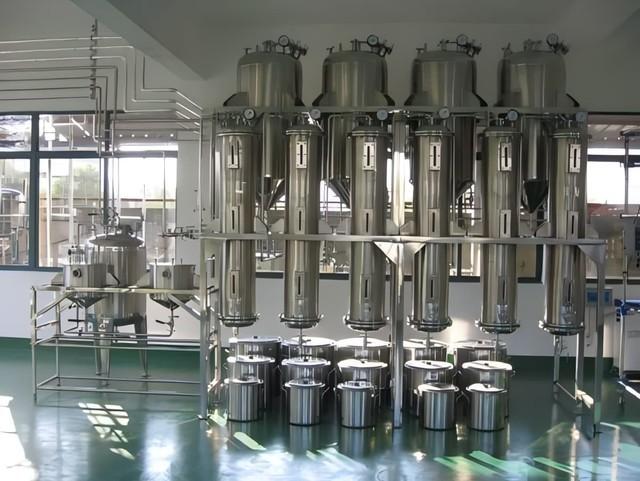
The manufacturing process follows a synthetic condensation route: pteridine and p-aminobenzoylglutamic acid intermediates are condensed in a controlled reaction sequence, and the crude folic acid is purified through alkaline dissolution, decolorization and crystallization to yield the characteristic yellow-orange crystalline product. The finished crystals are dried, screened to a defined particle-size profile, and assayed by HPLC against the USP-NF and European Pharmacopoeia monographs for folic acid.
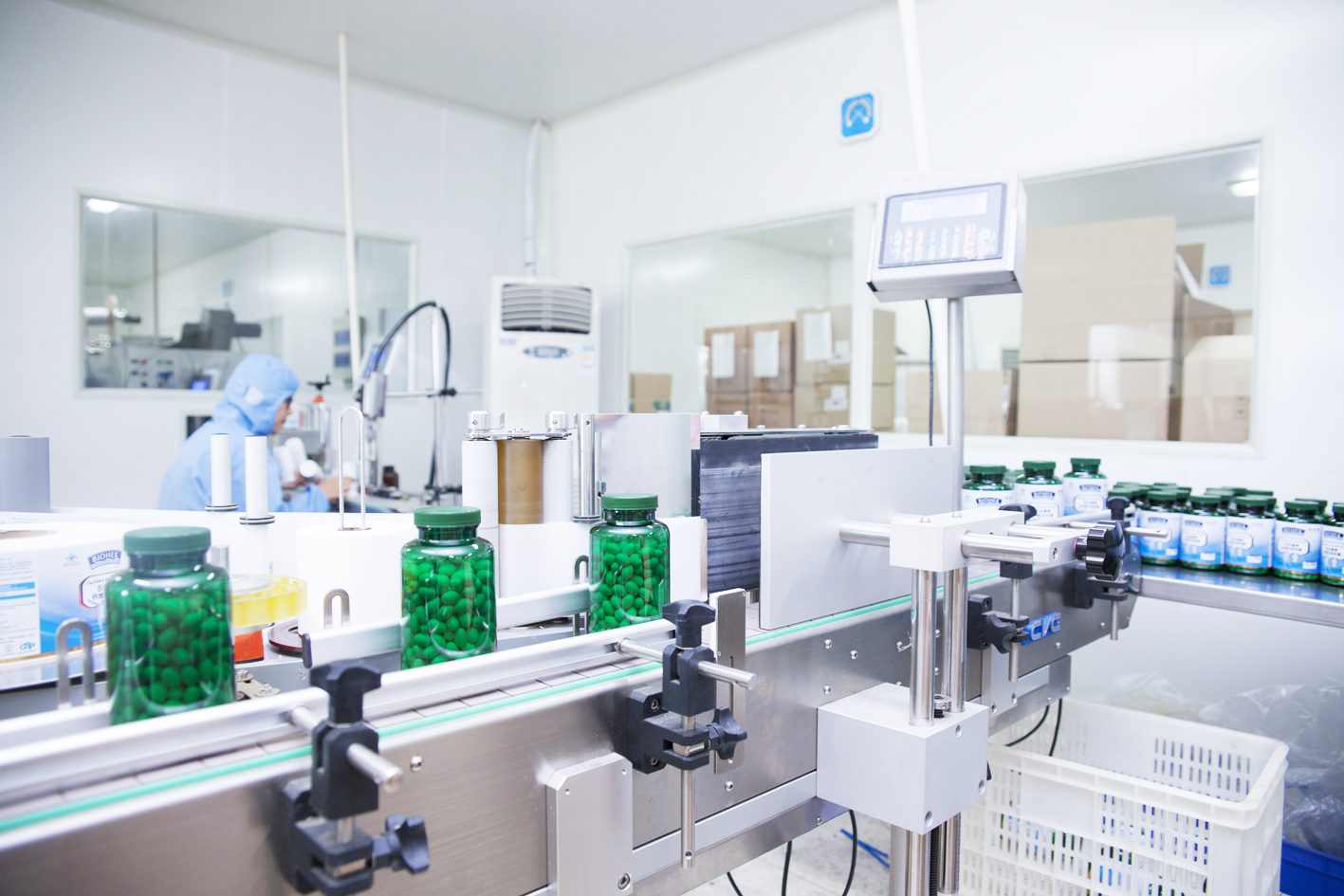
Every production stage is process-controlled, and each finished lot is verified by HPLC before release. Related substances, heavy metals, residual solvents, moisture, chloride content and microbiological results are reported on the batch Certificate of Analysis. Because folic acid is sensitive to light and oxidative conditions, the powder is packed in light-barrier, food-grade liners, and each lot is traceable from starting material to finished drum.
Applications of Folic Acid (Vitamin B9)
Prenatal nutrition and homocysteine support are the primary applications of folic acid. Mechanistically, folate derivatives are required for the synthesis of purines and thymidylate, the building blocks of DNA, and for the remethylation of homocysteine to methionine, so the vitamin is essential for rapidly dividing cells, including red blood cell precursors and fetal tissue. Through these pathways, folic acid contributes to normal blood formation, normal amino acid synthesis, normal homocysteine metabolism, normal psychological function, normal immune function and maternal tissue growth during pregnancy, all recognized by EFSA as authorized claims.
These mechanisms underpin its classic use in prenatal and pregnancy-support formulas, homocysteine and cardiovascular blends, cognitive and mood-support products, immune-health systems, and every multivitamin and B-complex on the market. Peer-reviewed research has examined folic acid in neural tube development, homocysteine and cognitive contexts extensively, and adequate intake levels are established by the FDA and other regulatory agencies. Finished-product claims should always follow the regulations of the destination market.
Folic acid is compatible with tablets, hard capsules, softgels, gummies, sachets and powder blends. It pairs naturally with vitamin B12 and vitamin B6 in homocysteine systems, with iron and other prenatal nutrients in pregnancy formulas, and with the full B-complex family in multivitamins. Formulators should protect folic acid from light and consider separation from reactive mineral salts where color or stability is critical; the free-flowing crystalline powder gives B2B buyers full flexibility across dry dosage forms.
Manufacturing & Quality Control
Purecium Folic Acid is produced in facilities operating under ISO 9001 and FSSC 22000 certified quality systems, with Kosher and Halal certification available. Analytical methods follow the current USP-NF and European Pharmacopoeia monographs for Folic Acid, and each batch is assayed by HPLC for content. Routine release testing covers identification, assay (96.0% to 102.0% on dried basis), related substances, moisture, heavy metals, residual solvents and microbial limits, with results documented on a batch-specific Certificate of Analysis.
Each commercial lot is fully traceable from starting material to finished drum. Alongside the CoA, Purecium provides the specification sheet, SDS, allergen and gluten statements, non-GMO declarations and stability data on request, giving buyers the documentation needed for raw-material approval and finished-product registration.
Folic Acid (Vitamin B9) for B2B Supplement Manufacturing
Purecium supplies Folic Acid exclusively as a B2B raw material for distributors, contract manufacturers, private-label producers and finished supplement brands. The minimum order quantity is 25 kg. The powder is packed in 25 kg drums with food-grade aluminum-foil inner bags, and samples and full documentation are available before commitment.
For North American customers, inventory is staged at Purecium's US warehouse, enabling pickup or delivery within approximately two days. Global delivery covers Hong Kong, mainland China, the EU and other regions, with export documentation prepared for every shipment. Purecium also supports custom mesh sizing for direct-compression applications and provides technical and regulatory communication to move folic acid from ingredient selection to commercial formulation.
Reviewed by the Chief Quality Assurance / Regulatory Affairs Specialist at Purecium for technical accuracy and regulatory alignment.
How does bulk folic acid compare with 5-MTHF and folinic acid in formulation, dosing, handling, and regulatory terms?
Folic acid (pteroylglutamic acid) is the fully oxidized, synthetic form of the vitamin. It is chemically stable, cost-efficient, and the reference standard for food fortification and most dietary supplement labels. In bulk B2B supply, it is typically offered as a crystalline powder with assay 97–102% on the dried basis, and it carries a well-established regulatory status as a food additive and dietary ingredient in most markets. Its main limitation is that it requires enzymatic reduction via dihydrofolate reductase (DHFR) to become biologically active, and this conversion can be slow or variable in some individuals. Folate (5-MTHF) refers to the naturally occurring reduced and methylated form, usually supplied as the stable calcium salt or glucosamine salt. It is the primary circulating folate species and does not require DHFR for activation. In bulk formulation, 5-MTHF is more sensitive to oxidation, heat, and moisture than folic acid, and it is significantly more expensive per kilogram. Typical supplemental doses range from 400 to 1000 mcg per day, often expressed as 5-MTHF or as folic acid equivalents. Its regulatory status varies: it is accepted as a dietary ingredient in some regions but not universally approved for food fortification. Folinic acid (5-formyltetrahydrofolate) is a reduced folate that can be converted to other folate forms without DHFR. It is commonly used in pharmaceutical settings, including as a rescue agent after methotrexate, and is available as calcium folinate. In bulk B2B contexts, folinic acid is less common than folic acid or 5-MTHF, has limited food-additive approvals, and is typically more expensive. It is also more prone to degradation than folic acid, requiring controlled storage and handling. From a formulation perspective, folic acid remains the default choice for cost-sensitive, shelf-stable products and for applications where a standardized, globally recognized label declaration is required. 5-MTHF is selected when a reduced, bioactive folate is desired, but formulators must account for higher cost and tighter stability requirements. Folinic acid is niche, often reserved for clinical or specialized nutritional products. Documentation for all three typically includes certificate of analysis, safety data sheet, and, where applicable, food-grade or pharmacopeial compliance statements.Comparison in table form.
The table below sets out the parameters that determine how each material is specified, dosed and documented in a finished formulation.Parameter
Folic Acid
Folate (5-MTHF)
Folinic acid
CAS number
59-30-3
31690-09-2 (calcium salt)
1492-18-8 (calcium salt)
Chemical class
Pteroylglutamic acid
Methyltetrahydrofolate
Formyltetrahydrofolate
Typical dose
400-1000 mcg/day
400-1000 mcg/day
10-50 mg/day (clinical)
Solubility
Slightly soluble in water
Soluble as salt
Soluble as salt
Stability
Stable in solid form
Sensitive to oxidation
Sensitive to light and heat
Regulatory status
Food additive, dietary ingredient
Varies; dietary ingredient
Pharmaceutical, limited food use
Supply form
Crystalline powder
Powder or granulation
Powder, sterile or oral
Documentation
CoA, SDS, food-grade
CoA, SDS, identity
CoA, SDS, pharmacopeial
Supplying buyers in North America, the European Union, Latin America, Asia and the Middle East
Purecium supplies Folic Acid (Vitamin B9) in bulk from Hong Kong, the United States and the European Union. Orders are quoted FOB, CIF or DDP as you prefer: air freight for urgent volumes, sea freight (full container or consolidated) for bulk quantities. Transit time, import requirements and duties are confirmed in each quotation.
For local registration, our technical package is filed with the authority in your market: EU-GMP partner manufacturing and Ph. Eur. / USP monograph testing for the European Union and the United Kingdom; COFEPRIS (Mexico), INVIMA (Colombia), ANMAT (Argentina), ISP (Chile) and ANVISA (Brazil) in Latin America; SFDA and Gulf documentation in the Middle East; BP, JP or ChP monographs in Asia. Every lot ships with a batch COA, TDS, SDS and GMP, ISO 9001, FSSC 22000, Kosher and Halal certificates.
Commercial support is available in English, Spanish and Chinese, and qualification samples are dispatched worldwide, with a response within 12 business hours.