

Vitamin B3 (Niacinamide)
NAD+ Support and Skin Wellness
Vitamin B3 (Niacinamide)
Purecium Niacinamide (Vitamin B3) is a free-flowing, food-grade powder for NAD+ support, energy metabolism and skin health formulations. Identified by CAS number 98-92-0 with molecular formula C6H6N2O and molecular weight 122.12 g/mol, our synthetic nicotinamide is produced to USP and FCC standards at 99.5% minimum assay, with an HPLC-verified Certificate of Analysis on every batch. Allergen-free, gluten-free, non-GMO and vegan, it is packed in 25 kg drums with a 25 kg minimum order, staged at our US warehouse, and supported by regulatory documentation for distributors, contract manufacturers and supplement brands worldwide.
Product name: Vitamin B3 (Niacinamide)
Molecular formula: C6H6N2O
Starting material: 3-Methylpyridine (synthetic route)
Grade: USP / FCC
Heavy Metals: Conforms to USP/EP
Pesticide residue: Conforms to USP/EP
Packing size: 25kg/drum
CAS#: 98-92-0
Molecular weight: 122.12 g/mol
Source: Synthetic (amidation of nicotinic acid)
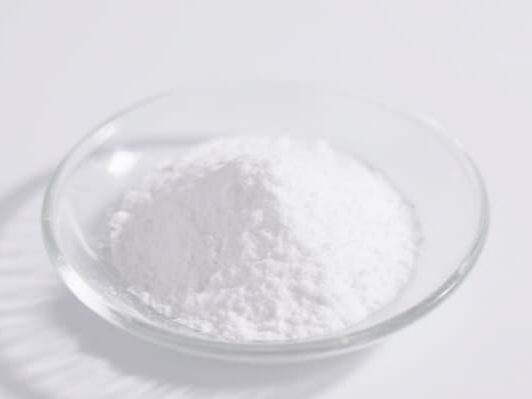
Specification: 99.5% min assay (USP), white crystalline powder
Country of origin: China
Residual solvent: Conforms to USP/EP
Allergen free/Gluten-free/Non-GMO/Vegan/Non-Irradiation:

Vitamin B3 (Niacinamide) Overview
Niacinamide, also known as nicotinamide, is the amide form of vitamin B3, identified by CAS number 98-92-0, molecular formula C6H6N2O and molecular weight 122.12 g/mol. It is the flush-free form of vitamin B3, and it is the form most widely used in dietary supplements because it supports NAD+ (nicotinamide adenine dinucleotide) synthesis without the skin-flushing reaction associated with nicotinic acid. Both forms are recognized as vitamin B3 by the USP-NF and European Pharmacopoeia, and both are authorized as a vitamin for food supplements in the European Union.
For the dietary supplement industry, niacinamide is a core nutrient in energy, cellular-health, NAD+ support, skin health, B-complex and healthy-aging products. Purecium supplies niacinamide as a white, free-flowing crystalline powder standardized to 99.5% minimum assay, sold exclusively as a B2B raw material for distributors, contract manufacturers, private-label producers and finished supplement brands.
Source & Ingredient Identity
Purecium Niacinamide is manufactured by a synthetic route: 3-methylpyridine (beta-picoline) is oxidized to nicotinic acid, which is then converted to the amide through ammoniation to yield nicotinamide, followed by purification and crystallization. The synthetic route produces a stable, high-purity white powder with defined crystalline structure, free from the impurities and batch variability that complicate fermentation-derived actives, and it is fully vegan with no animal-derived input.
One specification is offered under this product line: Niacinamide USP grade, minimum 99.5% assay on a dried basis, conforming to USP and FCC monographs, produced in China and non-irradiated, with no allergens, no gluten and no GMO material. For B2B buyers, the critical purchasing checks are the assay and related-substance profile on the Certificate of Analysis, the crystalline form (which affects flow and compression), and the declared impurity profile, since residual 3-methylpyridine and nicotinic acid are controlled in pharmacopeial monographs.
Key Characteristics of Vitamin B3 (Niacinamide)
1. Flush-free by design. Unlike nicotinic acid, niacinamide does not trigger the prostaglandin-mediated skin flush, making it the preferred form for high-dose B3 products, B-complex blends and beauty-from-within formulas where consumer comfort matters.
2. Direct NAD+ precursor. Niacinamide feeds the NAD+ salvage pathway, supporting cellular energy production and DNA-repair enzyme activity; it is the same molecule used in the majority of commercial NAD+ support supplements because it is orally bioavailable and well tolerated at nutritionally relevant doses.
3. Stable and formulation-flexible. The white crystalline powder is stable under normal storage, flows well for direct compression and blends uniformly with other B vitamins, minerals and botanical extracts. Niacinamide contributes to normal energy-yielding metabolism and normal functioning of the nervous system, claims recognized by EFSA for vitamin B3.
Vitamin B3 (Niacinamide) Manufacturing
The manufacturing process begins with the catalytic oxidation of 3-methylpyridine to nicotinic acid, followed by amidation with ammonia to form nicotinamide. The crude product is purified by decolorization, crystallization and drying to yield the white crystalline powder, and the finished lot is assayed by HPLC against the USP-NF and European Pharmacopoeia monographs for nicotinamide. Related substances, including residual nicotinic acid and 3-methylpyridine, are controlled within monograph limits at every production scale.
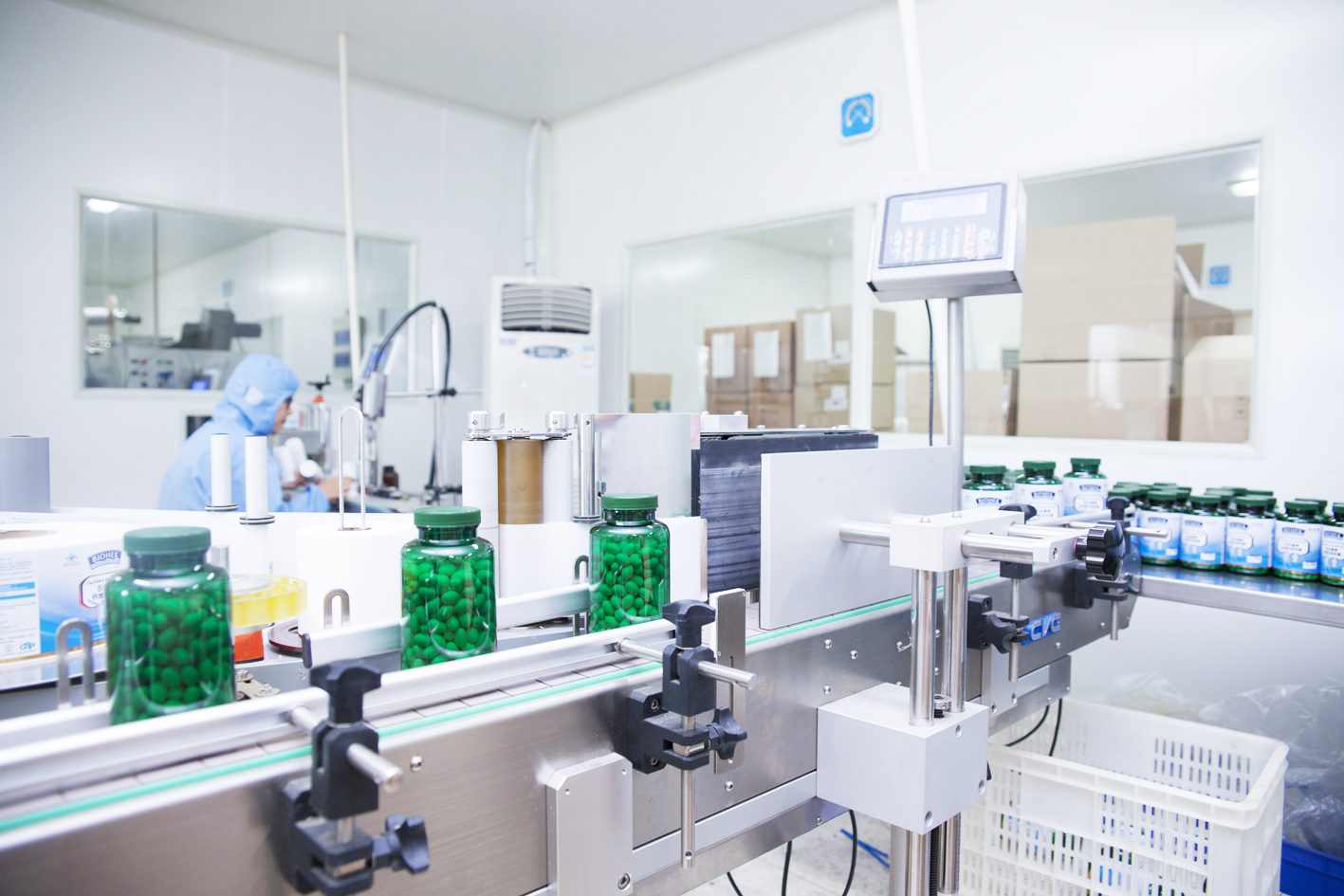
Every production stage is process-controlled, and each finished lot is verified by HPLC before release. Heavy metals, residual solvents, moisture and microbiological results are reported on the batch Certificate of Analysis, and each lot is traceable from starting material to finished drum. The crystalline powder is packed with moisture-barrier liners to preserve flow and assay during storage and transport.
Applications of Vitamin B3 (Niacinamide)
Cellular energy and NAD+ support are the primary applications of niacinamide. Mechanistically, nicotinamide is a building block for NAD+, the central coenzyme of cellular energy metabolism and the substrate for sirtuin and poly(ADP-ribose) polymerase enzymes involved in DNA repair and cellular resilience. By replenishing the NAD+ pool through the salvage pathway, niacinamide supports mitochondrial energy production and cellular maintenance, a role recognized by EFSA in its authorized claim that vitamin B3 contributes to normal energy-yielding metabolism.
Skin health is the second major application area: niacinamide is a well-established cosmeceutical and beauty-from-within ingredient studied for skin barrier support, sebum regulation and even-tone appearance, and it is frequently co-formulated with collagen, hyaluronic acid and vitamin C in skin-support systems. Peer-reviewed research has examined niacinamide in NAD+ biology, skin function and metabolic contexts extensively; finished-product claims should always follow the regulations of the destination market.
Niacinamide is compatible with tablets, hard capsules, softgels, gummies, sachets and powder blends. It is a standard component of B-complex, multivitamin and NAD+ support products, and pairs naturally with vitamin B6, magnesium, resveratrol and other NAD+ modulators. The free-flowing crystalline powder gives B2B buyers full flexibility across dry and chewable dosage forms.
Manufacturing & Quality Control
Purecium Niacinamide is produced in facilities operating under ISO 9001 and FSSC 22000 certified quality systems, with Kosher and Halal certification available. Analytical methods follow the current USP-NF and European Pharmacopoeia monographs for Niacinamide, and each batch is assayed by HPLC for content. Routine release testing covers identification, assay (99.5% min), related substances, melting point, moisture, heavy metals, residual solvents and microbial limits, with results documented on a batch-specific Certificate of Analysis.
Each commercial lot is fully traceable from starting material to finished drum. Alongside the CoA, Purecium provides the specification sheet, SDS, allergen and gluten statements, non-GMO declarations and stability data on request, giving buyers the documentation needed for raw-material approval and finished-product registration.
Vitamin B3 (Niacinamide) for B2B Supplement Manufacturing
Purecium supplies Niacinamide exclusively as a B2B raw material for distributors, contract manufacturers, private-label producers and finished supplement brands. The minimum order quantity is 25 kg. The powder is packed in 25 kg drums with food-grade aluminum-foil inner bags, and samples and full documentation are available before commitment.
For North American customers, inventory is staged at Purecium's US warehouse, enabling pickup or delivery within approximately two days. Global delivery covers Hong Kong, mainland China, the EU and other regions, with export documentation prepared for every shipment. Purecium also supports custom mesh sizing for direct-compression applications and provides technical and regulatory communication to move niacinamide from ingredient selection to commercial formulation.
Reviewed by the Chief Quality Assurance / Regulatory Affairs Specialist at Purecium for technical accuracy and regulatory alignment.
How does bulk Vitamin B3 Niacinamide compare with nicotinic acid, nicotinamide riboside and NMN in B2B formulation?
Niacinamide (nicotinamide) is the amide form of vitamin B3, CAS 98-92-0. It is chemically distinct from nicotinic acid (CAS 59-67-6), which differs only by the absence of the amide group but produces vasodilation (flushing) at gram-level doses. Nicotinamide riboside (CAS 1341-23-7) and nicotinamide mononucleotide (CAS 1094-61-7) are nucleotide forms positioned as NAD+ precursors; both are considerably more expensive per kilogram and are handled as novel or borderline food ingredients in several markets. For bulk formulation, niacinamide remains the most cost-effective and best-characterised option where the target is vitamin B3 activity rather than NAD+ elevation. Specification and dosing differ substantially. Niacinamide is typically supplied at 99.0-99.5% assay (USP/EP grade), with a typical adult intake of 14-20 mg NE/day and upper intake levels of 35 mg/day for supplemental nicotinamide. Nicotinic acid shares the same vitamin activity but is dosed at similar milligram levels; immediate-release forms above 50 mg commonly cause flushing. Nicotinamide riboside and NMN are used at 250-1000 mg/day in commercial products, far above vitamin B3 requirements, and are not assigned an RDA. Handling and stability: niacinamide is freely soluble in water (about 1 g/mL), non-hygroscopic under normal conditions, and stable in solid form when protected from moisture and heat. Nicotinic acid is less soluble (about 17 mg/mL at 25 C). Nicotinamide riboside salts are hygroscopic and moisture-sensitive; NMN is unstable at ambient humidity and typically requires low-temperature storage. These differences affect blending, tabletting and packaging choices. Regulatory status is the main commercial differentiator. Niacinamide and nicotinic acid are permitted food additives and nutrients in the EU, US and most other jurisdictions, with established monographs. Nicotinamide riboside has been authorised as a novel food in the EU only for specific uses, and NMN is not authorised as a food ingredient in the EU or US; both face import and labelling restrictions. Documentation for niacinamide typically includes CoA, MSDS, allergen and GMO statements, and where applicable USP/EP compliance. Buyers should verify jurisdiction-specific status before purchase.Comparison in table form.
The table below sets out the parameters that determine how each material is specified, dosed and documented in a finished formulation.Parameter
Vitamin B3 Niacinamide
Nicotinic acid
Nicotinamide riboside
CAS number
98-92-0
59-67-6
1341-23-7
Chemical class
Pyridine carboxamide
Pyridine carboxylic acid
Pyridinium nucleoside
Typical dose
14-20 mg NE/day; UL 35 mg/day
14-20 mg NE/day; flush >50 mg
250-1000 mg/day (non-RDA)
Solubility
Freely soluble in water
Sparingly soluble in water
Freely soluble; hygroscopic
Stability
Stable solid; protect from moisture
Stable solid; light-sensitive
Moisture-sensitive; store cool dry
Regulatory status
Nutrient/additive; EU, US permitted
Nutrient/additive; EU, US permitted
Novel food in EU; limited uses
Supply form
Crystalline powder, 99.0-99.5%
Crystalline powder, 99.0-99.5%
Capsule-grade powder or salt
Documentation
CoA, MSDS, allergen/GMO statements
CoA, MSDS, monograph compliance
CoA, MSDS, novel food dossier