

Vitamin B12 (Methylcobalamin & Cyanocobalamin)
Energy, Nerve and Methylation Support
Vitamin B12
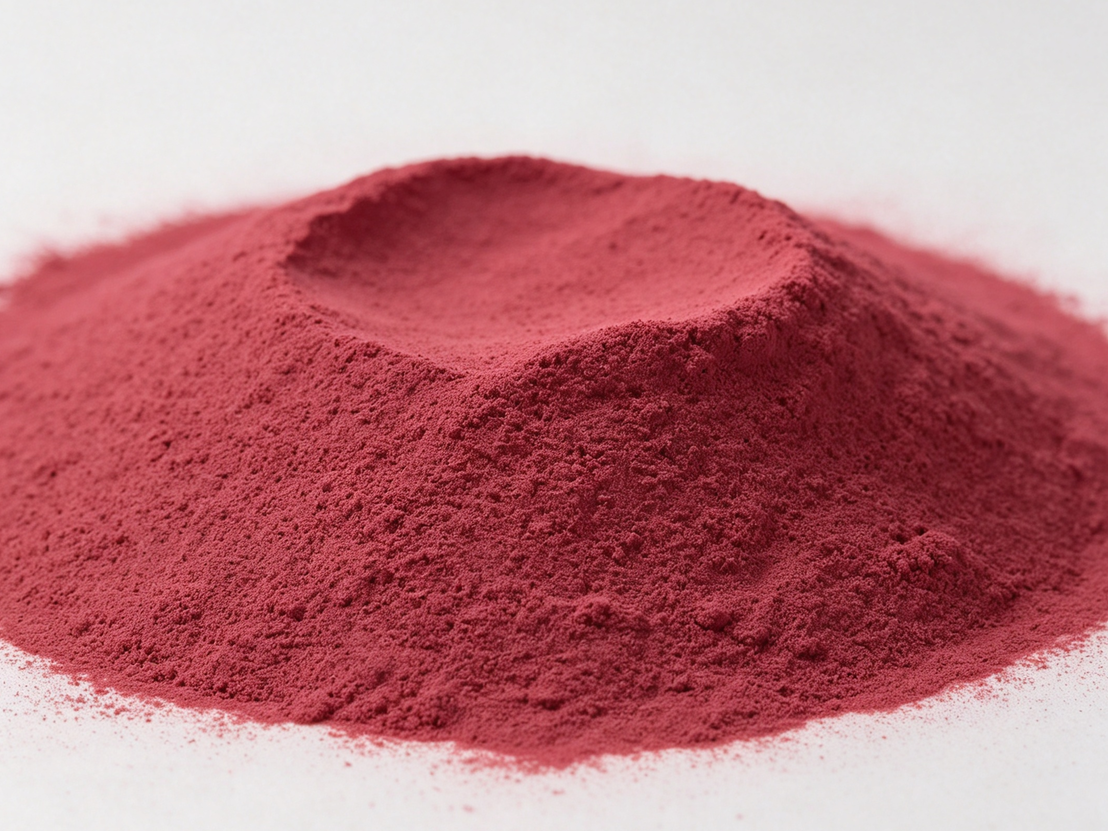
Purecium Vitamin B12 is a fermentation-derived B2B ingredient supplied as 99.8% methylcobalamin, 99.8% cyanocobalamin and a 1% cyanocobalamin trituration on a food-grade carrier. Produced by microbial fermentation and purified to USP, EP and FCC standards, our cobalamin powders deliver the exact form and potency your label declares, with HPLC assay and full Certificate of Analysis on every batch. Allergen-free, gluten-free, non-GMO and vegan, they are packed in 25 kg drums with a 25 kg minimum order, staged at our US warehouse, and supported by regulatory documentation for distributors, contract manufacturers and supplement brands worldwide.
Product name: Vitamin B12 (Methylcobalamin / Cyanocobalamin / 1% Trituration)
Molecular formula: C63H91CoN13O14P (Methyl); C63H88CoN14O14P (Cyano)
Starting material: Microbial fermentation (bacterial strains)
Grade: USP / EP / FCC
Heavy Metals: Conforms to USP/EP
Pesticide residue: Conforms to USP/EP
Packing size: 25kg/drum
CAS#: 13422-55-4 (Methyl); 68-19-9 (Cyano)
Molecular weight: 1344.38 g/mol (Methyl); 1355.37 g/mol (Cyano)
Source: Microbial fermentation
Specification: Methylcobalamin 99.8% / Cyanocobalamin 99.8% / 1% trituration on carrier
Country of origin: China
Residual solvent: Conforms to USP/EP
Allergen free/Gluten-free/Non-GMO/Vegan/Non-Irradiation:

Vitamin B12 Overview
Vitamin B12, also known as cobalamin, is a water-soluble B vitamin required for energy-yielding metabolism, red blood cell formation, neurological function and homocysteine metabolism. It is supplied commercially in two principal forms: methylcobalamin (CAS 13422-55-4, molecular formula C63H91CoN13O14P, molecular weight 1344.38 g/mol) and cyanocobalamin (CAS 68-19-9, molecular formula C63H88CoN14O14P, molecular weight 1355.37 g/mol). The two forms share the same corrin-ring core coordinated to a central cobalt atom and differ only in the upper axial ligand, which determines their distinct roles in human metabolism.
For the dietary supplement industry, vitamin B12 is a core nutrient in energy, cognitive, nerve health, vegan nutrition and healthy-aging products, and it is a mandatory component of B-complex and multivitamin systems. Purecium supplies three specifications on one product line: 99.8% methylcobalamin, 99.8% cyanocobalamin and a 1% cyanocobalamin trituration, sold exclusively as a B2B raw material for distributors, contract manufacturers, private-label producers and finished supplement brands.
Source & Ingredient Identity
Purecium Vitamin B12 is produced by microbial fermentation, the same route used for commercial cobalamin worldwide: selected bacterial strains synthesize the corrinoid molecule during fermentation, after which the crude vitamin is extracted, purified by chromatographic steps and crystallized. Cyanocobalamin is the stable, cyano-liganded reference form defined in the USP-NF and European Pharmacopoeia monographs, while methylcobalamin is produced by a controlled methylation step that replaces the cyanide ligand with a methyl group, yielding the coenzyme form that participates directly in the human methylation cycle.
Three specifications are offered: Methylcobalamin 99.8% (HPLC), Cyanocobalamin 99.8% (HPLC), and a 1% cyanocobalamin trituration where the pure vitamin is blended onto a food-grade carrier for precise dosing at low inclusion rates. All specifications are produced in China, conform to USP, EP and FCC monographs, and are non-irradiated, allergen-free, gluten-free, non-GMO and fully vegan. For B2B buyers, the critical purchasing checks are the form (methyl versus cyano), the assay method on the Certificate of Analysis, and, for the trituration, the declared carrier.
Key Characteristics of Vitamin B12
1. Two active forms with distinct biology. Methylcobalamin is the direct coenzyme for methionine synthase and requires no conversion, while cyanocobalamin is the most stable, cost-effective form and is converted to the active coenzymes in the body. Both are recognized by USP-NF and EP monographs, and both are suitable for vegan, fermentation-derived labels.
2. Verified potency across three specifications. The 99.8% pure forms are assayed by HPLC against reference standards, while the 1% trituration is verified for both label strength and blend uniformity, giving formulators an exact-dosing option for high-potency vitamin levels without weighing microgram quantities.
3. Light-sensitive but formulation-flexible. Cobalamins degrade under strong light, so the powders are supplied in light-protected packaging and should be protected during blending; in finished tablets, capsules and powders, standard opaque packaging maintains stability. Vitamin B12 has a recognized role in normal energy-yielding metabolism, neurological function, homocysteine metabolism and red blood cell formation, as reflected in EFSA-authorized health claims.
Vitamin B12 Manufacturing
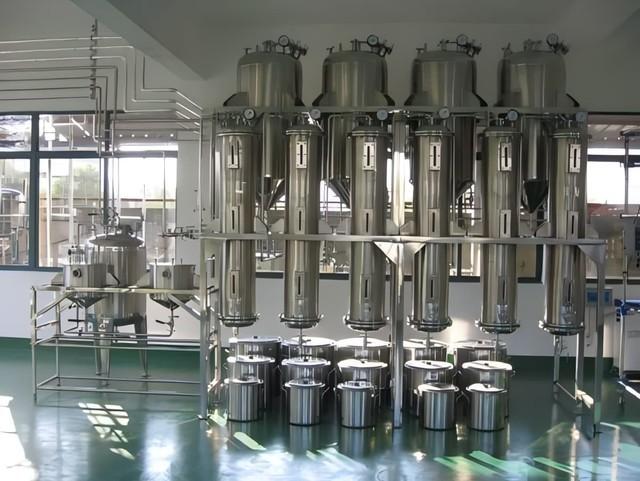
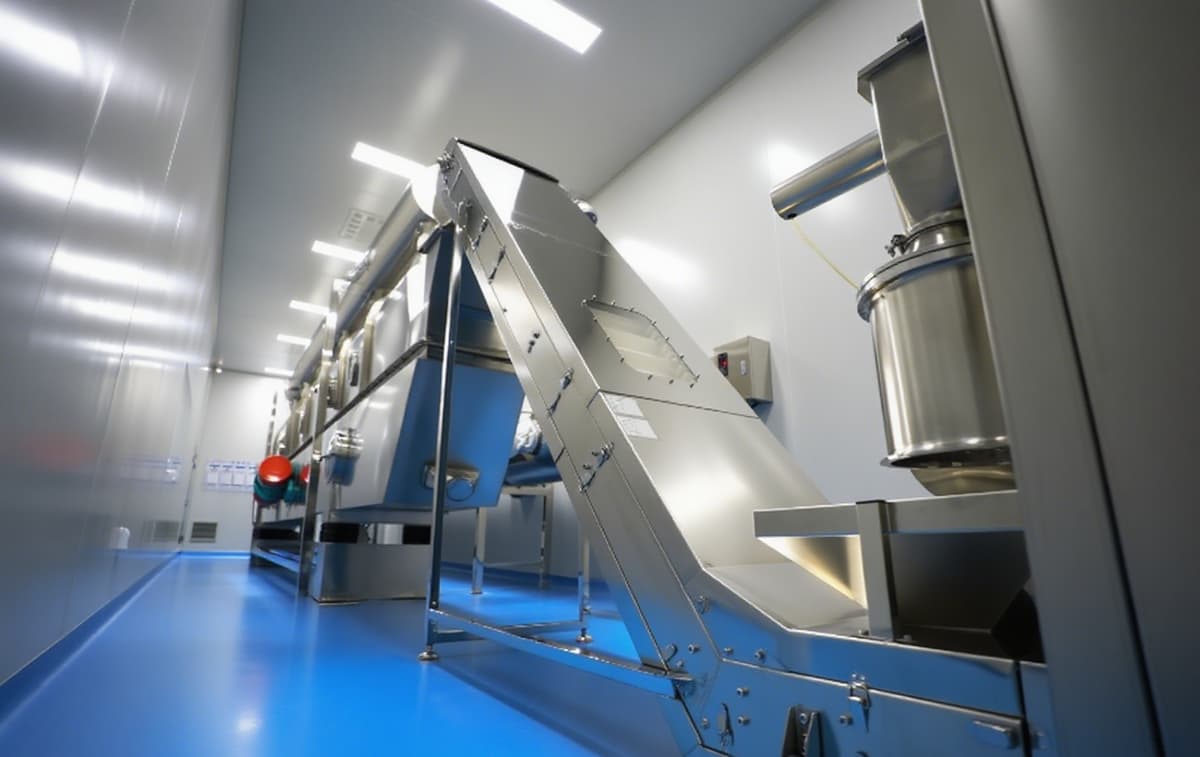
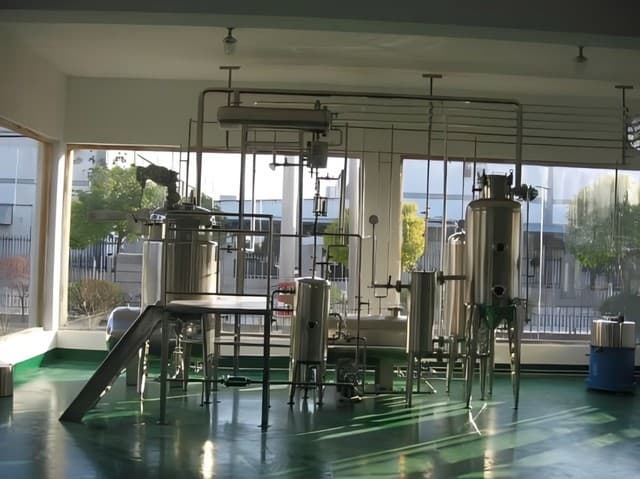
The manufacturing process begins with fermentation: bacterial strains are cultivated under controlled conditions to accumulate cobalamin, which is then released from the cells, extracted and purified through chromatographic columns to pharmaceutical-grade purity. For cyanocobalamin, the cyanide ligand is introduced under tightly controlled conditions to form the stable reference molecule; for methylcobalamin, an additional methylation step replaces the cyanide group with a methyl ligand. Both routes conclude with crystallization, drying and assay against the USP-NF and European Pharmacopoeia monographs.
The 1% trituration is produced by blending 99.8% cyanocobalamin with a food-grade carrier in geometrically staged dilution steps, ensuring uniform distribution of the active at a 1:100 ratio. Every stage is process-controlled, and each finished lot is verified by HPLC before release. Heavy metals, residual solvents, moisture and microbiological results are reported on the batch Certificate of Analysis, and each lot is traceable from fermentation starter culture to finished drum.
Applications of Vitamin B12
Energy, nerve health and methylation support are the primary applications of vitamin B12. Mechanistically, cobalamin acts as the coenzyme for two enzymes: methionine synthase, which regenerates methionine from homocysteine in the methylation cycle (with methylcobalamin as the direct coenzyme), and L-methylmalonyl-CoA mutase, which converts methylmalonyl-CoA to succinyl-CoA for energy production and odd-chain fatty acid metabolism. Through these pathways, vitamin B12 contributes to normal energy-yielding metabolism, normal neurological and psychological function, normal homocysteine metabolism, normal red blood cell formation and normal immune function, all of which are recognized by EFSA as authorized claims.
These mechanisms underpin its classic use in energy and fatigue-management formulas, cognitive and nerve-support products, vegan nutrition lines (where dietary intake is limited to animal-derived foods), B-complex and multivitamin systems, and healthy-aging formulations alongside folic acid. Peer-reviewed research has examined vitamin B12 in homocysteine, cognition, anemia and neural health contexts extensively, and adequate intake levels are established by the FDA and other regulatory agencies. Finished-product claims should always follow the regulations of the destination market.
Vitamin B12 is compatible with tablets, hard capsules, softgels, powders, sachets, gummies and sublingual formats. The 99.8% forms suit high-potency single-ingredient products and sublingual lozenges, while the 1% trituration is the standard choice for B-complex blends, multivitamins and gummies where microgram-level dosing must be uniform. All three pair naturally with folic acid, iron, vitamin C and other B vitamins.
Manufacturing & Quality Control
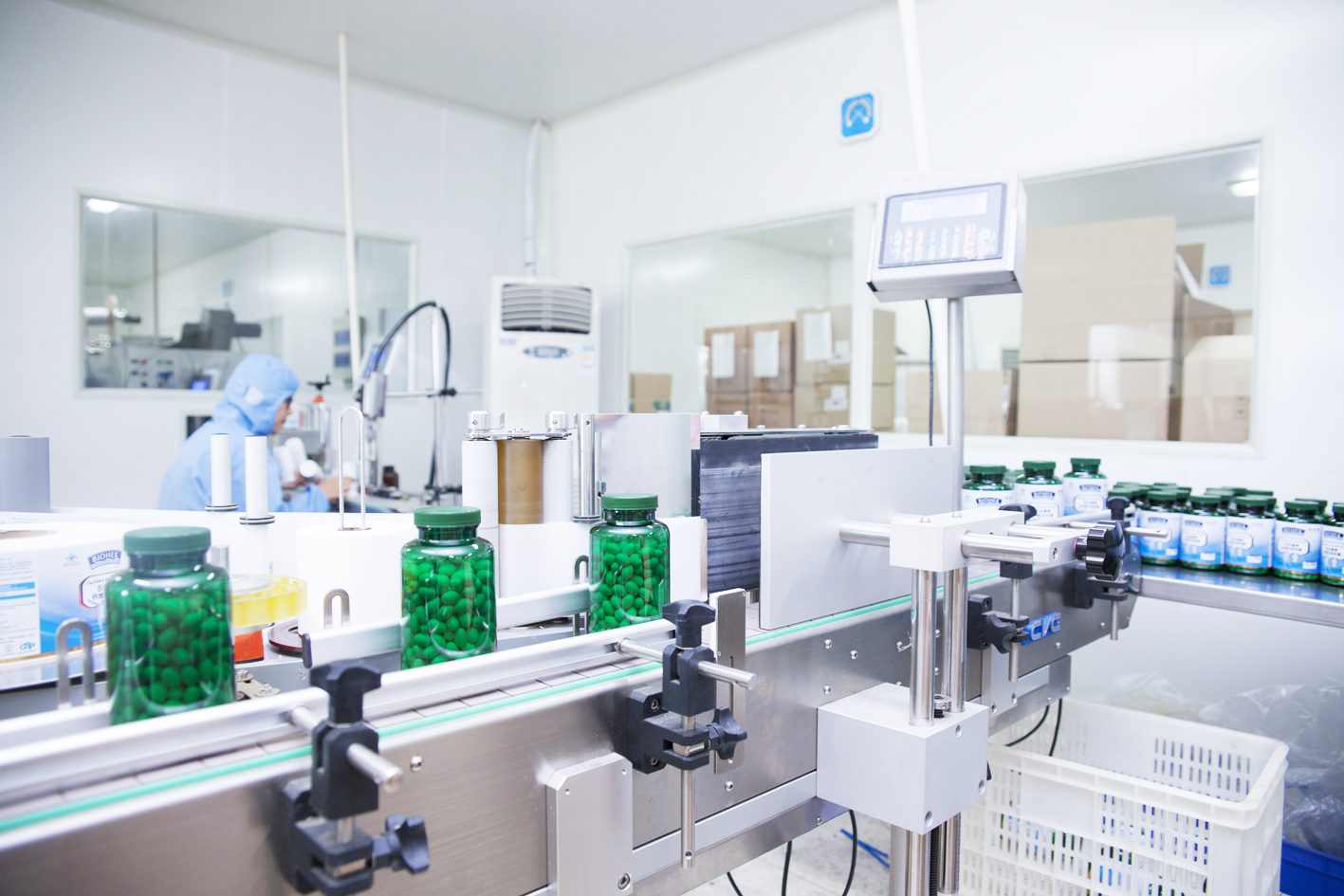
Purecium Vitamin B12 is produced in facilities operating under ISO 9001 and FSSC 22000 certified quality systems, with Kosher and Halal certification available. Analytical methods follow the current USP-NF and European Pharmacopoeia monographs for cobalamin, and each batch is assayed by HPLC for content, with identification by UV spectrum and, where applicable, confirmation of the methyl versus cyano form. Routine release testing covers identification, assay (99.8% or 1.0% as declared), moisture, heavy metals, residual solvents and microbial limits, with results documented on a batch-specific Certificate of Analysis.
Because cobalamins are light-sensitive, storage and transport follow light-protected conditions, and each commercial lot is fully traceable from fermentation to finished drum. Alongside the CoA, Purecium provides the specification sheet, SDS, allergen and gluten statements, non-GMO declarations and stability data on request, giving buyers the documentation needed for raw-material approval and finished-product registration.
Vitamin B12 for B2B Supplement Manufacturing
Purecium supplies Vitamin B12 exclusively as a B2B raw material for distributors, contract manufacturers, private-label producers and finished supplement brands. The minimum order quantity is 25 kg, and the powders are packed in 25 kg drums with light-protective aluminum-foil inner bags, with samples and full documentation available before commitment.
For North American customers, inventory is staged at Purecium's US warehouse, enabling pickup or delivery within approximately two days. Global delivery covers Hong Kong, mainland China, the EU and other regions, with export documentation prepared for every shipment. Purecium also supports custom specification selection (methyl or cyano, 99.8% or 1% trituration) and provides technical and regulatory communication to move vitamin B12 from ingredient selection to commercial formulation.
Reviewed by the Chief Quality Assurance / Regulatory Affairs Specialist at Purecium for technical accuracy and regulatory alignment.
How does bulk Vitamin B12 compare with methylcobalamin, adenosylcobalamin, and cyanocobalamin in B2B formulation?
Vitamin B12 is a family of cobalamins sharing a corrin ring with a central cobalt atom. The term 'vitamin B12' is often used for cyanocobalamin, the most common bulk form, but methylcobalamin and adenosylcobalamin are also commercially available. In B2B formulation, the choice affects specification, dosing, handling, and regulatory status. Cyanocobalamin has CAS 68-19-9; methylcobalamin CAS 13422-55-4; adenosylcobalamin CAS 13870-90-1. All are water-soluble, but stability and solubility differ. Cyanocobalamin is the most stable and cost-effective, making it the default for many supplements. Methylcobalamin and adenosylcobalamin are more sensitive to light, heat, and pH, requiring tighter storage and handling controls. Typical doses vary: cyanocobalamin is often used at 2.4 mcg daily for adults, while methylcobalamin and adenosylcobalamin may be dosed higher, though clinical equivalence is not established. In bulk, cyanocobalamin is supplied as crystalline powder or diluted forms, while methylcobalamin and adenosylcobalamin are typically offered as fine powders with lower potency. Documentation for all includes Certificate of Analysis, MSDS, and sometimes halal/kosher certificates. Regulatory status: cyanocobalamin is listed in major pharmacopoeias (USP, EP, JP) and permitted as a food fortificant in most regions. Methylcobalamin and adenosylcobalamin are also permitted but may have fewer monograph entries. For B2B buyers, cyanocobalamin offers the most straightforward regulatory and supply chain profile, while the other forms may require additional stability and labeling considerations.Comparison in table form.
The table below sets out the parameters that determine how each material is specified, dosed and documented in a finished formulation.Parameter
Vitamin B12
Methylcobalamin
Adenosylcobalamin
CAS number
68-19-9
13422-55-4
13870-90-1
Chemical class
Cobalamin (cyano form)
Cobalamin (methyl form)
Cobalamin (adenosyl form)
Typical dose
2.4 mcg/day (adults)
500-1500 mcg/day
500-1500 mcg/day
Solubility
Soluble in water
Slightly soluble in water
Slightly soluble in water
Stability
Stable to light/heat
Light-sensitive
Light- and heat-sensitive
Regulatory status
USP/EP/JP monographs
Food supplement permitted
Food supplement permitted
Supply form
Crystalline powder
Fine powder
Fine powder
Documentation
CoA, MSDS, halal/kosher
CoA, MSDS, halal/kosher
CoA, MSDS, halal/kosher
Supplying buyers in North America, the European Union, Latin America, Asia and the Middle East
Purecium supplies Vitamin B12 (Methylcobalamin / Cyanocobalamin / 1% Trituration) in bulk from Hong Kong, the United States and the European Union. Orders are quoted FOB, CIF or DDP as you prefer: air freight for urgent volumes, sea freight (full container or consolidated) for bulk quantities. Transit time, import requirements and duties are confirmed in each quotation.
For local registration, our technical package is filed with the authority in your market: EU-GMP partner manufacturing and Ph. Eur. / USP monograph testing for the European Union and the United Kingdom; COFEPRIS (Mexico), INVIMA (Colombia), ANMAT (Argentina), ISP (Chile) and ANVISA (Brazil) in Latin America; SFDA and Gulf documentation in the Middle East; BP, JP or ChP monographs in Asia. Every lot ships with a batch COA, TDS, SDS and GMP, ISO 9001, FSSC 22000, Kosher and Halal certificates.
Commercial support is available in English, Spanish and Chinese, and qualification samples are dispatched worldwide, with a response within 12 business hours.