

Magnesium Citrate Powder (Nonahydrate)
High-Solubility Bioavailable Magnesium Salt
Magnesium Citrate
Purecium Magnesium Citrate is a high-solubility magnesium salt supplied as a B2B raw material in the commercial nonahydrate form, magnesium citrate nonahydrate, which carries CAS 153531-96-5, molecular formula C12H28Mg3O23 (Mg3(C6H5O7)2·9H2O) and molecular weight 613.25 g/mol, with approximately 12% elemental magnesium. Produced by reaction of food-grade citric acid with a food-grade magnesium source under controlled conditions, each batch is tested for identity, assay, heavy metals and microbial limits. Allergen-free, gluten-free, non-GMO and vegan, it is packed in 25 kg drums with a 25 kg minimum order and full documentation for B2B buyers worldwide.
Buyer snapshot: MOQ 25 kg; stock held in the United States; stock held in the Netherlands (EU); 2-day pickup for North America; quotation response within 12 business hours. Quotation on request, samples dispatched worldwide.
Product name: Magnesium Citrate (Nonahydrate)
Molecular formula: C12H28Mg3O23 (Mg3(C6H5O7)2·9H2O)
Starting material: Food-grade citric acid + magnesium source (synthesis)
Grade: Food Grade (EP-grade salt)
Heavy Metals: Conforms to USP/EP limits
Pesticide residue: Conforms to USP/EP limits
Packing size: 25kg/drum
CAS#: 153531-96-5
Molecular weight: 613.25 g/mol (nonahydrate)
Source: Synthetic (magnesium citrate)
Specification: Magnesium citrate nonahydrate; Mg approx. 12%
Country of origin: China
Residual solvent: Conforms to USP/EP limits
Allergen free/Gluten-free/Non-GMO/Vegan/Non-Irradiation:

Magnesium Citrate Overview
Magnesium citrate is a highly water-soluble magnesium salt of citric acid used in dietary supplements for muscle, electrolyte, nervous-system and bone health support. The commercial grade supplied by Purecium is magnesium citrate nonahydrate, which carries CAS 153531-96-5, molecular formula C12H28Mg3O23, expressed as Mg3(C6H5O7)2·9H2O, and molecular weight 613.25 g/mol. Its elemental magnesium content is approximately 12%.
For the dietary supplement industry, magnesium citrate is prized for its high solubility and good bioavailability, making it suitable for tablets, capsules, effervescent tablets, stick-packs and liquid formats. Purecium supplies magnesium citrate nonahydrate as a B2B raw material for distributors, contract manufacturers, private-label producers and finished supplement brands.
Source & Ingredient Identity
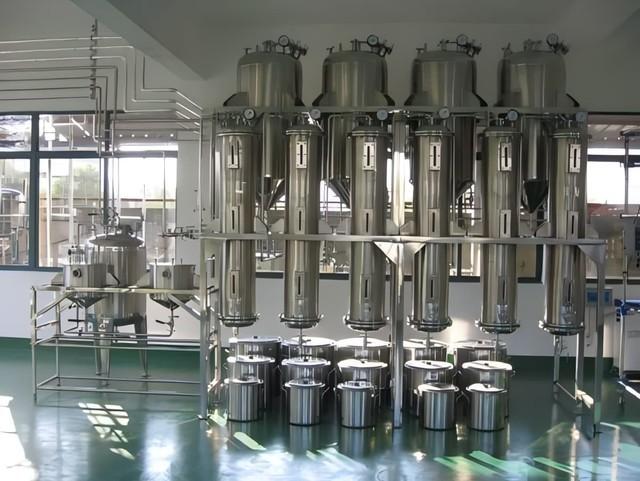
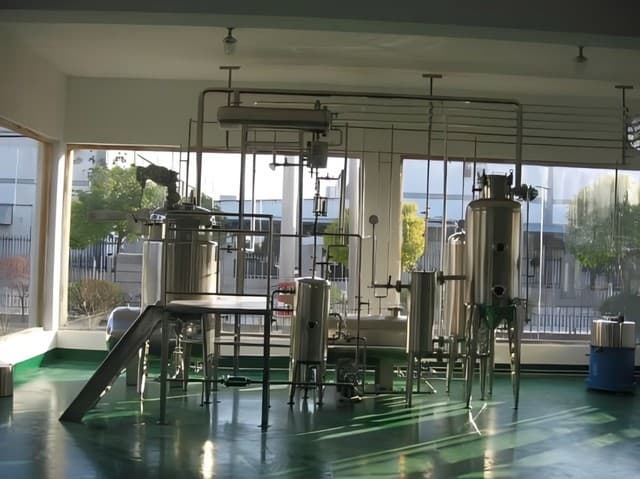
Purecium Magnesium Citrate is produced by the controlled reaction of food-grade citric acid with a food-grade magnesium source, followed by crystallization to the stable nonahydrate form, drying and milling to a fine powder. Identity is confirmed against the European Pharmacopoeia monograph for magnesium citrate nonahydrate, and each batch is assayed for elemental magnesium content.
The declared product is magnesium citrate nonahydrate, and buyers should note the distinction between hydrated and anhydrous forms of magnesium citrate on specification documents. For B2B purchasing, the critical checks are the hydrate form, the elemental magnesium assay, water solubility, heavy metal profile, and the residual limit for the production process.
Key Characteristics of Magnesium Citrate
1. High water solubility. The defining characteristic of magnesium citrate is its excellent solubility in water, which makes it a preferred magnesium form for effervescent tablets, drink powders, stick-packs and liquid supplements where clarity and rapid dissolution are required.
2. Good elemental magnesium content with a studied physiological role. The salt provides approximately 12% elemental magnesium, and the NIH Office of Dietary Supplements recognizes magnesium's contribution to normal muscle and nerve function, energy metabolism and bone health; EFSA has authorized health claims for magnesium covering these functions. Finished-product claims should follow the regulations of the destination market.
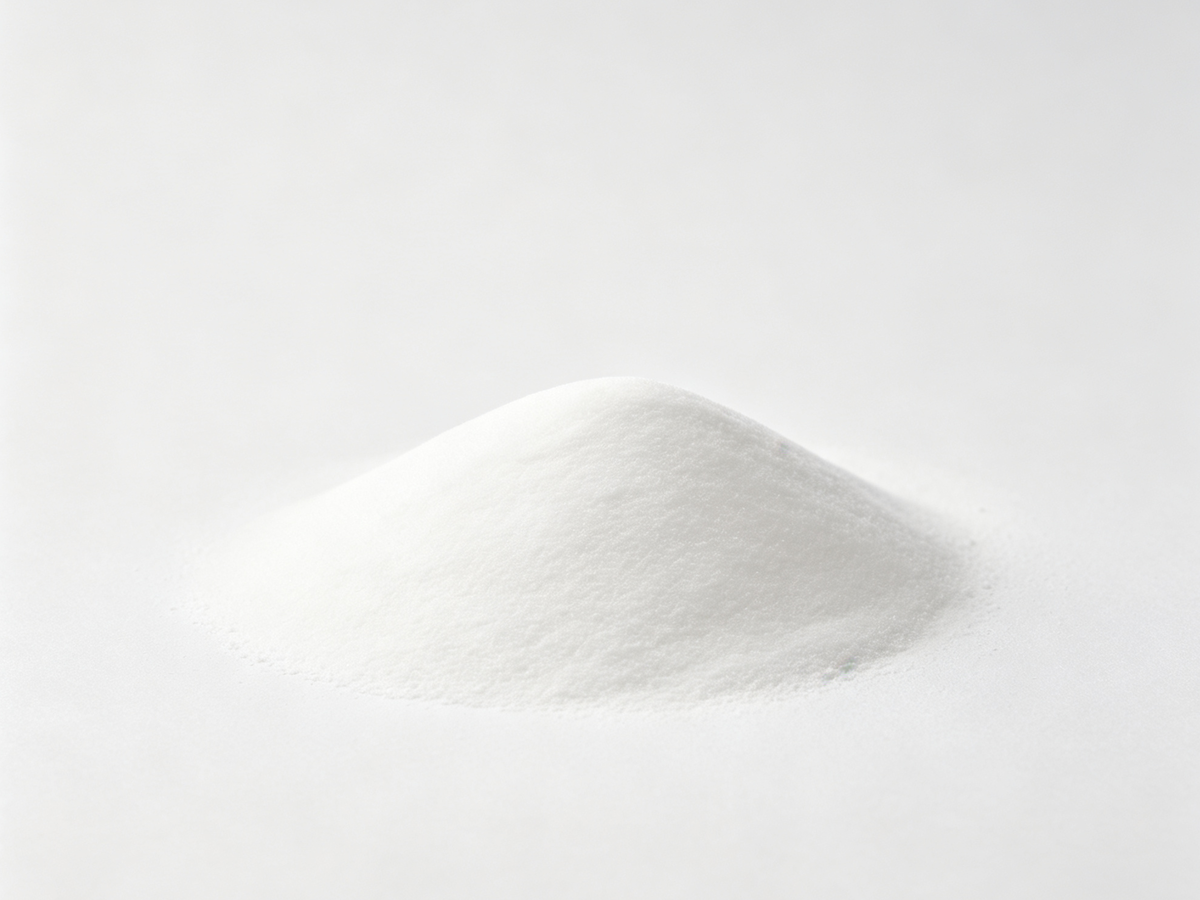
3. Clean, stable powder profile. The nonahydrate form is a stable, free-flowing white crystalline powder that is non-GMO, allergen-free, gluten-free and vegan, with a pleasant slightly acidic taste readily masked in flavored drink formats.
Magnesium Citrate Manufacturing
The manufacturing process begins with the reaction of food-grade citric acid with a food-grade magnesium source under precisely controlled temperature and pH, followed by crystallization to the nonahydrate form, separation, drying and milling to specification. Every stage is process-controlled with in-process checks on reaction parameters, crystallization conditions and moisture content.
Each finished lot is tested for identity, elemental magnesium assay, water solubility, heavy metals, and microbial limits, all reported on the batch Certificate of Analysis. Each lot is traceable from raw materials to finished drum, and analytical methods follow the current European Pharmacopoeia monograph for magnesium citrate nonahydrate where applicable.
Applications of Magnesium Citrate
Magnesium supplementation is the primary application. Mechanistically, magnesium is an essential mineral cofactor in hundreds of enzymatic reactions, and the NIH Office of Dietary Supplements recognizes its role in normal muscle contraction, nerve transmission and energy metabolism, with EFSA-authorized claims covering reduction of tiredness and fatigue, electrolyte balance and normal muscle function. Typical supplement servings supply 100 mg to 400 mg elemental magnesium per day.
Product formats form the second cluster. Because of its high solubility, magnesium citrate is the preferred magnesium form for effervescent tablets, drink mixes, stick-packs and liquid supplements, and it is also used in standard tablets and capsules for bone health and muscle support blends alongside vitamin D3, calcium and zinc.
Formulators should note the approximately 12% elemental magnesium content when calculating label doses, and the mildly acidic taste of the citrate salt, which is typically balanced with flavors in drink formats or presented in coated tablets.
Manufacturing & Quality Control
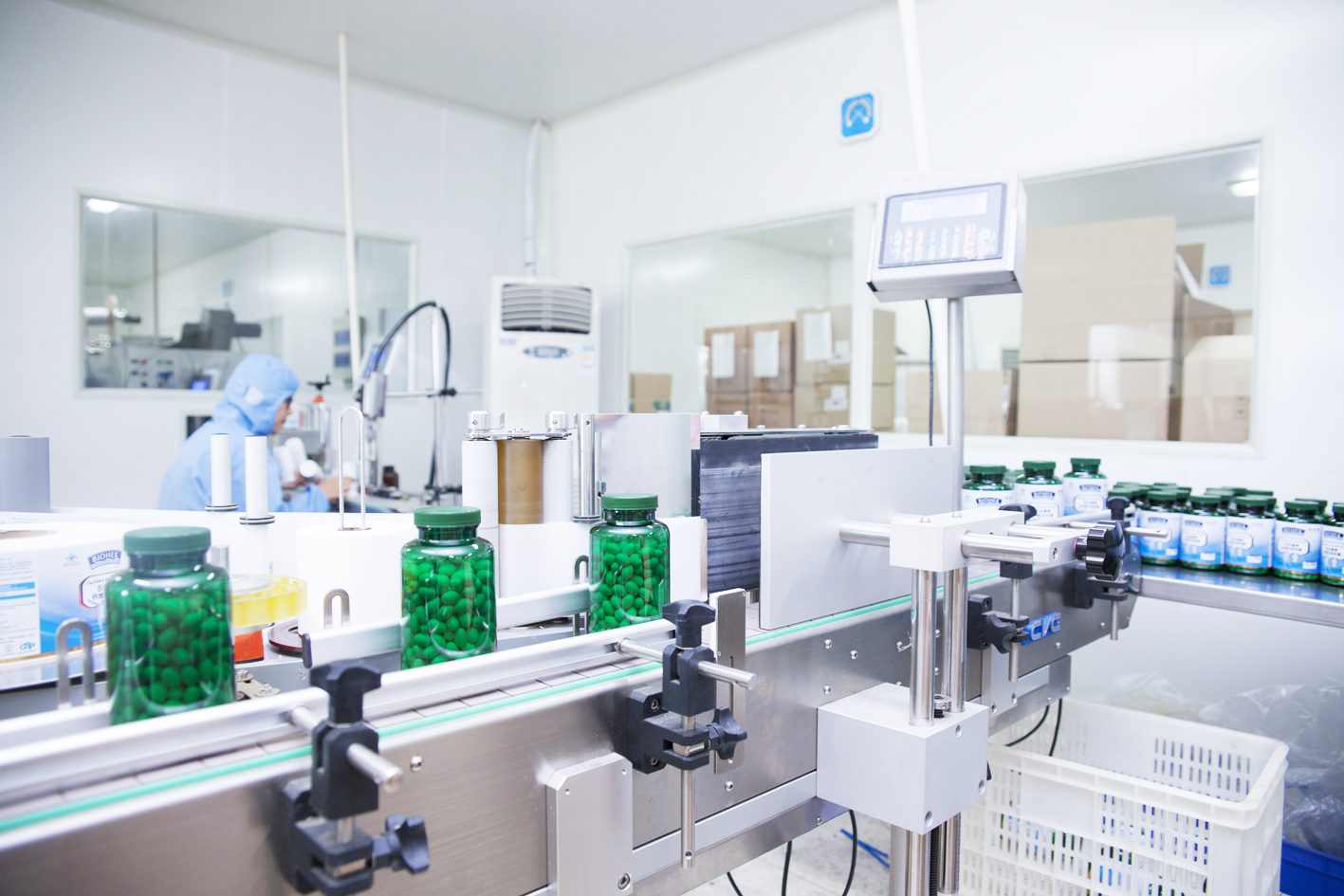
Purecium Magnesium Citrate is produced in facilities operating under ISO 9001 and FSSC 22000 certified quality systems, with Kosher and Halal certification available. Analytical methods follow the current European Pharmacopoeia monograph for magnesium citrate nonahydrate, with elemental magnesium quantified on every released batch.
Each commercial lot is fully traceable from raw materials to finished drum, and the batch is released only when identity, assay, heavy metals and microbial results are all within specification. Alongside the CoA, Purecium provides the specification sheet, SDS, allergen and gluten statements, non-GMO declarations and stability data on request.
Magnesium Citrate for B2B Supplement Manufacturing
Purecium supplies Magnesium Citrate exclusively as a B2B raw material for distributors, contract manufacturers, private-label producers and finished supplement brands. The minimum order quantity is 25 kg; the salt is packed in 25 kg drums with food-grade polyethylene inner bags, and samples and full documentation are available before commitment.
For North American customers, inventory is staged at Purecium's US warehouse, enabling pickup or delivery within approximately two days. Global delivery covers Hong Kong, mainland China, the EU and other regions, with export documentation prepared for every shipment. Purecium also provides solubility, grade and application guidance and technical and regulatory communication to move magnesium citrate from ingredient selection to commercial formulation.
Reviewed by the Chief Quality Assurance / Regulatory Affairs Specialist at Purecium for technical accuracy and regulatory alignment.
How does bulk magnesium citrate compare with magnesium bisglycinate, magnesium oxide, and magnesium malate in formulation?
Magnesium citrate is the tribasic salt (CAS 153531-96-5 for the hydrate; 3344-18-1 for anhydrous) formed from magnesium and citric acid. It is a small-molecule, water-soluble organic salt with approximately 11-12% elemental magnesium by mass, depending on hydration state. In bulk B2B formulation, it is typically specified as a white, free-flowing powder with assay 98-102% on a dried basis, heavy metals <10 ppm, and loss on drying within a defined range. Its high water solubility (roughly 20 g/100 mL at 20 °C) allows direct dissolution in aqueous systems without prior acidification, unlike magnesium oxide. Compared with magnesium bisglycinate (magnesium glycinate, CAS 14783-68-7), which is a chelated organic complex with about 10-14% elemental magnesium, citrate offers higher water solubility and lower raw material cost per kilogram of elemental magnesium. Bisglycinate is often chosen for its neutral taste and claimed gastrointestinal tolerance, but it typically requires more expensive chelation technology and has lower bulk density. Magnesium oxide (CAS 1309-48-4) is an inorganic salt with 60% elemental magnesium, the highest among common forms, but it is practically insoluble in water and requires acid for dissolution; its bioavailability is generally lower and more variable. Magnesium malate (CAS 869-06-7) is another organic salt with about 15% elemental magnesium and moderate solubility, often used in energy-metabolism positioning. From a handling and regulatory perspective, magnesium citrate is non-hygroscopic under normal conditions, stable when stored below 25 °C in sealed containers, and compatible with most excipients. It is listed in the FDA Inactive Ingredient Database and permitted in the EU as a food supplement source of magnesium. Documentation for bulk supply typically includes a Certificate of Analysis, safety data sheet, and, where applicable, halal, kosher, and non-GMO statements. Magnesium bisglycinate and malate are also permitted in major markets, while magnesium oxide has a longer history as a food additive and antacid. The choice among these forms depends on target elemental magnesium content, solubility requirements, sensory constraints, and cost per unit dose.Comparison in table form.
The table below sets out the parameters that determine how each material is specified, dosed and documented in a finished formulation.Parameter
Magnesium Citrate
Magnesium bisglycinate
Magnesium oxide
CAS number
153531-96-5 (hydrate)
14783-68-7
1309-48-4
Chemical class
Organic salt (citrate)
Chelated amino acid complex
Inorganic oxide
Typical dose
100-300 mg elemental Mg/day
100-200 mg elemental Mg/day
250-500 mg elemental Mg/day
Solubility
Soluble in water (~20 g/100 mL)
Slightly soluble in water
Practically insoluble in water
Stability
Stable; store <25 °C, sealed
Stable; protect from moisture
Stable; hygroscopic in air
Regulatory status
FDA IID; EU food supplement
FDA IID; EU food supplement
FDA GRAS; EU food additive
Supply form
White powder, 98-102% assay
White powder, 10-14% Mg
White powder, 58-60% Mg
Documentation
CoA, SDS, halal/kosher
CoA, SDS, halal/kosher
CoA, SDS, GRAS statement