

Taurine (2-Aminoethanesulfonic Acid)
Energy, Hydration and Heart Support
Taurine
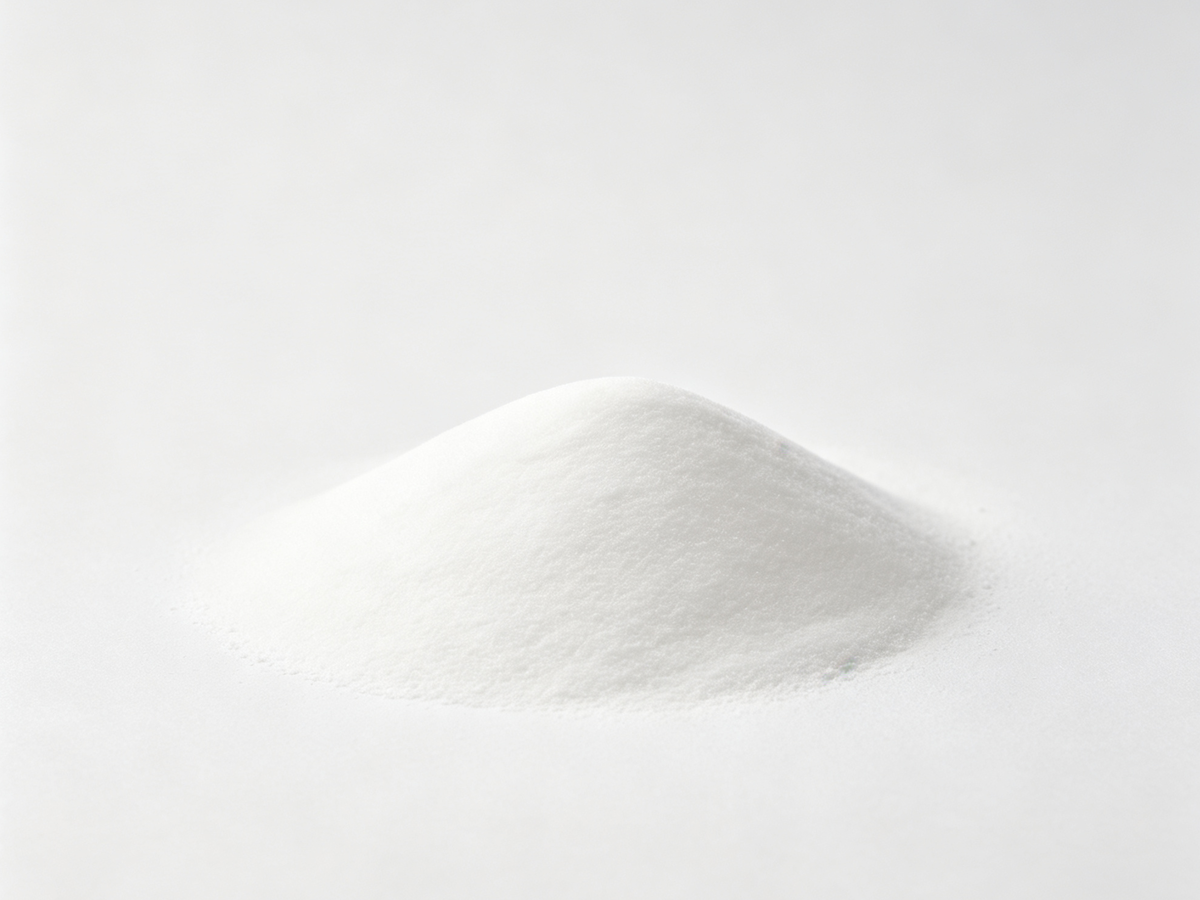
Purecium Taurine is a white, free-flowing crystalline powder for energy drinks, sports nutrition, hydration, cardiovascular and eye health formulations. Taurine is identified by CAS number 107-35-7 with molecular formula C2H7NO3S and molecular weight 125.15 g/mol, and it is one of the most abundant free amino acids in human muscle, heart and retina. Our taurine is produced by chemical synthesis from non-animal starting materials to USP, EP and FCC standards with a 99.0% minimum assay, verified on every batch. Allergen-free, gluten-free, non-GMO and vegan, it is packed in 25 kg drums with a 25 kg minimum order and full regulatory documentation for B2B buyers worldwide.
Product name: Taurine (2-Aminoethanesulfonic Acid)
Molecular formula: C2H7NO3S
Starting material: Chemical synthesis (ethylene oxide + sodium bisulfite route)
Grade: USP / EP / FCC
Heavy Metals: Conforms to USP/EP
Pesticide residue: Conforms to USP/EP
Packing size: 25kg/drum
CAS#: 107-35-7
Molecular weight: 125.15 g/mol
Source: Synthesis (not animal-derived)
Specification: 99.0% min assay (USP), white crystalline powder
Country of origin: China
Residual solvent: Conforms to USP/EP
Allergen free/Gluten-free/Non-GMO/Vegan/Non-Irradiation:

Taurine Overview
Taurine, also known as 2-aminoethanesulfonic acid, is a sulfur-containing amino acid that is among the most abundant free amino acids in human muscle, heart, retina and brain, where it supports osmoregulation, calcium signaling and bile acid conjugation. It is identified by CAS number 107-35-7, molecular formula C2H7NO3S and molecular weight 125.15 g/mol. Although it is grouped with amino acids, taurine is not incorporated into proteins; it exists free in tissues and is considered conditionally essential, particularly in infants.
For the dietary supplement and functional beverage industries, taurine is a core ingredient in energy drinks, sports nutrition, hydration, cardiovascular and eye health products. Purecium supplies taurine as a white crystalline powder standardized to 99.0% minimum assay, produced by chemical synthesis and sold exclusively as a B2B raw material for distributors, contract manufacturers, private-label producers and finished supplement brands.
Source & Ingredient Identity
Purecium Taurine is manufactured by chemical synthesis, the dominant commercial route for food-grade taurine, in which ethylene oxide reacts with sodium bisulfite to form isethionic acid, which is then aminated under controlled conditions to produce 2-aminoethanesulfonic acid. The synthetic product is chemically identical to the taurine found in human tissues, so no animal-derived starting material is involved — a point of direct importance for vegan and vegetarian formulations.
The product is standardized to 99.0% minimum assay and conforms to USP-NF, European Pharmacopoeia and FCC monographs as applicable, produced in China and non-irradiated, with no allergens, no gluten and no GMO material. For B2B buyers, the critical purchasing checks are the monograph to which the batch is released, the assay on the Certificate of Analysis, the sulfated ash and chloride results, and confirmation that the starting material is synthetic rather than animal-derived.
Key Characteristics of Taurine
1. Multifunctional tissue support. Taurine is a major organic osmolyte that regulates cell volume, modulates intracellular calcium handling, stabilizes membranes and scavenges hypochlorous acid, the oxidant produced by neutrophil myeloperoxidase; together these mechanisms support muscle, heart, retina and brain function, as documented in the health information of the NIH Office of Dietary Supplements.
2. Bile acid conjugation and infant nutrition. Taurine conjugates with bile acids to form taurocholic acid, which is required for fat digestion and absorption. Because infants have limited biosynthetic capacity, taurine is classified as conditionally essential in early life and is routinely added to infant formula in several markets.
3. Regulatory-clear and formulation-friendly. Taurine is recognized as GRAS by the FDA in the United States and is an authorized ingredient in energy drinks in the European Union, where the European Food Safety Authority has assessed its safety. It is stable in both liquid and dry formats, which is why it appears in energy drinks, sports powders, sachets and tablets alike.
Taurine Manufacturing
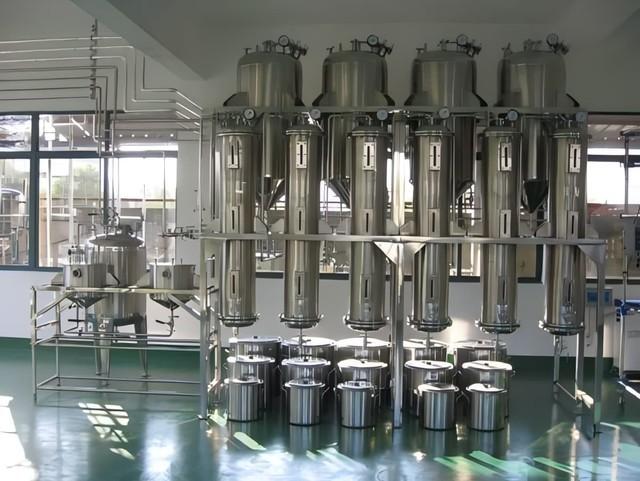
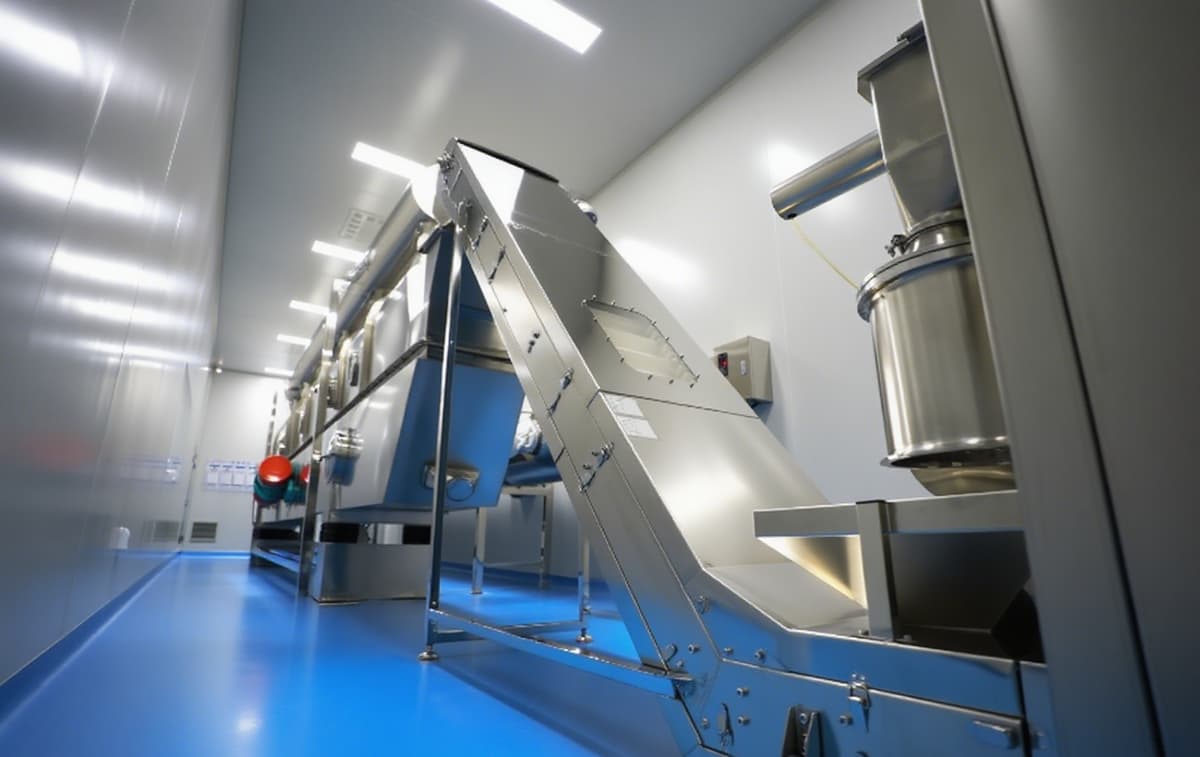
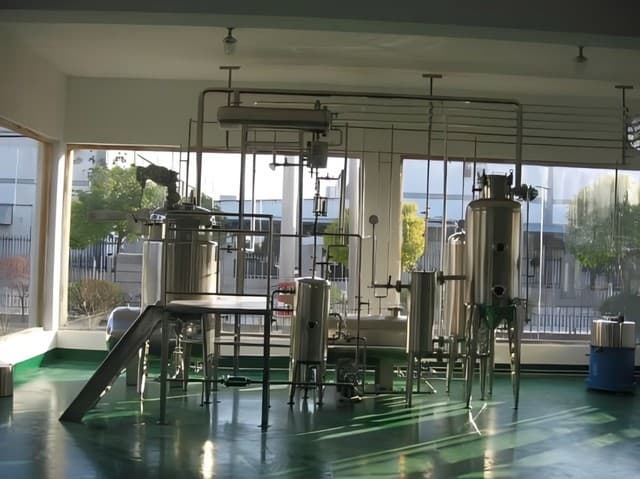
The manufacturing process follows a controlled chemical synthesis: ethylene oxide is reacted with sodium bisulfite to produce isethionic acid, which is converted with ammonia under controlled temperature and pressure to taurine, followed by purification by crystallization to a white crystalline powder. Every production stage is process-controlled, and each finished lot is verified before release.
Each batch is tested by the methods of the current USP-NF or European Pharmacopoeia monograph for taurine, including identification by infrared spectroscopy, assay (99.0% minimum on a dried basis), sulfated ash, chloride, heavy metals, residual solvents and microbial limits, with all results reported on the batch Certificate of Analysis. Each lot is traceable from starting material to finished drum.
Applications of Taurine
Energy and sports nutrition is the largest application of taurine. It supports hydration, electrolyte balance and muscle function during exercise, and it is one of the standard ingredients in energy drinks, where it is typically used at around 1000 mg per serving. Mechanistically, taurine modulates calcium flux in muscle cells, supports cell-volume regulation during exertion and acts as an antioxidant in active tissues, effects examined extensively in peer-reviewed research.
Cardiovascular and eye health form the second major application cluster. Taurine is present at high concentrations in cardiac tissue and the retina, where it supports contractile function, osmoregulation and retinal integrity. Regulatory agencies recognize the safety of taurine in food and supplements, and the FDA recognizes it as GRAS for food use; finished-product claims should always follow the regulations of the destination market.
Taurine is compatible with energy drinks, sports drinks, sachets, tablets and hard capsules, and it is added to infant formula in several markets. The crystalline powder dissolves readily in water, which makes it formulation-friendly for both liquid and dry systems, and it is commonly paired with caffeine, electrolytes, B vitamins and magnesium in finished products.
Manufacturing & Quality Control
Purecium Taurine is produced in facilities operating under ISO 9001 and FSSC 22000 certified quality systems, with Kosher and Halal certification available. Analytical methods follow the current USP-NF and European Pharmacopoeia monographs for taurine, and each batch is released with a verified assay of 99.0% minimum on a dried basis.
Each commercial lot is fully traceable from starting material to finished drum. Alongside the CoA, Purecium provides the specification sheet, SDS, allergen and gluten statements, non-GMO declarations and stability data on request, giving buyers the documentation needed for raw-material approval and finished-product registration.
Taurine for B2B Supplement Manufacturing
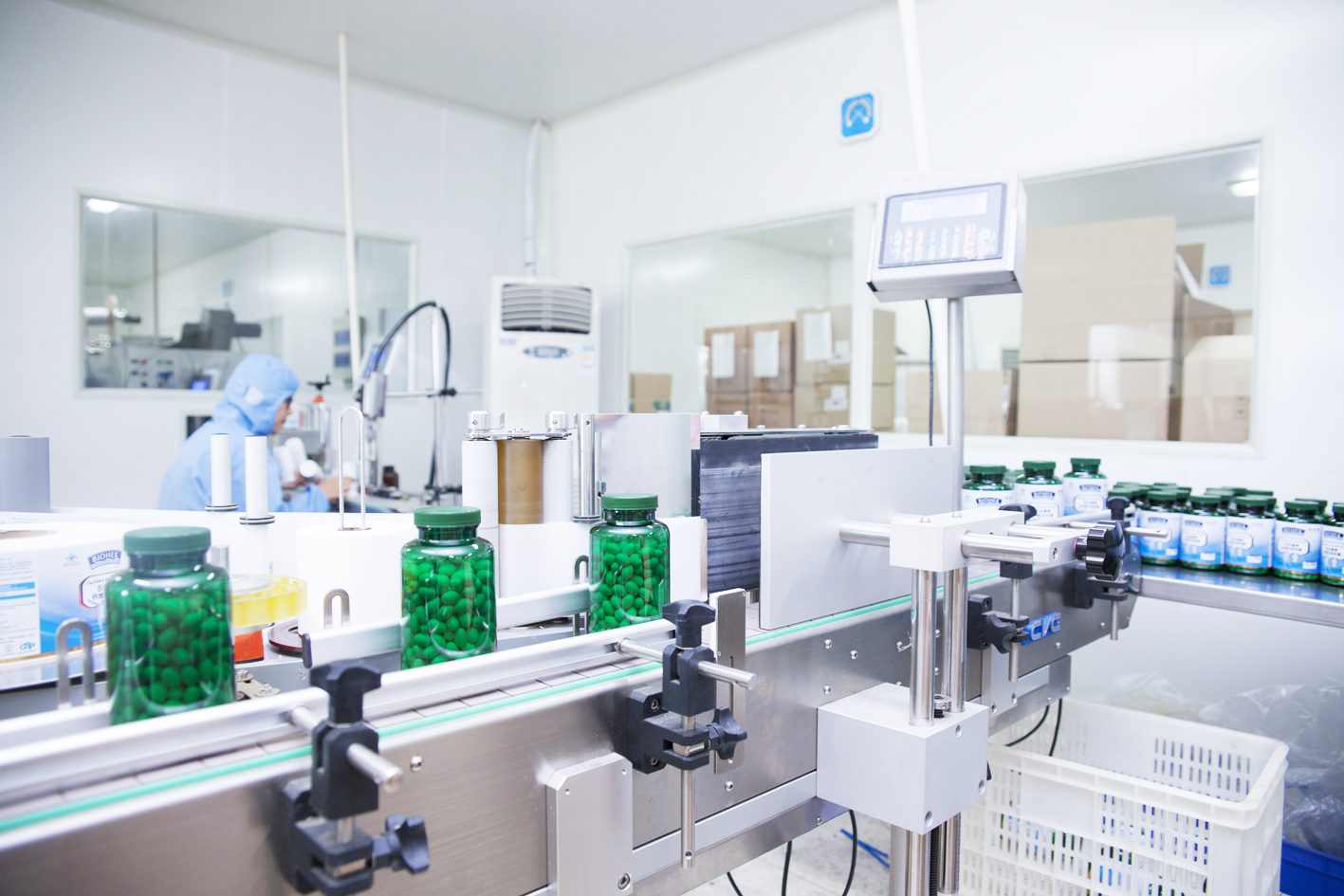
Purecium supplies Taurine exclusively as a B2B raw material for distributors, contract manufacturers, private-label producers and finished supplement brands. The minimum order quantity is 25 kg; the powder is packed in 25 kg drums with food-grade aluminum-foil inner bags, and samples and full documentation are available before commitment.
For North American customers, inventory is staged at Purecium's US warehouse, enabling pickup or delivery within approximately two days. Global delivery covers Hong Kong, mainland China, the EU and other regions, with export documentation prepared for every shipment. Purecium also supports custom mesh sizing and provides technical and regulatory communication to move taurine from ingredient selection to commercial formulation.
Reviewed by the Chief Quality Assurance / Regulatory Affairs Specialist at Purecium for technical accuracy and regulatory alignment.
How does L-taurine compare with glycine, L-theanine and beta-alanine as a bulk ingredient for B2B formulation?
L-taurine (CAS 107-35-7) is a sulfonic acid, not an amino acid in the strict sense, and is typically supplied as a white crystalline powder with an assay of 98.5–101.5% on a dried basis. It is freely soluble in water (approximately 80 g/L at 20 °C) and is stable under normal storage conditions when protected from moisture. Typical bulk dosing in food and supplement applications ranges from 500 mg to 2 g per serving, depending on the intended physiological effect. Glycine (CAS 56-40-6) is the simplest amino acid, also freely water-soluble, with a typical dose of 1–3 g; it is chemically more reactive than taurine and can participate in Maillard-type reactions in the presence of reducing sugars. L-theanine (CAS 3081-61-6) is a glutamic acid derivative, highly water-soluble, with typical doses of 100–200 mg; it is more expensive per kilogram and requires tighter control of moisture and temperature to prevent racemisation. Beta-alanine (CAS 107-95-9) is a non-proteinogenic amino acid, water-soluble, with typical doses of 2–5 g; it has a lower melting point and can cause paraesthesia at high doses, which is a consideration for product tolerability. From a specification and handling perspective, all four materials are generally available in food-grade and pharmaceutical-grade qualities. L-taurine and glycine are often compendial (USP/EP/JP) and are listed as permitted food ingredients in many jurisdictions, including the EU and US. L-theanine has a more limited regulatory status in some markets and may require novel food authorisation. Beta-alanine is generally recognised as safe (GRAS) in the US for certain uses but is not universally approved. Bulk supply forms are typically 25 kg fibre drums or paper bags with inner liners. Documentation for each should include a certificate of analysis, safety data sheet, and, where applicable, a statement of compliance with relevant pharmacopoeial monographs. Formulators should verify local regulations before use.Comparison in table form.
The table below sets out the parameters that determine how each material is specified, dosed and documented in a finished formulation.Parameter
L Taurine
Glycine
L-theanine
CAS number
107-35-7
56-40-6
3081-61-6
Chemical class
Sulfonic acid
Amino acid
Amino acid derivative
Typical dose
500 mg–2 g
1–3 g
100–200 mg
Solubility
Freely soluble in water
Freely soluble in water
Freely soluble in water
Stability
Stable; protect from moisture
Stable; avoid reducing sugars
Stable; protect from moisture
Regulatory status
Food ingredient; compendial
Food ingredient; compendial
Limited; may need novel food
Supply form
25 kg drums or bags
25 kg drums or bags
25 kg drums or bags
Documentation
CoA, SDS, compliance
CoA, SDS, compliance
CoA, SDS, compliance