

L-Arginine (Base / HCL / Alpha-Ketoglutarate)
Blood Flow and Performance Support
L-Arginine
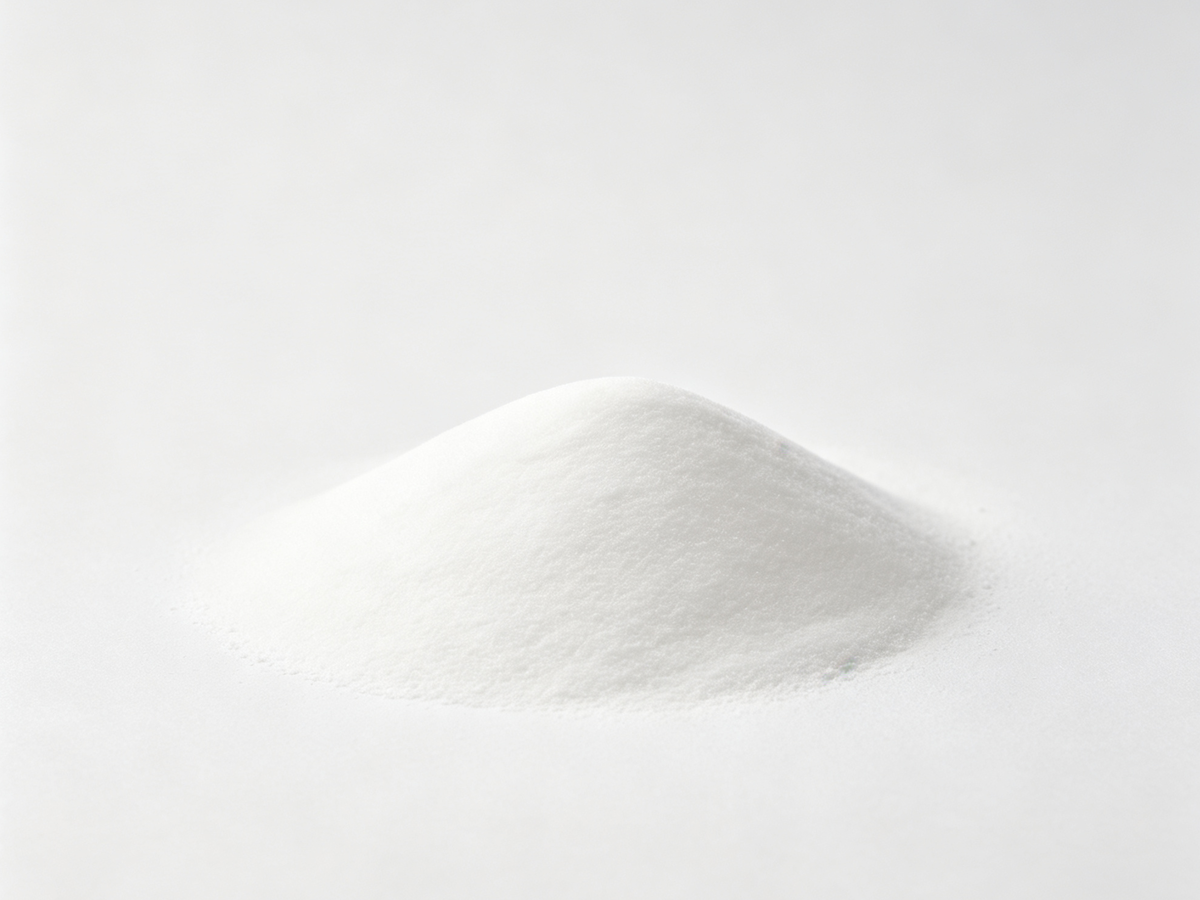
Purecium L-Arginine is a white, free-flowing crystalline powder for nitric oxide, cardiovascular and sports performance formulations, available as Base, Hydrochloride (HCL) and Alpha-Ketoglutarate (AAKG) formats. The base form is identified by CAS number 74-79-3 with molecular formula C6H14N4O2 and molecular weight 174.20 g/mol; HCL is CAS 1119-34-2 (C6H15ClN4O2, 210.66 g/mol); AAKG is CAS 16856-18-1 (C11H20N4O7, 320.30 g/mol). Our fermentation-derived L-arginine is produced to USP, EP and FCC standards with a 99.0% minimum assay, HPLC-verified on every batch. Allergen-free, gluten-free, non-GMO and vegan, it is packed in 25 kg drums with a 25 kg minimum order and full regulatory documentation.
Product name: L-Arginine (Base / HCL / AAKG 2:1)
Molecular formula: C6H14N4O2 (Base); C6H15ClN4O2 (HCL); C11H20N4O7 (AAKG)
Starting material: Microbial fermentation (non-GMO plant-based substrate)
Grade: USP / EP / FCC
Heavy Metals: Conforms to USP/EP
Pesticide residue: Conforms to USP/EP
Packing size: 25kg/drum
CAS#: 74-79-3 (Base); 1119-34-2 (HCL); 16856-18-1 (AAKG)
Molecular weight: 174.20 g/mol (Base); 210.66 g/mol (HCL); 320.30 g/mol (AAKG)
Source: Fermentation (L-enantiomer)
Specification: 99.0% min assay (USP), white crystalline powder
Country of origin: China
Residual solvent: Conforms to USP/EP
Allergen free/Gluten-free/Non-GMO/Vegan/Non-Irradiation:

L-Arginine Overview
L-Arginine is the conditionally essential amino acid that serves as the direct precursor of nitric oxide (NO), the signaling molecule that relaxes blood vessels and supports healthy circulation. The base form is identified by CAS number 74-79-3, molecular formula C6H14N4O2 and molecular weight 174.20 g/mol, and it is also supplied as the hydrochloride salt (HCL, CAS 1119-34-2) and the alpha-ketoglutarate complex (AAKG, CAS 16856-18-1) for different formulation needs.
For the dietary supplement industry, L-arginine is a core ingredient in nitric oxide boosters, cardiovascular support, sports performance, male wellness and amino acid products. Purecium supplies all three commercial formats as white, free-flowing crystalline powders standardized to 99.0% minimum assay, sold exclusively as B2B raw materials for distributors, contract manufacturers, private-label producers and finished supplement brands.
Source & Ingredient Identity
Purecium L-Arginine is manufactured by microbial fermentation using non-GMO plant-based carbohydrate sources, the dominant commercial route for food-grade amino acids. The fermentation process produces the naturally occurring L-enantiomer, which is purified by crystallization. The base form is the free amino acid; the HCL form is converted with hydrochloric acid for higher solubility; and the AAKG form is a 2:1 complex of arginine with alpha-ketoglutaric acid, the keto acid of the Krebs cycle.
Three specifications are offered under this product line: L-Arginine Base USP grade, L-Arginine HCL grade and L-Arginine Alpha-Ketoglutarate 2:1, each 99.0% minimum assay by HPLC and conforming to USP-NF, European Pharmacopoeia or FCC monographs as applicable, produced in China and non-irradiated, with no allergens, no gluten and no GMO material. For B2B buyers, the critical purchasing checks are the format choice, the assay on the Certificate of Analysis, and the chloride or ketoglutarate content confirming the correct salt or complex form.
Key Characteristics of L-Arginine
1. Nitric oxide precursor. L-Arginine is the substrate of endothelial nitric oxide synthase (eNOS), which converts arginine to nitric oxide and L-citrulline; nitric oxide relaxes vascular smooth muscle and supports healthy blood flow, the mechanism behind its cardiovascular and sports performance use, as documented by the NIH Office of Dietary Supplements.
2. Three formulation formats. The Base form suits general capsules and tablets; the HCL form offers higher solubility for powder blends and drinks; and the AAKG 2:1 form is the classic sports-nutrition complex combining arginine with the Krebs cycle intermediate alpha-ketoglutarate.
3. Regulatory-clear and well studied. L-Arginine is a GRAS food ingredient in the United States and permitted in food supplements in the European Union, with an extensive peer-reviewed evidence base on vascular function and exercise performance. Finished-product claims must follow destination-market regulations.
L-Arginine Manufacturing
The manufacturing process follows a fermentation route: selected microbial strains convert non-GMO plant-based sugars into L-arginine under controlled fermentation conditions, after which the broth is filtered, purified by ion exchange and crystallization, and dried to a white crystalline powder. For the HCL format, the purified base is reacted with pharmaceutical-grade hydrochloric acid and recrystallized; for AAKG, the base is complexed with alpha-ketoglutaric acid in the 2:1 stoichiometric ratio.
Every production stage is process-controlled, and each finished lot is verified by HPLC before release. Identification, assay (99.0% minimum on a dried basis), specific optical rotation confirming the L-enantiomer, chloride content for HCL, ketoglutarate content for AAKG, loss on drying, heavy metals, residual solvents and microbiological results are reported on the batch Certificate of Analysis. Each lot is traceable from fermentation culture to finished drum.
Applications of L-Arginine
Nitric oxide support, cardiovascular health and sports performance are the primary applications of L-arginine. Mechanistically, arginine is converted by endothelial nitric oxide synthase to nitric oxide, which activates soluble guanylate cyclase in vascular smooth muscle, increasing cyclic GMP and producing vasodilation; this supports healthy blood flow and nutrient delivery during exercise. The AAKG format pairs arginine with alpha-ketoglutarate, which participates in the Krebs cycle and in glutamine synthesis, supporting the energy and recovery axes of sports nutrition.
These mechanisms underpin its classic use in pre-workout and pump formulas, nitric oxide boosters, cardiovascular support blends, male wellness products and amino acid systems. Peer-reviewed research has examined arginine in vascular, exercise and metabolic contexts extensively, and the FDA recognizes L-arginine as GRAS for food use. Finished-product claims should always follow the regulations of the destination market.
L-Arginine is compatible with tablets, hard capsules, sachets and powder blends. The Base and HCL forms blend easily in dry systems, while HCL is preferred where rapid dissolution is required. Formulators should note that free-base arginine is alkaline and can interact with acidic excipients, so the HCL form is often chosen for high-loading formulations.
Manufacturing & Quality Control
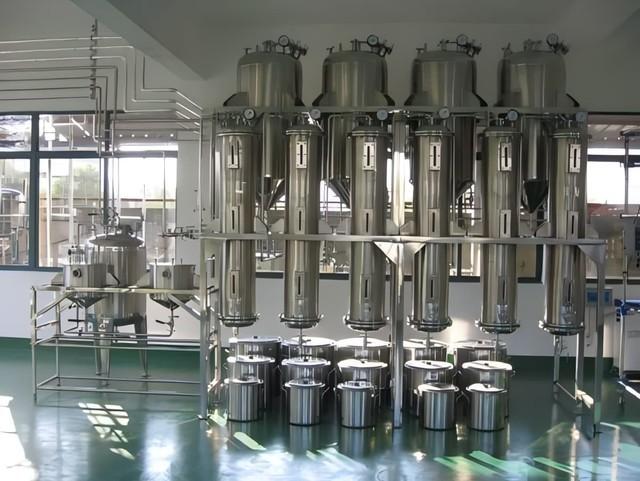
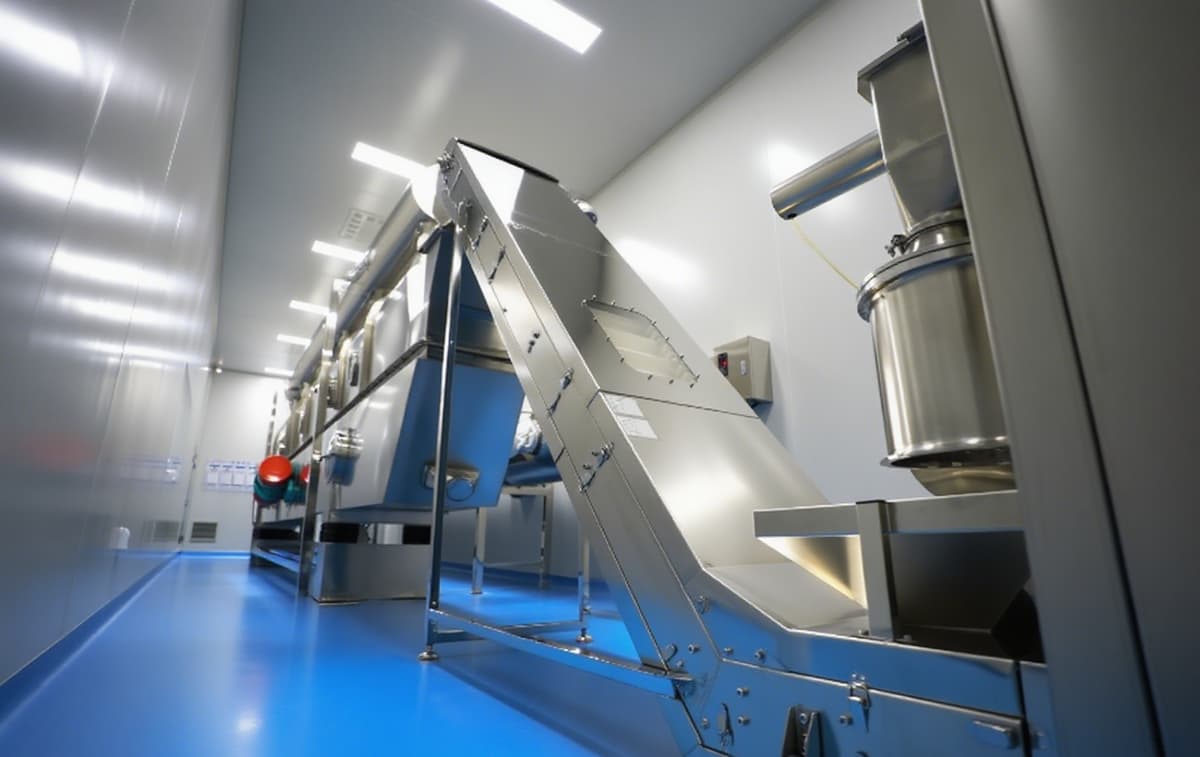
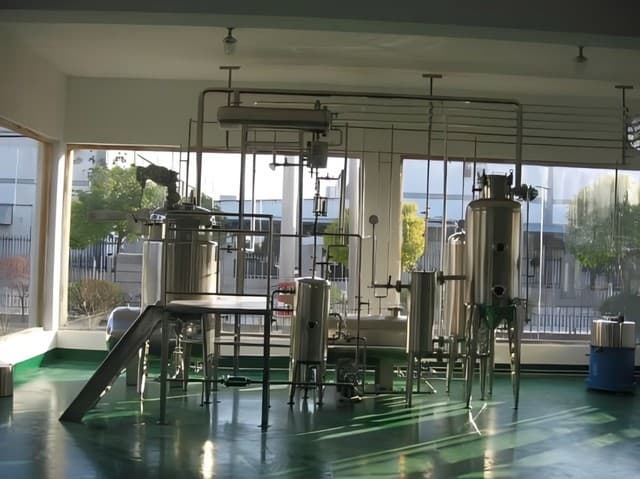
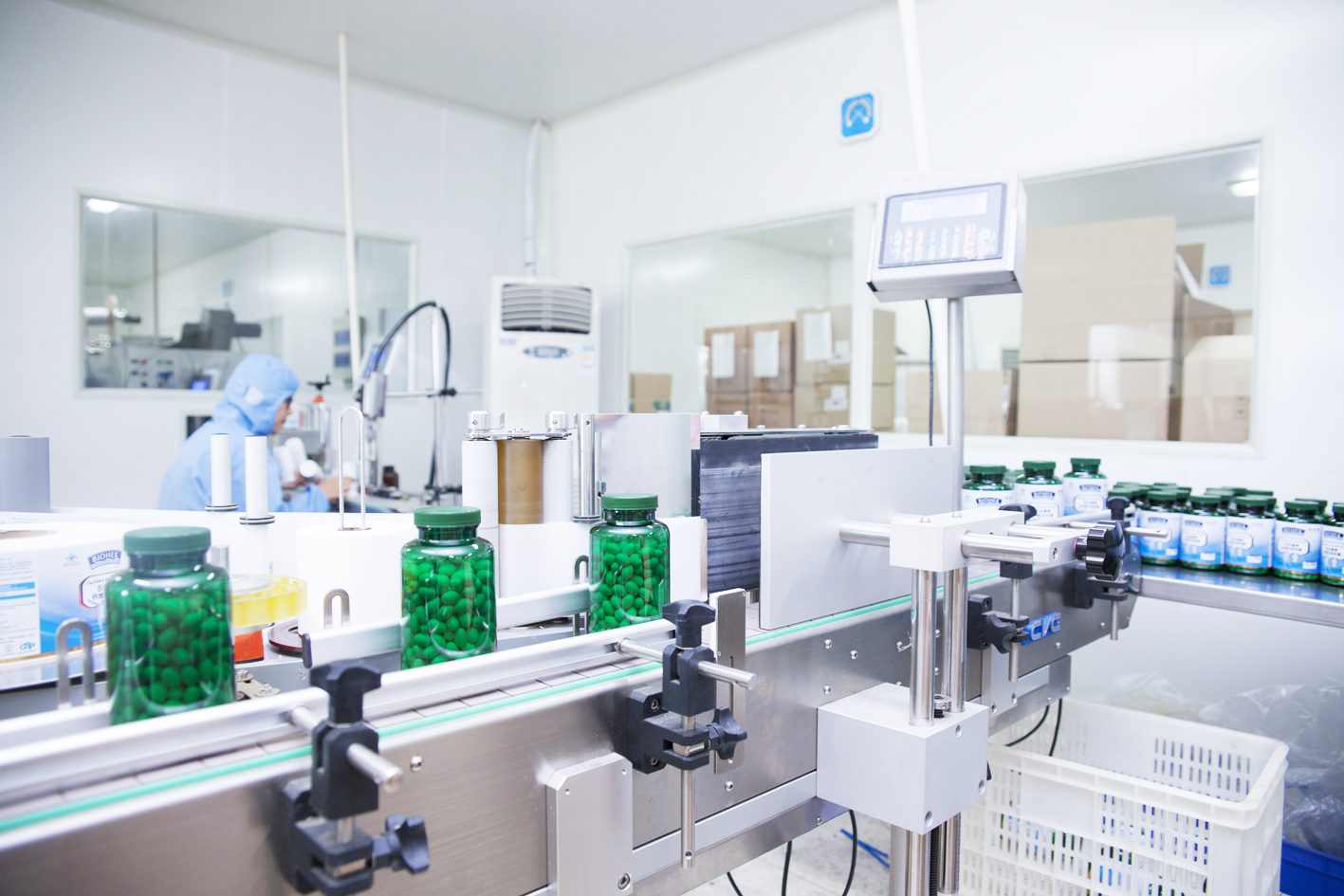
Purecium L-Arginine is produced in facilities operating under ISO 9001 and FSSC 22000 certified quality systems, with Kosher and Halal certification available. Analytical methods follow the current USP-NF and European Pharmacopoeia monographs for Arginine and Arginine Hydrochloride, and each batch is assayed by HPLC for content. Routine release testing covers identification, assay (99.0% minimum on a dried basis), specific optical rotation, chloride or ketoglutarate content, loss on drying, residue on ignition, heavy metals, residual solvents and microbial limits, with results documented on a batch-specific Certificate of Analysis.
Each commercial lot is fully traceable from fermentation culture to finished drum. Alongside the CoA, Purecium provides the specification sheet, SDS, allergen and gluten statements, non-GMO declarations and stability data on request, giving buyers the documentation needed for raw-material approval and finished-product registration.
L-Arginine for B2B Supplement Manufacturing
Purecium supplies L-Arginine exclusively as a B2B raw material for distributors, contract manufacturers, private-label producers and finished supplement brands, in Base, HCL and AAKG formats. The minimum order quantity is 25 kg per format. The powder is packed in 25 kg drums with food-grade aluminum-foil inner bags, and samples and full documentation are available before commitment.
For North American customers, inventory is staged at Purecium's US warehouse, enabling pickup or delivery within approximately two days. Global delivery covers Hong Kong, mainland China, the EU and other regions, with export documentation prepared for every shipment. Purecium also supports custom mesh sizing and provides technical and regulatory communication to move L-arginine from ingredient selection to commercial formulation.
Reviewed by the Chief Quality Assurance / Regulatory Affairs Specialist at Purecium for technical accuracy and regulatory alignment.
How does bulk L-arginine compare with L-citrulline, agmatine sulfate and arginine HCl in formulation, dosing, handling and regulatory terms?
L-arginine (CAS 74-79-3) is the free-base form of a conditionally essential amino acid, typically supplied as a white crystalline powder with an assay of 98.5-99.5% on a dried basis. It is freely soluble in water (about 150 g/L at 20 C) and is normally dosed in finished products at 1-5 g per serving, depending on the intended physiological rationale. As a bulk raw material it is hygroscopic and mildly alkaline in solution, so formulators usually control relative humidity during blending and storage. It carries a long history of food use and is listed in the major pharmacopoeias, which simplifies documentation for many markets. L-citrulline (CAS 372-75-8) is a related non-protein amino acid frequently positioned as an alternative because it is not subject to the same first-pass hepatic arginase metabolism. Typical bulk doses run 1.5-6 g per serving, and the material is a freely water-soluble crystalline solid with good stability in dry form. From a handling standpoint it is less hygroscopic than arginine free base and generally easier to blend into dry mixes. Its regulatory position as a food ingredient is established in the EU and US, though permitted claims differ from those for arginine. Agmatine sulfate (CAS 2482-00-0) is the sulfate salt of the decarboxylated arginine metabolite agmatine. Bulk doses are much lower, commonly 0.25-1 g per serving, reflecting a different potency and metabolic role. It is water-soluble and stable under normal dry storage, but its regulatory status is more restrictive than that of arginine or citrulline; in several jurisdictions it is treated as a novel or non-approved food ingredient, which affects labelling and sale. Arginine HCl (CAS 1119-34-2) is the hydrochloride salt, offering higher water solubility and a lower pH in solution than the free base, with an arginine content of roughly 83%. It is used where a more acidic, highly soluble form is required, and it is generally well documented, though the added chloride load must be considered in high-dose formulations. For bulk B2B sourcing, the practical selection depends on dose, taste, hygroscopicity and the regulatory pathway in the target market. Arginine free base and arginine HCl are the most straightforward from a documentation perspective; citrulline is a common substitute where hepatic metabolism is a concern; agmatine sulfate requires closer regulatory review before commercialisation.Comparison in table form.
The table below sets out the parameters that determine how each material is specified, dosed and documented in a finished formulation.Parameter
L Arginine
L-citrulline
Agmatine sulfate
CAS number
74-79-3
372-75-8
2482-00-0
Chemical class
Amino acid (free base)
Amino acid
Decarboxylated arginine salt
Typical dose
1-5 g per serving
1.5-6 g per serving
0.25-1 g per serving
Solubility
Freely soluble in water
Freely soluble in water
Soluble in water
Stability
Stable dry; hygroscopic
Stable dry; low hygroscopicity
Stable under dry storage
Regulatory status
Established food/pharma use
Established food ingredient
Restricted in some markets
Supply form
Crystalline powder
Crystalline powder
Crystalline powder
Documentation
Pharmacopoeial monographs
Food-grade specs available
Limited monograph coverage