

PURECIUM
PURECIUM
Agmatine Sulfate
Advanced Performance Formula Ingredient
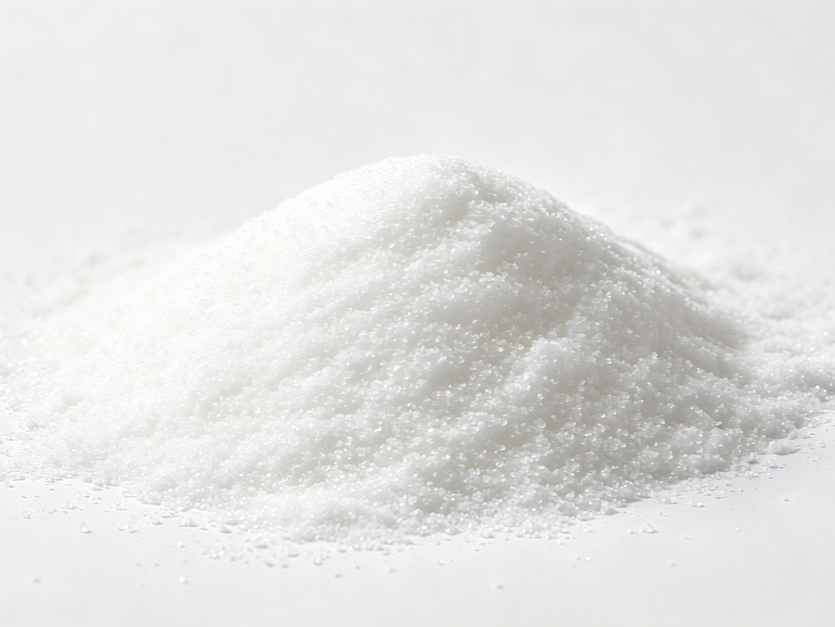
Agmatine Sulfate
Purecium Agmatine Sulfate is a specialty dietary supplement ingredient designed for sports nutrition, pre-workout, amino-acid and performance-oriented formulations. Derived from the agmatine pathway of L-arginine metabolism, Agmatine Sulfate has been investigated for its relationship with nitric oxide signaling, imidazoline binding sites, adrenergic pathways and NMDA receptor activity. Purecium supplies Agmatine Sulfate for distributors, contract manufacturers, private-label manufacturers and finished supplement brands seeking a differentiated functional ingredient. With more than 15 years of dietary supplement industry experience, Purecium provides B2B sourcing, quality documentation, packaging coordination and international supply-chain support for commercial Agmatine Sulfate projects.
Product name: Agmatine Sulfate
Molecular formula: C5H16N4O4S
Starting material: Corn
Grade: Food grade
Heavy Metals: USP
Pesticide residue: USP/EP
Packing size: 25kg/drum
CAS#: 2482-00-0
Molecular weight:228.27 g/mol
Source: Fermentation
Specification: 99% HPLC
Country of origin: China
Residual solvent: USP/EP
Allergen free/Gluten-free/Non-GMO/Vegan/Non-Irradiation

Agmatine Sulfate for Sports Nutrition and Dietary Supplement Formulations
Agmatine Sulfate is a specialized amino-acid-derived ingredient used in dietary supplement formulations, particularly in sports nutrition and performance-oriented products. As the sulfate salt of agmatine, it provides formulators with a concentrated and convenient ingredient format for powders, capsules, tablets, pre-workout formulas, and other oral supplement applications.
Agmatine is a naturally occurring metabolite of L-arginine formed through decarboxylation of arginine. Scientific research has investigated agmatine in relation to nitric oxide signaling, neurotransmitter-related pathways, imidazoline binding sites, adrenergic signaling, and NMDA receptor activity. These multiple biological pathways are one reason Agmatine Sulfate continues to attract interest among sports nutrition formulators and specialty dietary supplement brands.
For B2B customers, however, ingredient selection is not only about biological functionality. Consistent assay, controlled impurities, microbiological quality, documentation, packaging, supply continuity, and responsive technical support are equally important. Purecium supplies Agmatine Sulfate as a B2B dietary supplement raw material for distributors, contract manufacturers, private-label manufacturers, and finished-product brands seeking a reliable ingredient sourcing partner.
Agmatine Sulfate Overview
Agmatine sulfate (1-(4-aminobutyl)guanidine sulfate, CAS 2482-00-0) has the molecular formula C5H16N4O4S and a molecular weight of 228.27 g/mol. It is supplied as a white crystalline powder with a minimum assay of 99% by HPLC, produced by fermentation from the amino acid L-arginine for sports-nutrition and vascular-health supplement manufacturing.
Agmatine Sulfate is the sulfate salt form of agmatine, a compound derived from L-arginine metabolism. It is commonly supplied as a white to off-white crystalline powder and is used as an active ingredient in oral dietary supplement formulations.
Unlike conventional amino acids that are primarily positioned around protein synthesis, Agmatine Sulfate is generally considered a specialty functional ingredient because research has examined its role in several signaling systems.
For supplement developers, this makes Agmatine Sulfate particularly relevant to formulations positioned around:
- Sports nutrition
- Pre-workout formulas
- Exercise performance support
- Nitric oxide-related formulations
- Circulation and vascular-support concepts
- Advanced amino acid blends
- Specialty performance formulas
- Capsule and powder dietary supplements
Agmatine should not be positioned as a replacement for L-arginine or L-citrulline. Its biological activity and formulation role are distinct, which allows product developers to create differentiated amino-acid-based supplement concepts.
Source & Ingredient Identity
Purecium Agmatine Sulfate is supplied as a dietary supplement raw material intended for B2B formulation and manufacturing applications.
Typical commercial Agmatine Sulfate specifications emphasize:
- High assay purity
- Controlled loss on drying
- Controlled inorganic residues
- Controlled heavy metals
- Defined impurity limits
- Microbiological control
- Consistent appearance
- Batch-to-batch consistency
- Supporting quality documentation
Commercial specifications commonly use an assay specification around 98% or higher, although the exact specification should always be confirmed against the current Purecium specification sheet and batch COA rather than assumed from generic market specifications. Public supplier specifications demonstrate that assay, loss on drying, heavy metals, impurities, total plate count, yeast and mold, E. coli, and Salmonella are among the parameters commonly monitored for Agmatine Sulfate.
For procurement teams, Purecium can provide product specifications and batch-specific documentation so that Agmatine Sulfate can be evaluated against the customer's internal raw-material requirements.
Key Characteristics of Agmatine Sulfate
Specialty Amino-Acid-Derived Ingredient
Agmatine Sulfate originates from the metabolic pathway of L-arginine and provides a different functional positioning from conventional proteinogenic amino acids.
Sports Nutrition Positioning
Agmatine Sulfate is particularly relevant to pre-workout and performance-oriented formulations where brands are looking for differentiated ingredients beyond conventional amino acid products.
Multiple Research Pathways
Research has investigated agmatine in connection with nitric oxide synthase regulation, imidazoline receptors or binding sites, adrenergic signaling, NMDA receptors, and other cellular signaling pathways. This multi-pathway profile provides a scientific basis for continued interest in the ingredient, while commercial product claims should remain consistent with applicable regulations and available human evidence.
Formulation Flexibility
Agmatine Sulfate can be incorporated into powder, capsule, tablet, and multi-ingredient sports nutrition products, depending on the target formula and finished-product dosage requirements.
B2B-Oriented Supply
Purecium focuses on bulk ingredient supply rather than consumer retail packaging, supporting distributors, supplement manufacturers, private-label companies, and finished-product brands.
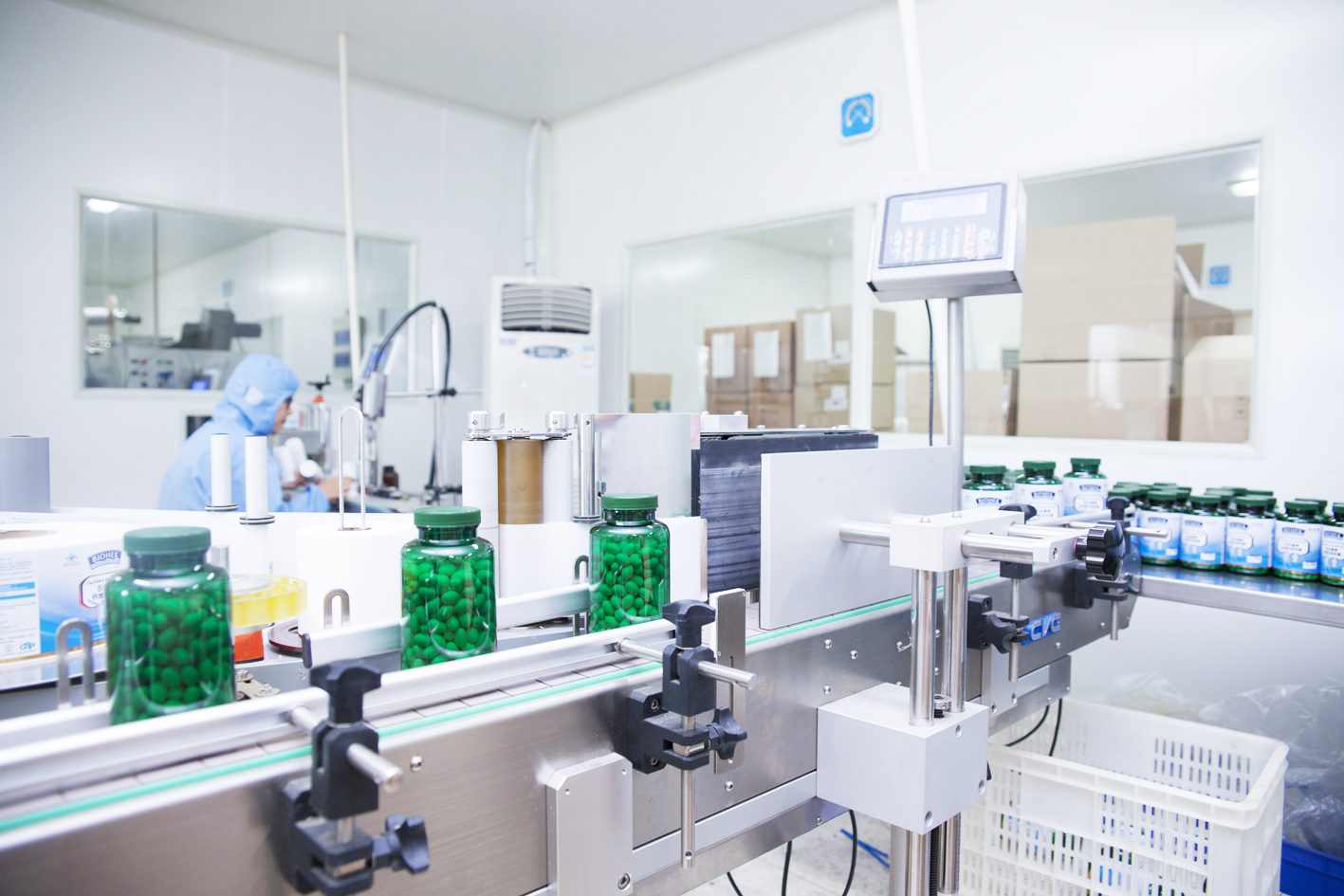
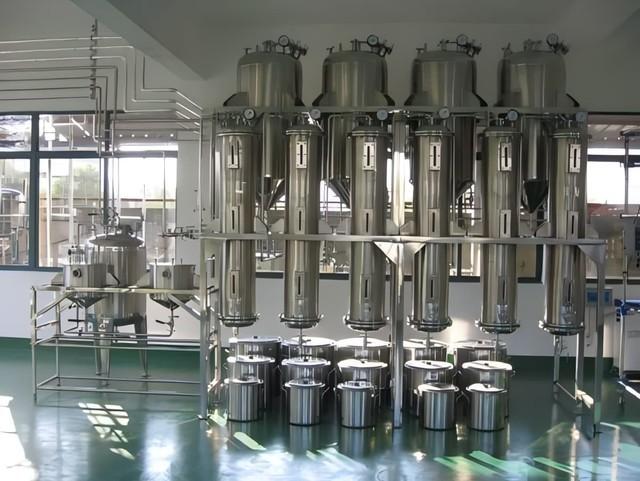
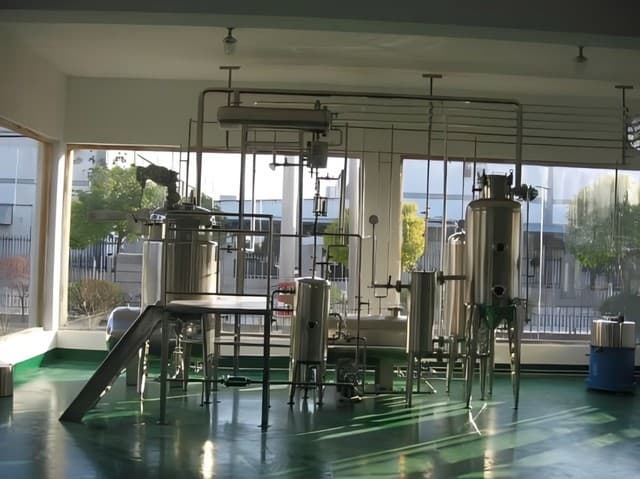
Agmatine Sulfate Manufacturing
Commercial Agmatine Sulfate production generally involves controlled conversion of an appropriate precursor into agmatine, followed by formation of the sulfate salt, purification, concentration, drying, milling or sieving, and final quality testing.
A typical controlled manufacturing workflow may include:
Raw Material Preparation → Controlled Reaction / Conversion → Purification → Sulfate Salt Formation → Separation → Drying → Milling / Sieving → Quality Testing → Packaging
For B2B procurement, the important consideration is not simply the reaction route but whether the manufacturing process provides reliable control over:
- Starting-material quality
- Reaction conditions
- Conversion efficiency
- Residual impurities
- Solvent residues where applicable
- Inorganic residues
- Moisture
- Particle characteristics
- Microbiological quality
- Batch-to-batch consistency
The actual manufacturing route, starting materials, processing aids, and process controls should be confirmed through the supplier's current technical documentation rather than inferred from generic Agmatine Sulfate manufacturing information.
How Agmatine Sulfate Works: Scientific Background
Agmatine is biologically interesting because it is involved in several signaling systems rather than acting through a single pathway.
One extensively discussed mechanism involves nitric oxide signaling. Agmatine has been studied for its interaction with nitric oxide synthase pathways, although its relationship with nitric oxide production is more complex than simply describing it as a direct “nitric oxide booster.” Scientific literature has reported inhibitory effects on certain nitric oxide synthase pathways, meaning that simplified marketing statements such as “Agmatine directly increases nitric oxide” should be used cautiously.
Research has also examined agmatine's interaction with:
- Imidazoline binding sites
- α2-adrenergic receptors
- NMDA receptors
- Other ligand-gated ion channels
- Polyamine-related cellular pathways
This broad signaling profile distinguishes Agmatine Sulfate from conventional amino-acid ingredients and helps explain why it has been investigated in neurological, vascular, metabolic, and exercise-related research.
For dietary supplement development, these mechanisms should be presented as research-supported biological pathways, not as evidence that Agmatine Sulfate diagnoses, treats, cures, or prevents a disease.
Clinical and Human Research
Human research on dietary Agmatine Sulfate exists, although the clinical literature is much smaller than that available for established sports nutrition ingredients such as creatine or caffeine.
One controlled human study investigated dietary Agmatine Sulfate in participants with lumbar disc-associated radiculopathy. The research included an initial dose-escalation phase followed by a randomized, double-blind, placebo-controlled trial. The study evaluated safety and clinical outcomes using defined Agmatine Sulfate intake protocols.
The existence of human research is useful for ingredient evaluation, but it should not be interpreted as proof of a broad therapeutic effect or as justification for disease-treatment claims in dietary supplements.
For B2B product development, the more appropriate positioning is to describe Agmatine Sulfate as a specialty research-supported dietary supplement ingredient with applications in sports nutrition and performance-oriented formulations.
Applications of Agmatine Sulfate
Sports Nutrition
Agmatine Sulfate is particularly suitable for advanced sports nutrition products, especially formulas designed around exercise performance, pre-workout positioning, vascular signaling, and amino-acid-based performance support.
Pre-Workout Formulas
It can be considered as part of multi-ingredient pre-workout systems alongside other ingredients selected for energy, endurance, focus, or exercise support.
The formulation strategy should account for the individual characteristics of each ingredient rather than assuming that all nitric-oxide-related ingredients have identical mechanisms.
Capsules and Tablets
Agmatine Sulfate can be used in capsule and tablet formulations where a defined amount of active ingredient is required.
Powder Supplements
Powder formats allow manufacturers to develop standalone Agmatine Sulfate products or combine it with other sports nutrition ingredients.
Specialty Amino Acid Blends
Because Agmatine is metabolically related to L-arginine but has a distinct biological profile, it can be used in differentiated amino-acid formulations rather than simply duplicating conventional amino acid products.
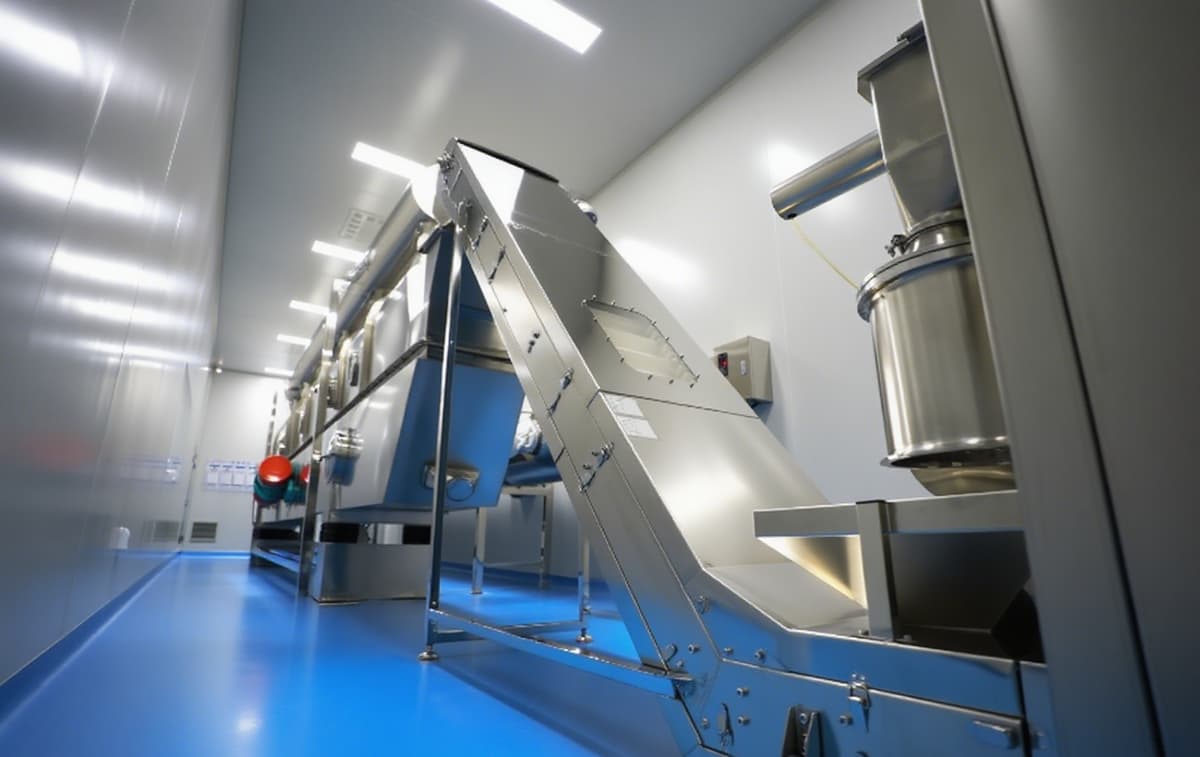
Manufacturing & Quality Control
For B2B buyers, Agmatine Sulfate quality should be evaluated through a combination of specification compliance, analytical testing, manufacturing controls, documentation, and batch consistency.
Important quality-control parameters may include:
- Identification
- Assay
- Related substances / impurities
- Loss on drying
- Residue on ignition or equivalent inorganic-residue testing
- Heavy metals
- Microbiological limits
- E. coli
- Salmonella
- Appearance
- Packaging integrity
Publicly available commercial specifications illustrate the type of quality-control framework commonly used for Agmatine Sulfate, including assay around ≥98%, impurity controls, heavy metals, moisture, and microbiological limits.
Purecium works with B2B customers who require technical documentation for raw-material qualification, including product specifications, COA-related information, and supporting quality documents as applicable.
Purecium's broader quality and manufacturing capabilities include experience in the dietary supplement ingredient industry and support for international B2B customers. Available company-level certifications and facilities should be confirmed against the current Purecium certification package for the specific manufacturing site and product.
Agmatine Sulfate for B2B Supplement Manufacturing
Purecium positions Agmatine Sulfate as a bulk dietary supplement ingredient rather than a consumer-facing finished product.
The supply model is designed for:
Ingredient Distributors
Distributors can source Agmatine Sulfate as a specialty sports nutrition ingredient for their regional supplement-manufacturing customers.
Contract Manufacturers
Contract manufacturers can evaluate Agmatine Sulfate for incorporation into capsules, tablets, powders, and multi-ingredient sports nutrition formulas.
Private-Label Manufacturers
Private-label manufacturers can use the ingredient as part of differentiated pre-workout or performance-support formulations.
Finished Supplement Brands
Brands developing sports nutrition or specialty amino-acid products can work with Purecium on raw-material sourcing, documentation, packaging, and supply requirements.
B2B Supply Chain and Procurement Support
A reliable Agmatine Sulfate supply program should address more than unit price.
Purecium supports B2B customers with:
- Bulk ingredient sourcing
- Product specifications
- COA documentation
- Quality documentation
- Technical communication
- Packaging coordination
- Export documentation
- Shipment coordination
- Repeat-order planning
- Distributor support
- Private-label and contract-manufacturing communication
Purecium has more than 15 years of experience in the dietary supplement industry and supports international customers with a broader supply-chain network, including warehouse resources in the Netherlands and California.
For customers purchasing Agmatine Sulfate in commercial quantities, the most important purchasing variables typically include specification, batch consistency, documentation, MOQ, lead time, packaging, destination, and annual demand. Purecium can evaluate these requirements on a project-by-project basis rather than applying a single standard solution to every customer.
Why Choose Purecium for Agmatine Sulfate?
Purecium combines ingredient sourcing, quality documentation, international B2B support, and dietary supplement industry experience.
For Agmatine Sulfate buyers, the value is not simply access to another commodity amino-acid ingredient. The goal is to establish a dependable supply relationship that supports product qualification, formulation development, commercial production, and repeat purchasing.
Purecium serves:
Dietary Supplement Distributors | Contract Manufacturers | Private-Label Manufacturers | Sports Nutrition Brands | Nutraceutical Brands
With more than 15 years of industry experience and international supply-chain support, Purecium can help customers evaluate Agmatine Sulfate for new product development and ongoing commercial supply.
For current specifications, MOQ, packaging, lead time, COA, and quotation, contact Purecium directly.
Formulator's Guide: Enhancing Bioavailability & Solubility
Reviewed by the Chief Quality Assurance / Regulatory Affairs Specialist at Purecium for technical accuracy and regulatory alignment.