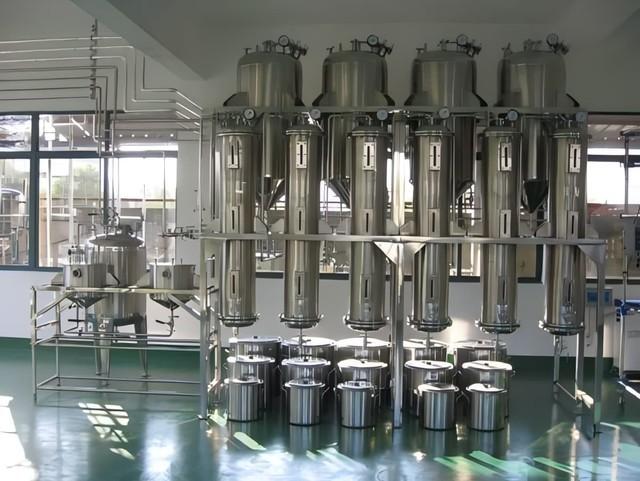


Potassium Citrate Crystal Powder (Monohydrate)
High-Purity Electrolyte Citrate Salt
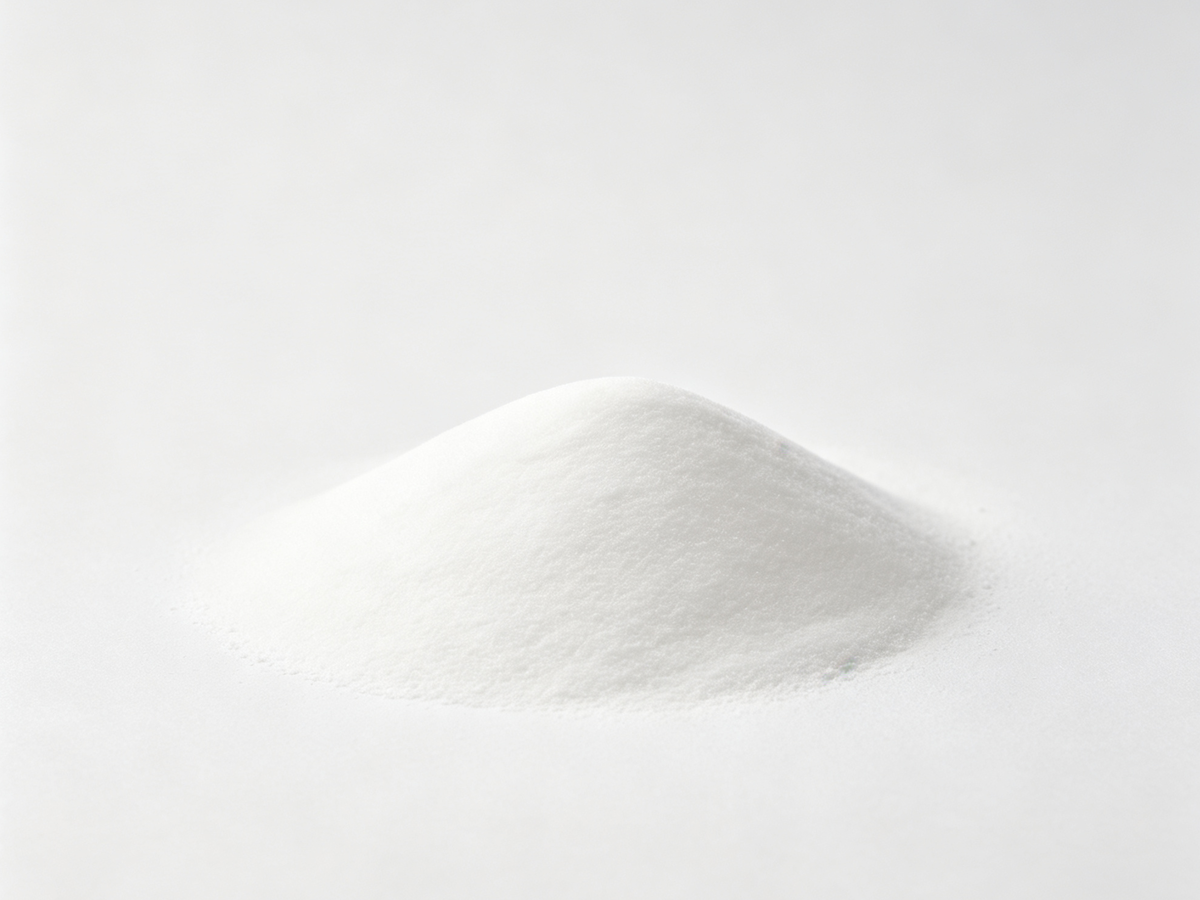
Potassium Citrate
Purecium Potassium Citrate is a freely water-soluble potassium salt supplied as a B2B raw material in the standard commercial form of tripotassium citrate monohydrate, which carries CAS 6100-05-6, molecular formula C6H7K3O8 (C6H5K3O7·H2O) and molecular weight 324.41 g/mol, with approximately 36% elemental potassium. Produced by neutralization of food-grade citric acid with food-grade potassium hydroxide or carbonate followed by crystallization, it is tested for identity, assay, solubility, heavy metals and microbial limits against EP and FCC monographs. Allergen-free, gluten-free, non-GMO and vegan, it is packed in 25 kg drums with a 25 kg minimum order and full B2B documentation.
Buyer snapshot: MOQ 25 kg; stock held in the United States; stock held in the Netherlands (EU); 2-day pickup for North America; quotation response within 12 business hours. Quotation on request, samples dispatched worldwide.
Product name: Potassium Citrate (Tripotassium Citrate Monohydrate)
Molecular formula: C6H7K3O8
Starting material: Citric acid + food-grade potassium hydroxide/carbonate
Grade: Food Grade (EP/FCC)
Heavy Metals: Conforms to USP/EP limits
Pesticide residue: Conforms to USP/EP limits
Packing size: 25kg/drum
CAS#: 6100-05-6
Molecular weight: 324.41 g/mol
Source: Synthetic (citric acid + potassium salt neutralization)
Specification: Tripotassium citrate monohydrate; K approx. 36%
Country of origin: China
Residual solvent: Conforms to USP/EP limits
Allergen free/Gluten-free/Non-GMO/Vegan/Non-Irradiation:

Potassium Citrate Overview
Potassium citrate, specifically the monohydrate crystal form of tripotassium citrate, is a freely water-soluble potassium salt of citric acid used in dietary supplements for electrolyte replacement, hydration support and alkalinity-oriented formulations. The compound carries CAS 6100-05-6, molecular formula C6H7K3O8 (C6H5K3O7·H2O) and molecular weight 324.41 g/mol, and delivers approximately 36% elemental potassium. Potassium is an essential mineral and electrolyte that the body loses through sweat, making potassium citrate a practical ingredient for rehydration formats.
For the dietary supplement industry, potassium citrate is valued for its high water solubility, clean crystalline profile and the alkalizing character of the citrate anion, which makes it a preferred potassium form for electrolyte-replacement drink mixes, sports nutrition and pH-oriented wellness formulas. Purecium supplies potassium citrate monohydrate crystal powder as a B2B raw material for distributors, contract manufacturers, private-label producers and finished supplement brands worldwide.
Source & Ingredient Identity
Purecium Potassium Citrate is produced by the controlled neutralization of food-grade citric acid with food-grade potassium hydroxide or potassium carbonate, followed by crystallization to the stable monohydrate crystal form, separation, drying and sizing to granular or fine-powder specifications. The product conforms to the European Pharmacopoeia monograph for potassium citrate (Potassii citras) and to FCC monographs, and it is manufactured as a Food Grade material under certified quality systems.
The declared product is tripotassium citrate monohydrate, the standard commercial crystal form, and buyers should confirm the hydrate form on the specification because an anhydrous potassium citrate with CAS 866-84-2 and molecular formula C6H5K3O7 also exists. For B2B purchasing, the critical checks are the hydrate form, the elemental potassium assay, water solubility and solution clarity, heavy metal profile and the residual-solvent and pesticide statements.
Key Characteristics of Potassium Citrate
1. High water solubility and crystal clarity. The defining characteristic of potassium citrate monohydrate is its ready solubility in water, forming clear solutions that make it a preferred potassium form for drink powders, stick-packs and effervescent tablets. The commercial material appears as white crystalline or colorless transparent crystals and granular powder with a characteristic saline, alkaline taste, and it dissolves without the sediment or haze that complicates beverage and effervescent formats.
2. Approximately 36% elemental potassium with a recognized physiological role. Elemental potassium content is calculated from the molecular formula C6H7K3O8: three potassium atoms contribute about 117.3 g/mol of the 324.41 g/mol molecular weight, or roughly 36%. Potassium is an essential mineral and electrolyte; the NIH Office of Dietary Supplements publishes a potassium fact sheet for consumers and professionals, and EFSA has authorized health claims for potassium covering contribution to normal muscle function, normal nervous-system function and maintenance of normal blood pressure.
3. Clean, stable and formulation-friendly profile. The monohydrate crystals are non-GMO, allergen-free, gluten-free and vegan, and the material is non-irradiated with residual solvent, pesticide and heavy-metal results conforming to USP/EP limits. Because the salt carries a saline, slightly alkaline taste, formulators typically pair it with flavors in drink mixes, while its free solubility supports clear-solution and effervescent applications.
Potassium Citrate Manufacturing
The manufacturing process begins with neutralization of food-grade citric acid by food-grade potassium hydroxide or potassium carbonate under controlled temperature and pH, followed by crystallization to the monohydrate form, centrifugation or filtration, drying and final sizing. Every stage is process-controlled with in-process checks on reaction completion, pH, moisture content and particle size, so that each lot meets the EP monograph (Potassii citras, E332) and FCC requirements for potassium citrate.
Each finished lot is tested for identity, assay of elemental potassium, water solubility and solution clarity, heavy metals, residual solvent, pesticides and microbial limits, and all results are reported on the batch Certificate of Analysis. Each lot is fully traceable from raw materials to finished drum, and analytical methods follow the current European Pharmacopoeia monograph E332 and USP-NF approaches for potassium salts where applicable.
Applications of Potassium Citrate
Electrolyte replacement and hydration are the core applications. Potassium is the primary intracellular electrolyte and is lost with sodium in sweat during exercise and heat exposure, so potassium citrate monohydrate is widely used in electrolyte-replacement powders, hydration drink mixes and recovery beverages, where its free solubility supports rapid dissolution. Typical food-format servings supply 100 mg to 500 mg of elemental potassium, and finished-product dosage should follow destination-market rules for potassium in supplements.
Sports nutrition and pH/alkalinity formulations form the second cluster. Because the citrate anion is metabolized to bicarbonate, citrate salts have an alkalizing effect that supports acid-base balance during heavy training, and potassium citrate monohydrate is therefore used in sports powders and alkalinity-oriented wellness products. The salt also suits effervescent tablet systems, where the crystalline grade dissolves cleanly and the buffering character of citrate complements carbonate-based effervescence.
Formulators should note the approximately 36% elemental potassium content when calculating label declarations, and should choose between the crystal and fine-powder grades on the basis of the target format: granular crystals suit direct-compression and effervescent work, while fine powder disperses fastest in stick-packs and drink mixes. Food-format servings typically provide 100 mg to 500 mg potassium, whereas capsule and tablet potassium is often limited to about 99 mg per unit in some markets, so per-unit limits for each destination market should be confirmed before launch.
Manufacturing & Quality Control
Purecium Potassium Citrate is produced in facilities operating under ISO 9001 and FSSC 22000 certified quality systems, with Kosher and Halal certification available. Identity is confirmed against the EP monograph for potassium citrate (Potassii citras, E332) and FCC monographs, elemental potassium is quantified by validated titration or atomic absorption/ICP methods, and water solubility and solution clarity are checked on the lot.
Each commercial lot is released only when identity, assay, heavy metals, residual solvent, pesticide residue and microbial results are all within specification, and every lot is traceable from raw materials to finished drum. Alongside the Certificate of Analysis, Purecium provides the specification sheet, SDS, allergen and gluten statements, non-GMO declarations and stability data on request.
Potassium Citrate for B2B Supplement Manufacturing
Purecium supplies Potassium Citrate exclusively as a B2B raw material for distributors, contract manufacturers, private-label producers and finished supplement brands. The minimum order quantity is 25 kg; the product is packed in 25 kg drums with food-grade polyethylene inner bags, and samples and full documentation are available before commitment.
For North American customers, inventory is staged at Purecium's US warehouse, enabling pickup or delivery within approximately two days. Global delivery covers Hong Kong, mainland China, the EU and other regions, with export documentation prepared for every shipment. Purecium also provides specification and application guidance and technical and regulatory communication to support formulation and registration in each destination market.
Reviewed by the Chief Quality Assurance / Regulatory Affairs Specialist at Purecium for technical accuracy and regulatory alignment.
How does bulk Potassium Citrate compare with Potassium chloride and Potassium gluconate for B2B formulation?
Potassium citrate (CAS 866-84-2, anhydrous; the monohydrate is 6100-05-6) is the tribasic potassium salt of citric acid, supplied as a white crystalline powder. Potassium chloride (CAS 7447-40-7) is an inorganic chloride salt, and potassium gluconate (CAS 299-27-4) is the potassium salt of gluconic acid. All three are used as potassium sources in foods, beverages and supplements, but they differ in elemental potassium content, taste profile and formulation behaviour. Potassium citrate typically provides about 36% elemental potassium, potassium chloride about 52%, and potassium gluconate about 16%. This means gluconate requires roughly twice the mass of citrate for an equivalent potassium dose, which affects tablet size, blend economics and excipient load. Solubility and taste drive the choice of salt. Potassium citrate is freely soluble in water (roughly 1 g/mL at 25 C) and has a mild saline, slightly alkaline taste, making it suitable for effervescent and ready-to-drink formats. Potassium chloride is also freely soluble but has a pronounced bitter, metallic note that limits its use in taste-sensitive beverages. Potassium gluconate is very soluble and comparatively mild, but its low potassium density makes it less efficient where mass is constrained. In dry blends, citrate and gluconate are less hygroscopic than chloride under high humidity, though all three should be stored sealed below 25 C. From a regulatory perspective, potassium citrate, potassium chloride and potassium gluconate are all permitted food additives and nutrient sources in the EU and US, with potassium citrate listed as E332 and generally recognised as safe (GRAS) when used as a nutrient supplement. Typical supplemental doses range from 99 mg elemental potassium per serving in the US to higher amounts in foods and medical nutrition, subject to local labelling rules. Bulk buyers should request a certificate of analysis covering assay, loss on drying, heavy metals, chloride and microbial limits, plus a food-grade or USP/EP compliance statement. Supply is normally as 25 kg bags or fibre drums; particle size distribution and bulk density should be specified for tableting or blending.Comparison in table form.
The table below sets out the parameters that determine how each material is specified, dosed and documented in a finished formulation.Parameter
Potassium Citrate
Potassium chloride
Potassium gluconate
CAS number
866-84-2 (anhydrous)
7447-40-7
299-27-4
Chemical class
Organic potassium salt
Inorganic chloride salt
Organic potassium salt
Typical dose
~99 mg elemental K per serving
~99 mg elemental K per serving
~99 mg elemental K per serving
Solubility
Freely soluble in water
Freely soluble in water
Very soluble in water
Stability
Stable; keep sealed, dry
Stable; hygroscopic if humid
Stable; keep sealed, dry
Regulatory status
E332; GRAS nutrient source
E508; GRAS nutrient source
E577; GRAS nutrient source
Supply form
White crystalline powder
White crystalline powder
White crystalline powder
Documentation
CoA, food/USP/EP grade
CoA, food/USP/EP grade
CoA, food/USP/EP grade