

Zinc Gluconate Powder (USP)
Low-Irritant, Highly Soluble Zinc Salt
Zinc Gluconate
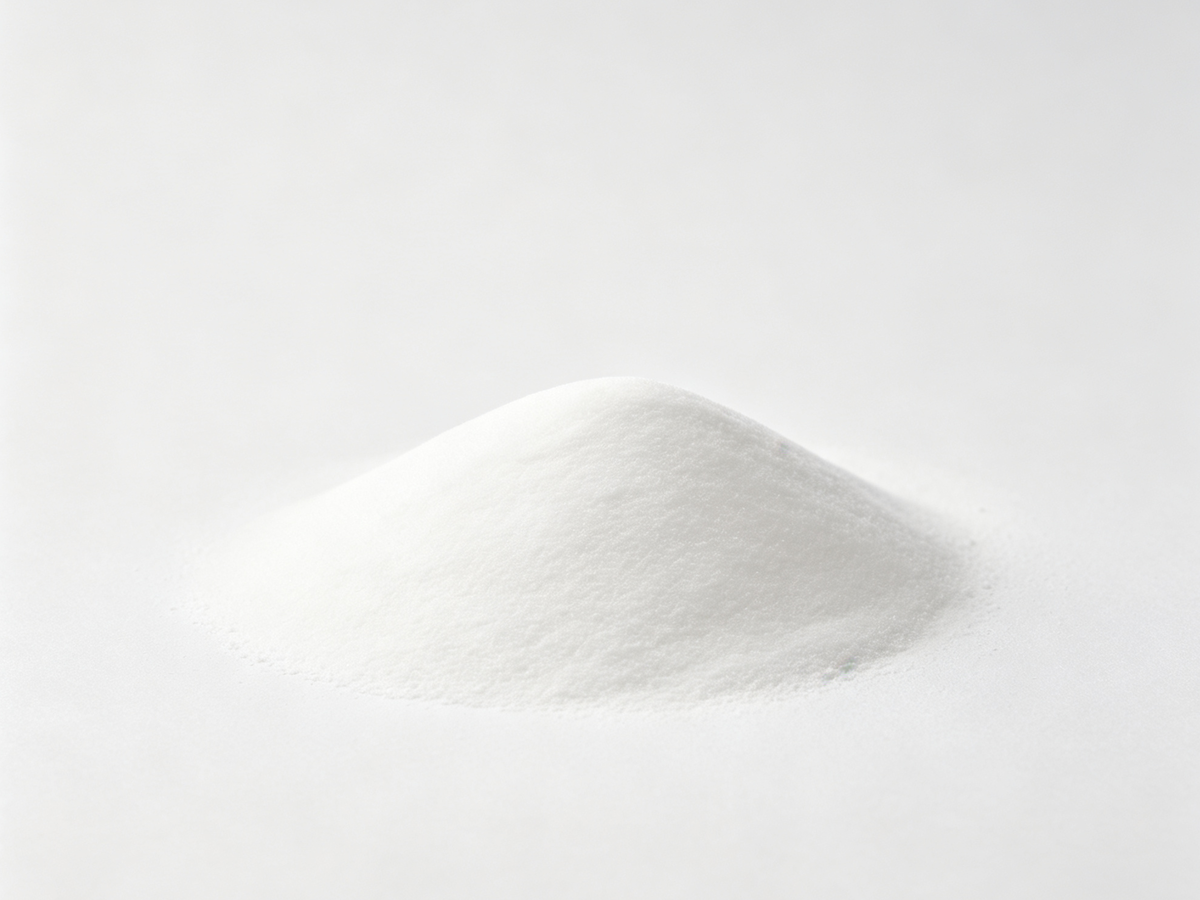
Zinc Gluconate is a water-soluble zinc salt of gluconic acid, CAS 4468-02-4, with molecular formula C12H22O14Zn, molecular weight 455.68 g/mol and approximately 14.3% elemental zinc. Produced by reaction of gluconic acid from glucose fermentation with a food-grade zinc source, it is a white free-flowing crystalline powder in USP grade. It is allergen-free, gluten-free, non-GMO, vegan and non-irradiated, packed in 25 kg drums with a 25 kg MOQ and full B2B documentation including CoA. It suits immune, skin, hair and nails and antioxidant formulas, with typical servings of 5 mg to 30 mg elemental zinc.
Buyer snapshot: MOQ 25 kg; stock held in the United States; stock held in the Netherlands (EU); 2-day pickup for North America; quotation response within 12 business hours. Quotation on request, samples dispatched worldwide.
Product name: Zinc Gluconate
Molecular formula: C12H22O14Zn
Starting material: Gluconic acid + food-grade zinc source
Grade: Food Grade (USP/FCC)
Heavy Metals: Conforms to USP/EP limits
Pesticide residue: Conforms to USP/EP limits
Packing size: 25kg/drum
CAS#: 4468-02-4
Molecular weight: 455.68 g/mol
Source: Synthetic (gluconic acid + zinc salt reaction)
Specification: Zinc gluconate USP; Zn approx. 14.3%
Country of origin: China
Residual solvent: Conforms to USP/EP limits
Allergen free/Gluten-free/Non-GMO/Vegan/Non-Irradiation:

Zinc Gluconate Overview
Zinc gluconate is a water-soluble zinc salt of gluconic acid, widely used in dietary supplements for immune support, skin, hair and nail health, and antioxidant formulations. It carries CAS number 4468-02-4, molecular formula C12H22O14Zn and molecular weight 455.68 g/mol, and provides approximately 14.3% elemental zinc. Purecium supplies Zinc Gluconate as a B2B raw material to supplement manufacturers, formulators and private-label producers.
Zinc is an essential trace mineral that supports immune function, DNA synthesis, cell division and protein synthesis, and zinc deficiency is among the most widespread mineral shortfalls worldwide, which is why zinc salts are staples of daily wellness and immune-support ranges. The NIH Office of Dietary Supplements maintains a Zinc fact sheet documenting these physiological roles, and EFSA has authorized health claims for zinc covering normal function of the immune system, DNA synthesis and protection of cells from oxidative stress.
Source & Ingredient Identity
Purecium Zinc Gluconate is made by reacting gluconic acid with a food-grade zinc source such as zinc oxide under controlled conditions, followed by crystallization, drying and milling. The gluconic acid itself is produced by fermentation of glucose, which makes the entire route traceable from fermentable carbohydrate through to the finished zinc salt.
For B2B purchasing, the identity checks are the CAS number 4468-02-4, molecular formula C12H22O14Zn and molecular weight 455.68 g/mol, together with the gluconate and zinc identification tests in the current USP monograph for zinc gluconate. Buyers should also confirm the elemental zinc specification, which Purecium states as approximately 14.3%, and request the declared starting materials and country of origin on the specification sheet.
Key Characteristics of Zinc Gluconate
1. High, consistent elemental zinc value. Purecium Zinc Gluconate provides approximately 14.3% elemental zinc by weight, calculated from the molecular formula C12H22O14Zn. The assay is confirmed on every batch and reported on the Certificate of Analysis, so formulators can convert between compound weight and elemental zinc with confidence.
2. White, water-soluble crystalline powder. The product is a white free-flowing crystalline or granular powder with good water solubility, which makes it easy to dose, blend and process in tableting and encapsulation lines, and it has the characteristically mild taste of gluconate zinc forms used in chewable and lozenge products.
3. Clean-label, non-GMO and allergen-free profile. Zinc gluconate is free from gluten, common allergens and irradiation, and it is non-GMO and suitable for vegan formulations because no animal-derived materials are used in its production. These attributes support clean-label positioning in immune, beauty-from-within and daily-mineral ranges.
Zinc Gluconate Manufacturing
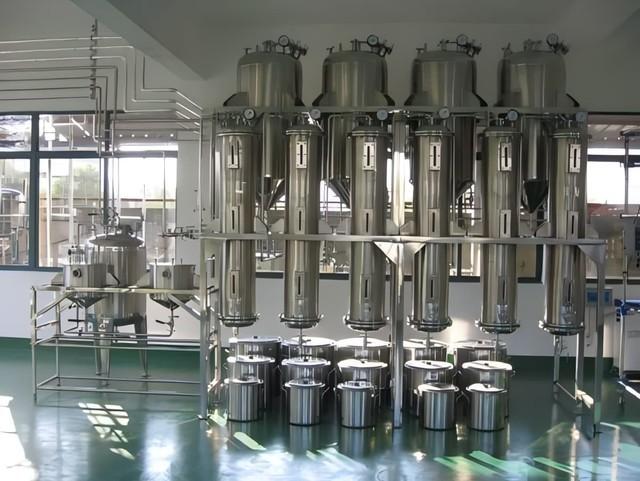
Production starts with fermentation of glucose to gluconic acid, which is then reacted with a food-grade zinc source such as zinc oxide to form Zinc Gluconate. The solution is purified, concentrated, crystallized and dried to yield the white free-flowing powder, with in-process checks on reaction completion, pH, moisture and particle size at every stage.
Finished lots are tested for identification of zinc and gluconate, elemental zinc assay, loss on drying, heavy metals, residual solvents, pesticide residues and microbial limits, and the results are compiled into the batch Certificate of Analysis. Each lot is traceable from starting glucose and zinc materials through to the finished drum, supporting complete supply-chain documentation.
Applications of Zinc Gluconate
Immune-support formulas are the leading application of zinc gluconate, and it is commonly paired with vitamin C and vitamin D3 in daily immunity blends, effervescent tablets and powder sachets. The pairing is well established in finished-product formulation, and the NIH Office of Dietary Supplements recognizes zinc's role in normal immune function while EFSA has authorized health claims for zinc covering normal function of the immune system.
Skin, hair and nails products form the second cluster, alongside antioxidant blends where zinc contributes to protection of cells from oxidative stress. EFSA has authorized health claims for zinc covering maintenance of normal skin, hair and nails, normal cognitive function, and normal vision, and the NIH Office of Dietary Supplements documents zinc's wider physiological roles in its Zinc fact sheet.
Lozenges and chewables are a third application where the mild taste and mouth-friendly character of zinc gluconate are advantages, and typical supplement servings across these formats supply 5 mg to 30 mg of elemental zinc per day. Formulators calculate label doses from the approximately 14.3% elemental content, for example roughly 70 mg of zinc gluconate provides about 10 mg of elemental zinc.
Manufacturing & Quality Control
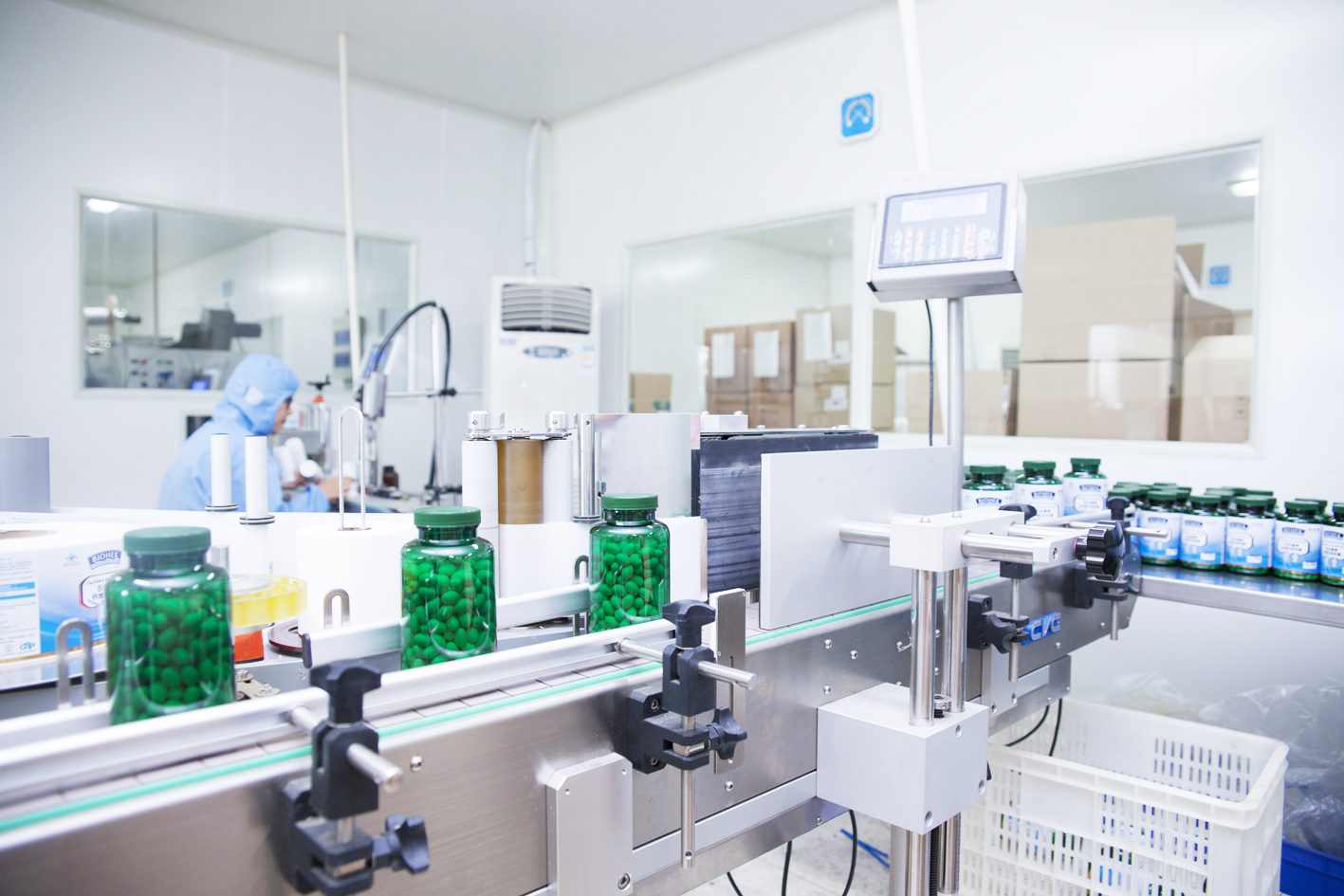
Zinc Gluconate is produced in facilities operating under ISO 9001 and FSSC 22000 certified quality and food-safety systems, with Kosher and Halal certification available for the product. The zinc assay is verified by methods aligned with current compendial practice, including complexometric titration, and gluconate identity is confirmed alongside the elemental zinc result.
Analytical methods follow the current USP-NF monograph approach for Zinc Gluconate, and release testing covers identity, assay, loss on drying, heavy metals, residual solvents, pesticide residues and microbial purity against USP and EP limits. Every batch is released only when all parameters are within specification, with the full data set provided on the batch Certificate of Analysis.
Zinc Gluconate for B2B Supplement Manufacturing
Purecium supplies Zinc Gluconate exclusively as a B2B raw material for distributors, contract manufacturers, private-label producers and finished supplement brands. The minimum order quantity is 25 kg, the product is packed in 25 kg drums with food-grade polyethylene inner bags, and samples plus full technical documentation, including batch Certificate of Analysis and complete batch traceability, are available before any commitment.
For North American customers, inventory is staged at Purecium's US warehouse, enabling pickup or delivery within approximately two days, and global delivery covers Hong Kong, mainland China, the EU and other regions with export documentation prepared for each shipment. Purecium supports formulation with elemental-zinc calculation guidance, specification and stability data, and direct technical and regulatory communication.
Reviewed by the Chief Quality Assurance / Regulatory Affairs Specialist at Purecium for technical accuracy and regulatory alignment.
How does zinc gluconate compare with zinc sulfate, zinc citrate, and zinc picolinate as a bulk ingredient for dietary supplement and functional food formulations?
Zinc gluconate (CAS 4468-02-4) is a zinc salt of gluconic acid, providing approximately 14% elemental zinc by weight. In bulk B2B formulation, it is typically supplied as a white to off-white crystalline powder with a zinc content of 12.5–14.5% (USP/EP). Zinc sulfate (CAS 7733-02-0) offers a higher elemental zinc content (approximately 22.7% for the monohydrate) but is more astringent and can cause gastric irritation; it is often used in pharmaceutical tablets and animal feed. Zinc citrate (CAS 546-46-3) provides about 31% elemental zinc and is commonly chosen for its neutral taste and compatibility with chewables and beverages. Zinc picolinate (CAS 17949-65-4) contains approximately 21% elemental zinc and is marketed for enhanced bioavailability, though clinical evidence is mixed. Each salt differs in solubility, stability, and regulatory status, influencing bulk handling and formulation choices.Comparison in table form.
The table below sets out the parameters that determine how each material is specified, dosed and documented in a finished formulation.Parameter
Zinc Gluconate
Zinc sulfate
Zinc citrate
CAS number
4468-02-4
7733-02-0
546-46-3
Chemical class
Organic zinc salt
Inorganic zinc salt
Organic zinc salt
Typical dose
10–50 mg elemental Zn
10–50 mg elemental Zn
10–50 mg elemental Zn
Solubility
Soluble in water
Very soluble in water
Slightly soluble in water
Stability
Stable under normal conditions
Stable, hygroscopic
Stable, may chelate metals
Regulatory status
USP/EP/FCC grade
USP/EP/FCC grade
USP/EP/FCC grade
Supply form
Powder, granular
Powder, crystalline
Powder, granular
Documentation
CoA, MSDS, spec sheet
CoA, MSDS, spec sheet
CoA, MSDS, spec sheet