

Evodiamine 98% (HPLC) Powder
Thermogenic Alkaloid Metabolism Support
Evodiamine
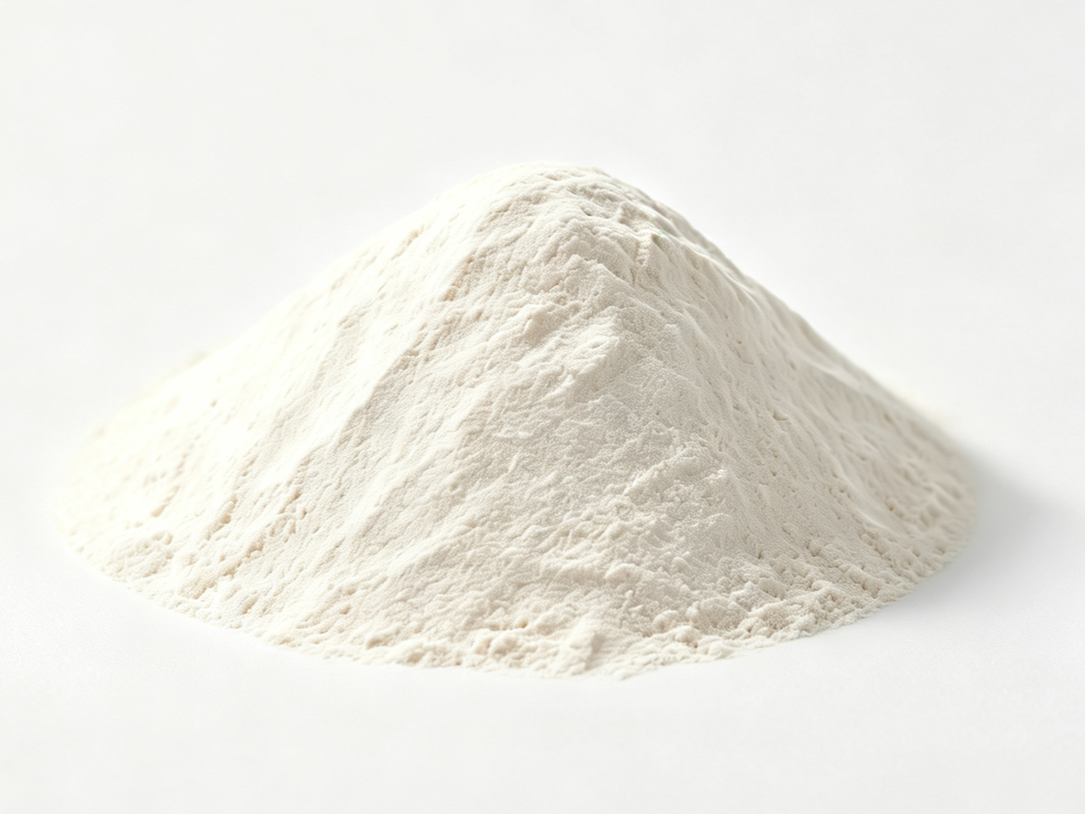
Purecium Evodiamine is the principal indolequinazoline alkaloid of Evodia rutaecarpa (Juss.) Benth. fruit, supplied as a B2B raw material for thermogenic, metabolic and weight-management supplements. It carries CAS 518-17-2, molecular formula C19H17N3O and molecular weight 303.36 g/mol, and is offered at 98% minimum assay by HPLC as a white to light-yellow crystalline powder, with standardized 10-50% Evodia fruit extracts also available. Produced by controlled botanical extraction and purification in China, it is vegan, allergen-free and non-irradiated, packed in 25 kg drums with a 25 kg minimum order and full COA documentation for B2B buyers.
Buyer snapshot: MOQ 25 kg; stock held in the United States; stock held in the Netherlands (EU); 2-day pickup for North America; quotation response within 12 business hours. Quotation on request, samples dispatched worldwide.
Product name: Evodiamine (98% HPLC)
Molecular formula: C19H17N3O
Starting material: Evodia rutaecarpa (Juss.) Benth. dried fruit
Grade: Phytochemical grade (98% HPLC); extract 10-50% available
Heavy Metals: Conforms to USP/EP limits
Pesticide residue: Conforms to USP/EP limits
Packing size: 25kg/drum
CAS#: 518-17-2
Molecular weight: 303.36 g/mol
Source: Botanical extraction (Evodia rutaecarpa fruit, China)
Specification: Evodiamine >=98% by HPLC; white to light-yellow crystalline powder
Country of origin: China
Residual solvent: Conforms to USP/EP limits
Allergen free/Gluten-free/Non-GMO/Vegan/Non-Irradiation:

Evodiamine Overview
Evodiamine is a bioactive indolequinazoline alkaloid isolated from the dried, nearly ripe fruit of Evodia rutaecarpa (Juss.) Benth., a plant of the Rutaceae family known in traditional Chinese medicine as Wu Zhu Yu and botanically classified as Euodiae Fructus. The compound carries CAS 518-17-2, molecular formula C19H17N3O and molecular weight 303.36 g/mol, and it is the most-studied alkaloid marker of the fruit together with the related alkaloid rutaecarpine.
For the dietary-supplement industry, evodiamine is used mainly in thermogenic and metabolic-support products, where it is valued for its capsaicin-like activation of thermogenic pathways. Purecium supplies Evodiamine as a B2B raw material for distributors, contract manufacturers, private-label producers and finished supplement brands, at 98% minimum assay by HPLC as standard.
Source & Ingredient Identity
Purecium Evodiamine is derived from Evodia rutaecarpa fruit grown in China, the traditional production region of the species. The dried, nearly ripe fruits are extracted with food-grade solvents and the extract is purified by column chromatography and crystallization to yield the white to light-yellow crystalline alkaloid at 98% minimum purity by HPLC, with the related alkaloid rutaecarpine controlled as an impurity.
The declared product is evodiamine, also written (+)-evodiamine or d-evodiamine, with CAS 518-17-2, formula C19H17N3O and molecular weight 303.36 g/mol. Buyers can specify either the purified 98% crystalline form for capsule and tablet dosing or standardized Evodia rutaecarpa fruit extracts containing 10%, 30% or 50% evodiamine by HPLC for botanical-extract positioning, and the assay method and level should always be confirmed on the specification sheet.
Key Characteristics of Evodiamine
1. Bioactive alkaloid with thermogenic signaling. Evodiamine is described in peer-reviewed research as an activator of TRPV1, the same receptor targeted by capsaicin from chili pepper, which links it to thermogenesis and energy-expenditure modulation. This mechanism is the scientific basis for its use in thermogenic and weight-management blends, although clinical evidence remains more limited than preclinical data and finished-product wording should stay within structure/function language.
2. Defined analytical identity and purity. Evodiamine is a single-molecule alkaloid with CAS 518-17-2, formula C19H17N3O and molecular weight 303.36 g/mol, melting in the range of about 265-278 degrees Celsius. Commercial quality is specified by HPLC assay, related-alkaloid impurities (principally rutaecarpine), loss on drying, residual solvents and heavy metals, giving formulators a precise, reproducible active for dose-controlled products.
3. Clean botanical profile with formulation constraints. The 98% crystalline form is white to light-yellow, non-GMO, allergen-free, gluten-free and vegan, with a characteristic bitter, pungent profile that makes encapsulation or coated-tablet formats the practical choice. Evodia extracts are yellow to brown powders with a strong herbal note, better suited to capsules and proprietary blends than to open beverage systems.
Evodiamine Manufacturing
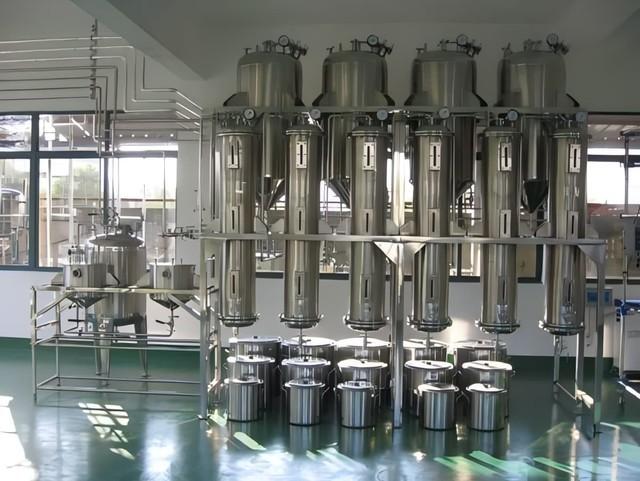
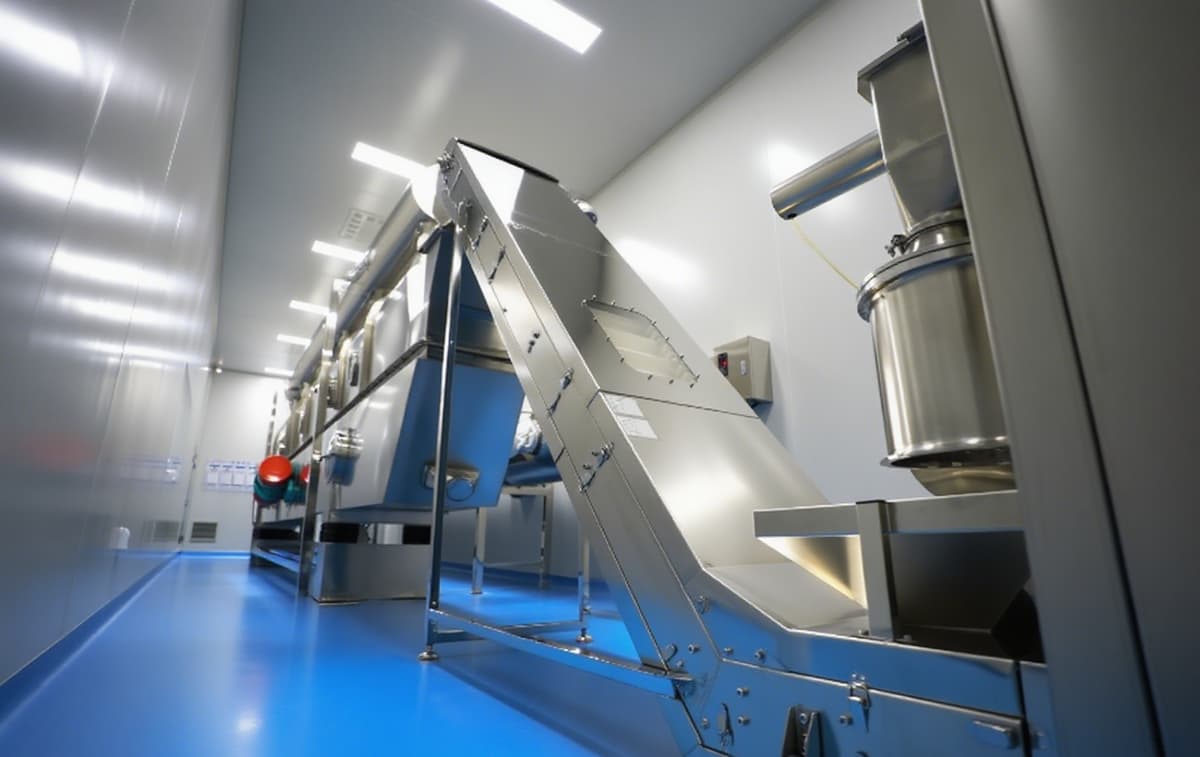
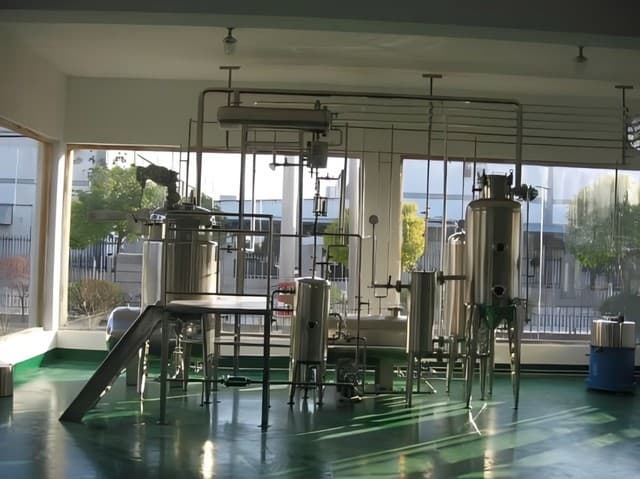
Production begins with selection and testing of Evodia rutaecarpa fruit from contracted farms, followed by extraction of the dried fruit with food-grade ethanol, concentration, and chromatographic purification of the alkaloid fraction. The purified concentrate is crystallized, washed, dried and milled under controlled conditions, with in-process checks on alkaloid content and solvent recovery throughout the batch.
Finished lots are tested by validated HPLC against a certified evodiamine reference standard for assay and related substances, with additional testing for identification by retention and spectral match, loss on drying, residual solvents, heavy metals, pesticide residue and microbiology. Analytical methods follow the general botanical-extract approaches of the USP-NF and the Chinese Pharmacopoeia monograph for Euodiae Fructus where applicable, and results are reported on the batch Certificate of Analysis.
Applications of Evodiamine
Thermogenic and weight-management formulas are the primary application. Evodiamine is frequently combined with caffeine sources such as green tea extract, with L-carnitine and with other metabolic ingredients in energy and slimming products, where its TRPV1-mediated thermogenic signaling is the intended contribution. Because it acts through a receptor also used by capsaicin, finished formulas should be labeled and dosed conservatively, and stimulant-containing combinations require careful caffeine declaration.
Metabolic-support and energy products form the second cluster. Preclinical research on evodiamine describes effects on energy metabolism, AMPK signaling and lipid handling, and the alkaloid appears in metabolic-wellness and sports-nutrition blends alongside chromium and carnitine-type ingredients. The 30% to 50% standardized Evodia extracts are used where a whole-botanical positioning is preferred, while the 98% crystalline form is chosen for precise milligram-level actives.
Formulators should note the regulatory framework for each market: in the United States, evodiamine products follow the FDA structure/function framework without disease claims, and in the European Union botanicals such as Evodia fruit extracts require novel-food or national food authorization before food-supplement use, which must be confirmed before launch. The bitter-taste profile favors capsules and coated tablets over chewable and liquid formats.
Manufacturing & Quality Control
Purecium Evodiamine is produced in facilities operating under ISO 9001 and FSSC 22000 certified quality systems, with Kosher and Halal certification available. Every lot is tested for identity, HPLC assay of at least 98%, related-alkaloid impurities, loss on drying, residual solvents, heavy metals, pesticide residue and microbiology, and the raw botanical is screened for identity and contaminants before extraction.
Each commercial lot is traceable from fruit harvest and farm origin to finished drum, and every batch is released on a Certificate of Analysis documenting assay, impurity profile and physical data. Purecium also provides the specification sheet, SDS, allergen and gluten statements, non-GMO declarations and stability data on request, and can supply third-party laboratory reports for registration files.
Evodiamine for B2B Supplement Manufacturing
Purecium supplies Evodiamine exclusively as a B2B raw material for distributors, contract manufacturers, private-label producers and finished supplement brands. The minimum order quantity is 25 kg; the 98% crystalline product is packed in 25 kg drums with food-grade polyethylene inner bags, and samples and full documentation are available before commitment.
For North American customers, inventory is staged at Purecium's US warehouse, enabling pickup or delivery within approximately two days. Global delivery covers Hong Kong, mainland China, the EU and other regions, with export documentation prepared for every shipment, and Purecium provides specification and application guidance and technical and regulatory communication to support formulation and registration in each destination market.
Supplying buyers in North America, the European Union, Latin America, Asia and the Middle East
Evodiamine 98% and the standardized Evodia rutaecarpa fruit extracts are supplied in bulk from our Hong Kong, United States and European Union facilities. Orders are quoted FOB, CIF or DDP as you prefer: air freight for urgent volumes, sea freight (full container or consolidated) for bulk quantities, with transit time, import requirements and duties confirmed in each quotation. The minimum order quantity is 25 kg in 25 kg drums with food-grade polyethylene inner bags, standard production lead time is typically 7 to 15 working days after order confirmation, and for North American customers inventory staged at our US warehouse allows pickup or delivery within approximately two days.
For registration, importers and distributors file the technical package with the authority of their market: COFEPRIS (Mexico), INVIMA (Colombia), ANMAT (Argentina), ISP (Chile) and ANVISA (Brazil) in Latin America, while in the European Union botanical extracts such as Evodia rutaecarpa fruit extract require novel-food authorization or an established history of food use before supplement marketing, and evodiamine products in the United States follow the FDA structure/function framework. Every lot ships with a batch COA, specification sheet, SDS, botanical-origin documentation and non-GMO, allergen and gluten statements, plus GMP, ISO 9001, FSSC 22000, Kosher and Halal certificates.
Reviewed by the Chief Quality Assurance / Regulatory Affairs Specialist at Purecium for technical accuracy and regulatory alignment.
How does bulk Evodiamine compare with Synephrine, Capsaicin, and Green Tea Extract in specification, dosing, handling, and regulatory status for B2B formulation?
Evodiamine (CAS 518-17-2) is a quinazolinocarboline alkaloid typically standardized to 98% purity in bulk. Synephrine (CAS 94-07-5) is a phenethylamine alkaloid, usually supplied as 98% extract from Citrus aurantium. Capsaicin (CAS 404-86-4) is a capsaicinoid amide, often standardized to 95% from Capsicum spp. Green tea extract (CAS 84650-60-2) is a polyphenol mixture, typically standardized to 50-98% EGCG. These distinct chemical classes dictate different formulation approaches. Typical doses vary: Evodiamine is used at 10-50 mg/day in finished products, Synephrine at 10-50 mg/day, Capsaicin at 2-6 mg/day, and Green tea extract at 300-1000 mg/day (as EGCG). Solubility profiles differ: Evodiamine is practically insoluble in water, soluble in DMSO and ethanol; Synephrine is freely soluble in water; Capsaicin is insoluble in water but soluble in ethanol and oils; Green tea extract is water-soluble. Stability: Evodiamine is stable under normal conditions but light-sensitive; Synephrine is stable; Capsaicin is stable but can be irritating; Green tea extract is hygroscopic and prone to oxidation. Regulatory status: Evodiamine is not approved as a food ingredient in the EU or US; it is often sold as a research chemical or supplement in some markets. Synephrine is permitted in some countries but restricted in others (e.g., banned in Canada). Capsaicin is generally recognized as safe (GRAS) for certain uses but high doses can cause gastric irritation. Green tea extract is widely permitted with EGCG intake limits in some regions. Supply forms: Evodiamine as powder; Synephrine as powder or granule; Capsaicin as crystalline powder or oil dispersion; Green tea extract as powder or granule. Documentation: Evodiamine requires CoA, MSDS, and sometimes allergen statement; Synephrine requires CoA, MSDS; Capsaicin requires CoA, MSDS, and handling precautions; Green tea extract requires CoA, MSDS, and possibly pesticide residue analysis.Comparison in table form.
The table below sets out the parameters that determine how each material is specified, dosed and documented in a finished formulation.Parameter
Evodiamine
Synephrine
Capsaicin
CAS number
518-17-2
94-07-5
404-86-4
Chemical class
Quinazolinocarboline alkaloid
Phenethylamine alkaloid
Capsaicinoid amide
Typical dose
10-50 mg/day
10-50 mg/day
2-6 mg/day
Solubility
Insoluble in water; soluble in DMSO
Freely soluble in water
Insoluble in water; soluble in ethanol
Stability
Light-sensitive; stable if protected
Stable under normal conditions
Stable; may cause irritation
Regulatory status
Not approved as food in EU/US
Restricted in some countries
GRAS for certain uses
Supply form
Powder (98% typical)
Powder or granule
Crystalline powder or oil dispersion
Documentation
CoA, MSDS, allergen statement
CoA, MSDS
CoA, MSDS, handling precautions