thumbnail image
PURECIUM — Premium B2B Supplement Ingredients Supplier

PURECIUM

  • HOME
  • PURECIUM
  • INGREDIENTS
  • NEWS
  • CUSTOMIZED
  • QUALITY CONTROL
  • CONTACT
  • …  
    • HOME
    • PURECIUM
    • INGREDIENTS
    • NEWS
    • CUSTOMIZED
    • QUALITY CONTROL
    • CONTACT
PURECIUM — Premium B2B Supplement Ingredients Supplier

PURECIUM

  • HOME
  • PURECIUM
  • INGREDIENTS
  • NEWS
  • CUSTOMIZED
  • QUALITY CONTROL
  • CONTACT
  • …  
    • HOME
    • PURECIUM
    • INGREDIENTS
    • NEWS
    • CUSTOMIZED
    • QUALITY CONTROL
    • CONTACT
PURECIUM — Premium B2B Supplement Ingredients Supplier
  • L-Ergothioneine for Next-Generation Antioxidant Formulas

    Consistent Quality for Global Supplement Manufacturing

    Embodies the essence of pure, high-quality dietary supplement ingredients

  • L-Ergothioneine

    Cellular Protection Through Nutrition
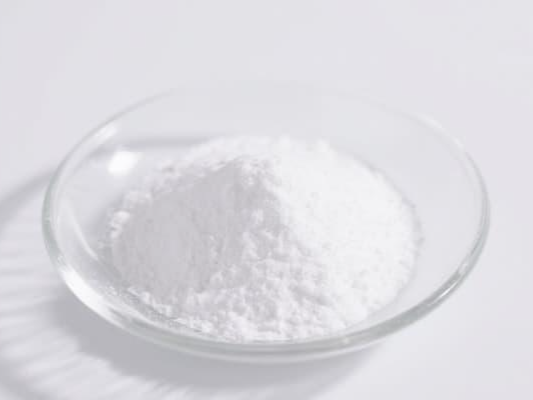
    L-Ergothioneine powder, fssc22000 certificated

    L-Ergothioneine

    Purecium L-Ergothioneine is a specialized dietary supplement ingredient designed for advanced antioxidant and cellular-wellness formulations. Also known as Erythrothioneine, L-Ergothioneine has attracted scientific interest for its sulfur-containing structure, antioxidant properties and unique interaction with the OCTN1 ergothioneine transporter. Purecium supplies L-Ergothioneine for distributors, contract manufacturers, private-label manufacturers and finished supplement brands seeking differentiated nutraceutical ingredients. It can be considered for healthy-aging, antioxidant, cognitive-wellness, cellular-protection and beauty-from-within formulas. With professional B2B support, quality documentation and supply-chain coordination, Purecium helps supplement manufacturers move L-Ergothioneine from ingredient selection to commercial formulation.

    Product name: L-Ergothioneine

    Molecular formula: C9H15N3O2S

    Starting material: Corn

    Grade: Food grade

    Heavy Metals: USP

    Pesticide residue: USP/EP

    Packing size: 25kg/drum

    CAS#: 497-30-3

    Molecular weight:229.3 g/mol

    Source: Fermentation

    Specification: 99% HPLC

    Country of origin: China

    Residual solvent: USP/EP

    Allergen free/Gluten-free/Non-GMO/Vegan/Non-Irradiation

    L-Ergothioneine ISO, Kosher, halal, food safety certification

    L-Ergothioneine Overview

    L-Ergothioneine, also known as Erythrothioneine, L-(+)-Ergothioneine, Ergothionine, or Thiolhistidine-betaine, is a naturally occurring sulfur-containing amino-acid derivative. It is found naturally in foods including mushrooms and certain other food sources, while humans obtain ergothioneine primarily through dietary intake rather than endogenous synthesis.

    For the dietary supplement industry, L-Ergothioneine is positioned as a specialized antioxidant and cellular-protection ingredient for formulations targeting healthy aging, antioxidant support, cognitive wellness, cellular resilience, beauty-from-within concepts and general wellness.

    Unlike many conventional antioxidant ingredients, ergothioneine has a dedicated cellular transport system. It is absorbed and distributed through the organic cation transporter novel type 1 (OCTN1), also known as the ergothioneine transporter (ETT). This transporter contributes to selective uptake and tissue retention of ergothioneine.

    This distinctive biological handling makes L-Ergothioneine particularly interesting for supplement manufacturers developing next-generation antioxidant and cellular wellness products.

    Purecium supplies L-Ergothioneine as a B2B dietary supplement raw material for distributors, contract manufacturers, private-label manufacturers and finished-product brands.

    Common Synonyms

    L-Ergothioneine

    • Ergothioneine
    • Erythrothioneine
    • L-(+)-Ergothioneine
    • Ergothionine
    • Thiolhistidine-betaine
    • 2-Mercaptohistidine betaine
    • EGT

    Source & Ingredient Identity

    Ergothioneine occurs naturally in several foods, particularly mushrooms, and can also be produced through controlled manufacturing processes. Scientific literature describes microorganisms including fungi and actinomycetes as biological producers of ergothioneine.

    For B2B buyers, the most important distinction is not simply whether a supplier uses the word “natural,” but how the material is manufactured, what purity is achieved, how identity is confirmed, and whether each production lot can be supported by appropriate quality documentation.

    Key Characteristics of L-Ergothioneine

    1. A specialized sulfur-containing antioxidant

    L-Ergothioneine contains a sulfur-containing imidazole/thione structure that contributes to its redox chemistry. Its antioxidant properties have been extensively investigated in biochemical and cellular research. However, antioxidant activity demonstrated in vitro should not automatically be interpreted as a proven clinical benefit in humans.

    2. Dedicated cellular transporter

    One of the most distinctive features of ergothioneine is its interaction with OCTN1/ETT, a transporter associated with selective uptake and tissue distribution. This is an important differentiating point when comparing ergothioneine with generic antioxidant ingredients.

    3. Suitable for premium wellness concepts

    Because of its scientific interest around oxidative stress, cellular protection and tissue distribution, L-Ergothioneine can be considered for:

    Healthy aging formulations

    • Antioxidant supplements
    • Cellular wellness products
    • Cognitive wellness concepts
    • Beauty-from-within formulations
    • Sports recovery and active lifestyle formulas
    • Premium multinutrient formulations
    • Combination antioxidant products

    L-Ergothioneine Manufacturing

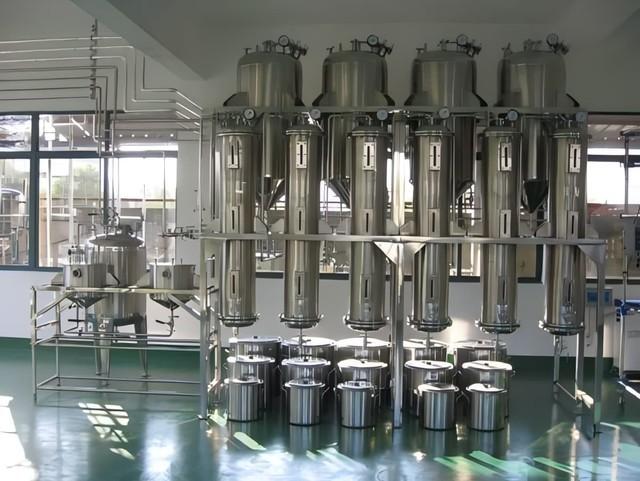
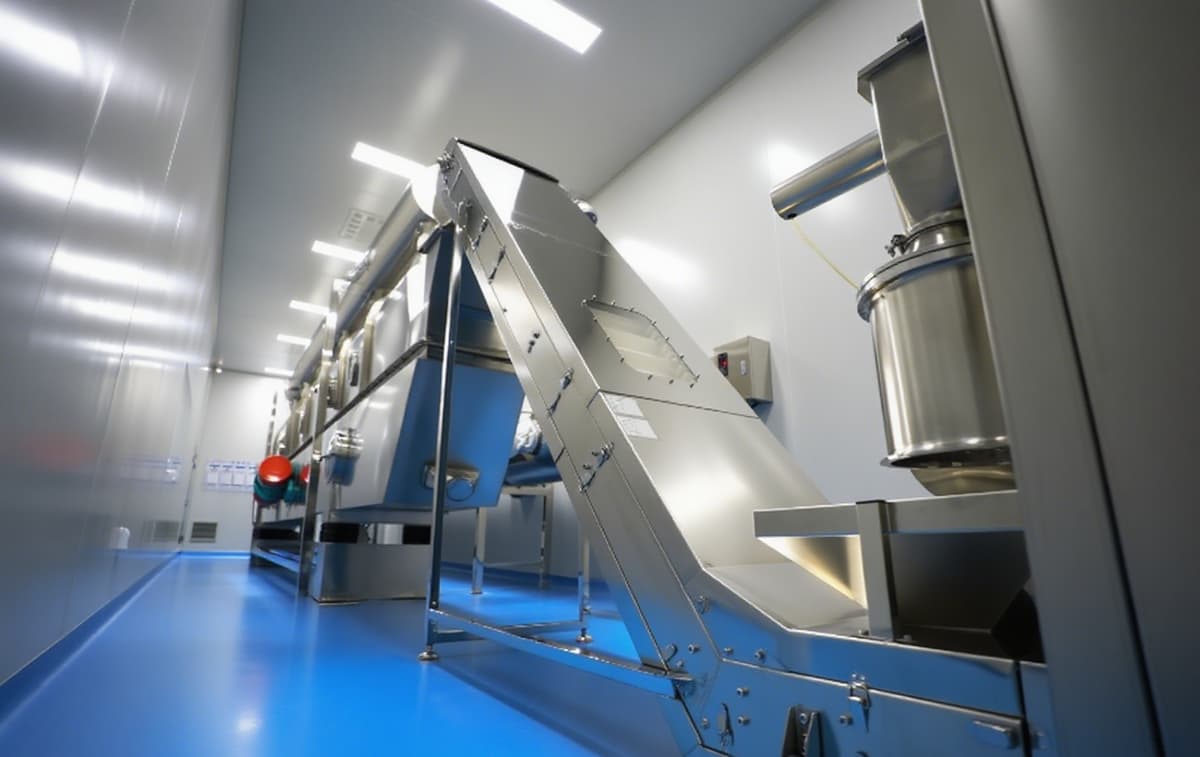
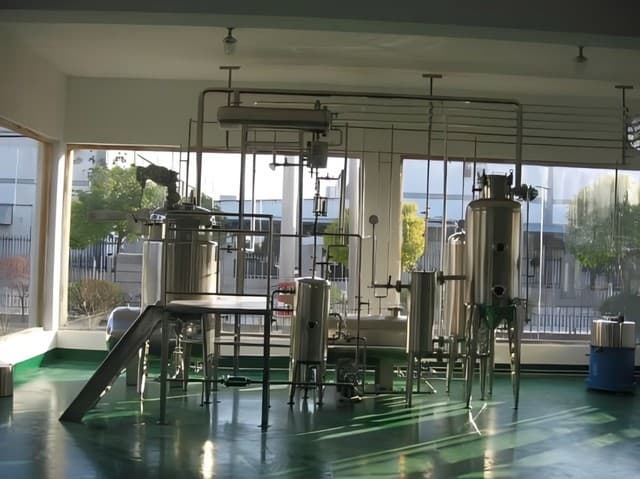
    For commercial dietary supplement applications, manufacturing control is particularly important because L-Ergothioneine is a relatively specialized ingredient rather than a high-volume commodity amino acid.

    A controlled manufacturing process generally requires attention to:

    Raw material control → controlled fermentation production → purification → concentration → crystallization/drying → milling → packaging → finished-product testing

    The manufacturing route should be clearly stated by the supplier because synthetic L-Ergothioneine and fermentation/biotechnological L-Ergothioneine are not interchangeable descriptions.

    The production method should be supported by appropriate documentation, including:

    Raw material specifications

    • Manufacturing process controls
    • Identification testing
    • Assay/purity testing
    • Residual solvent testing where applicable
    • Heavy-metal testing
    • Microbiological testing
    • Stability data where applicable
    • Batch-specific Certificate of Analysis
    • SDS and technical documentation

    For B2B customers, Purecium can position its L-Ergothioneine supply around consistent quality, batch traceability, technical documentation and formulation support, rather than competing only on commodity price.

    Applications of L-Ergothioneine

    Antioxidant & Cellular Protection

    The strongest scientific positioning for L-Ergothioneine is around its biochemical antioxidant and cellular-protection properties.

    Ergothioneine can participate in redox reactions and has been investigated for its ability to interact with reactive species. Its biological significance is further distinguished by OCTN1-mediated uptake, which allows cells and tissues to selectively handle ergothioneine.

    Mechanism: OCTN1 Transport

    After dietary intake, ergothioneine can be absorbed through the intestinal tract. The OCTN1/ETT transporter plays a central role in its uptake and distribution. The same transporter system contributes to selective tissue accumulation and renal reuptake.

    This mechanism is particularly useful for B2B formulation discussions because it gives L-Ergothioneine a scientifically distinctive positioning beyond the generic description of “an antioxidant.”

    Human Clinical Research

    Human studies have investigated ergothioneine in areas related to oxidative stress, inflammation, cognition, metabolic health and healthy aging. However, the current evidence does not justify presenting L-Ergothioneine as a treatment or prevention ingredient for specific diseases.

    Manufacturing & Quality Control

    For B2B customers, quality consistency is often more important than simply achieving a high assay number.

    Purecium's L-Ergothioneine supply should emphasize:

    Identity

    Identity testing confirms that the supplied ingredient corresponds to L-Ergothioneine rather than another sulfur-containing compound or related impurity.

    Assay

    HPLC or an appropriate validated analytical method can be used to verify the concentration/purity of the finished ingredient.

    Contaminant Control

    Depending on the applicable specification and market requirements, quality control can include:

    Heavy metals

    • Residual solvents
    • Microbiological limits
    • Moisture
    • Related substances
    • Other process-related impurities
    • Batch-to-Batch Consistency

    Each commercial lot should be traceable to its production batch and supported by a corresponding COA.

    This is particularly important for distributors and contract manufacturers that need predictable raw-material performance across multiple finished-product batches.

    L-Ergothioneine for B2B Supplement Manufacturing

    Purecium's L-Ergothioneine is intended for B2B dietary supplement applications, rather than direct consumer retail.

    Suitable Customers

    Distributors

    For ingredient distributors looking to add a differentiated antioxidant ingredient to their nutraceutical portfolio.

    Contract Manufacturers

    For manufacturers developing capsules, tablets, powders, sachets, gummies and other oral supplement formats.

    Private-Label Manufacturers

    For companies creating premium antioxidant, healthy-aging or cellular wellness formulas.

    Finished Supplement Brands

    For brands looking to develop differentiated products around antioxidant and cellular wellness positioning.

    B2B Supply Support

    A professional L-Ergothioneine supplier should be able to provide:

    Product specification

    • COA
    • SDS
    • Technical documentation
    • Regulatory support documents
    • Sample availability
    • Bulk packaging
    • Batch traceability
    • Export documentation
    • Formulation communication

    This is where Purecium can differentiate itself from suppliers that simply publish a basic L-Ergothioneine product listing.
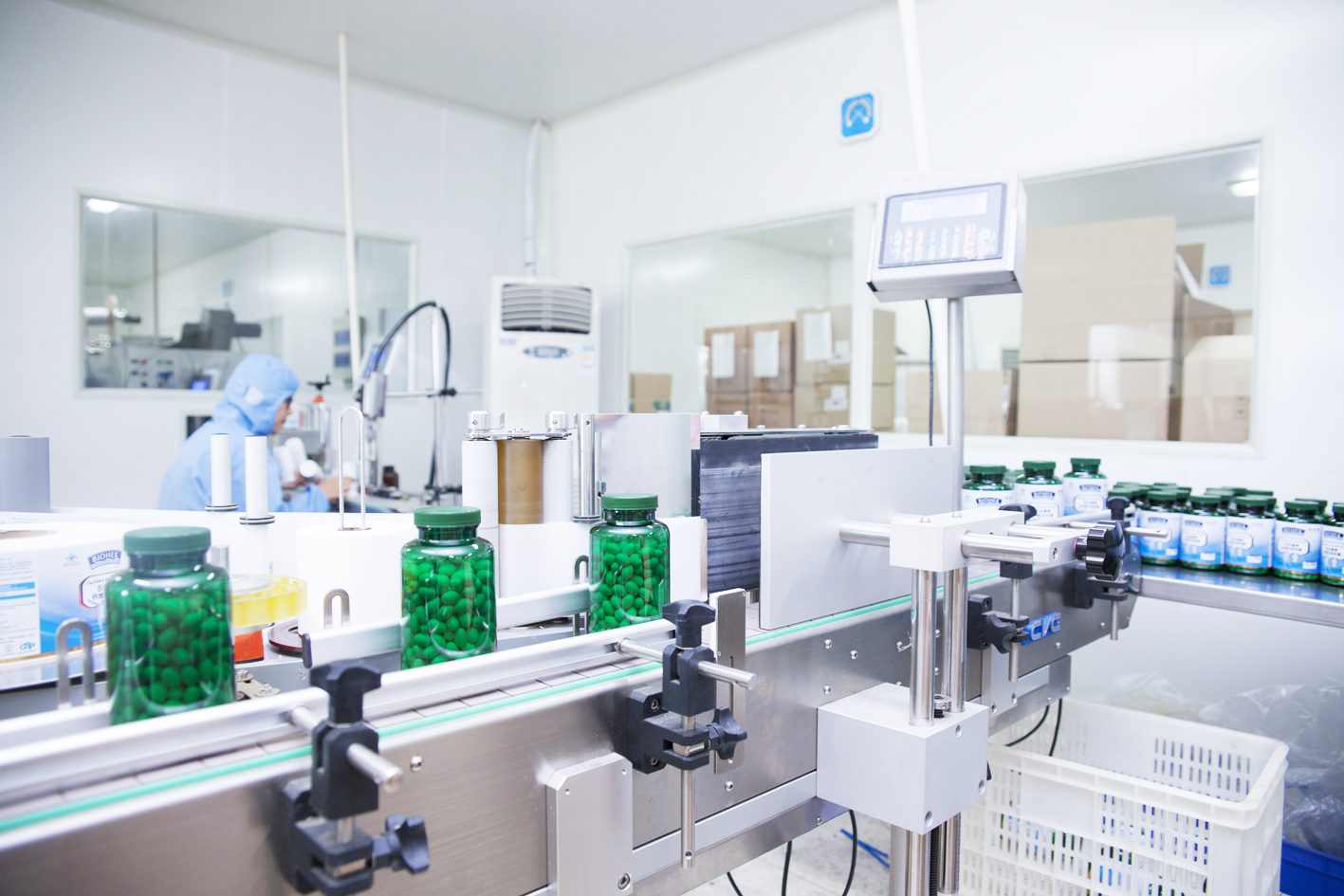
  • L-Ergothioneine workshop
    L-Ergothioneine packing room
    L-Ergothioneine testing
    L-Ergothioneine production
    L-Ergothioneine factory
    L-Ergothioneine workshop
    L-Ergothioneine workshop
    L-Ergothioneine production
    L-Ergothioneine packing room
    L-Ergothioneine testing
    L-Ergothioneine factory
    L-Ergothioneine workshop
  • L-Ergothioneine Frequently Asked Questions (FAQ) for B2B Buyers

    Q1. What is L-Ergothioneine used for in dietary supplements?

    L-Ergothioneine is primarily used as a specialized antioxidant and cellular-wellness ingredient in dietary supplement formulations. Its scientific interest comes from its sulfur-containing structure, redox activity and interaction with the OCTN1/ergothioneine transporter. B2B manufacturers may incorporate L-Ergothioneine into healthy-aging, antioxidant, cognitive-wellness, cellular-protection, beauty-from-within and active-lifestyle formulations.

    For supplement brands, L-Ergothioneine is particularly useful when the product concept requires a more differentiated antioxidant ingredient rather than a conventional vitamin antioxidant. Purecium supplies L-Ergothioneine as a bulk dietary supplement raw material for distributors, contract manufacturers and finished-product brands.

    Q2. Why is L-Ergothioneine different from conventional antioxidant ingredients?

    A major differentiating feature is its specific cellular transport system. Ergothioneine is taken up through OCTN1, also called the ergothioneine transporter, which is associated with selective absorption, tissue uptake and renal reuptake.

    This means L-Ergothioneine has a biological handling mechanism that is different from simply consuming a general-purpose antioxidant compound. For formulation developers, this makes it particularly interesting for advanced cellular wellness and healthy-aging products.

    Q3. Is L-Ergothioneine the same ingredient as Erythrothioneine?

    Yes. Erythrothioneine is a recognized synonym of L-Ergothioneine in chemical databases. Other names include L-(+)-Ergothioneine, Ergothionine and Thiolhistidine-betaine. The commonly referenced CAS number is 497-30-3.

    For B2B purchasing, customers should still verify the product name, CAS number, assay specification and analytical identification on the supplier's technical documents before approving a raw material.

    Q4. Is L-Ergothioneine naturally occurring?

    Yes. Ergothioneine is naturally present in several foods, with mushrooms being one of the better-known dietary sources. Certain microorganisms can also biosynthesize ergothioneine. Humans generally obtain ergothioneine through dietary intake rather than producing meaningful amounts themselves.

    For B2B buyers, however, “naturally occurring” should not automatically be interpreted as “naturally extracted.” The commercial source and manufacturing process should be confirmed with the supplier.

    Q5. How does L-Ergothioneine work at the cellular level?

    One of the most important mechanisms is its interaction with the OCTN1/ergothioneine transporter. Following intestinal absorption, OCTN1 facilitates selective uptake and distribution of ergothioneine, and the transporter also contributes to tissue retention and renal reuptake.

    At the biochemical level, the sulfur-containing structure allows ergothioneine to participate in redox reactions and react with certain reactive species. Research therefore focuses on its potential role in cellular antioxidant defense and protection against oxidative challenges.

    Q6. What types of supplement products can use L-Ergothioneine?

    L-Ergothioneine can be considered for a broad range of oral supplement formats, including capsules, tablets, powders, sachets and appropriately formulated functional foods or beverages.

    From a marketing perspective, it is particularly compatible with:

    Healthy-aging formulas

    Antioxidant complexes

    Cognitive wellness products

    Cellular wellness formulas

    Beauty-from-within products

    Premium multinutrient supplements

    Active-lifestyle formulas

    The final dosage, formulation compatibility and permitted claims should always be determined according to the target market and applicable regulations.

    Q7. Can L-Ergothioneine be combined with other antioxidants?

    Yes. L-Ergothioneine can be considered as part of multi-ingredient antioxidant formulations. Depending on the formulation objective, it may be combined with ingredients such as vitamin C, vitamin E, selenium, coenzyme Q10 or selected botanical antioxidants.

    The formulation rationale should not simply be “more antioxidants.” A stronger product concept explains the complementary roles of each ingredient and avoids making unsupported claims about disease prevention or treatment.

    Q8. What should supplement manufacturers check when sourcing L-Ergothioneine?

    B2B buyers should evaluate more than assay percentage. Important purchasing criteria include ingredient identity, assay method, batch-to-batch consistency, manufacturing route, impurity profile, heavy metals, microbiological quality, moisture, packaging, shelf-life data and traceability.

    Manufacturers should also request a current specification sheet and lot-specific COA before approving the raw material. For export-oriented products, regulatory documentation for the destination market is equally important.

    Purecium can position its L-Ergothioneine supply around technical documentation, quality consistency and B2B supply support, rather than only price.

    Q9. What is the manufacturing process for L-Ergothioneine?

    Commercial L-Ergothioneine can be produced through controlled chemical or biotechnological manufacturing routes, depending on the supplier and product specification. The manufacturing route is important because terms such as “natural,” “fermentation,” “biosynthetic” and “synthetic” should not be treated as interchangeable.

    A professional B2B supplier should be able to explain the production route at an appropriate technical level and provide supporting quality documentation. Process controls generally include purification, concentration, crystallization or drying, final processing and analytical release testing.

    Q10. Is L-Ergothioneine stable enough for supplement formulations?

    Ergothioneine has attracted attention partly because of its relatively distinctive chemical stability compared with many reactive thiol compounds. Nevertheless, formulation stability depends on the complete product system rather than the raw ingredient alone.

    Manufacturers should evaluate pH, moisture, temperature, oxygen exposure, light, processing conditions and interactions with other ingredients. For finished products, stability testing should be conducted using the actual formulation and packaging system rather than relying only on raw-material stability data.

    Q11. What scientific evidence supports L-Ergothioneine for supplement development?

    The scientific literature includes biochemical, cellular, animal and human research investigating ergothioneine's antioxidant properties, transport, tissue distribution and potential roles in different aspects of health.

    Human research should be interpreted carefully. Current evidence supports scientific interest in ergothioneine but does not justify positioning the ingredient as a treatment for diseases. A responsible B2B product page should therefore distinguish between mechanistic evidence, preclinical research and human clinical evidence rather than presenting all three as equivalent.

    Q12. What does the OCTN1 transporter mean for L-Ergothioneine formulations?

    OCTN1 is particularly relevant because it is associated with the uptake and tissue distribution of ergothioneine. EFSA's safety assessment describes intestinal absorption through OCTN1/ETT and selective uptake into tissues.

    For formulation developers, this provides a scientifically meaningful differentiation: L-Ergothioneine is not simply another generic antioxidant molecule; its biological distribution involves a specific transporter system.

    Q13. Is L-Ergothioneine suitable for premium healthy-aging supplements?

    Yes, it is a strong candidate for premium healthy-aging and cellular-wellness concepts because its scientific positioning extends beyond basic nutritional antioxidant supplementation. Research has focused on oxidative stress, cellular protection and the physiological handling of ergothioneine through OCTN1.

    However, product claims should remain within the regulatory framework of the target market. “Supports antioxidant defense” or “cellular wellness” may be more appropriate positioning concepts than disease-related claims, depending on local regulations.

    Q14. What regulatory information is available for L-Ergothioneine?

    L-Ergothioneine has been evaluated as a novel food ingredient in Europe. EFSA concluded that the assessed synthetic L-ergothioneine was safe under the intended conditions and proposed use levels in its scientific assessment.

    The European Commission subsequently authorized L-ergothioneine as a novel food ingredient for specified food supplement uses under the applicable conditions.

    B2B customers should nevertheless evaluate regulatory status separately for each destination market because permitted uses, labeling requirements and maximum levels can differ between jurisdictions.

    Q15. Why choose Purecium as an L-Ergothioneine supplier?

    Purecium supplies L-Ergothioneine for B2B dietary supplement applications, serving ingredient distributors, contract manufacturers, private-label manufacturers and finished supplement brands.

    For customers developing commercial products, the value of a supplier extends beyond the powder itself. Reliable specifications, analytical documentation, batch traceability, communication, export support and supply-chain coordination are all important when an ingredient moves from laboratory development into commercial production.

    Purecium can support customers looking for a long-term L-Ergothioneine raw material supplier rather than a one-time spot purchase.

  • L-Theanine

    Alpha GPC

    Calcium HMB

  • INQUIRY FORM

    Let's Discuss Your Needs

PURECIUM LIMITED

TERMS&CONDITIONS

Address: Room 509, The cloud 111 Tung chua ST, Tai kok TSUI, HONG KONG.

Global network:

Hong Kong|Mainland China

EU: Netherlands

US: California| New York

  • Vitamins
  • Amino acids
  • Mineral
  • Herbal extract
  • Specialty
  • New products
    PURECIUM LIMITED|B2B Vitamin & Nutraceutical Ingredients Supplier
    PURECIUM LIMITED is a global B2B supplier of premium dietary supplement ingredients. Specializing in vitamins, amino acids, herbal extracts, minerals, and finished dosage forms including softgels, hard capsules, tablets, powders, gummies, and liposomal formulations. 15+ years of industry expertise with GMP-certified manufacturing and global logistics from Hong Kong, United States, and European Union. PURE BY NATURE.
    https://user-assets.sxlcdn.com/images/1262580/Fg9zpJda-HpiMiPTHVWisIsEkk-9.png?imageMogr2/strip/auto-orient/thumbnail/1200x630>/quality/90!/format/png
    Cookie Use
    We use cookies to ensure a smooth browsing experience. By continuing we assume you accept the use of cookies.
    Learn More