

N-Acetyl L-Cysteine (NAC) Antioxidant Amino Acid
Antioxidant and Glutathione Support
NAC
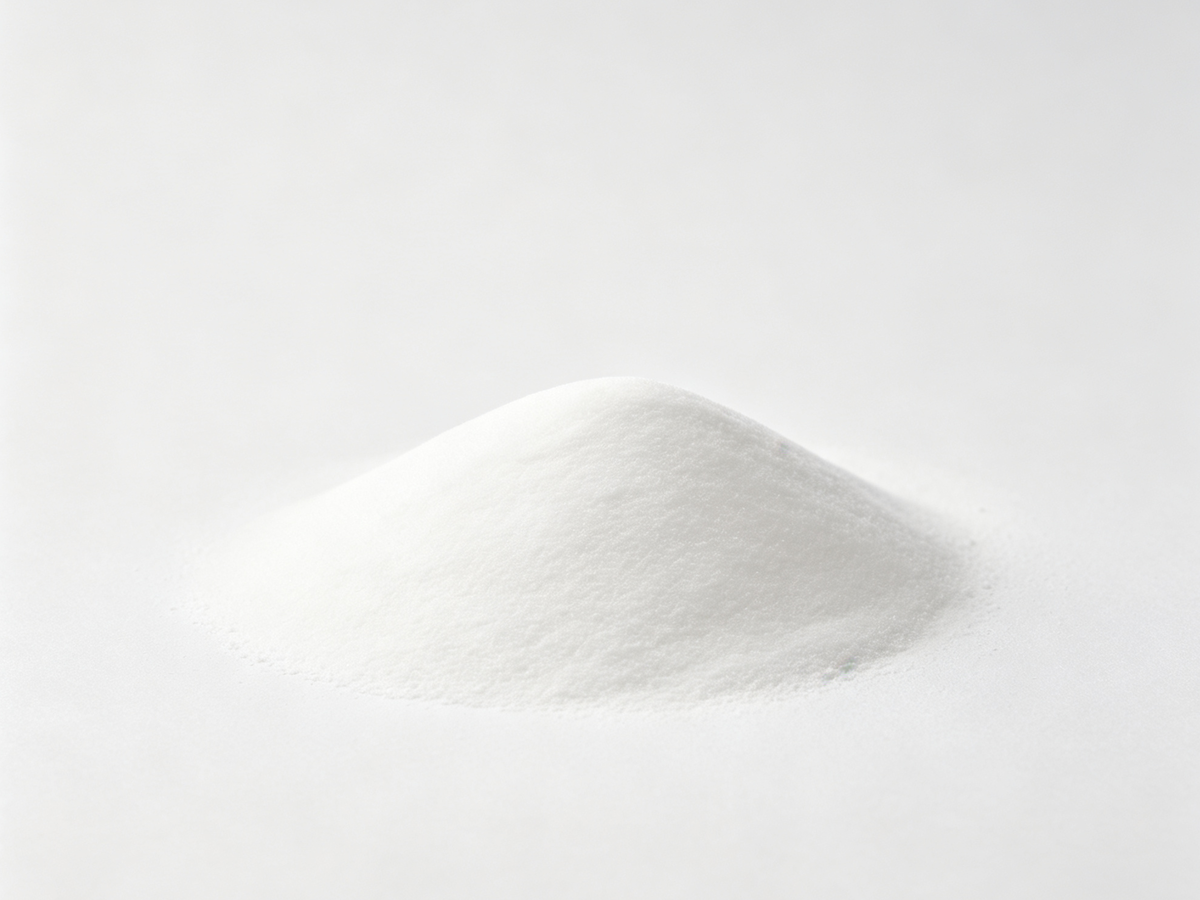
Purecium NAC (N-Acetyl L-Cysteine) is a white crystalline powder for antioxidant support, liver health, respiratory wellness and detoxification formulations. NAC is the acetylated form of the amino acid L-cysteine, identified by CAS number 616-91-1 with molecular formula C5H9NO3S and molecular weight 163.19 g/mol, and it serves as a direct precursor for glutathione, the body's principal endogenous antioxidant. Our NAC is manufactured by fermentation and purified to a 99.0% minimum assay conforming to USP-NF, covered by a monograph in the European Pharmacopoeia where applicable. Allergen-free, gluten-free, non-GMO and vegan, it is packed in 25 kg drums with a 25 kg minimum order and full regulatory documentation for B2B buyers worldwide.
Product name: NAC (N-Acetyl L-Cysteine)
Molecular formula: C5H9NO3S
Starting material: Corn
Grade: USP
Heavy Metals: Conforms to USP
Pesticide residue: Conforms to USP
Packing size: 25kg/drum
CAS#: 616-91-1
Molecular weight: 163.19 g/mol
Source: Fermentation (N-acetylated L-cysteine)
Specification: 99.0% min assay (USP), white crystalline powder
Country of origin: China
Residual solvent: Conforms to USP
Allergen free/Gluten-free/Non-GMO/Vegan/Non-Irradiation:

NAC Overview
NAC (N-Acetyl L-Cysteine) is the acetylated derivative of the amino acid L-cysteine, identified by CAS number 616-91-1, molecular formula C5H9NO3S and molecular weight 163.19 g/mol. It is widely recognized as a direct precursor of glutathione, the body's principal endogenous antioxidant, which underpins its use in antioxidant, liver-health, respiratory and detoxification supplement formulas.
For the dietary supplement industry, NAC is used in antioxidant support, immune health, liver and kidney support, respiratory wellness and sports recovery products. Purecium supplies NAC as a white crystalline powder standardized to 99.0% minimum assay, produced by chemical synthesis and sold exclusively as a B2B raw material for distributors, contract manufacturers, private-label producers and finished supplement brands.
Source & Ingredient Identity
Purecium NAC is manufactured by fementation from corn, followed by N-acetylation and purification by crystallization, yielding the stable acetylated form that resists oxidation better than free cysteine. The N-acetyl group improves stability and bioavailability compared with unmodified L-cysteine, which is why NAC is the preferred cysteine form in oral supplement applications.
The product is standardized to 99.0% minimum assay and conforms to USP-NF, with the European Pharmacopoeia covering N-acetylcysteine as a pharmaceutical-grade reference where applicable, produced in China and non-irradiated, with no allergens, no gluten and no GMO material. For B2B buyers, the critical purchasing checks are the assay on the Certificate of Analysis, identification by infrared spectroscopy, and the related-substance profile, which controls oxidation by-products.
Key Characteristics of NAC
1. Glutathione precursor. NAC supplies the cysteine moiety needed for glutathione synthesis, and published clinical studies indicate that NAC supplementation supports glutathione levels, the body's principal endogenous antioxidant that protects cells from oxidative stress; this role is documented in the biomedical literature and recognized by bodies such as the NIH Office of Dietary Supplements.
2. Stable acetylated cysteine. The N-acetyl group makes NAC more stable and better absorbed than free L-cysteine, which oxidizes readily. This stability gives formulators a reliable raw material with consistent assay, controlled impurities and predictable behavior in capsules and tablets.
3. Well-characterized and regulated. NAC has a long history of pharmaceutical use, is covered by USP-NF and European Pharmacopoeia monographs, and is recognized in official drug compendia worldwide, giving supplement manufacturers a strong regulatory and quality reference base for raw-material qualification.
NAC Manufacturing
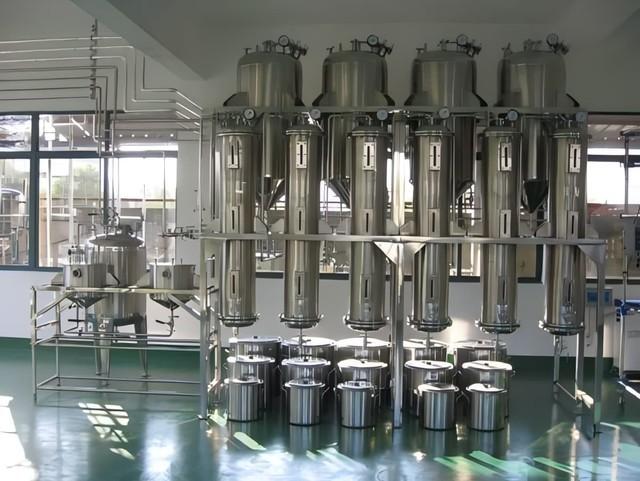
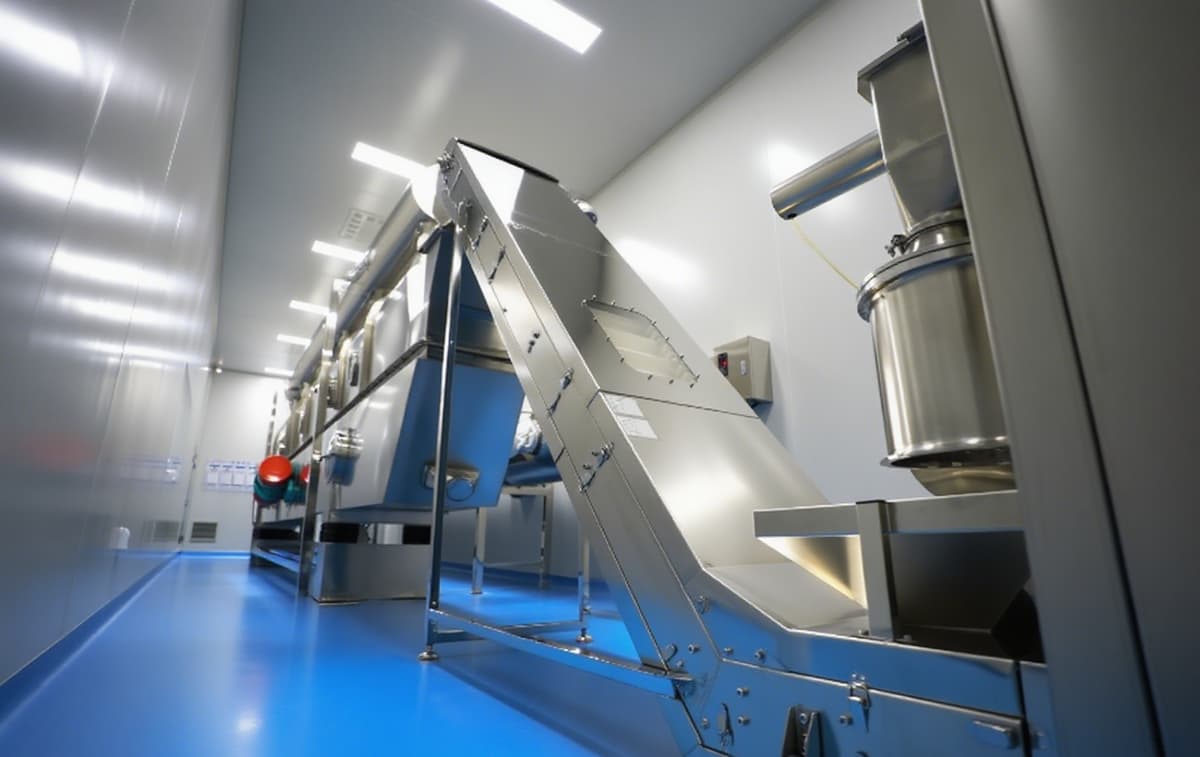
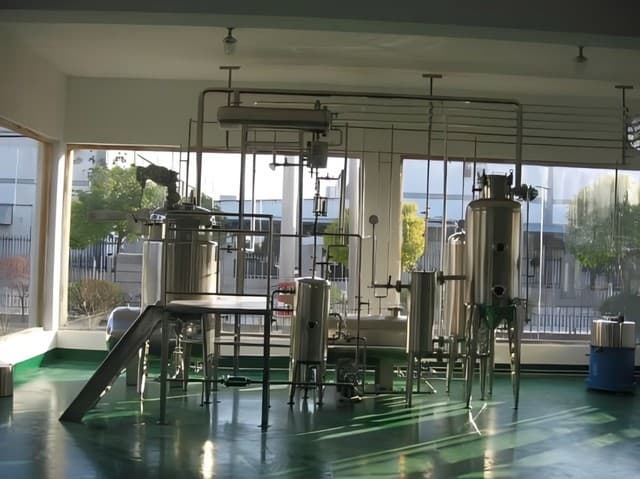
The manufacturing process follows a fermentation route: L-cysteine is N-acetylated under controlled conditions, and the resulting N-acetyl L-cysteine is purified by crystallization, washed and dried to a white crystalline powder. Every production stage is process-controlled, and each finished lot is verified before release.
Each batch is tested by the methods of the current USP-NF monograph for N-acetyl-L-cysteine, including identification by infrared spectroscopy, assay (99.0% minimum), related substances and impurities by HPLC, loss on drying, heavy metals, residual solvents and microbial limits, all reported on the batch Certificate of Analysis. Each lot is traceable from starting material to finished drum.
Applications of NAC
Antioxidant support is the primary application of NAC. Mechanistically, NAC provides the cysteine substrate for glutathione synthesis, supporting the body's defense against oxidative stress; published clinical studies suggest that NAC supplementation supports glutathione status and antioxidant capacity. Typical supplement servings range from 600 mg to 1,800 mg per day, often divided into two doses.
Liver health, respiratory wellness and detoxification form the second cluster. NAC is used in liver-support and detoxification formulas for its role in glutathione-dependent phase II conjugation pathways, and in respiratory wellness products where its mucolytic properties are documented in the pharmaceutical literature. The NIH Office of Dietary Supplements and regulatory agencies recognize the glutathione-related mechanism of NAC, and finished-product claims should always follow the regulations of the destination market.
NAC is compatible with capsules, tablets, sachets and powder blends. The white crystalline powder has a characteristic sulfurous note that formulators typically manage with encapsulation or flavor masking in powder formats. It is commonly paired with glycine, vitamin C, selenium or milk thistle in antioxidant and liver-support formulas, and with taurine or alpha-lipoic acid in detoxification blends.
Manufacturing & Quality Control
Purecium NAC is produced in facilities operating under ISO 9001 and FSSC 22000 certified quality systems, with Kosher and Halal certification available. Analytical methods follow the current USP-NF monograph for N-acetyl-L-cysteine, and each batch is released with a verified assay of 99.0% minimum.
Each commercial lot is fully traceable from starting material to finished drum. Alongside the CoA, Purecium provides the specification sheet, SDS, allergen and gluten statements, non-GMO declarations and stability data on request, giving buyers the documentation needed for raw-material approval and finished-product registration.
NAC for B2B Supplement Manufacturing
Purecium supplies NAC exclusively as a B2B raw material for distributors, contract manufacturers, private-label producers and finished supplement brands. The minimum order quantity is 25 kg; the powder is packed in 25 kg drums with food-grade aluminum-foil inner bags, and samples and full documentation are available before commitment.
For North American customers, inventory is staged at Purecium's US warehouse, enabling pickup or delivery within approximately two days. Global delivery covers Hong Kong, mainland China, the EU and other regions, with export documentation prepared for every shipment. Purecium also provides technical and regulatory communication to move NAC from ingredient selection to commercial formulation.
Reviewed by the Chief Quality Assurance / Regulatory Affairs Specialist at Purecium for technical accuracy and regulatory alignment.
How does bulk N-acetyl-L-cysteine (NAC) compare with L-cysteine, glutathione, and SAMe as a formulation ingredient?
N-acetyl-L-cysteine (NAC) is the N-acetylated derivative of L-cysteine, CAS 616-91-1. It is a stable, crystalline powder with a thiol group that is less prone to oxidation than free L-cysteine. Typical bulk doses range from 600 to 1,800 mg per day in oral formulations. In contrast, L-cysteine (CAS 52-90-4) is a proteinogenic amino acid used at similar doses but is more reactive and prone to dimerization. Glutathione (CAS 70-18-8) is a tripeptide typically dosed at 250–1,000 mg, while SAMe (CAS 29908-03-0) is a sulfonium compound dosed at 400–1,600 mg as the disulfate tosylate salt. From a specification and handling perspective, NAC is supplied as a white crystalline powder with assay typically 98.0–102.0% on a dried basis. It is freely soluble in water (approx. 100 mg/mL) and stable under dry conditions, though it should be protected from moisture and heat. L-cysteine is also water-soluble but requires tighter control of humidity and temperature to prevent oxidation to cystine. Glutathione is water-soluble but less stable in solution, often requiring lyophilization or enteric coating. SAMe is hygroscopic and unstable at ambient conditions, necessitating desiccant packaging and often enteric-coated tablets. Regulatory status varies: NAC is permitted as a food supplement in many markets, though the US FDA has taken a restrictive view on its use in dietary supplements. L-cysteine is generally recognized as safe (GRAS) as a food ingredient. Glutathione is sold as a dietary supplement in the US and EU, while SAMe is regulated as a prescription drug in some countries and as a supplement in others. Documentation for bulk NAC typically includes a certificate of analysis (CoA), safety data sheet (SDS), and sometimes a halal or kosher certificate. L-cysteine may require allergen statements if derived from hair or feathers. Glutathione and SAMe often require additional stability data and purity profiles. In summary, NAC offers a balance of stability, solubility, and cost for bulk formulation, but regulatory constraints may apply. L-cysteine is more reactive and requires careful handling. Glutathione and SAMe are more expensive and less stable, often requiring specialized delivery forms. Formulators should consider these factors alongside target dosage and market regulations.Comparison in table form.
The table below sets out the parameters that determine how each material is specified, dosed and documented in a finished formulation.Parameter
NAC
L-cysteine
Glutathione
CAS number
616-91-1
52-90-4
70-18-8
Chemical class
N-acetylated amino acid
Proteinogenic amino acid
Tripeptide
Typical dose
600–1,800 mg/day
500–1,500 mg/day
250–1,000 mg/day
Solubility
Freely soluble in water
Soluble in water
Soluble in water
Stability
Stable; protect from moisture
Oxidation-prone; control humidity
Less stable in solution
Regulatory status
Supplement; FDA restrictive
GRAS as food ingredient
Supplement in US/EU
Supply form
Crystalline powder
Crystalline powder
Crystalline powder
Documentation
CoA, SDS, halal/kosher
CoA, SDS, allergen statement
CoA, SDS, stability data