

L-Tyrosine (Amino Acid, with N-Acetyl Form)
Cognitive Performance and Stress Support
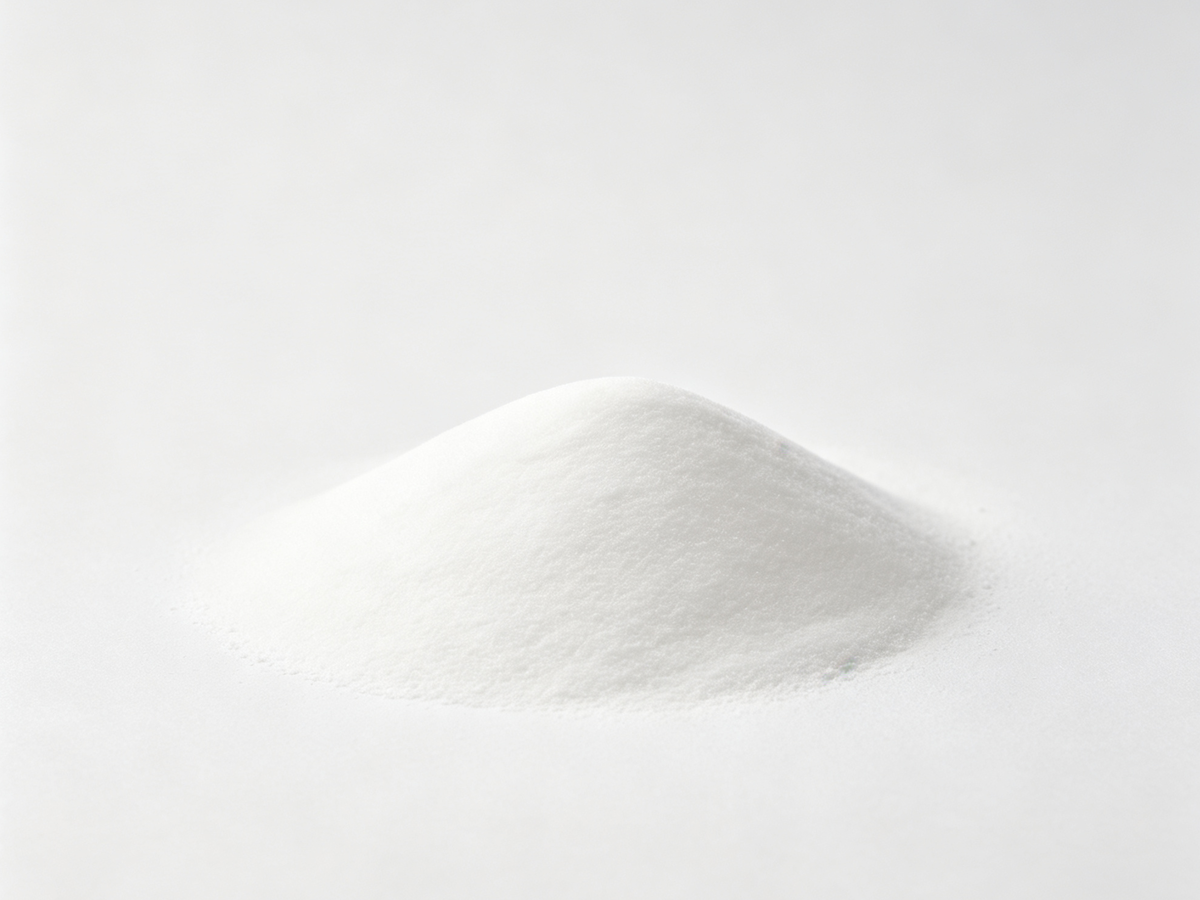
L-Tyrosine
Purecium L-Tyrosine is a white, free-flowing crystalline powder for cognitive performance, mental focus, mood support and stress-response formulations. L-Tyrosine is the non-essential amino acid precursor of dopamine, norepinephrine and thyroid hormones, identified by CAS number 60-18-4 with molecular formula C9H11NO3 and molecular weight 181.19 g/mol. Our L-tyrosine is manufactured by non-GMO microbial fermentation to USP, EP and FCC standards with a 99.0% minimum assay, verified on every batch. We also supply N-Acetyl-L-Tyrosine (CAS 537-55-3, C11H13NO4, 223.22 g/mol), a more water-soluble derivative for ready-to-mix and liquid formats. Allergen-free, gluten-free, non-GMO and vegan, both forms are packed in 25 kg drums with a 25 kg minimum order for B2B buyers worldwide.
Product name: L-Tyrosine (Amino Acid) / N-Acetyl-L-Tyrosine
Molecular formula: C9H11NO3 (L-Tyr) / C11H13NO4 (NAT)
Starting material: Microbial fermentation (non-GMO plant-based substrate)
Grade: USP / EP / FCC
Heavy Metals: Conforms to USP/EP
Pesticide residue: Conforms to USP/EP
Packing size: 25kg/drum
CAS#: 60-18-4 (L-Tyr) / 537-55-3 (NAT)
Molecular weight: 181.19 g/mol (L-Tyr) / 223.22 g/mol (NAT)
Source: Fermentation (L-enantiomer)
Specification: 99.0% min assay (USP), white crystalline powder
Country of origin: China
Residual solvent: Conforms to USP/EP
Allergen free/Gluten-free/Non-GMO/Vegan/Non-Irradiation:

L-Tyrosine Overview
L-Tyrosine is a non-essential amino acid and the metabolic precursor of the catecholamine neurotransmitters dopamine and norepinephrine, as well as of thyroid hormones, making it a core ingredient in cognitive performance, mental focus, mood and stress-support supplements. It is identified by CAS number 60-18-4, molecular formula C9H11NO3 and molecular weight 181.19 g/mol. Under demanding conditions, supplemental tyrosine supports the maintenance of catecholamine levels, which is the basis of its role in cognitive resilience.
For the dietary supplement industry, L-tyrosine is used in cognitive performance, focus and attention, stress response, mood support, thyroid support and sports-adjacent mental-performance products. Purecium supplies L-tyrosine as a white crystalline powder standardized to 99.0% minimum assay, produced by microbial fermentation, together with N-Acetyl-L-Tyrosine for enhanced solubility, sold exclusively as B2B raw materials for distributors, contract manufacturers, private-label producers and finished supplement brands.
Source & Ingredient Identity
Purecium L-Tyrosine is manufactured by microbial fermentation, in which selected microbial strains convert non-GMO plant-based sugars into the L-enantiomer under controlled fermentation conditions, followed by purification by crystallization. The fermentation process inherently produces the natural L-enantiomer, the only form used in human nutrition, and it is the dominant commercial route for food-grade L-tyrosine.
The product is standardized to 99.0% minimum assay and conforms to USP-NF, European Pharmacopoeia and FCC monographs as applicable, produced in China and non-irradiated, with no allergens, no gluten and no GMO material. The N-Acetyl-L-Tyrosine derivative (CAS 537-55-3) is supplied as a white to off-white powder with improved water solubility for ready-to-mix and liquid formats. For B2B buyers, the critical purchasing checks are the assay on the Certificate of Analysis, specific optical rotation confirming the L-enantiomer, and the impurity profile by HPLC.
Key Characteristics of L-Tyrosine
1. Catecholamine precursor. L-Tyrosine is converted to L-DOPA, then to dopamine and norepinephrine, the neurotransmitters that support alertness, motivation, focus and the body's adaptive response to stress; the pathway is a recognized topic in the health information of the NIH Office of Dietary Supplements, and published clinical studies report benefits of tyrosine under cognitively demanding or stressful conditions.
2. Thyroid hormone building block. L-Tyrosine is a required substrate for the synthesis of the thyroid hormones T3 and T4, which regulate metabolic rate and energy metabolism, making it a common component of thyroid-support formulas alongside iodine and selenium.
3. Two sourcing forms for different formats. L-Tyrosine provides the free amino acid with standard crystalline handling, while N-Acetyl-L-Tyrosine offers higher water solubility and is preferred for ready-to-mix powders, sticks and liquid concentrates where dissolution speed matters. Both forms are manufactured to the same quality standards and are covered by appropriate monographs and regulatory assessments.
L-Tyrosine Manufacturing
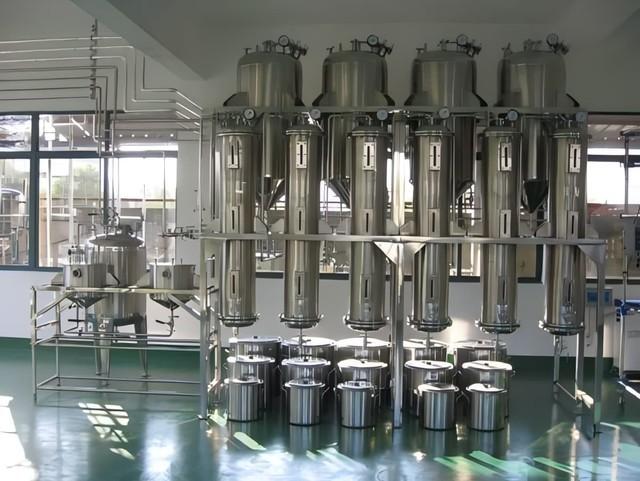
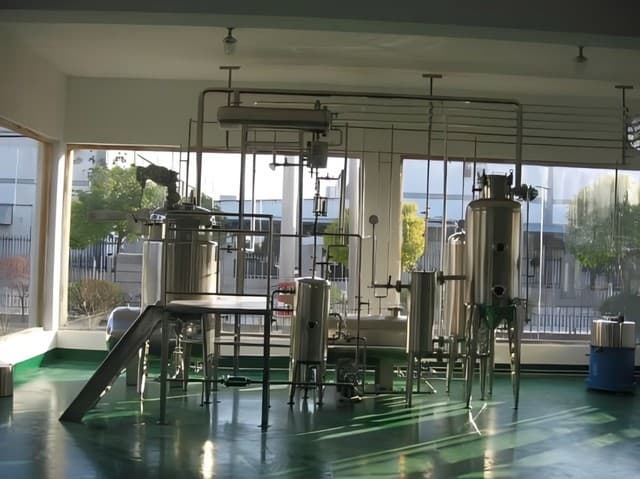
The manufacturing process follows a fermentation route: selected microbial strains convert non-GMO plant-based sugars into L-tyrosine under controlled fermentation conditions, after which the broth is filtered, purified by ion exchange and crystallization, and dried to a white crystalline powder. Every production stage is process-controlled, and each finished lot is verified before release.
Each batch is tested by the methods of the current USP-NF or European Pharmacopoeia monograph for tyrosine, including identification, assay (99.0% minimum on a dried basis), specific optical rotation confirming the L-enantiomer, related substances by HPLC, heavy metals, residual solvents and microbial limits, all reported on the batch Certificate of Analysis. The N-Acetyl-L-Tyrosine derivative is produced by controlled acetylation of high-purity L-tyrosine followed by crystallization, with its own identity and assay verification per batch.
Applications of L-Tyrosine
Cognitive performance and stress support is the primary application of L-tyrosine. Mechanistically, under cognitively demanding or stressful conditions, catecholamine synthesis can outpace supply, and supplemental tyrosine provides the substrate needed to maintain dopamine and norepinephrine levels; published clinical studies suggest benefits for focus, working memory and resilience during demanding tasks, with typical servings of 500 mg to 2 g before or during demanding periods.
Mood, thyroid and sports-adjacent applications form the second cluster. As a precursor of dopamine and thyroid hormones, L-tyrosine is used in mood-support and thyroid-support formulas, and in pre-workout and sports-performance products for mental focus and motivation. The FDA recognizes L-tyrosine as GRAS for food use, and EFSA has assessed amino acids including tyrosine for use in food supplements; finished-product claims should always follow the regulations of the destination market.
L-Tyrosine is compatible with capsules, tablets, sachets and powder blends. The crystalline powder has a neutral taste and good flow, while N-Acetyl-L-Tyrosine is the preferred form for ready-to-mix and liquid applications. It is commonly paired with caffeine, B vitamins, L-theanine and other nootropic ingredients; formulators should protect both forms from light and moisture during blending and storage.
Manufacturing & Quality Control
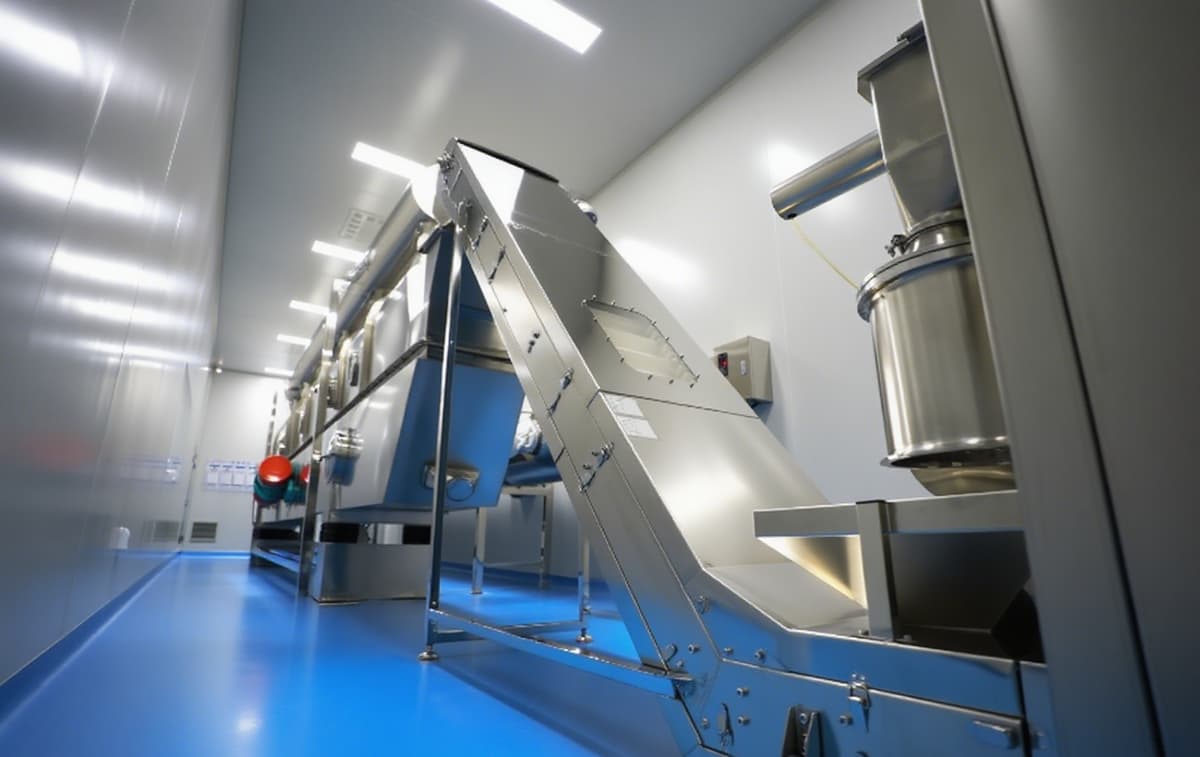
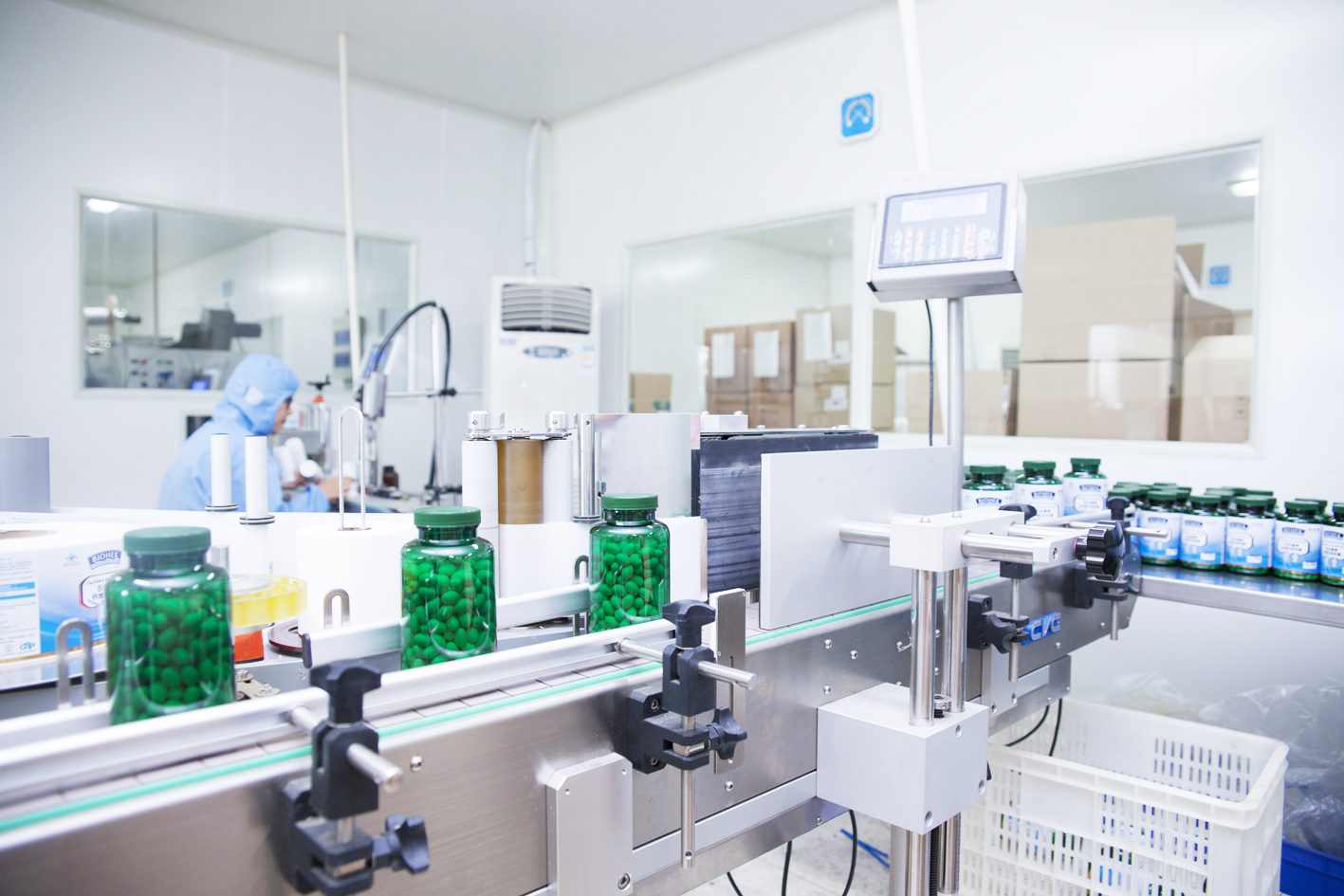
Purecium L-Tyrosine and N-Acetyl-L-Tyrosine are produced in facilities operating under ISO 9001 and FSSC 22000 certified quality systems, with Kosher and Halal certification available. Analytical methods follow the current USP-NF and European Pharmacopoeia monographs for tyrosine, and each batch is released with a verified assay of 99.0% minimum on a dried basis.
Each commercial lot is fully traceable from fermentation culture to finished drum. Alongside the CoA, Purecium provides the specification sheet, SDS, allergen and gluten statements, non-GMO declarations and stability data on request, giving buyers the documentation needed for raw-material approval and finished-product registration.
L-Tyrosine for B2B Supplement Manufacturing
Purecium supplies L-Tyrosine and N-Acetyl-L-Tyrosine exclusively as B2B raw materials for distributors, contract manufacturers, private-label producers and finished supplement brands. The minimum order quantity is 25 kg; both forms are packed in 25 kg drums with food-grade aluminum-foil inner bags, and samples and full documentation are available before commitment.
For North American customers, inventory is staged at Purecium's US warehouse, enabling pickup or delivery within approximately two days. Global delivery covers Hong Kong, mainland China, the EU and other regions, with export documentation prepared for every shipment. Purecium also supports custom mesh sizing and provides technical and regulatory communication to move L-tyrosine from ingredient selection to commercial formulation.
Reviewed by the Chief Quality Assurance / Regulatory Affairs Specialist at Purecium for technical accuracy and regulatory alignment.
How does bulk L-tyrosine compare with NALT, phenylalanine, and L-DOPA in formulation, dosing, handling, and regulatory terms?
L-tyrosine (CAS 60-18-4) is a standard amino acid with a phenolic side chain. It is typically dosed at 500–2000 mg per day in capsules or tablets. It has low water solubility (about 0.45 g/L at 25 °C), so it is usually dry-blended or suspended. It is stable as a solid under normal conditions but may discolor with prolonged exposure to light and air. It is regulated as a food or dietary ingredient in most markets, including the US and EU, and is supplied as a white crystalline powder with typical purity of 98–101% on a dried basis. Documentation includes a certificate of analysis, safety data sheet, and allergen statement. NALT (N-acetyl-L-tyrosine, CAS 537-55-3) is an acetylated derivative with much higher water solubility (over 100 g/L), making it suitable for ready-to-drink formats. Typical doses are 300–1000 mg per day. It is more hygroscopic than L-tyrosine and should be stored in sealed containers below 25 °C. Regulatory status is similar to L-tyrosine in the US and EU, though not all markets have explicitly approved it. Supply form is a white powder, often with purity ≥98%. Documentation mirrors that of L-tyrosine. Phenylalanine (CAS 63-91-2 for L-phenylalanine) is a precursor to tyrosine and competes for the same transporters. Typical doses are 500–2000 mg per day. Solubility is about 27 g/L at 25 °C, higher than L-tyrosine. It is stable as a solid but may undergo Maillard reactions with reducing sugars. Regulatory status is comparable to L-tyrosine. It is supplied as a white crystalline powder, typically ≥98% pure. Documentation is similar. L-DOPA (levodopa, CAS 59-92-7) is a prescription drug in most countries and is not permitted in dietary supplements in the US and EU. It is used at 100–1000 mg per day under medical supervision. Solubility is about 5 g/L in water. It is sensitive to oxidation and requires protective handling. Bulk supply is pharmaceutical grade with extensive documentation, including drug master file where applicable. For B2B formulation, L-tyrosine and NALT are the practical choices for non-drug products, while phenylalanine is an alternative precursor; L-DOPA is restricted to pharmaceutical applications.Comparison in table form.
The table below sets out the parameters that determine how each material is specified, dosed and documented in a finished formulation.Parameter
L Tyrosine
NALT
Phenylalanine
CAS number
60-18-4
537-55-3
63-91-2
Chemical class
Amino acid
Acetylated amino acid
Amino acid
Typical dose
500-2000 mg/day
300-1000 mg/day
500-2000 mg/day
Solubility
0.45 g/L (25°C)
>100 g/L
27 g/L (25°C)
Stability
Stable solid; light sensitive
Hygroscopic; store sealed
Stable; avoid reducing sugars
Regulatory status
Food/dietary ingredient
Food/dietary ingredient
Food/dietary ingredient
Supply form
White crystalline powder
White powder
White crystalline powder
Documentation
CoA, SDS, allergen statement
CoA, SDS, allergen statement
CoA, SDS, allergen statement
Supplying buyers in North America, the European Union, Latin America, Asia and the Middle East
Purecium supplies L-tyrosine in bulk from Hong Kong, the United States and the European Union. Orders are quoted FOB, CIF or DDP as you prefer: air freight for urgent volumes, sea freight (full container or consolidated) for bulk quantities. Transit time, import requirements and duties are confirmed in each quotation.
For local registration, our technical package is filed with the authority in your market: EU-GMP partner manufacturing and Ph. Eur. / USP monograph testing for the European Union and the United Kingdom; COFEPRIS (Mexico), INVIMA (Colombia), ANMAT (Argentina), ISP (Chile) and ANVISA (Brazil) in Latin America; SFDA and Gulf documentation in the Middle East; BP, JP or ChP monographs in Asia. Every lot ships with a batch COA, TDS, SDS and GMP, ISO 9001, FSSC 22000, Kosher and Halal certificates.
Commercial support is available in English, Spanish and Chinese, and qualification samples are dispatched worldwide, with a response within 12 business hours.