

Spermidine Trihydrochloride Powder (98% HPLC)
Autophagy Support Cellular-Renewal Polyamine
Spermidine
Purecium Spermidine is the naturally occurring polyamine studied for autophagy and cellular-renewal support, supplied as a B2B bulk raw material for healthy-aging and longevity-oriented supplement programs. The product is offered as spermidine trihydrochloride at 98% minimum assay by HPLC (CAS 334-50-9, formula C7H22Cl3N3, molecular weight 254.63 g/mol; free base CAS 124-20-9, C7H19N3, 145.25 g/mol) or as a naturally occurring wheat-germ extract standardized to spermidine content. Vegan, allergen-free and non-irradiated, it is packed in 25 kg drums with a 25 kg minimum order and complete COA documentation.
Buyer snapshot: MOQ 25 kg; stock held in the United States; stock held in the Netherlands (EU); 2-day pickup for North America; quotation response within 12 business hours. Quotation on request, samples dispatched worldwide.
Product name: Spermidine Trihydrochloride (98% HPLC)
Molecular formula: C7H22Cl3N3
Starting material: Controlled synthesis (salt form); wheat germ (extract form)
Grade: Supplement grade (>=98% HPLC)
Heavy Metals: Conforms to USP/EP limits
Pesticide residue: Conforms to USP/EP limits
Packing size: 25kg/drum
CAS#: 334-50-9
Molecular weight: 254.63 g/mol
Source: Synthetic salt (China); wheat-germ extract on request
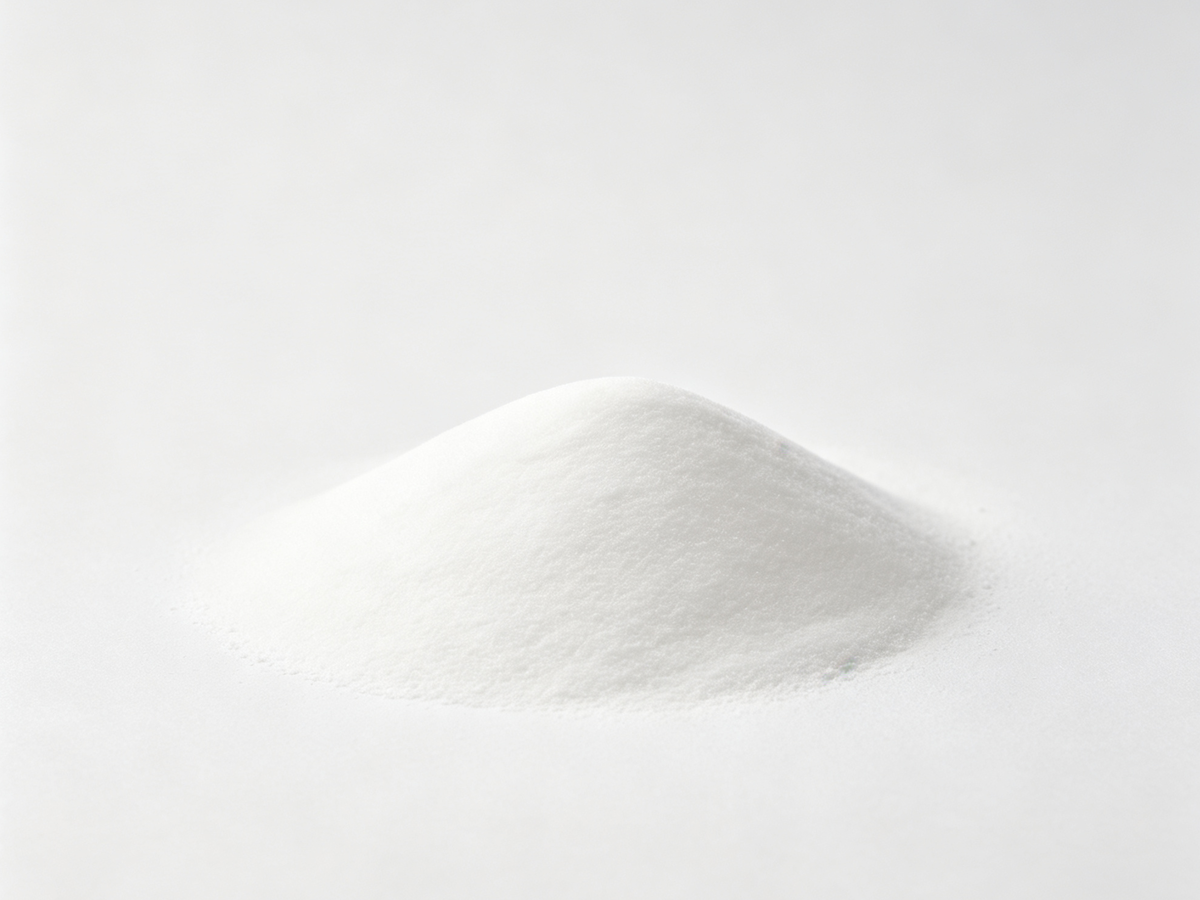
Specification: Spermidine trihydrochloride >=98% by HPLC; white crystalline powder
Country of origin: China
Residual solvent: Conforms to USP/EP limits
Allergen free/Gluten-free/Non-GMO/Vegan/Non-Irradiation:

Spermidine Overview
Spermidine is a naturally occurring polyamine found in all living cells and in foods such as wheat germ, aged cheese, soy and mushrooms, where it participates in fundamental cellular processes including growth, protein synthesis and the regulation of autophagy. The free base carries CAS 124-20-9, molecular formula C7H19N3 and molecular weight 145.25 g/mol, and it is supplied commercially as a stable salt such as the trihydrochloride (CAS 334-50-9, C7H22Cl3N3, 254.63 g/mol).
For the dietary-supplement industry, spermidine is used in healthy-aging and cellular-renewal products, where its most studied mechanism is the induction of autophagy, the cellular housekeeping process that recycles damaged components. Purecium supplies Spermidine as a B2B raw material at 98% minimum assay by HPLC for distributors, contract manufacturers, private-label producers and finished supplement brands, with wheat-germ extract available for botanical positioning.
Source & Ingredient Identity
Purecium supplies spermidine in two forms. The standard catalog item is spermidine trihydrochloride, a defined salt produced by controlled synthesis and purified to 98% minimum assay, which gives formulators a precise, pure active for milligram-level dosing. For label-friendly botanical positioning, a naturally occurring wheat-germ extract standardized to spermidine content is available on request, with the polyamine content confirmed by validated analysis.
The declared pure product is spermidine trihydrochloride, CAS 334-50-9, formula C7H22Cl3N3 and molecular weight 254.63 g/mol, equivalent to the free polyamine spermidine (CAS 124-20-9, C7H19N3, 145.25 g/mol). Buyers should confirm the salt form, assay basis and related-polyamine profile on the specification sheet, since spermidine content on a salt basis differs from free-base content.
Key Characteristics of Spermidine
1. Defined polyamine with an autophagy research profile. Spermidine is the polyamine most associated with autophagy induction in peer-reviewed research, a mechanism linked to cellular renewal and healthy aging. This defined biological role is the basis for its use in longevity and cellular-health products, where it is positioned as an autophagy-supporting active.
2. Precise analytical identity in the pure salt form. Spermidine trihydrochloride (C7H22Cl3N3, 254.63 g/mol) is specified by HPLC assay of at least 98%, related polyamines such as putrescine and spermine, chloride content, residual solvents, heavy metals and microbiology, giving formulators a reproducible active with clean quality control.
3. Two supply forms for different label strategies. The 98% trihydrochloride salt suits products that declare pure spermidine per serving, while the wheat-germ extract supports whole-food positioning with a naturally occurring polyamine complex. The extract is typically dosed by weight with spermidine content standardized, and buyers should choose the form that matches their label concept and regulatory review.
Spermidine Manufacturing
Spermidine trihydrochloride is manufactured by a controlled synthetic route followed by salt formation with hydrochloric acid, purification by crystallization and drying under controlled conditions, yielding the white crystalline salt at 98% minimum assay. Wheat-germ spermidine extract is produced separately by extraction and concentration of polyamine-rich wheat germ, with the spermidine content standardized by validated analysis.
Finished lots of the pure salt are tested by validated HPLC for assay and related polyamines, with identification confirmed against certified reference standards. Additional testing covers chloride content, loss on drying, residual solvents, heavy metals and microbiology, following current pharmacopeial general chapters, and results are reported on the batch Certificate of Analysis.
Applications of Spermidine
Healthy-aging and cellular-renewal formulas are the primary application of spermidine. It is used in longevity products alongside NAD+ precursors and other cellular-health actives such as NMN, resveratrol and fisetin, where its autophagy-support mechanism is the intended contribution, and published clinical studies have examined spermidine in the context of age-related cellular and cardiovascular markers.
The wheat-germ extract form serves whole-food and plant-based positioning, appearing in capsules and powders for cellular-health and wellness programs. Formulators should confirm the regulatory framework per market: in the United States spermidine is used within the FDA dietary-supplement framework, while in the European Union spermidine and wheat-germ extracts require confirmation of novel-food or traditional-food status before food-supplement use in each member state.
Manufacturing & Quality Control
Purecium Spermidine is produced in facilities operating under ISO 9001 and FSSC 22000 certified quality systems, with Kosher and Halal certification available. Every lot is tested for identity, HPLC assay of at least 98%, related polyamines, loss on drying, residual solvents, heavy metals and microbiology, and wheat-germ extract lots are additionally tested for the standardized spermidine content and botanical contaminants.
Each commercial lot is traceable from raw-material intake through synthesis or extraction to the finished drum, and every batch is released on a Certificate of Analysis documenting assay, impurity profile and physical data. Purecium also provides the specification sheet, SDS, allergen and gluten statements, non-GMO declarations and stability data on request.
Spermidine for B2B Supplement Manufacturing
Purecium supplies Spermidine exclusively as a B2B raw material for distributors, contract manufacturers, private-label producers and finished supplement brands. The minimum order quantity is 25 kg; spermidine trihydrochloride is packed in 25 kg drums with food-grade polyethylene inner bags, and samples with full documentation are available before commitment.
For North American customers, inventory is staged at Purecium's US warehouse, enabling pickup or delivery within approximately two days. Global delivery covers Hong Kong, mainland China, the EU and other regions, with export documentation prepared for every shipment, and Purecium provides specification and application guidance plus technical and regulatory communication to support formulation and registration in each destination market.
Reviewed by the Chief Quality Assurance / Regulatory Affairs Specialist at Purecium for technical accuracy and regulatory alignment.
How does spermidine compare with spermine, putrescine, and NMN as a bulk ingredient for B2B formulation?
Spermidine (CAS 124-20-9) is a triamine polyamine. Spermine (CAS 71-44-3) is a tetraamine, and putrescine (CAS 110-60-1) is a diamine. These three are endogenous polyamines that share biosynthetic pathways and are often discussed together. NMN (CAS 1094-61-7) is a nicotinamide adenine dinucleotide (NAD+) precursor and belongs to a different chemical class. For bulk B2B formulation, the key differences lie in specification, dosing, handling, and regulatory status. Typical daily doses in clinical studies vary: spermidine is often used at 1–6 mg, spermine at 1–10 mg, putrescine at 5–20 mg, and NMN at 250–500 mg. Solubility in water is high for all: spermidine, spermine, and putrescine are freely soluble as salts, while NMN is also highly soluble. Stability profiles differ: spermidine and spermine are hygroscopic and sensitive to oxidation, requiring cool, dry storage; putrescine is a liquid with a strong odor and is typically handled as a salt; NMN is relatively stable as a crystalline solid but degrades under heat and alkaline conditions. Regulatory status is a critical differentiator. In the EU, spermidine and spermine may be placed on the market as food supplements depending on novel food status; putrescine is not authorized for food use. NMN’s regulatory status is evolving: it is not authorized as a novel food in the EU, while in the US it is marketed as a dietary supplement. Bulk suppliers should provide documentation including certificate of analysis, safety data sheet, and, where applicable, novel food or GRAS documentation. Supply forms also vary: spermidine is commonly offered as a stabilized powder or as a wheat germ extract; spermine and putrescine are available as salts or liquids; NMN is supplied as a crystalline powder. Formulators should consider dose, stability, and regulatory acceptance when selecting a polyamine or NAD+ precursor for a given market.Comparison in table form.
The table below sets out the parameters that determine how each material is specified, dosed and documented in a finished formulation.Parameter
Spermidine
Spermine
Putrescine
CAS number
124-20-9
71-44-3
110-60-1
Chemical class
Triamine polyamine
Tetraamine polyamine
Diamine polyamine
Typical dose
1–6 mg/day
1–10 mg/day
5–20 mg/day
Solubility
Freely soluble in water
Freely soluble in water
Freely soluble in water
Stability
Hygroscopic; store cool, dry
Hygroscopic; store cool, dry
Liquid; salt forms more stable
Regulatory status
Food supplement (EU) with limits
Food supplement (EU) with limits
Not authorized for food use (EU)
Supply form
Powder or wheat germ extract
Salt or powder
Liquid or salt
Documentation
CoA, SDS, novel food status
CoA, SDS, novel food status
CoA, SDS, not for food