

Urolithin A Powder (98% HPLC)
Mitophagy Support Cellular-Renewal Active
Urolithin A
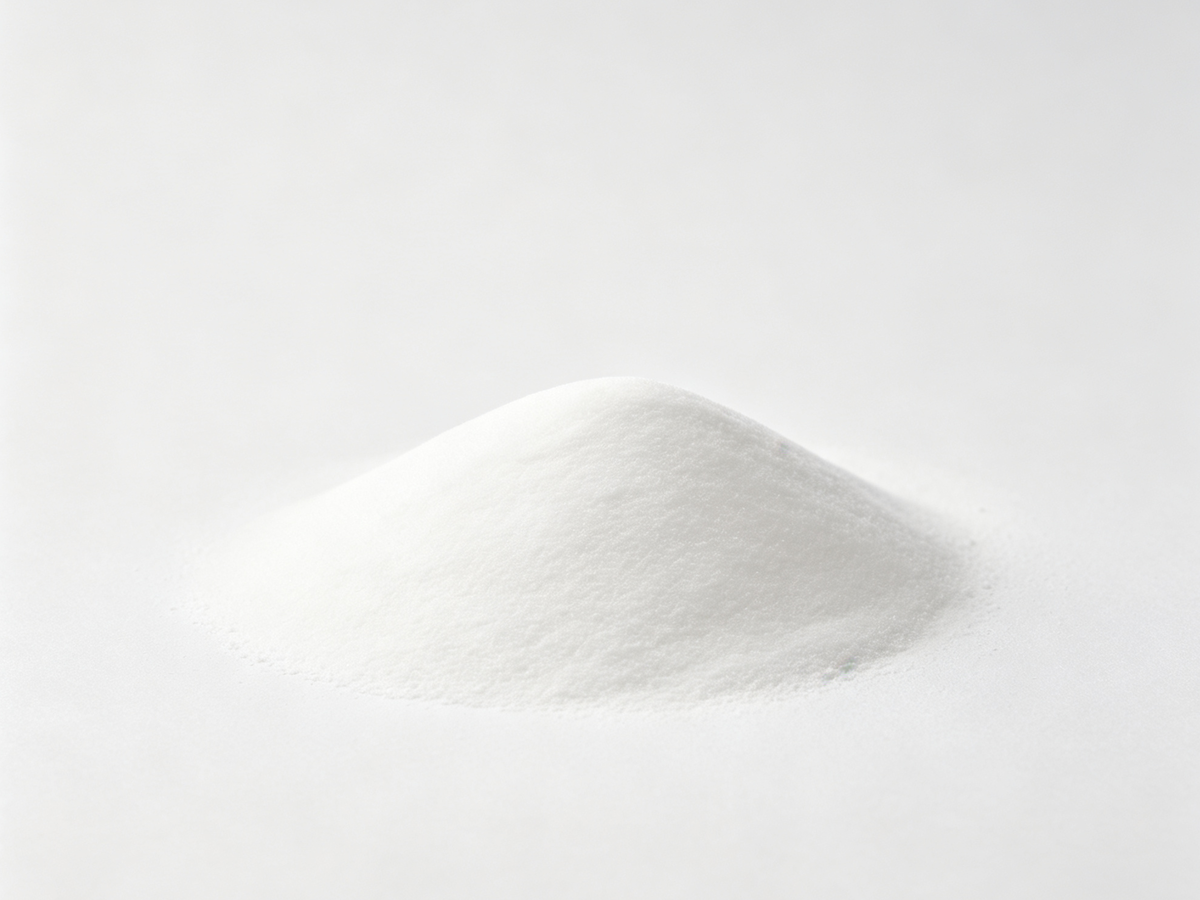
Purecium Urolithin A is the gut-microbiota metabolite of ellagitannins from pomegranate and berries, now produced by controlled fermentation and supplied as a B2B bulk active for cellular-renewal, muscle-health and healthy-aging supplement programs. It carries CAS 1143-70-0, molecular formula C13H8O4 and molecular weight 228.20 g/mol, and is offered at 98% minimum assay by HPLC as an off-white to light-beige powder. Vegan, allergen-free and non-irradiated, it is packed in 25 kg drums with a 25 kg minimum order; Urolithin B (C13H8O3, 212.20 g/mol) is available on request.
Buyer snapshot: MOQ 25 kg; free samples with COA; FOB Hong Kong / CIF / DDP; stock held in the United States; stock held in the Netherlands (EU); 2-day pickup for North America; per-batch COA / TDS / SDS; quotation response within 12 business hours. Quotation on request, samples dispatched worldwide.
Product name: Urolithin A (98% HPLC)
Molecular formula: C13H8O4
Starting material: Fermentation (microbial conversion of precursor substrate)
Grade: Supplement grade (>=98% HPLC)
Heavy Metals: Conforms to USP/EP limits
Pesticide residue: Conforms to USP/EP limits
Packing size: 25kg/drum
CAS#: 1143-70-0
Molecular weight: 228.20 g/mol
Source: Controlled fermentation; China
Specification: Urolithin A >=98% by HPLC; off-white to light-beige powder
Country of origin: China
Residual solvent: Conforms to USP/EP limits
Allergen free/Gluten-free/Non-GMO/Vegan/Non-Irradiation:

Urolithin A Overview
Urolithin A is a metabolite produced by gut bacteria from ellagitannins and ellagic acid, polyphenols that are abundant in pomegranate, walnuts and certain berries. The compound carries CAS 1143-70-0, molecular formula C13H8O4 and molecular weight 228.20 g/mol, and it belongs to the dibenzopyranone (urolithin) family of microbial metabolites.
For the dietary-supplement industry, urolithin A is used in cellular-renewal, muscle-health and healthy-aging products, where its most studied mechanism is the activation of mitophagy, the selective recycling of damaged mitochondria. Because direct dietary intake of ellagitannins does not reliably produce urolithin A in all individuals, the purified molecule is supplied directly as an active. Purecium supplies Urolithin A as a B2B raw material at 98% minimum assay by HPLC, with Urolithin B (CAS 1139-83-9, C13H8O3, 212.20 g/mol) available on request.
Source & Ingredient Identity
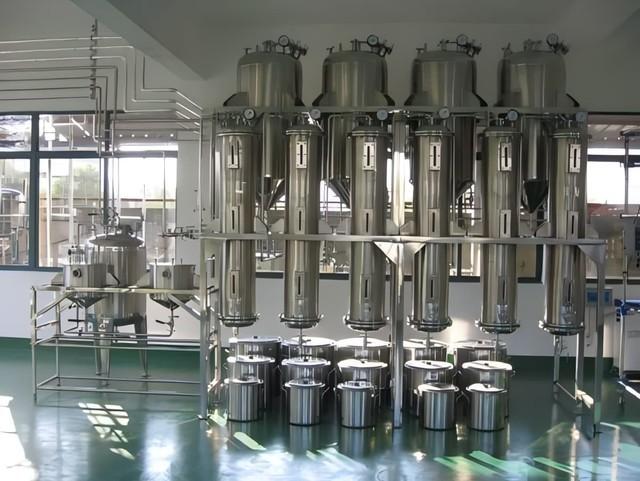
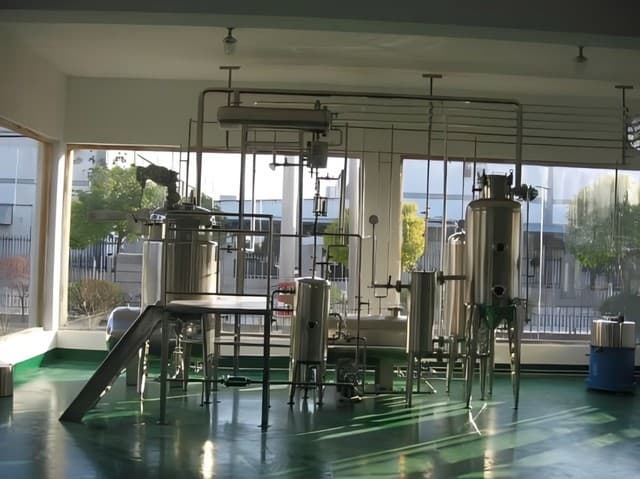
Purecium Urolithin A is produced by controlled fermentation rather than by chemical synthesis or extraction from fruit, a route that provides a consistent, scalable and cost-effective supply of the pure metabolite. The fermentation is followed by downstream purification, isolation and drying to yield the 98% minimum assay powder, with the process documented from inoculum to finished lot.
The declared product is urolithin A, also written 3,8-dihydroxy-6H-dibenzo[b,d]pyran-6-one or 3,8-dihydroxyurolithin, with CAS 1143-70-0, formula C13H8O4 and molecular weight 228.20 g/mol. Urolithin B (3-hydroxy-6H-dibenzo[b,d]pyran-6-one, CAS 1139-83-9, C13H8O3, 212.20 g/mol) is available on request, and buyers should confirm the assay method and related-urolithin profile on the specification sheet.
Key Characteristics of Urolithin A
1. Defined microbial metabolite with a studied mechanism. Urolithin A is the gut-microbiota metabolite of ellagitannins whose research profile centers on mitophagy activation, the cellular process that recycles damaged mitochondria to maintain energy production and cellular health. This mechanism-based positioning distinguishes urolithin A from general polyphenol ingredients.
2. Precise analytical identity for a high-value active. Urolithin A is specified by HPLC assay of at least 98%, related urolithins and process impurities, residual solvents, heavy metals and microbiology. Identity is confirmed by chromatographic and spectral methods against certified reference standards, giving formulators a reproducible active for milligram-level dosing.
3. Physical profile suited to encapsulation. Urolithin A is an off-white to light-beige fine powder with low water solubility, which makes capsules and oil-based or carrier-assisted formats the practical choice. It is vegan, allergen-free, gluten-free, non-GMO and non-irradiated, and should be handled with standard dust control and moisture protection.
Urolithin A Manufacturing
Urolithin A is manufactured by controlled fermentation in which a defined microbial strain converts the precursor substrate into urolithin A, followed by cell separation, extraction, chromatographic purification and crystallization or drying. Process parameters such as pH, temperature, oxygen and fermentation time are monitored to maximize yield and purity, and the purified product is milled to specification.
Finished lots are tested by validated HPLC for assay and related substances, with identification confirmed by retention time and spectral match. Additional testing covers loss on drying, residual solvents, heavy metals and microbiology, following current pharmacopeial general chapters and AOAC-based procedures, and results are reported on the batch Certificate of Analysis.
Applications of Urolithin A
Cellular-renewal and healthy-aging formulas are the primary application of urolithin A. It is used in longevity and cellular-health products alongside other NAD+-supporting and mitochondrial actives, where its mitophagy mechanism is the intended contribution, and published clinical studies have examined urolithin A's effects on mitochondrial biomarkers and muscle-related outcomes in older adults.
Muscle-health and active-lifestyle products form the second cluster, using urolithin A for muscle function and recovery positioning, typically in capsules with other cellular-health actives. Formulators should confirm the regulatory framework per market: in the United States urolithin A is used within the FDA dietary-supplement framework, while in the European Union urolithin A is authorized as a novel food under defined specifications, so the current status of each destination market should be verified before launch.
Manufacturing & Quality Control
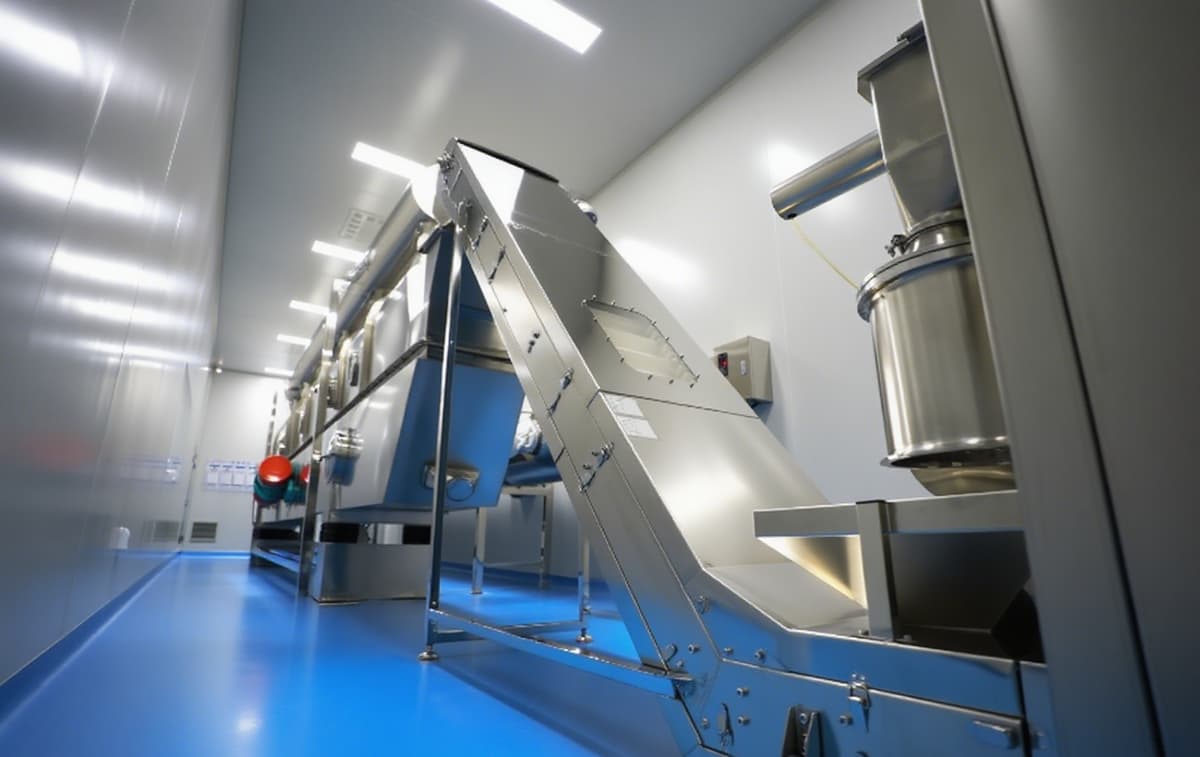
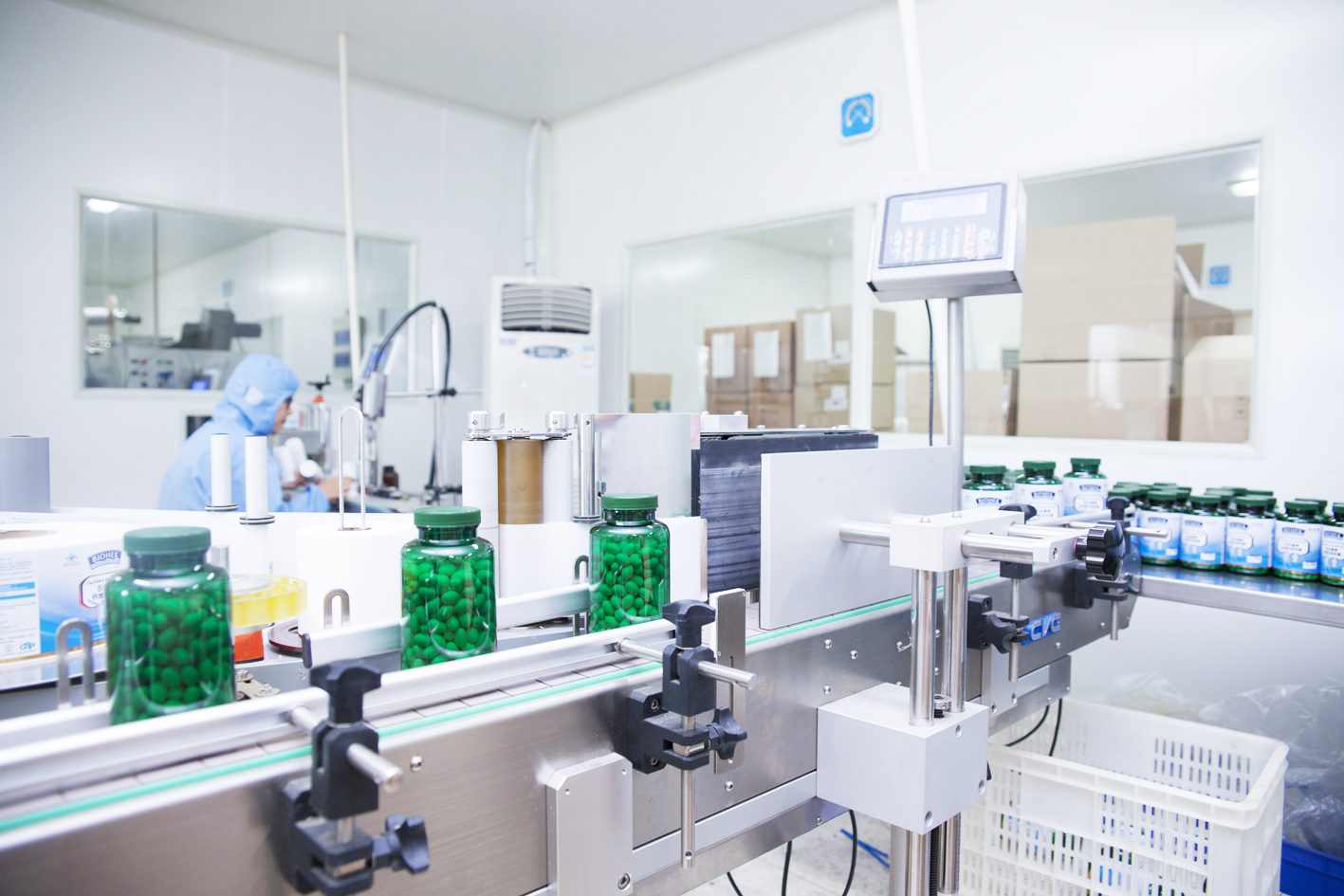
Purecium Urolithin A is produced in facilities operating under ISO 9001 and FSSC 22000 certified quality systems, with Kosher and Halal certification available. Every lot is tested for identity, HPLC assay of at least 98%, related urolithins, loss on drying, residual solvents, heavy metals and microbiology.
Each commercial lot is traceable from inoculum and substrate intake through fermentation and purification to the finished drum, and every batch is released on a Certificate of Analysis documenting assay, impurity profile and physical data. Purecium also provides the specification sheet, SDS, allergen and gluten statements, non-GMO declarations and stability data on request.
Urolithin A for B2B Supplement Manufacturing
Purecium supplies Urolithin A exclusively as a B2B raw material for distributors, contract manufacturers, private-label producers and finished supplement brands. The minimum order quantity is 25 kg; urolithin A is packed in 25 kg drums with food-grade polyethylene inner bags, and samples with full documentation are available before commitment.
For North American customers, inventory is staged at Purecium's US warehouse, enabling pickup or delivery within approximately two days. Global delivery covers Hong Kong, mainland China, the EU and other regions, with export documentation prepared for every shipment, and Purecium provides specification and application guidance plus technical and regulatory communication to support formulation and registration in each destination market.
Reviewed by the Chief Quality Assurance / Regulatory Affairs Specialist at Purecium for technical accuracy and regulatory alignment.
How does bulk Urolithin A B compare with ellagic acid, pomegranate extract, and resveratrol in specification, dosing, handling, and regulatory status for B2B formulation?
Urolithin A B is a gut-microbial metabolite of ellagitannins, produced by the sequential hydrolysis and decarboxylation of ellagic acid. In bulk form, it is typically supplied as a synthetic or biotechnologically produced compound with a defined purity, commonly ≥98% by HPLC. Ellagic acid is a dimeric derivative of gallic acid, available as a plant extract or synthetic material, often standardized to 90–98%. Pomegranate extract is a complex mixture of ellagitannins, flavonoids, and organic acids, typically standardized to punicalagins or ellagic acid, with variable phytochemical profiles. Resveratrol is a stilbenoid phytoalexin, usually derived from Japanese knotweed or fermentation, standardized to 98–99% trans-resveratrol. These differences in chemical identity and purity directly affect formulation consistency and dosing. Dosing varies by intended use. Urolithin A B is studied in human trials at 500–1000 mg/day, with bulk quantities typically dosed at 250–1000 mg per serving. Ellagic acid is often used at 50–500 mg/day, while pomegranate extract is dosed at 500–1500 mg/day to deliver comparable ellagitannin levels. Resveratrol is commonly dosed at 100–500 mg/day. For B2B formulation, Urolithin A B offers a single, well-characterized molecule, whereas pomegranate extract requires consideration of multiple actives and potential batch-to-batch variation. Solubility profiles differ: Urolithin A B is practically insoluble in water but soluble in organic solvents such as DMSO and ethanol. Ellagic acid is poorly water-soluble, pomegranate extract contains water-soluble tannins, and resveratrol is poorly water-soluble. These properties influence choice of delivery systems, such as micronization or lipid-based formulations. Stability and handling are critical for bulk ingredients. Urolithin A B is stable under normal storage conditions when protected from light and moisture, with a typical shelf life of 24–36 months. Ellagic acid and resveratrol are sensitive to oxidation and light, requiring inert atmosphere and opaque packaging. Pomegranate extract is hygroscopic and prone to microbial growth if not properly dried. Regulatory status varies: Urolithin A B is not currently listed in major pharmacopoeias but can be sold as a dietary ingredient in the US and EU, subject to local novel food regulations. Ellagic acid and pomegranate extract have a history of use as food ingredients, while resveratrol is approved as a food supplement in many jurisdictions. Documentation for bulk Urolithin A B typically includes a certificate of analysis, safety data sheet, and sometimes a novel food dossier. Ellagic acid and pomegranate extract may require pesticide and heavy metal testing, while resveratrol often includes trans-isomer ratio. Overall, Urolithin A B provides a defined molecular entity with consistent dosing, but formulators must verify regulatory acceptance in target markets.Comparison in table form.
The table below sets out the parameters that determine how each material is specified, dosed and documented in a finished formulation.Parameter
Urolithin A B
Ellagic acid
Pomegranate extract
CAS number
1143-70-0
476-66-4
Not applicable
Chemical class
Dibenzopyran-6-one
Ellagitannin derivative
Polyphenol mixture
Typical dose
250-1000 mg/day
50-500 mg/day
500-1500 mg/day
Solubility
Insoluble in water
Poorly soluble in water
Water-soluble tannins
Stability
Stable, protect from light
Light-sensitive
Hygroscopic
Regulatory status
Dietary ingredient (US/EU)
Food ingredient
Food ingredient
Supply form
Powder, ≥98% HPLC
Powder, 90-98%
Powder, standardized
Documentation
CoA, SDS, novel food
CoA, SDS, pesticide
CoA, SDS, heavy metals
Supplying buyers in North America, the European Union, Latin America, Asia and the Middle East
Purecium supplies Urolithin A (98% HPLC) in bulk from Hong Kong, the United States and the European Union. Orders are quoted FOB, CIF or DDP as you prefer: air freight for urgent volumes, sea freight (full container or consolidated) for bulk quantities. Transit time, import requirements and duties are confirmed in each quotation.
For local registration, our technical package is filed with the authority in your market: EU-GMP partner manufacturing and Ph. Eur. / USP monograph testing for the European Union and the United Kingdom; COFEPRIS (Mexico), INVIMA (Colombia), ANMAT (Argentina), ISP (Chile) and ANVISA (Brazil) in Latin America; SFDA and Gulf documentation in the Middle East; BP, JP or ChP monographs in Asia. Every lot ships with a batch COA, TDS, SDS and GMP, ISO 9001, FSSC 22000, Kosher and Halal certificates.
Commercial support is available in English, Spanish and Chinese, and qualification samples are dispatched worldwide, with a response within 12 business hours.