

Chrysin 98% HPLC Powder
Flavonoid Estrogen-Balance Support

Chrysin
Purecium Chrysin is the naturally occurring flavonoid 5,7-dihydroxyflavone, supplied as a B2B bulk raw material for men's health, hormone-balance and antioxidant supplement programs. It carries CAS 480-40-0, molecular formula C15H10O4 and molecular weight 254.24 g/mol, and is offered at 98% minimum assay by HPLC as a yellow crystalline powder of botanical origin, with Oroxylum indicum bark as the standard commercial source. Produced by controlled botanical extraction and purification in China, it is vegan, allergen-free and non-irradiated, packed in 25 kg drums with a 25 kg minimum order and complete COA documentation for B2B buyers.
Buyer snapshot: MOQ 25 kg; stock held in the United States; stock held in the Netherlands (EU); 2-day pickup for North America; quotation response within 12 business hours. Quotation on request, samples dispatched worldwide.
Product name: Chrysin (98% HPLC)
Molecular formula: C15H10O4
Starting material: Oroxylum indicum bark (botanical extraction)
Grade: Phytochemical grade (98% HPLC)
Heavy Metals: Conforms to USP/EP limits
Pesticide residue: Conforms to USP/EP limits
Packing size: 25kg/drum
CAS#: 480-40-0
Molecular weight: 254.24 g/mol
Source: Botanical extraction (Oroxylum indicum bark, China)
Specification: Chrysin >=98% by HPLC; yellow crystalline powder
Country of origin: China
Residual solvent: Conforms to USP/EP limits
Allergen free/Gluten-free/Non-GMO/Vegan/Non-Irradiation:

Chrysin Overview
Chrysin is a naturally occurring flavonoid, 5,7-dihydroxyflavone, found in Passiflora incarnata, poplar-type propolis and, at commercial scale, in the bark of Oroxylum indicum, a tree used in traditional medicine systems of South and Southeast Asia. The compound carries CAS 480-40-0, molecular formula C15H10O4 and molecular weight 254.24 g/mol, and belongs to the flavone subclass of plant polyphenols.
In dietary supplements, chrysin is used mainly in men's health and hormone-balance products, where in-vitro and preclinical research has examined its aromatase-modulating activity, and in antioxidant and anti-inflammatory blends as a general polyphenol active. Purecium supplies Chrysin as a B2B raw material at 98% minimum assay by HPLC for distributors, contract manufacturers, private-label producers and finished supplement brands.
Source & Ingredient Identity
Commercial chrysin is most commonly isolated from Oroxylum indicum bark, which is one of the richest known plant sources of the flavonoid, with Passiflora incarnata and propolis as additional natural occurrences. Purecium sources chrysin from controlled botanical raw material, which is extracted with food-grade solvents, purified and crystallized to the 98% grade, with botanical identity documented per batch.
The declared product is chrysin, also known as 5,7-dihydroxyflavone, with CAS 480-40-0, formula C15H10O4 and molecular weight 254.24 g/mol. It is a yellow to golden crystalline powder, practically insoluble in water but soluble in organic food-grade solvents used in assay work, and buyers should confirm the assay method, botanical source and particle specification on the batch documentation.
Key Characteristics of Chrysin
1. Defined flavone with a precise analytical identity. Chrysin is a single-molecule flavone, CAS 480-40-0, formula C15H10O4 and molecular weight 254.24 g/mol, assayed by validated HPLC with UV detection against a certified reference standard. Its defined structure allows reproducible dosing and clean quality control in finished products.
2. Research interest in aromatase modulation and hormone balance. Preclinical and in-vitro studies have examined chrysin as an inhibitor of aromatase, the enzyme that converts androgens to estrogens, which is the basis for its use in men's health and estrogen-balance formulas. Because the evidence is largely preclinical and oral bioavailability is reported to be limited, finished-product claims must stay within structure/function language and formulation strategies such as enhanced delivery are commonly applied.
3. Polyphenol antioxidant profile with formulation constraints. Chrysin behaves as a flavonoid antioxidant in standard assay systems and is frequently included in wellness blends for its polyphenol identity. Its low water solubility and reported bioavailability limitations make encapsulation, micronization or solubility-enhanced formats the practical choice for meaningful per-serving doses.
Chrysin Manufacturing
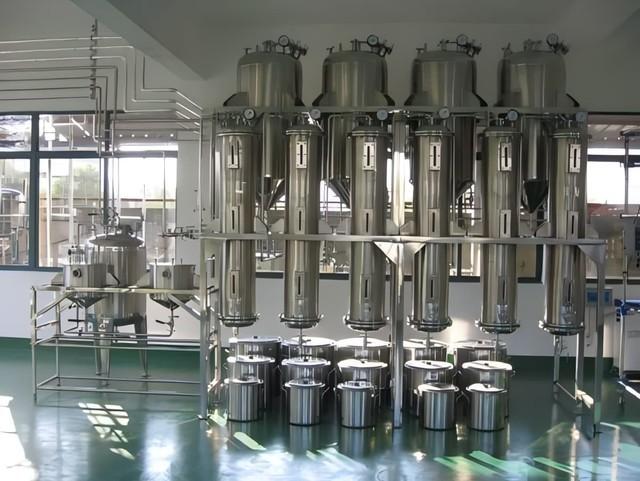
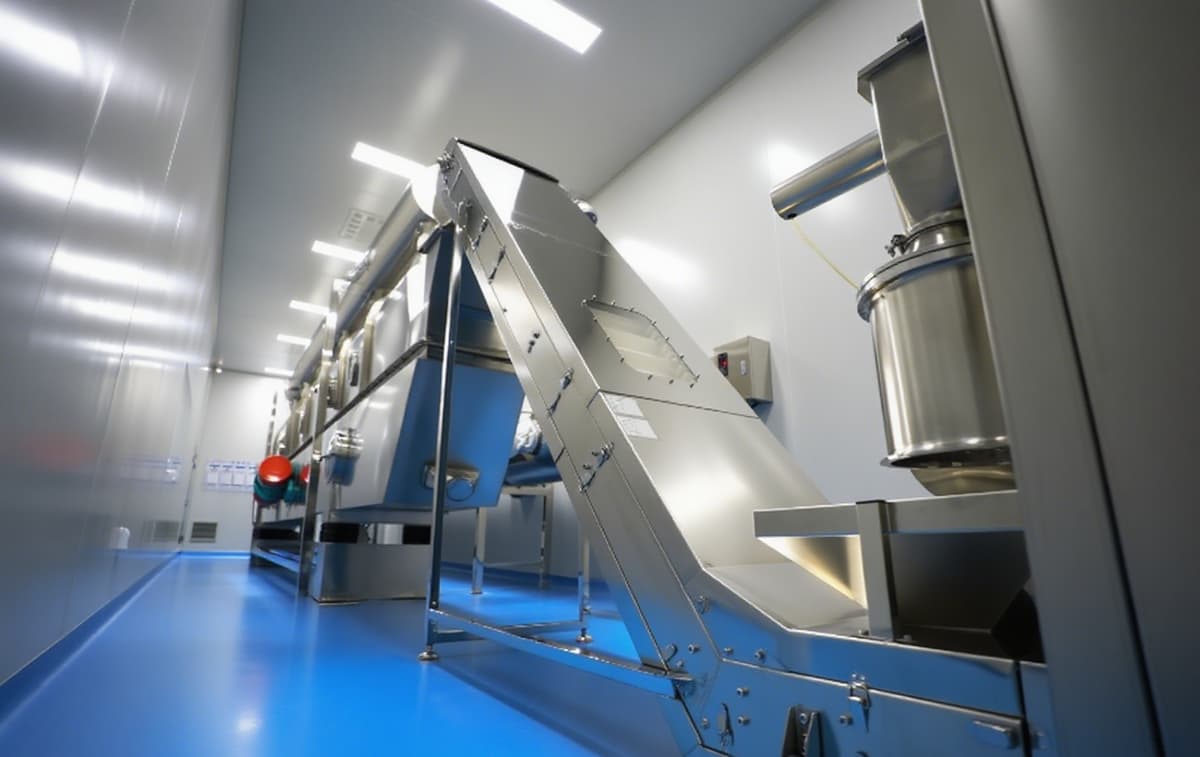
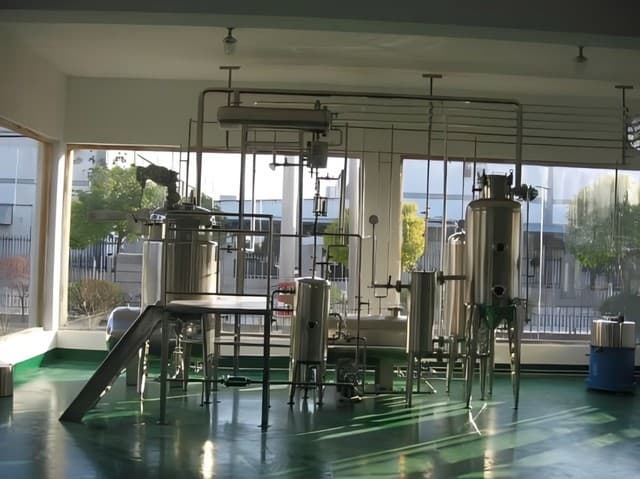
Production begins with selection and testing of chrysin-rich botanical raw material, typically Oroxylum indicum bark, followed by extraction with food-grade solvents, concentration, and purification of the flavone fraction by chromatographic and crystallization steps. The purified product is washed, dried and milled under controlled conditions, with in-process checks on flavone content and solvent recovery throughout the batch.
Finished lots are tested by validated HPLC against a certified chrysin reference standard for assay and related flavonoids, with additional testing for identification, loss on drying, residual solvents, heavy metals, pesticide residue and microbiology. Analytical methods follow botanical-extract approaches of the USP-NF and general AOAC procedures, and results are reported on the batch Certificate of Analysis.
Applications of Chrysin
Men's health and hormone-balance formulas are the primary application of chrysin. It is often combined with zinc, DIM (diindolylmethane), and other ingredients positioned for healthy estrogen metabolism and androgen support, where its aromatase-modulating research profile is the intended contribution. Buyers should note that regulatory agencies do not authorize disease or drug-like claims, and label communication should remain within structure/function language.
Antioxidant and wellness blends form the second cluster, pairing chrysin with other polyphenols such as grape-seed extract, green tea polyphenols and resveratrol-type ingredients in longevity, anti-aging and general antioxidant products. Because of chrysin's low aqueous solubility and limited oral bioavailability in research models, enhanced-delivery formats and sensible per-serving levels should be validated by the formulator rather than assumed.
Manufacturing & Quality Control
Purecium Chrysin is produced in facilities operating under ISO 9001 and FSSC 22000 certified quality systems, with Kosher and Halal certification available. Every lot is tested for identity, HPLC assay of at least 98%, related flavonoids, loss on drying, residual solvents, heavy metals, pesticide residue and microbiology, and the botanical raw material is screened for identity and contaminants before extraction.
Each commercial lot is traceable from plant harvest and botanical intake to finished drum, and every batch is released on a Certificate of Analysis documenting assay, impurity profile and physical data. Purecium also provides the specification sheet, SDS, allergen and gluten statements, non-GMO declarations, botanical-origin documentation and stability data on request.
Chrysin for B2B Supplement Manufacturing
Purecium supplies Chrysin exclusively as a B2B raw material for distributors, contract manufacturers, private-label producers and finished supplement brands. The minimum order quantity is 25 kg; the 98% product is packed in 25 kg drums with food-grade polyethylene inner bags, and samples with full documentation are available before commitment.
For North American customers, inventory is staged at Purecium's US warehouse, enabling pickup or delivery within approximately two days. Global delivery covers Hong Kong, mainland China, the EU and other regions, with export documentation prepared for every shipment, and Purecium provides specification and application guidance plus technical and regulatory communication to support formulation and registration in each destination market.
Reviewed by the Chief Quality Assurance / Regulatory Affairs Specialist at Purecium for technical accuracy and regulatory alignment.
How does bulk chrysin compare with luteolin, apigenin, and galangin in specifications, dosing, handling, and regulatory status for B2B formulation?
Chrysin (5,7-dihydroxyflavone, CAS 480-40-0) is a flavone aglycone typically supplied as an off-white to pale yellow crystalline powder with assay ≥98% by HPLC. Luteolin (CAS 491-70-3) and apigenin (CAS 520-36-5) are structurally related flavones, while galangin (CAS 548-83-4) is a flavonol. All four are poorly water-soluble, but chrysin and galangin are notably more lipophilic than luteolin and apigenin due to fewer hydroxyl groups. In bulk B2B trade, chrysin is often the most cost-effective per kilogram, whereas luteolin and apigenin command higher prices due to more complex extraction or synthesis. Typical bulk specifications include identity by NMR or MS, heavy metals <10 ppm, and residual solvents controlled per ICH Q3C. For dosing, chrysin is commonly used in the 100–500 mg per serving range in dietary supplements, though human pharmacokinetic data are limited. Luteolin and apigenin are often dosed at 50–200 mg, and galangin at 50–150 mg. Formulators should note that chrysin’s low aqueous solubility may require micronization, solid dispersion, or lipid-based delivery to improve bioavailability. Luteolin and apigenin, with additional hydroxyl groups, are slightly more water-soluble but still require enhancement. Stability-wise, all four are sensitive to light, oxygen, and alkaline pH; chrysin is relatively stable in neutral to slightly acidic conditions. Recommended storage is in tightly sealed containers, protected from light, at cool room temperature. Regulatory status varies by region. In the EU, chrysin, luteolin, apigenin, and galangin are not approved as novel food ingredients without authorization; they may be used in food supplements under member state rules, often with maximum levels. In the US, they can be marketed as dietary ingredients if they were present in the food supply before 1994, but chrysin’s status is less clearly documented than luteolin’s. In Japan, some are permitted as food additives or in specified health foods. Bulk documentation should include Certificate of Analysis, MSDS, allergen statement, non-GMO declaration, and if applicable, kosher/halal certificates. Purecium provides these standard documents for chrysin and can supply comparable data for the other flavones upon request.Comparison in table form.
The table below sets out the parameters that determine how each material is specified, dosed and documented in a finished formulation.Parameter
Chrysin
Luteolin
Apigenin
CAS number
480-40-0
491-70-3
520-36-5
Chemical class
Flavone
Flavone
Flavone
Typical dose
100-500 mg
50-200 mg
50-200 mg
Solubility
Poor in water; soluble in DMSO
Slightly better in water
Slightly better in water
Stability
Light/oxygen sensitive
Light/oxygen sensitive
Light/oxygen sensitive
Regulatory status
Not novel food in EU; US dietary
Not novel food in EU; US dietary
Not novel food in EU; US dietary
Supply form
Crystalline powder
Crystalline powder
Crystalline powder
Documentation
CoA, MSDS, non-GMO, allergen
CoA, MSDS, non-GMO, allergen
CoA, MSDS, non-GMO, allergen