Bulk 3,3'-Diindolylmethane (DIM) for Hormonal Balance & Cellular Health
Purecium supplies 99% pure, HPLC-verified DIM raw materials from FSSC22000 and ISO9001 certified facilities to power global premium brands.
3,3'-Diindolylmethane (DIM)
Supports Healthy Estrogen Metabolism

3,3'-Diindolylmethane (DIM)
Purecium is a premier global B2B supplier of high-purity 3,3'-Diindolylmethane (DIM), a powerful bioactive compound widely recognized for its profound effects on hormonal balance and cellular health. Naturally derived from the digestion of indole-3-carbinol (I3C) found in cruciferous vegetables, DIM has become a cornerstone ingredient in modern metabolic and endocrine support formulations. We supply strictly controlled, HPLC-verified 99% pure DIM crystalline powder tailored for global distributors, contract manufacturers (CDMOs), and premium dietary supplement brands.
Buyer snapshot: free samples with COA; FOB Hong Kong / CIF / DDP; stock held in the United States; 2-day pickup for North America; per-batch COA / TDS / SDS; quotation response within 12 business hours. Quotation on request, samples dispatched worldwide.
Product name: 3,3'-Diindolylmethane (DIM)
Molecular formula: C17H14N2
Starting material: Indole&Formaldehyde
Grade: Food grade
Heavy Metals: USP
Pesticide residue: USP/EP
Packing size: 25kg/drum
CAS#: 1968-05-4
Molecular weight:246.31 g/mol
Source: Synthetic
Specification: 99% HPLC
Country of origin: China
Residual solvent: USP/EP
Allergen free/Gluten-free/Non-GMO/Vegan/Non-Irradiation

DIM Overview
3,3'-Diindolylmethane (DIM), commonly referred to as DIM, is a bioactive compound with the molecular formula C17H14N2, a molecular weight of 246.31 g/mol and CAS registry number 1968-05-4. It is supplied as a white to off-white crystalline powder standardized to a minimum assay of 99% by HPLC, produced for dietary supplement manufacturing in the women's wellness, men's health and sports-nutrition categories.
DIM is the principal digestive condensation product of indole-3-carbinol, a phytochemical naturally present in cruciferous vegetables such as broccoli and cabbage. As a bulk ingredient, commercial DIM is manufactured synthetically rather than extracted from plant material, which gives buyers consistent assay, stable pricing and full traceability independent of crop cycles.
The global surge in DIM demand is driven by its unique capacity to modulate estrogen metabolism: DIM supports the body's natural conversion of estrogen toward beneficial 2-hydroxy metabolites, which underpins its use in hormone-balance and cellular-defense formulations worldwide.
DIM belongs to the indole phytonutrient family and is distinct from hormonal actives: it does not introduce hormones into the body but supports the liver's natural phase II detoxification pathways that regulate estrogen clearance. This distinction is central to its regulatory positioning as a botanical-derived dietary ingredient in the United States, European Union and other major supplement markets, where it is manufactured and sold under food-grade GMP conditions.
Source & Ingredient Identity
Purecium DIM is 100% synthetic, manufactured by the acid-catalyzed condensation of indole with formaldehyde, using indole and formaldehyde as the declared starting materials. Synthetic production provides supply-chain resilience, consistent pricing and full traceability, and avoids the variable phytochemical content of botanical extracts.
Identity is confirmed against the reference structure C17H14N2, with the finished material meeting a food-grade release specification of 99.0% minimum assay by HPLC. The ingredient is verified as the single 3,3'-diindolylmethane isomer, and each batch is documented with a Certificate of Analysis covering identity, purity, heavy metals and microbiological status.
Key Characteristics of DIM
Key characteristics of Purecium DIM include its crystalline powder form, standardized 80-mesh particle size, defined assay of at least 99.0% by HPLC, and controlled heavy-metal and residual-solvent profile. The 80-mesh grade delivers excellent flowability for dry blending and consistent filling weight in high-speed encapsulation and tableting lines.
A well-known technical consideration for formulators is that DIM is highly lipophilic with poor water solubility, which can limit absorption from conventional solid dosages. Purecium addresses this through optimized particle size for dry blending and by supporting advanced lipid-based delivery strategies: the high-purity powder is well suited to suspension in organic oils for softgel encapsulation and liposomal systems.
For bioavailability-focused formulations, published research and formulator practice support pairing DIM with lipophilic carriers, emulsifiers or piperine-type absorption enhancers in hard capsules and tablets, a recommendation Purecium's technical team documents during supplier qualification.
Physical and chemical data, including particle-size distribution, bulk density, melting behavior and stability, are documented in the product specification sheet. DIM is stable under standard ambient storage in sealed, light-protected food-grade packaging, and stability data supporting a defined shelf life are available to buyers during supplier qualification.
DIM Manufacturing
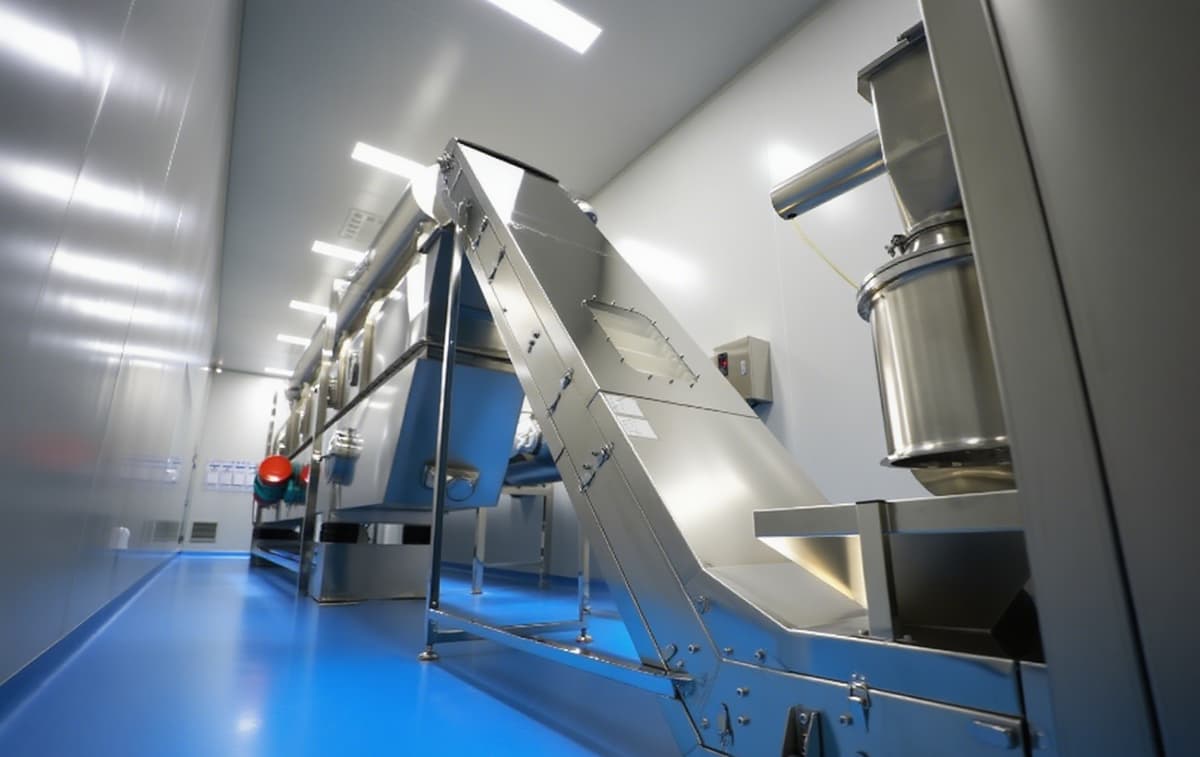
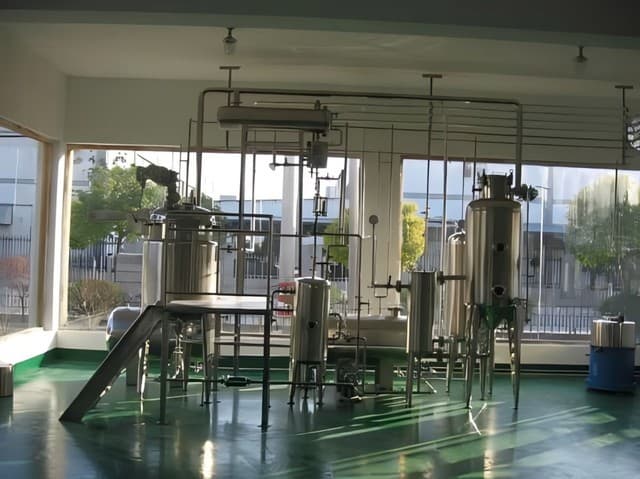
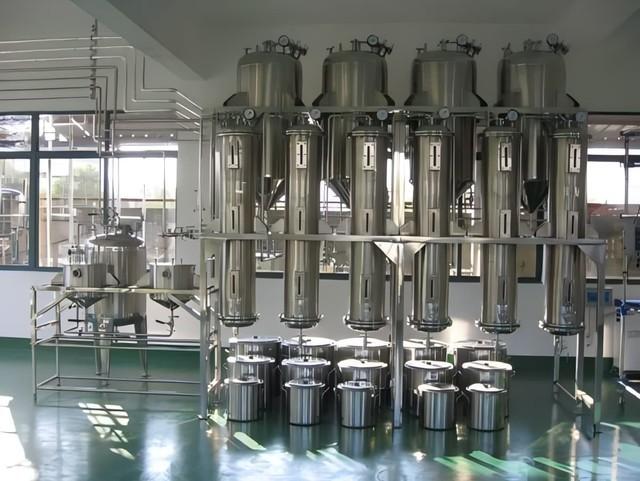
Purecium DIM is manufactured through a controlled synthetic route in facilities certified under ISO 9001 and FSSC 22000 food-safety programs. Production comprises the condensation reaction of indole with formaldehyde, followed by purification, crystallization, drying, sieving and final blending to specification, with each stage governed by written standard operating procedures.
In-process checks, documented cleaning and changeover procedures, and full batch numbering provide traceability from starting material to finished drums. Only food-grade solvents are used, with residual-solvent limits controlled well below regulatory thresholds, and environmental monitoring supports consistent output across campaigns.
Manufacturing capacity and lead times are managed to support both pilot-scale evaluation orders and ongoing contract manufacturing programs, with stability data supporting standard ambient shelf life in sealed packaging. Volume forecasts can be accommodated through scheduled production campaigns with documented batch traceability.
Applications of DIM
DIM is used across hormone-balance, women's wellness, men's health and sports-nutrition product categories, where it acts as a targeted modulator of estrogen metabolism rather than a hormone itself. This mechanism makes it a core ingredient for formulations targeting menopause relief, PMS mitigation, hormonal balance and estrogen-dominance support.
In men's health and fitness lines, DIM is valued as a natural aromatase-inhibition strategy to support healthy testosterone-to-estrogen balance, and it is a staple of bodybuilding and strength-sport supplement stacks. Its potent antioxidant properties also support cellular defense, protecting DNA and cellular structures from oxidative stress.
Finished formats include hard capsules and tablets for daily hormone-balance and antioxidant supplements, softgels and liposomal liquids where enhanced bioavailability is a priority, and powder blends for stick-pack and effervescent products. DIM is frequently combined with indole-3-carbinol and other cruciferous-derived actives in comprehensive hormone-balance formulas, and with antioxidant and detoxification-support ingredients in cellular-defense products.
Regulatory agencies and pharmacopoeial frameworks recognize DIM as a well-characterized dietary ingredient, and analytical methods follow current USP-NF expectations, giving finished-product brands a predictable compliance path across major markets.
Manufacturing & Quality Control
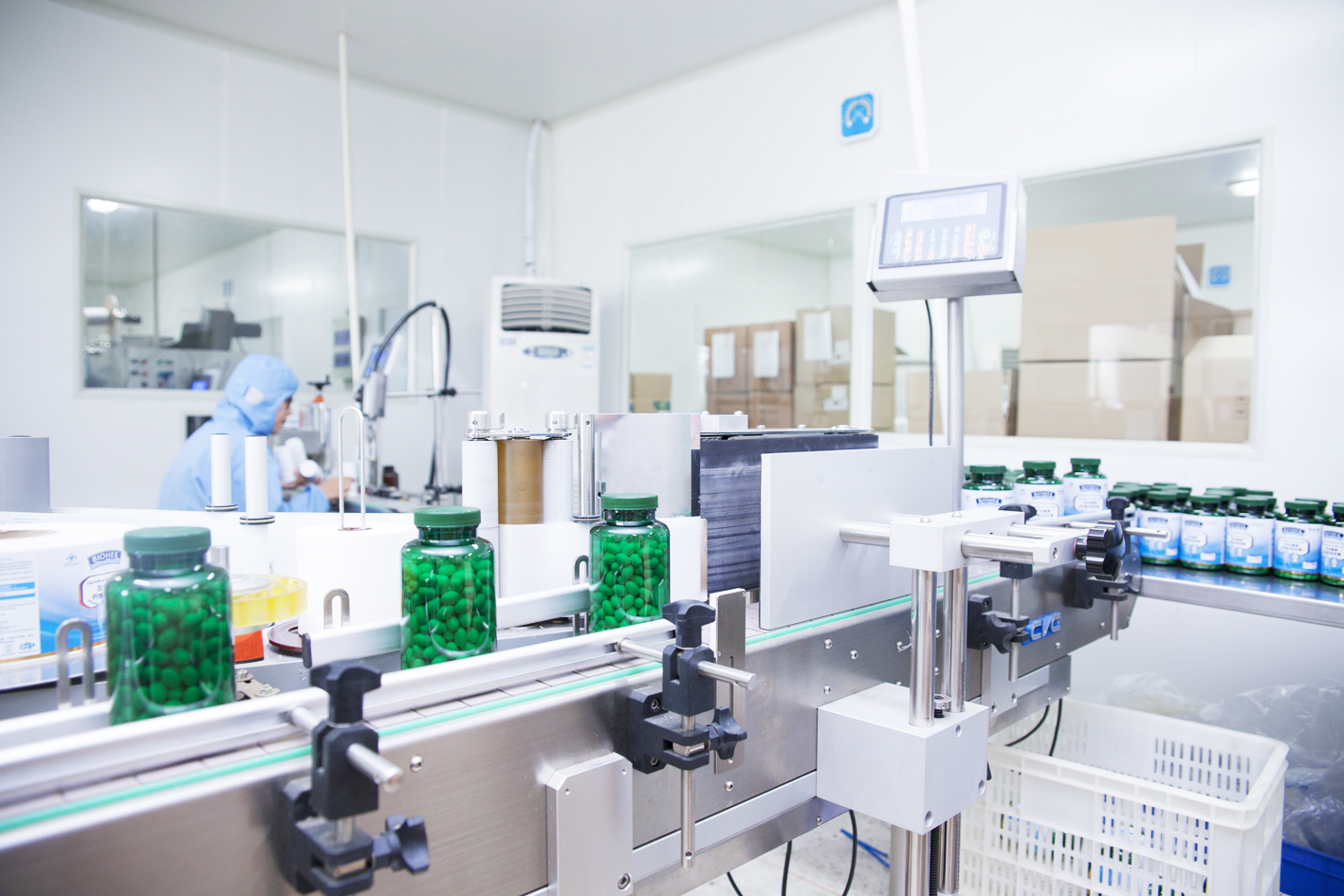
Quality control for Purecium DIM operates under ISO 9001 and FSSC 22000 food-safety systems in strictly audited facilities. Every production lot is released only after identity confirmation, HPLC assay, heavy-metal analysis, residual-solvent testing and microbiological examination, with methods aligned to current compendial practice.
Purecium engineers quality into every batch: absolute purity is standardized to at least 99.0% assay with zero botanical adulteration, solvent and heavy-metal control complies with EU requirements, and the powder is supplied in highly protective 25 kg bulk drums with moisture-barrier liners designed for global logistics.
Buyers receive a Certificate of Analysis, SDS and specification documentation with each shipment, and facility audits, batch records and additional technical documents are available during supplier qualification.
Batch-to-batch consistency is guaranteed across campaigns, with heavy metals and residual solvents strictly monitored for compliance with EU requirements and the expectations of major export markets. Purecium retains samples and complete batch records for each production lot, supporting customer audit programs and regulatory inquiries throughout the product lifecycle.
DIM for B2B Supplement Manufacturing
Purecium supplies bulk DIM to dietary supplement manufacturers, distributors, contract manufacturers and finished-product brands worldwide. Standard packaging is 25 kg per drum with moisture-barrier liners, and a flexible low MOQ supports pilot and launch volumes for emerging brands.
Procurement managers benefit from a resilient, transparent supply program: absolute purity standardization, rigorous FSSC 22000 and ISO 9001 compliance, ready-to-use packaging and documented batch traceability from synthesis to shipment. US, Canada and Mexico orders can be picked up from the Purecium US warehouse within two days, and global shipments dispatch from China within one week.
Technical support covers formulation guidance for capsules, tablets, softgels and liposomal systems, bioavailability-enhancement strategy, specification alignment and the documentation needed for supplier qualification in target markets. Samples for R&D evaluation are available on request, and bulk orders are dispatched by air or sea freight with full export documentation.
Reviewed by the Chief Quality Assurance / Regulatory Affairs Specialist at Purecium for technical accuracy and regulatory alignment.
DIM vs I3C: Related Indoles, Different Stability
DIM vs I3C. I3C (indole-3-carbinol) and DIM (diindolylmethane) are related indole compounds from cruciferous plants, but they are not equivalent raw materials. I3C is the plant-derived precursor, formed from glucosinolate breakdown. DIM is the principal condensation product formed from I3C in an acidic environment.
Stability and handling. I3C is acid-labile and can convert into several oligomeric products, which complicates standardisation. DIM is a defined single compound with a fixed molecular identity, making assay and batch-to-batch consistency more straightforward. This is why DIM is the more common commercial form for standardised products.
Selecting the grade. Purecium supplies DIM at 98% by HPLC as a crystalline powder. Identity is confirmed by standard methods, and specifications, COA and samples are available on request.
Frequently Asked Questions (FAQ) for B2B Buyers
Q1: What is the exact chemical purity of Purecium’s Diindolylmethane (DIM)?
A: Purecium supplies high-purity 3,3'-Diindolylmethane standardized to an absolute minimum of ≥ 99.0% purity. Every batch is rigorously verified via High-Performance Liquid Chromatography (HPLC) to ensure maximum potency for your dietary supplement formulations.
Q2: How does Purecium recommend formulators solve DIM's poor water solubility?
A: Because DIM is highly lipophilic (hydrophobic), we recommend CDMOs formulate our 99% powder into lipid-based softgels (suspended in MCT or sunflower oil) or pair it with proven bio-enhancers like Black Pepper Extract (Piperine / standardized black pepper extract (piperine 95%)) in hard capsules to significantly enhance gastrointestinal absorption.
Q3: What mesh sizes are available for different manufacturing applications?
A: We supply a standard 80-mesh fine powder optimized for dry blending and direct hard capsule encapsulation. For brands developing softgels, liquid suspensions, or liposomal delivery systems, we also supply customized micronized DIM powder to prevent settling and ensure uniform dispersion.
Q4: Is commercial bulk DIM extracted directly from cruciferous vegetables?
A: Extracting commercial quantities of DIM directly from vegetables is economically unfeasible and yields very low purity. Purecium’s DIM is produced via a highly advanced, nature-identical synthesis process, ensuring 99% purity, zero agricultural pesticide residue, and immense commercial scalability.
Q5: What are the primary mechanisms of action for DIM in supplements?
A: DIM actively modulates estrogen metabolism by promoting the conversion of potent, proliferative estrogens (like 16-alpha-hydroxyestrone) into beneficial, protective metabolites (such as 2-hydroxyestrone). This makes it a cornerstone ingredient for hormonal balance and cellular defense formulas.
Q6: What are the core target markets for DIM formulations?
A: Our B2B clients primarily utilize DIM for two high-growth sectors: Women’s Wellness (targeting menopause relief, PMS, and estrogen dominance) and Men’s Sports Nutrition (acting as a natural aromatase inhibitor to support healthy testosterone levels in bodybuilding).
Q7: How are residual solvents controlled during the manufacturing of your DIM?
A: We exclusively utilize food-grade solvents (such as anhydrous ethanol) during the synthesis and purification phases. Residual solvent levels are rigorously tested and tightly capped at < 5,000 ppm, fully conforming to strict USP (United States Pharmacopeia) safety standards.
Q8: Does your DIM comply with California Proposition 65 and EU heavy metal limits?
A: Yes. Our DIM strictly conforms to both EU and USP heavy metal limits: Lead < 0.5 ppm, Mercury < 0.1 ppm, Arsenic < 3 ppm, and Cadmium < 1 ppm. This guarantees our terminal brand partners can confidently distribute across all highly regulated global markets.
Q9: Do you offer white-label contract manufacturing for finished DIM products?
A: Purecium strictly operates as a B2B raw ingredient supplier. However, through our globally certified CDMO network, we can facilitate end-to-end white-label OEM/ODM services, including DIM hard capsules, softgels, and custom multi-ingredient blends.
Q10: What are the storage requirements and shelf life for bulk DIM?
A: To maintain its verified 99% HPLC purity, bulk DIM powder must be stored in a cool, dry environment, tightly sealed in its original moisture-barrier drums, and protected from direct light. Under these conditions, the shelf life is 24 months.
Q11: What is your Minimum Order Quantity (MOQ) and standard packaging?
A: Our standard commercial packaging is a 25kg net weight fiber drum featuring double food-grade polyethylene inner bags (40cm x 40cm x 50cm, Gross: 28 kg). The MOQ is 25 kg, though we accommodate smaller pilot batches for R&D formulation trials.
Q12: Can you provide batch-specific Certificates of Analysis (COAs) and stability data?
A: Absolutely. Every shipment includes a comprehensive COA detailing the HPLC potency assay, heavy metal profiles, microbial screening, and physical characteristics. We also supply robust accelerated and long-term stability data upon request.
Q13: What quality certifications do your manufacturing facilities hold?
A: Purecium's supply chain is engineered for global compliance. Our manufacturing facilities are fully audited and operate under ISO9001, Kosher, Halal, and FSSC22000 certifications.
Q14: What is the delivery timeframe for North American procurement teams?
A: For buyers located in the United States, Canada, and Mexico, we offer rapid 2-day pickup from our strategically located U.S. warehouses, as well as direct door-to-door freight fulfillment.
Q15: How are international bulk shipments to Europe and the UK handled?
A: All international bulk orders outside of North America are dispatched directly from our FSSC22000-certified facilities in China. By utilizing efficient air freight logistics, international deliveries are typically fulfilled within one week of order confirmation.
Q100: What is the difference between DIM and I3C for supplement formulations?
DIM (diindolylmethane, CAS 1968-05-4) and I3C (indole-3-carbinol, CAS 700-06-1) are related indole compounds from cruciferous vegetables, but they are different raw materials with different handling requirements, and the two are not simply interchangeable by weight. I3C is the plant-derived precursor formed when glucosinolates break down. It is acid-labile: in an acidic environment it condenses into several oligomeric products, and the ratio of those products is difficult to control. DIM is the principal condensation product formed from I3C under acidic conditions. Because DIM is a single defined compound with a fixed molecular identity, identity testing and batch-to-batch consistency are more straightforward — which is why DIM is the more common commercial form for standardised products. For formulation teams this leads to four differences that matter. First, standardisation: DIM can be supplied at a defined purity (typically 98–99% by HPLC), while I3C content is harder to hold to a tight specification because of the condensation behaviour. Second, processing: I3C requires more control over moisture and acidic excipients, whereas DIM is comparatively stable in standard dry-blend and encapsulation processes. Third, solubility: both compounds are lipophilic, so DIM is commonly formulated into lipid-based softgels or paired with absorption-enhancing systems for hard capsules. Fourth, documentation: each material carries its own identity and assay methods, so specification sheets are not transferable between them. Purecium supplies DIM at 98% minimum by HPLC as a crystalline powder, with micronised grades available for softgel and liquid-suspension applications. Batch COA and samples are available on request.
Parameter
DIM
I3C
CAS number
1968-05-4
700-06-1
Chemical identity
Single defined compound
Acid-labile precursor
Stability
Stable in standard dry blends
Condenses in acidic media
Standardisation
98–99% by HPLC
Harder to hold to tight spec
Processing control
Standard dry-blend and encapsulation
Moisture and acidic excipients
Solubility
Lipophilic; softgels or absorption systems
Lipophilic
Documentation
Own identity and assay methods
Not transferable from DIM
The comparison table above summarises the parameters that determine how each material is specified, dosed and documented in a finished formulation.
Q101. What is DIM (Diindolylmethane) and what are its primary health applications?
R: DIM (3,3'-Diindolylmethane) is an active metabolite of indole-3-carbinol (I3C) found in cruciferous vegetables like broccoli, cabbage, and kale. It is widely used in dietary supplements to support healthy estrogen metabolism, hormonal balance, acne control, and cellular health for both men and women.
Q102. What is the CAS number and molecular formula of Purecium's DIM raw material?
R: The CAS registry number for DIM is 1968-05-4, and its chemical formula is C14H11N2 with a molecular weight of 246.31 g/mol.
Q103. What is the minimum purity level guaranteed for Purecium DIM powder?
R: Purecium guarantees a minimum assay/purity of ≥99.0% for commercial batches of DIM, verified by high-performance liquid chromatography (HPLC) testing.
Q104. How does DIM support estrogen metabolism in the human body?
R: DIM promotes beneficial estrogen metabolism by encouraging the preferential hydroxylation of estrogen toward the favorable 2-hydroxyestrone pathway rather than the undesirable 16-alpha-hydroxyestrone pathway, helping maintain a balanced hormonal profile.
Q105. Is Purecium's DIM produced naturally or via chemical synthesis?
R: Purecium's DIM is produced through advanced chemical synthesis designed to replicate the exact molecular structure of plant-derived indoles, ensuring high purity, stability, and consistent batch reproducibility without agricultural contaminants.
Q106. What regulatory compliance and documentation are provided for EU and UK buyers?
R: We provide complete B2B documentation packages including Certificate of Analysis (COA), Safety Data Sheet (SDS), residual solvent reports, heavy metal testing results, and allergen/GMO-free statements suited for European compliance.
Q107. What are the recommended daily dosage ranges for finished DIM supplement formulations?
R: In commercial dietary supplements, daily doses of DIM typically range from 100 mg to 300 mg per day, depending on the targeted health outcome such as hormonal balance or fitness support.
Q108. How should DIM raw material be stored and what is its shelf life?
R: DIM powder should be stored in a cool, dry, well-ventilated area, tightly sealed in its original container away from light and excessive heat. Under recommended storage conditions, the shelf life is 24 months.
Q109. What packaging configurations are available for bulk commercial orders?
R: Standard commercial packaging consists of 25 kg fiber drums with double food-grade polyethylene inner bags. Custom packaging options are available upon request for contract manufacturers.
Q110. Can Purecium provide free sample quantities for laboratory testing and formulation trials?
R: Yes, Purecium offers complimentary analytical sample quantities (typically 50g to 100g) for qualified B2B clients, formulators, and research facilities to conduct laboratory testing.
Q111. What is the typical shipping lead time for orders destined for the EU and UK?
R: For items in stock, dispatch is typically processed within 3 to 5 business days. Express air courier or standard sea freight delivery to European Union destinations and the United Kingdom generally takes between 7 to 21 days.
Q112. Is DIM water-soluble, and what considerations are needed for capsule or tablet manufacturing?
R: DIM has low aqueous solubility and high lipophilicity. For optimal bioavailability in finished capsules or tablets, formulators often combine DIM with absorption enhancers such as phosphatidylcholine, piperine, or microencapsulation technologies.
Q113. Does DIM benefit men's health as well as women's health?
R: Yes, DIM is widely utilized in men's health formulations to help maintain healthy testosterone-to-estrogen balance, support prostate health, and assist fitness enthusiasts with lean muscle management.
Q114. How does Purecium ensure safety and compliance regarding heavy metals and contaminants?
R: Every batch of DIM undergoes rigorous multi-parameter testing by certified third-party laboratories to ensure heavy metals (Lead, Arsenic, Cadmium, Mercury) and microbial limits strictly comply with international pharmacopeia standards.
Q115. How can B2B procurement managers request commercial quotations or place orders?
R: B2B procurement professionals can submit inquiries directly through our official website portal at www.purecium.com or contact our sales team via email to receive prompt volume pricing, specifications, and commercial terms.
Q116. 16. What is the difference between DIM and I3C for supplement formulations?
R: DIM (diindolylmethane, CAS 1968-05-4) and I3C (indole-3-carbinol, CAS 700-06-1) are related indole compounds from cruciferous vegetables, but they are different raw materials with different handling requirements, and the two are not simply interchangeable by weight. I3C is the plant-derived precursor formed when glucosinolates break down. It is acid-labile: in an acidic environment it condenses into several oligomeric products, and the ratio of those products is difficult to control. DIM is the principal condensation product formed from I3C under acidic conditions. Because DIM is a single defined compound with a fixed molecular identity, identity testing and batch-to-batch consistency are more straightforward — which is why DIM is the more common commercial form for standardised products. For formulation teams this leads to four differences that matter. First, standardisation: DIM can be supplied at a defined purity (typically 98–99% by HPLC), while I3C content is harder to hold to a tight specification because of the condensation behaviour. Second, processing: I3C requires more control over moisture and acidic excipients, whereas DIM is comparatively stable in standard dry-blend and encapsulation processes. Third, solubility: both compounds are lipophilic, so DIM is commonly formulated into lipid-based softgels or paired with absorption-enhancing systems for hard capsules. Fourth, documentation: each material carries its own identity and assay methods, so specification sheets are not transferable between them. Purecium supplies DIM at 98% minimum by HPLC as a crystalline powder, with micronised grades available for softgel and liquid-suspension applications. Batch COA and samples are available on request.
Q16. What is the indicative bulk price of 3,3'-Diindolylmethane (DIM), and how is it quoted?
R: Bulk prices are quotation-based: the price per kg depends on grade/purity, packaging size and order volume, and every quotation states it for the requested grade and Incoterm (FOB Hong Kong, CIF or DDP). Figures published on this page are indicative reference values, not a binding offer; volume tiers, annual contracts and sample-to-bulk conversion are confirmed in the quotation.
Supplying buyers in North America, the European Union, Latin America, Asia and the Middle East
Purecium supplies 3,3'-Diindolylmethane (DIM) in bulk from Hong Kong, the United States and the European Union. Orders are quoted FOB, CIF or DDP as you prefer: air freight for urgent volumes, sea freight (full container or consolidated) for bulk quantities. Transit time, import requirements and duties are confirmed in each quotation.
For local registration, our technical package is filed with the authority in your market: EU-GMP partner manufacturing and Ph. Eur. / USP monograph testing for the European Union and the United Kingdom; COFEPRIS (Mexico), INVIMA (Colombia), ANMAT (Argentina), ISP (Chile) and ANVISA (Brazil) in Latin America; SFDA and Gulf documentation in the Middle East; BP, JP or ChP monographs in Asia. Every lot ships with a batch COA, TDS, SDS and GMP, ISO 9001, FSSC 22000, Kosher and Halal certificates.
Commercial support is available in English, Spanish and Chinese, and qualification samples are dispatched worldwide, with a response within 12 business hours.
INQUIRY FORM
Let's Discuss Your Needs
Request a bulk quotation or a free sample with COA: 25 kg minimum order, documentation (COA, TDS, SDS, GMP / ISO 9001 / FSSC 22000 / Kosher / Halal certificates) provided for evaluation, dispatched from our Hong Kong, United States and European Union facilities.
Address: Room 509, The cloud 111 Tung chua ST, Tai kok TSUI, HONG KONG.
Global network:
Hong Kong|Mainland China
EU: Netherlands
US: California| New York