

Grape Seed Extract (OPC 95% Proanthocyanidins)
Antioxidant OPC 95% Grape Extract
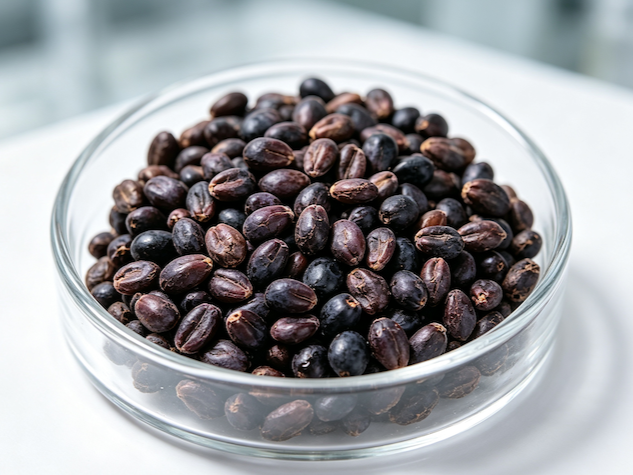
Grape Seed Extract
Purecium Grape Seed Extract is a standardized Vitis vinifera seed extract supplied as a B2B raw material with proanthocyanidins (OPC) 95% min quantified by UV on every batch. Oligomeric proanthocyanidins, the defining polyphenol fraction of grape seed, carry CAS 4852-22-6, molecular formula C30H26O13 and molecular weight 594.5 g/mol. Produced by food-grade water/ethanol extraction from verified grape seed, each batch is tested for identity, assay, heavy metals, pesticide residues and microbial limits. Allergen-free, gluten-free, non-GMO and vegan, it is packed in 25 kg drums with a 25 kg minimum order and full documentation for B2B buyers worldwide.
Buyer snapshot: MOQ 25 kg; stock held in the United States; stock held in the Netherlands (EU); 2-day pickup for North America; quotation response within 12 business hours. Quotation on request, samples dispatched worldwide.
Product name: Grape Seed Extract (OPC 95%)
Molecular formula: C30H26O13 (Proanthocyanidin)
Starting material: Vitis vinifera grape seed (water/ethanol extraction)
Grade: Food Grade
Heavy Metals: Conforms to USP/EP limits
Pesticide residue: Conforms to USP/EP limits
Packing size: 25kg/drum
CAS#: 4852-22-6 (Proanthocyanidin)
Molecular weight: 594.5 g/mol (Proanthocyanidin)
Source: Grape seed extract
Specification: Proanthocyanidins (OPC) 95% min (UV)
Country of origin: China
Residual solvent: Conforms to USP/EP limits
Allergen free/Gluten-free/Non-GMO/Vegan/Non-Irradiation:

Grape Seed Extract Overview
Grape seed extract is a standardized botanical ingredient obtained from the seeds of Vitis vinifera, the common grape, and is used in dietary supplements for antioxidant, cardiovascular and skin health support. Its defining quality marker is the oligomeric proanthocyanidin fraction, or OPC, which carries CAS 4852-22-6, molecular formula C30H26O13 and molecular weight 594.5 g/mol. OPC content is the assay point by which grape seed extract quality is standardized.
For the dietary supplement industry, grape seed extract is used in antioxidant protection, cardiovascular wellness, skin health and healthy-aging formulas. Purecium supplies grape seed extract standardized to proanthocyanidins 95% min by UV, sold exclusively as a B2B raw material for distributors, contract manufacturers, private-label producers and finished supplement brands.
Source & Ingredient Identity
Purecium Grape Seed Extract is produced from the seeds of Vitis vinifera sourced from verified wine and table grape processing, extracted with food-grade water or ethanol under controlled temperature, concentrated and dried to a fine powder. Botanical identity is confirmed by macroscopic examination together with analytical fingerprinting against authenticated reference material, and the extract is standardized to the declared OPC assay.
The declared assay is proanthocyanidins 95% min by UV, expressed interchangeably in the trade as 95% OPC (oligomeric proanthocyanidins). For B2B buyers, the critical purchasing checks are the OPC assay and the monomer-to-polymer distribution on the Certificate of Analysis, the extraction solvent, residual solvent, and the heavy metal and pesticide profile of the seed source.
Key Characteristics of Grape Seed Extract
1. High OPC concentration for small dosage forms. The defining characteristic of this grade is its proanthocyanidin content of 95% min, one of the highest standardized levels in the botanical extract market, which allows effective dosing in small capsules and tablets.
2. Studied antioxidant and vascular support. Grape seed proanthocyanidins are among the most studied botanical polyphenols; published research indicates support for antioxidant defense, endothelial and cardiovascular health, and skin elasticity, and regulatory reviews in Europe have assessed grape seed preparations in a traditional-use context. Finished-product claims should follow the regulations of the destination market.
3. Clean, stable powder profile. The extract is a free-flowing fine powder that is non-GMO, allergen-free, gluten-free and vegan, with a mild astringent note readily masked in capsules and tablets. It blends cleanly into antioxidant, cardiovascular and skin health formulas.
Grape Seed Extract Manufacturing
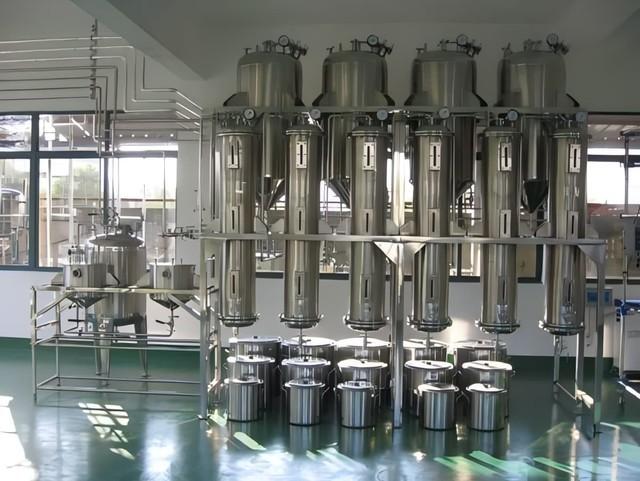
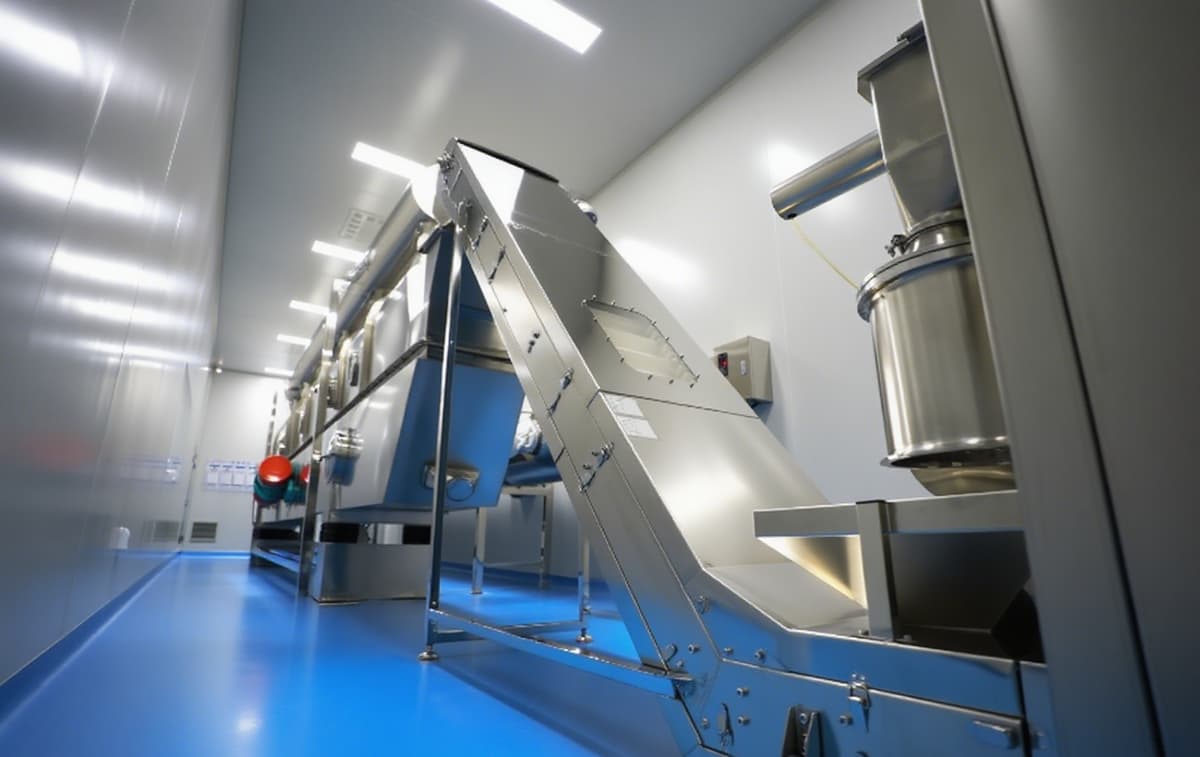
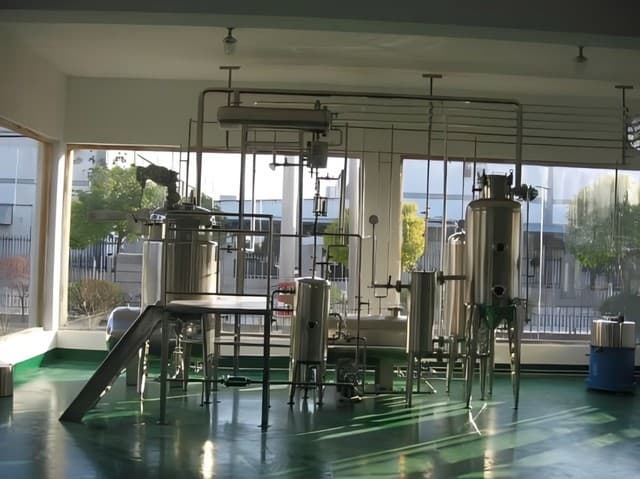
The manufacturing process begins with selection and quality testing of Vitis vinifera grape seed, followed by extraction with food-grade water or ethanol under controlled temperature to preserve the proanthocyanidin profile, clarification, concentration, and spray or vacuum drying to a fine powder. The extract is then standardized to the declared OPC assay, and every stage is process-controlled with in-process checks on solvent, temperature and drying parameters.
Each finished lot is tested for proanthocyanidins by UV together with identification, residual solvent, heavy metals, pesticide residues and microbial limits, all reported on the batch Certificate of Analysis. Each lot is traceable from seed lot to finished drum, and analytical methods follow the current USP-NF and European Pharmacopoeia approaches for botanical extracts where applicable.
Applications of Grape Seed Extract
Antioxidant support is the primary application of grape seed extract. Mechanistically, proanthocyanidins are potent polyphenolic antioxidants studied for their support of cellular antioxidant defense and for protecting vascular tissues from oxidative stress; published clinical studies suggest support for cardiovascular wellness, healthy circulation and skin health. Typical supplement servings range from 100 mg to 300 mg of extract per day, often standardized to 95% OPC.
Cardiovascular and skin health formulas form the second cluster. Grape seed extract is used in heart-health and circulation blends alongside omega-3s, CoQ10 and resveratrol, and in skin health and healthy-aging products for collagen support and elasticity. The extract suits capsules, tablets, stick-packs and powders.
Formulators should note that 95% OPC extract has a mild astringent taste, which is typically masked in capsules or balanced with flavors in drink mixes. The high OPC concentration makes it suitable for once-daily low-dosage formats.
Manufacturing & Quality Control
Purecium Grape Seed Extract is produced in facilities operating under ISO 9001 and FSSC 22000 certified quality systems, with Kosher and Halal certification available. Analytical methods follow the current USP-NF and European Pharmacopoeia approaches for botanical extracts, with proanthocyanidin quantification by UV on every released batch.
Each commercial lot is fully traceable from seed lot to finished drum, and the batch is released only when identity, assay, residual solvent, heavy metals, pesticide residues and microbial results are all within specification. Alongside the CoA, Purecium provides the specification sheet, SDS, allergen and gluten statements, non-GMO declarations and stability data on request.
Grape Seed Extract for B2B Supplement Manufacturing
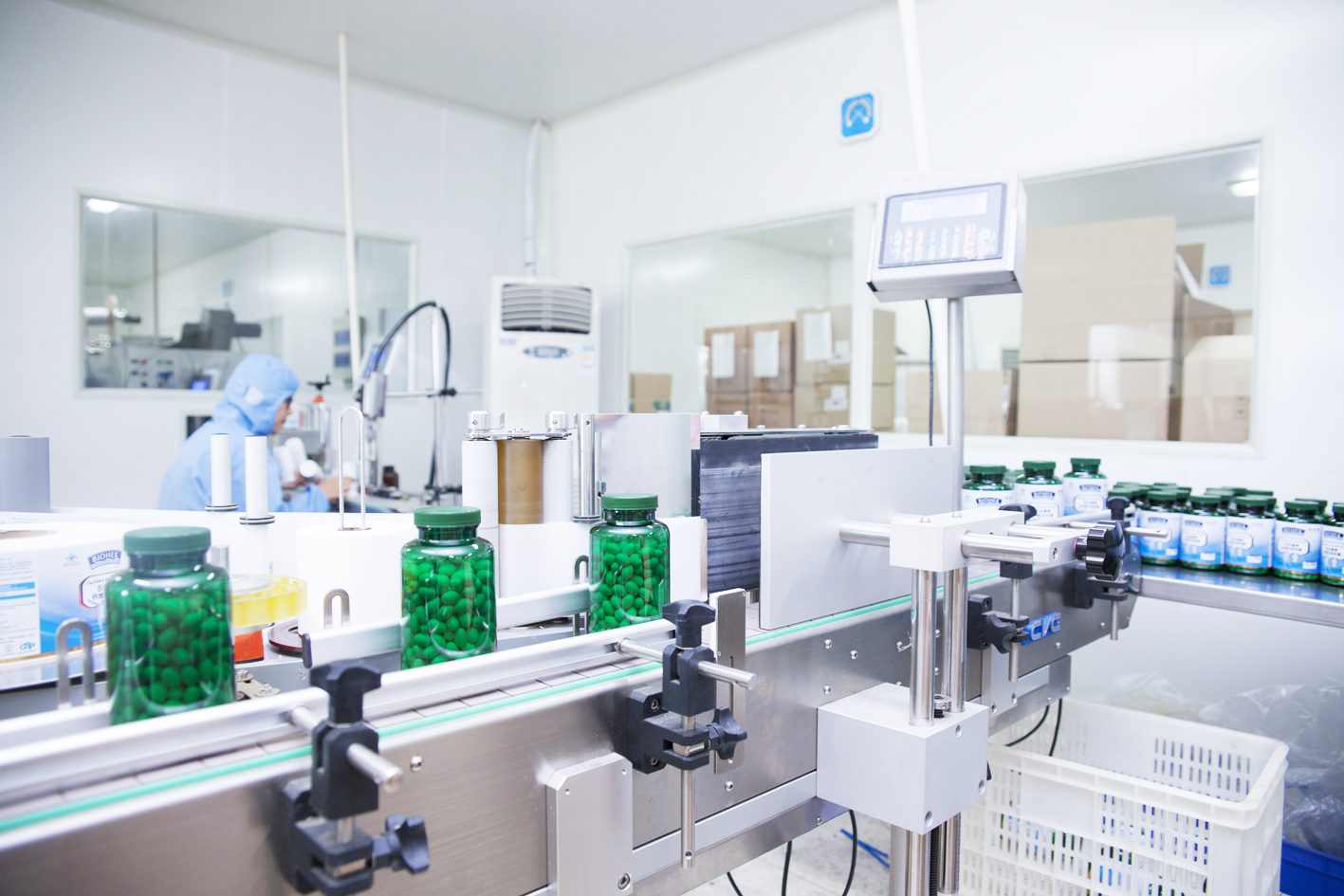
Purecium supplies Grape Seed Extract exclusively as a B2B raw material for distributors, contract manufacturers, private-label producers and finished supplement brands. The minimum order quantity is 25 kg; the extract is packed in 25 kg drums with food-grade aluminum-foil inner bags, and samples and full documentation are available before commitment.
For North American customers, inventory is staged at Purecium's US warehouse, enabling pickup or delivery within approximately two days. Global delivery covers Hong Kong, mainland China, the EU and other regions, with export documentation prepared for every shipment. Purecium also provides grade selection guidance and technical and regulatory communication to move grape seed extract from ingredient selection to commercial formulation.
Reviewed by the Chief Quality Assurance / Regulatory Affairs Specialist at Purecium for technical accuracy and regulatory alignment.
How does bulk Grape Seed Extract compare with Resveratrol, Pine Bark Extract, and Pomegranate Extract in formulation, dosing, handling, and regulatory status?
Grape Seed Extract (GSE) is standardized to oligomeric proanthocyanidins (OPC), typically 95% OPC by UV or 70-95% by HPLC, with CAS 84929-27-1 for the extract and 29106-49-8 for the representative procyanidin B2. Resveratrol (CAS 501-36-0) is a stilbenoid, Pine Bark Extract (CAS 84929-27-1, shared with GSE due to similar polyphenolic profile) is standardized to 95% OPC, and Pomegranate Extract (CAS 84961-57-9) is standardized to punicalagins or ellagic acid. Chemical classes differ: GSE and Pine Bark are proanthocyanidin-rich, Resveratrol is a stilbene, and Pomegranate is ellagitannin-based. Typical doses in finished products: GSE 100-300 mg/day, Resveratrol 100-500 mg/day, Pine Bark 100-300 mg/day, Pomegranate 200-500 mg/day. Solubility: GSE is water-soluble, Resveratrol is poorly water-soluble, Pine Bark is water-soluble, Pomegranate is water-soluble. Stability: GSE and Pine Bark are hygroscopic and sensitive to oxidation; Resveratrol is light-sensitive; Pomegranate is sensitive to pH and heat. Regulatory status: all are generally recognized as safe (GRAS) or permitted as food ingredients in the US and EU, but specific claims are restricted. Supply forms: GSE and Pine Bark as fine powders, Resveratrol as crystalline powder, Pomegranate as spray-dried powder. Documentation: GSE and Pine Bark require OPC assay, Resveratrol requires trans-resveratrol assay, Pomegranate requires punicalagin assay. For bulk B2B, GSE offers a balance of water solubility, moderate dose, and established supply chain, but formulators should consider Resveratrol for lipophilic systems, Pine Bark as a similar alternative, and Pomegranate for ellagitannin-specific applications.Comparison in table form.
The table below sets out the parameters that determine how each material is specified, dosed and documented in a finished formulation.Parameter
Grape Seed Extract
Resveratrol
Pine bark extract
CAS number
84929-27-1
501-36-0
84929-27-1
Chemical class
Proanthocyanidins (OPC)
Stilbenoid
Proanthocyanidins (OPC)
Typical dose
100-300 mg/day
100-500 mg/day
100-300 mg/day
Solubility
Water-soluble
Poorly water-soluble
Water-soluble
Stability
Hygroscopic, oxidation-sensitive
Light-sensitive
Hygroscopic, oxidation-sensitive
Regulatory status
GRAS/food ingredient
GRAS/food ingredient
GRAS/food ingredient
Supply form
Fine powder
Crystalline powder
Fine powder
Documentation
OPC assay, HPLC
trans-Resveratrol assay
OPC assay, HPLC