

Vitamin B1 (Thiamine HCL)
Energy Metabolism and Cardiovascular Support
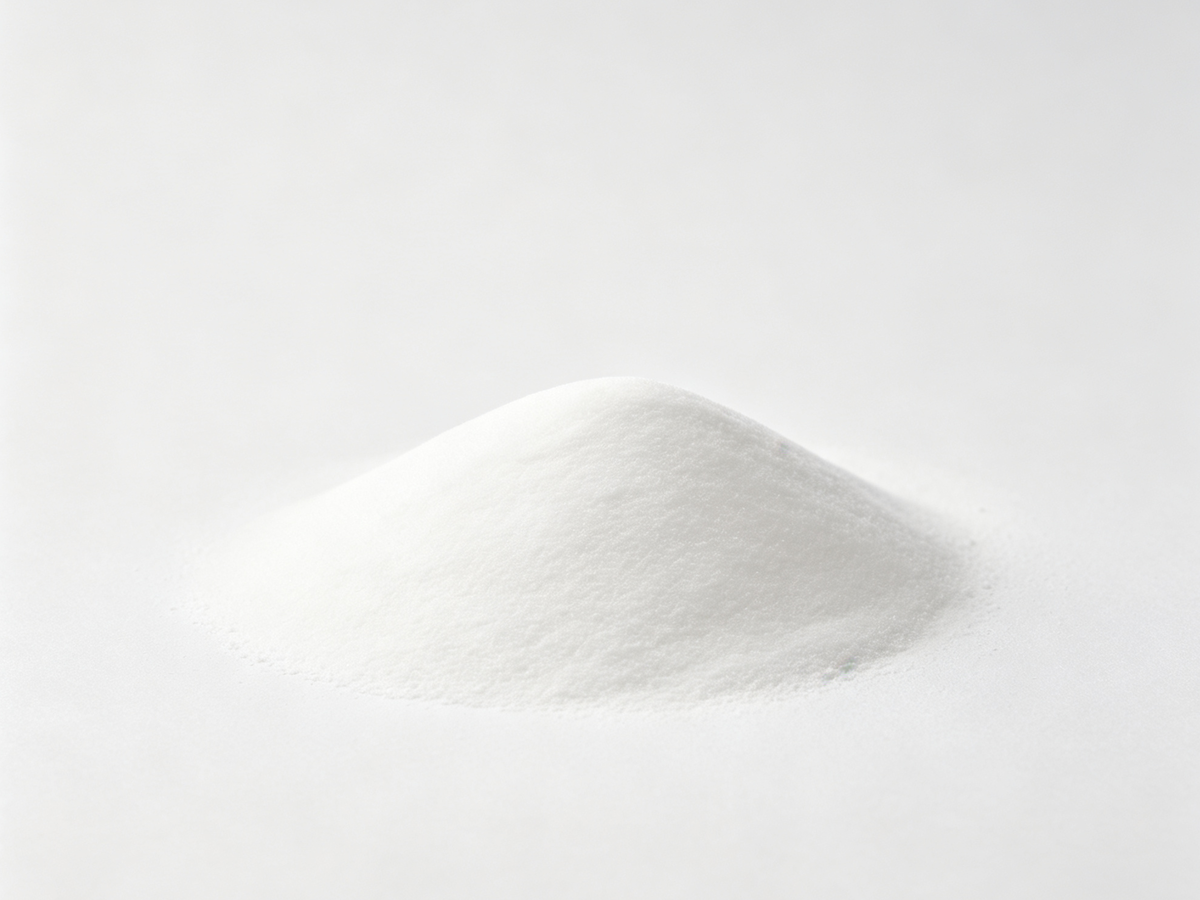
Vitamin B1 (Thiamine HCL)
Purecium Vitamin B1 Thiamine Hydrochloride is a white, free-flowing crystalline powder for energy-yielding metabolism, heart function and nervous system support formulations. Identified by CAS number 67-03-8 with molecular formula C12H17ClN4OS-HCl and molecular weight 337.27 g/mol, our synthetic thiamine HCL is produced to USP, EP and FCC standards with a 98.0% minimum assay, HPLC-verified on every batch. Allergen-free, gluten-free, non-GMO and vegan, it is packed in 25 kg drums with a 25 kg minimum order, staged at our US warehouse, and supported by regulatory documentation for distributors, contract manufacturers and supplement brands worldwide.
Product name: Vitamin B1 (Thiamine HCL)
Molecular formula: C12H17ClN4OS-HCl
Starting material: Synthetic route (chemical synthesis)
Grade: USP / EP / FCC
Heavy Metals: Conforms to USP/EP
Pesticide residue: Conforms to USP/EP
Packing size: 25kg/drum
CAS#: 67-03-8
Molecular weight: 337.27 g/mol
Source: Synthetic (thiamine hydrochloride)
Specification: 98.0%-101.5% assay (USP), white crystalline powder
Country of origin: China
Residual solvent: Conforms to USP/EP
Allergen free/Gluten-free/Non-GMO/Vegan/Non-Irradiation:

Vitamin B1 (Thiamine HCL) Overview
Vitamin B1, or thiamine, is the water-soluble vitamin that acts as the precursor of thiamine pyrophosphate (TPP), the coenzyme for the oxidative decarboxylation of pyruvate and alpha-ketoglutarate and for the transketolase reaction in the pentose phosphate pathway. The commercial form Thiamine Hydrochloride is identified by CAS number 67-03-8, molecular formula C12H17ClN4OS-HCl and molecular weight 337.27 g/mol, and is the stable, crystalline salt defined in the USP-NF, European Pharmacopoeia and FCC monographs.
For the dietary supplement industry, vitamin B1 is a core nutrient in energy, cardiovascular, cognitive and nervous system products, and it is a mandatory component of B-complex and multivitamin systems. Purecium supplies Thiamine Hydrochloride as a white, free-flowing crystalline powder standardized to 98.0% minimum assay, sold exclusively as a B2B raw material for distributors, contract manufacturers, private-label producers and finished supplement brands.
Source & Ingredient Identity
Purecium Thiamine Hydrochloride is manufactured by a fully synthetic route: a pyrimidine intermediate and a thiazole intermediate are condensed in a controlled reaction to form the thiamine molecule, which is then converted to the hydrochloride salt and purified by crystallization. The synthetic route produces a stable, high-purity white crystalline powder with a slight characteristic odor, free from animal-derived input and fully vegan, and it is the standard production route for commercial thiamine worldwide.
One specification is offered under this product line: Thiamine Hydrochloride USP grade, 98.0% to 101.5% assay on a dried basis, conforming to USP, EP and FCC monographs, produced in China and non-irradiated, with no allergens, no gluten and no GMO material. For B2B buyers, the critical purchasing checks are the assay on the Certificate of Analysis, the crystalline form (which affects flow and compression), the chloride content confirming the hydrochloride salt, and the declared impurity profile, since degradation products are controlled in pharmacopeial monographs.
Key Characteristics of Vitamin B1 (Thiamine HCL)
1. Energy metabolism core. After phosphorylation to thiamine pyrophosphate, thiamine is the coenzyme of pyruvate dehydrogenase, alpha-ketoglutarate dehydrogenase and transketolase, the reactions that link carbohydrate metabolism to the citric acid cycle and the pentose phosphate pathway, supporting normal energy-yielding metabolism as recognized by EFSA.
2. Heart and nervous system support. EFSA has authorized claims that thiamine contributes to the normal functioning of the heart and the normal functioning of the nervous system, alongside normal psychological function, making it a standard ingredient in cardiovascular, cognitive and nerve-support formulas.
3. Regulatory-clear and consumer-safe. The FDA sets a Daily Value of 1.2 mg for thiamine and has established no upper intake level, reflecting its wide safety margin as a water-soluble vitamin, and the NIH Office of Dietary Supplements documents thiamine's role in energy metabolism and the consequences of deficiency.
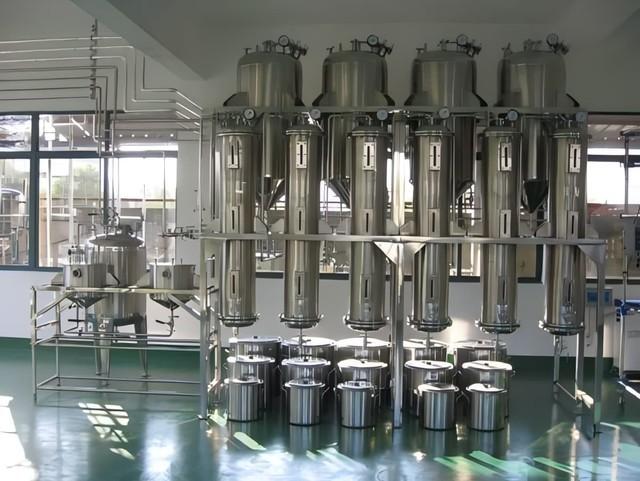
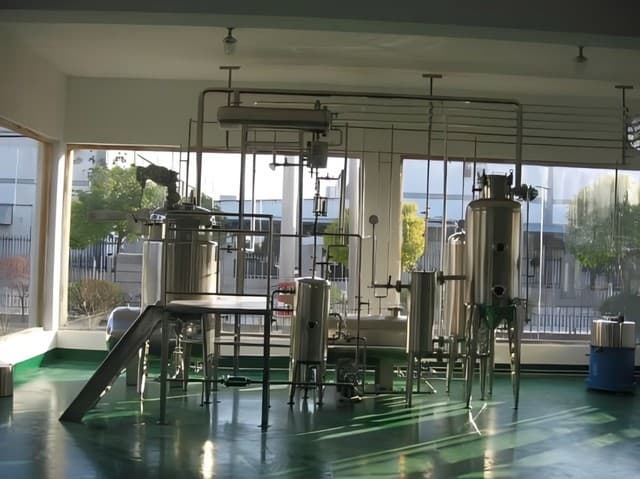
Vitamin B1 (Thiamine HCL) Manufacturing
The manufacturing process follows a synthetic route: pyrimidine and thiazole intermediates are condensed under controlled conditions to form thiamine, after which the free base is converted to the hydrochloride salt with hydrochloric acid and purified by decolorization, crystallization and drying. The finished crystals are screened to a defined particle-size profile, and the lot is assayed by HPLC against the USP-NF and European Pharmacopoeia monographs for thiamine hydrochloride.
Every production stage is process-controlled, and each finished lot is verified by HPLC before release. Related substances, heavy metals, residual solvents, moisture, chloride content, sulfated ash and microbiological results are reported on the batch Certificate of Analysis. Because thiamine is heat-sensitive in solution, the crystalline powder is packed in moisture-barrier liners, and each lot is traceable from starting material to finished drum.
Applications of Vitamin B1 (Thiamine HCL)
Energy metabolism and heart and nervous system support are the primary applications of thiamine. Mechanistically, thiamine pyrophosphate is the coenzyme for the oxidative decarboxylation of pyruvate and alpha-ketoglutarate and for transketolase, so it is required for the conversion of carbohydrates into usable energy, for the citric acid cycle and for the pentose phosphate pathway that supports biosynthetic reactions. Through these pathways, thiamine contributes to normal energy-yielding metabolism, normal functioning of the heart, normal functioning of the nervous system and normal psychological function, all recognized by EFSA as authorized claims.
These mechanisms underpin its classic use in energy and sports-nutrition products, cardiovascular support blends, cognitive and nerve-health formulas, digestive enzymes and B-complex and multivitamin systems. Peer-reviewed research has examined thiamine in energy metabolism, cognitive and cardiac contexts extensively, and adequate intake levels are established by the FDA and other regulatory agencies. Finished-product claims should always follow the regulations of the destination market.
Thiamine HCL is compatible with tablets, hard capsules, gummies, sachets and powder blends, and pairs naturally with magnesium, CoQ10 and the full B-complex family in energy and cardiovascular products. The free-flowing crystalline powder gives B2B buyers full flexibility across dry dosage forms, and a direct-compression granular grade is available for high-speed tableting lines.
Manufacturing & Quality Control
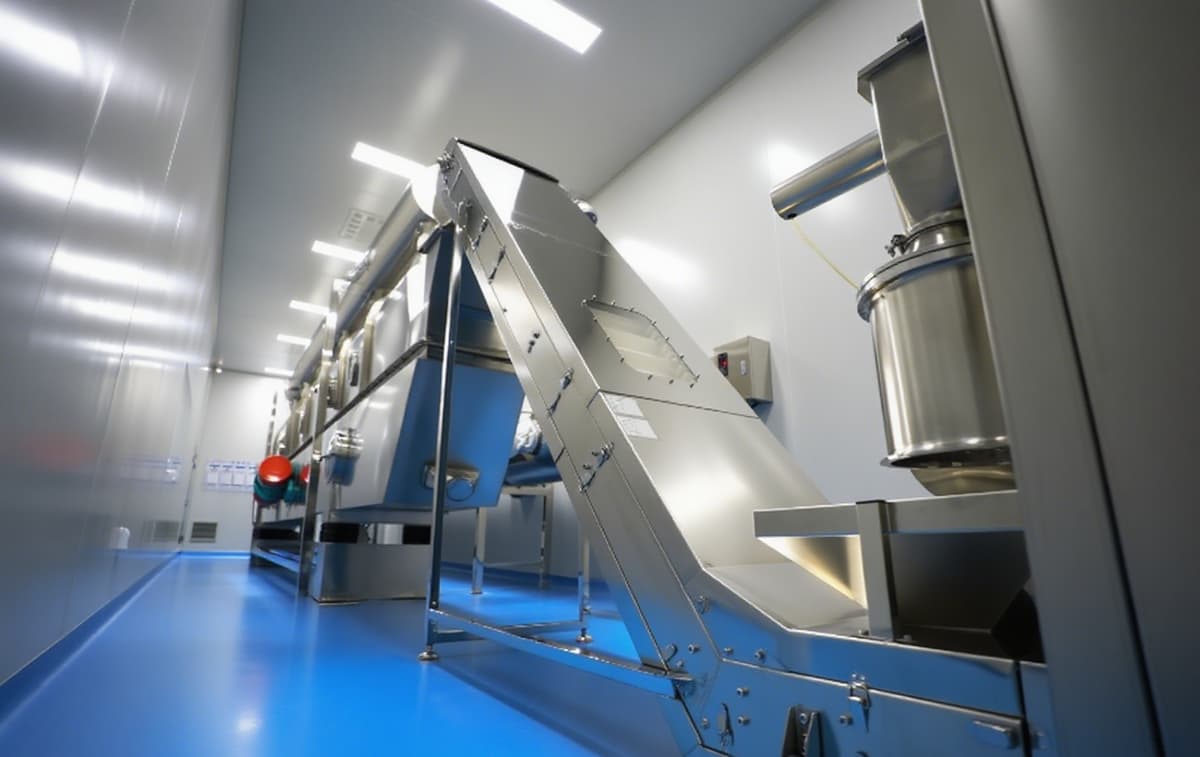
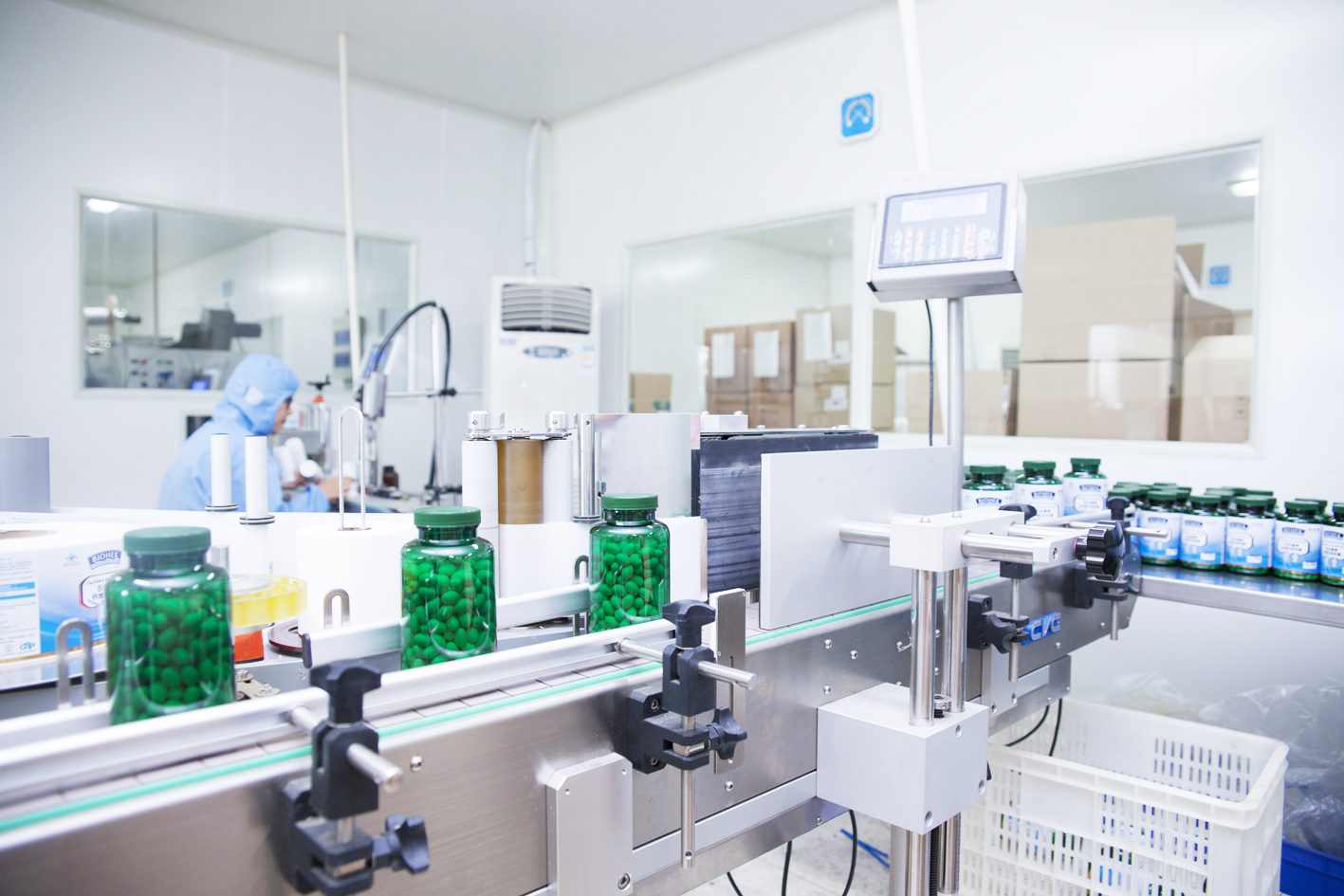
Purecium Thiamine Hydrochloride is produced in facilities operating under ISO 9001 and FSSC 22000 certified quality systems, with Kosher and Halal certification available. Analytical methods follow the current USP-NF and European Pharmacopoeia monographs for Thiamine Hydrochloride, and each batch is assayed by HPLC for content. Routine release testing covers identification, assay (98.0% to 101.5% on dried basis), related substances, chloride content, moisture, sulfated ash, heavy metals, residual solvents and microbial limits, with results documented on a batch-specific Certificate of Analysis.
Each commercial lot is fully traceable from starting material to finished drum. Alongside the CoA, Purecium provides the specification sheet, SDS, allergen and gluten statements, non-GMO declarations and stability data on request, giving buyers the documentation needed for raw-material approval and finished-product registration.
Vitamin B1 (Thiamine HCL) for B2B Supplement Manufacturing
Purecium supplies Thiamine Hydrochloride exclusively as a B2B raw material for distributors, contract manufacturers, private-label producers and finished supplement brands. The minimum order quantity is 25 kg. The powder is packed in 25 kg drums with food-grade aluminum-foil inner bags, and samples and full documentation are available before commitment.
For North American customers, inventory is staged at Purecium's US warehouse, enabling pickup or delivery within approximately two days. Global delivery covers Hong Kong, mainland China, the EU and other regions, with export documentation prepared for every shipment. Purecium also supports custom mesh sizing for direct-compression applications and provides technical and regulatory communication to move thiamine from ingredient selection to commercial formulation.
Reviewed by the Chief Quality Assurance / Regulatory Affairs Specialist at Purecium for technical accuracy and regulatory alignment.
How does bulk Vitamin B1 Thiamine HCl compare with Benfotiamine and Thiamine mononitrate in formulation, dosing, handling, and regulatory terms?
Thiamine HCl (CAS 67-03-8) is the hydrochloride salt of thiamine, a water-soluble B1 vitamer. Benfotiamine (CAS 22457-89-2) is a synthetic S-acyl derivative, while thiamine mononitrate (CAS 532-43-4) is the nitrate salt. In bulk B2B formulation, the choice depends on solubility, stability, and intended dosage form. Thiamine HCl is freely soluble in water, making it suitable for aqueous processing and liquid or powder blends. Benfotiamine is poorly water-soluble but lipid-soluble, often used in solid dosage forms for enhanced tissue penetration. Thiamine mononitrate is less soluble than the HCl salt and is preferred in dry applications where nitrate stability is acceptable. Typical dosages vary by application. Thiamine HCl is commonly dosed at 1–10 mg per serving in dietary supplements, with higher amounts up to 100 mg in some therapeutic or food fortification contexts. Benfotiamine is typically used at 50–300 mg per day in clinical studies, reflecting its distinct pharmacokinetics. Thiamine mononitrate is dosed similarly to thiamine HCl, often at 1–10 mg in fortified foods. Formulators should adjust based on target label claims and bioavailability requirements. Handling and stability differ. Thiamine HCl is hygroscopic and sensitive to light, heat, and alkaline conditions; it should be stored in sealed containers away from moisture. Benfotiamine is more stable but still requires protection from light and heat. Thiamine mononitrate is relatively stable in dry conditions but can be affected by reducing agents. All three are generally recognized as safe (GRAS) for food use and permitted in dietary supplements in many regions, but specific regulatory status varies by country. Documentation typically includes certificate of analysis, safety data sheet, and sometimes halal or kosher certificates. Bulk suppliers should provide full traceability and compliance with relevant pharmacopeia monographs.Comparison in table form.
The table below sets out the parameters that determine how each material is specified, dosed and documented in a finished formulation.Parameter
Vitamin B1 Thiamine HCl
Benfotiamine
Thiamine mononitrate
CAS number
67-03-8
22457-89-2
532-43-4
Chemical class
Thiamine hydrochloride salt
S-acyl thiamine derivative
Thiamine nitrate salt
Typical dose
1–10 mg (supplements); up to 100 mg
50–300 mg per day
1–10 mg (fortification)
Solubility
Freely soluble in water
Poorly soluble in water; lipid-soluble
Slightly soluble in water
Stability
Hygroscopic; sensitive to light, heat, alkali
More stable; protect from light and heat
Stable in dry conditions; avoid reductants
Regulatory status
GRAS; permitted in supplements/food
Permitted in supplements in many regions
GRAS; permitted in food fortification
Supply form
Crystalline powder
Crystalline powder
Crystalline powder
Documentation
CoA, SDS, halal/kosher available
CoA, SDS, halal/kosher available
CoA, SDS, halal/kosher available
Supplying buyers in North America, the European Union, Latin America, Asia and the Middle East
Purecium supplies Vitamin B1 (Thiamine HCL) in bulk from Hong Kong, the United States and the European Union. Orders are quoted FOB, CIF or DDP as you prefer: air freight for urgent volumes, sea freight (full container or consolidated) for bulk quantities. Transit time, import requirements and duties are confirmed in each quotation.
For local registration, our technical package is filed with the authority in your market: EU-GMP partner manufacturing and Ph. Eur. / USP monograph testing for the European Union and the United Kingdom; COFEPRIS (Mexico), INVIMA (Colombia), ANMAT (Argentina), ISP (Chile) and ANVISA (Brazil) in Latin America; SFDA and Gulf documentation in the Middle East; BP, JP or ChP monographs in Asia. Every lot ships with a batch COA, TDS, SDS and GMP, ISO 9001, FSSC 22000, Kosher and Halal certificates.
Commercial support is available in English, Spanish and Chinese, and qualification samples are dispatched worldwide, with a response within 12 business hours.