Bulk Spirulina Powder for Dietary Supplement Manufacturing
GMP-Certified, HACCP-Compliant Production with Full Traceability
Spirulina
Protein-Rich Antioxidant Superfood
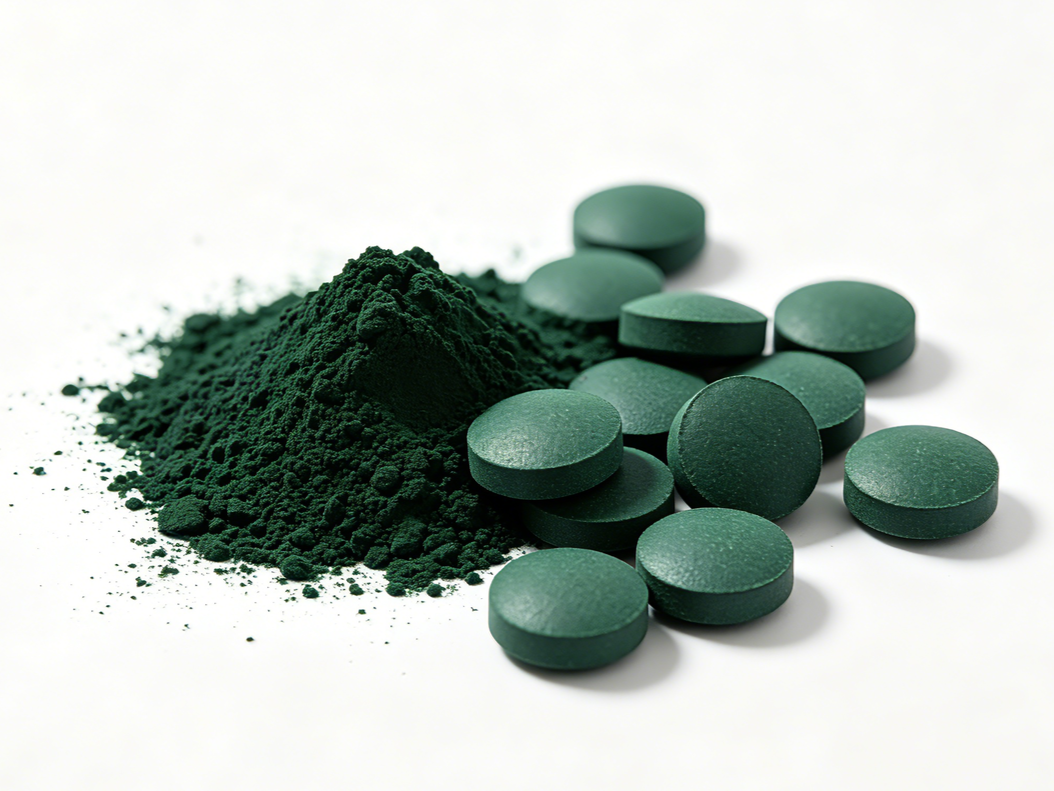
Spirulina
Purecium supplies pharmaceutical-grade Spirulina powder engineered for dietary supplement manufacturers, private label brands, and contract packers worldwide. Sourced from controlled cultivation ponds and processed under strict GMP and HACCP protocols, our Spirulina delivers consistent phycocyanin content, high protein density, and verified purity batch after batch. Every lot ships with a full Certificate of Analysis covering heavy metals, microbiological limits, and nutritional profile, ensuring regulatory readiness for the US, EU, and international markets. Whether you need raw powder, custom particle sizing, or private-label-ready documentation, Purecium's scalable supply chain and responsive B2B support make us a dependable long-term ingredient partner.
Buyer snapshot: free samples with COA; FOB Hong Kong / CIF / DDP; stock held in the United States; 2-day pickup for North America; per-batch COA / TDS / SDS; quotation response within 12 business hours. Quotation on request, samples dispatched worldwide.
Product name: Spirulina powder
Molecular formula: NA
Starting material: Closed environment aquaculture
Grade: Food grade
Heavy Metals: USP
Pesticide residue: USP/EP
Packing size: 25kg/drum
Spirulina powder
Spirulina tablet
Organic spirulina powder
Organic spirulina tablet
Latin name: Spirulina Platensis
Molecular weight: NA
Source: Natural
Specification: Pure spirulina powder
Country of origin: China
Residual solvent: USP/EP
Allergen free/Gluten-free/Non-GMO/Vegan/Non-Irradiation

Spirulina Overview
Purecium Spirulina Powder is a nutrient-dense, blue-green microalgae ingredient derived from Arthrospira platensis, cultivated specifically for use as a raw material in dietary supplements, functional foods, and nutraceutical formulations. As a B2B ingredient supplier, Purecium serves distributors, contract manufacturers (CMOs/CDMOs), and finished-product brands seeking a consistent, well-documented, and scalable source of Spirulina for capsules, tablets, powders, gummies, and beverage applications.
Our Spirulina is cultivated in controlled, monitored growth environments to ensure batch-to-batch consistency in key quality markers, including protein content, phycocyanin concentration, and chlorophyll levels. The finished powder is characterized by its deep blue-green color, fine particle uniformity, and mild flavor profile, making it suitable for a wide range of downstream formulation needs, from raw bulk powder to customized particle-size specifications for tableting or encapsulation.
Primary Applications
Spirulina powder is widely used across the dietary supplement and functional food industries for the following categories:
General nutritional support supplements — capsules and tablets marketed as multi-nutrient or "superfood" products
Sports nutrition and protein blends — due to Spirulina's naturally high protein content (typically 55–70% by dry weight) and complete amino acid profile
Immune and antioxidant support formulations — leveraging Spirulina's phycocyanin and carotenoid content
Functional beverages and green powder blends — used as a colorant and nutrient-dense additive
Plant-based/vegan protein product lines — as an alternative protein source free of animal-derived ingredients
Research context (mechanism-level, non-attributed): Published nutritional science literature has examined Spirulina's constituent compounds — particularly phycocyanin, a pigment-protein complex unique to blue-green algae — for their antioxidant activity, attributed to free-radical scavenging properties observed in laboratory and preclinical models. Spirulina's polysaccharide and protein fractions have also been studied in the context of general immune modulation pathways. It's important to note that Spirulina is regulated globally as a dietary ingredient/food, not a drug, and Purecium does not make disease-treatment or diagnostic claims; any health-related positioning should be substantiated independently by the brand owner in accordance with the regulatory framework of their target market (e.g., FDA DSHEA in the US, EFSA health claim regulations in the EU).
Mechanism of Action (General, Non-Proprietary)
At a compositional level, Spirulina's functional properties are generally attributed to three primary constituent groups:
Phycocyanin — a light-harvesting pigment-protein complex that gives Spirulina its characteristic blue-green color; commonly studied for antioxidant and free-radical-scavenging activity in vitro.
Complete protein and essential amino acids — Spirulina contains all nine essential amino acids, supporting its use as a plant-based protein source in formulation.
Carotenoids and polysaccharides — contribute to the antioxidant profile and are of interest in general wellness and immune-support formulation contexts.
These mechanisms are described at a general, literature-referenced level; Purecium does not attribute specific clinical outcomes to its ingredient and encourages brand partners to consult current regulatory guidance for claims substantiation in their target markets.
Production & Quality Control
Purecium's Spirulina powder is manufactured under a quality system designed to meet the documentation and consistency requirements of global supplement manufacturers:
Cultivation: Controlled pond/photobioreactor cultivation with monitored water quality, nutrient input, and harvest timing to standardize biomass composition
Processing: Low-temperature spray-drying to preserve heat-sensitive compounds such as phycocyanin, followed by milling to customer-specified particle size (standard mesh ranges available; custom sizing on request)
Facility Certifications: GMP-compliant manufacturing, HACCP food safety protocols, ISO 22000 food safety management, with organic and Non-GMO certified production lines available
Testing Protocol: Each batch is tested for heavy metals (lead, arsenic, cadmium, mercury), microbiological limits (total plate count, yeast/mold, pathogens including Salmonella and E. coli), and nutritional specifications (protein, phycocyanin content, moisture, ash)
Documentation: Certificate of Analysis (COA), Certificate of Origin, allergen statements, heavy metal reports, and microbiological test reports provided with every shipment; regulatory support documentation (TSE/BSE-free statements, GMO-free declarations) available for market-specific compliance needs
B2B & Supply Chain
Purecium operates a vertically coordinated supply chain — from cultivation through drying, milling, and packaging — enabling consistent lot-to-lot quality and reliable lead times for B2B partners.
Customer Types Served: Distributors, ingredient traders, contract manufacturers (CMO/CDMO), private label supplement brands, and finished-product companies
Order Flexibility: MOQs suited to both trial/sample orders and large-volume production runs; drum, bag, and bulk container packaging options
Customization: Particle size adjustment, custom packaging/labeling for private label programs, and specification sheets tailored to customer regulatory needs
Logistics: Export-ready documentation, international shipping coordination, and consistent inventory planning to support long-term supply agreements
Regulatory Support: Assistance with documentation required for FDA, EFSA, and other regional regulatory submissions, including Novel Food and dietary ingredient compliance references where applicable.
Source & Ingredient Identity
Spirulina powder supplied by Purecium is derived from the filamentous cyanobacterium Arthrospira platensis. The material is cultivated under controlled conditions in open raceway ponds or closed photobioreactors, depending on the production site. The biomass is harvested as whole filaments, not as a single isolated compound, and is subsequently dried and milled to a fine powder. The ingredient identity is defined by the species and strain, the cultivation system, and the drying method, all of which influence the final composition.
The powder is a dark blue-green material with a characteristic odour and a mild, slightly saline taste. It is not a botanical extract in the conventional sense; it is the entire dried biomass of the microalga. This distinction is important for labelling and for formulation, as the material contains a complex matrix of proteins, pigments, lipids, and polysaccharides rather than a single active marker.
Key Characteristics
Typical composition of Arthrospira platensis powder includes 55–70% protein by weight, with phycocyanin as a characteristic pigment marker, typically present at 8–15% depending on strain and processing. Chlorophyll a, carotenoids, and gamma-linolenic acid (GLA) are also present. The powder is only partially soluble in water; it disperses to form a suspension rather than a true solution. It is stable under dry, cool conditions and should be protected from light, heat, and moisture to limit degradation of phycocyanin and carotenoids.
Specification parameters commonly include protein content (Kjeldahl or combustion), phycocyanin content (spectrophotometric), moisture, ash, and microbial limits. Particle size is typically controlled to pass a defined mesh, and bulk density varies with milling. Heavy metals, pesticide residues, and microbiological criteria are set according to the buyer’s market requirements. The material is non-GMO and may be offered in organic grades where certified supply is available.
Manufacturing
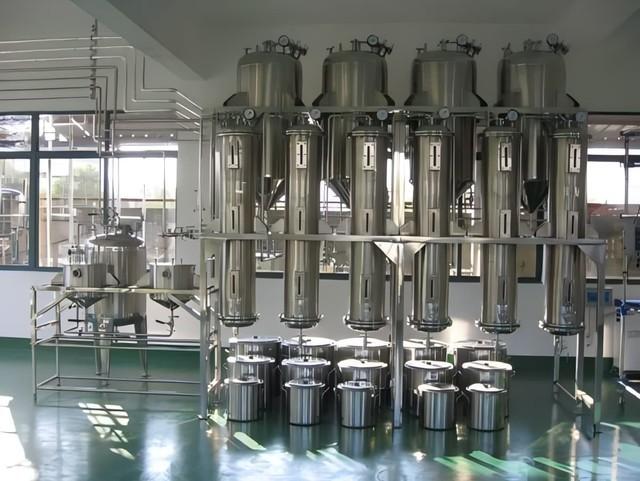
Cultivation begins with a validated seed culture of Arthrospira platensis, grown in a nutrient medium containing bicarbonate, nitrate, phosphate, and trace elements. Open raceway ponds are the most common system for bulk production; closed photobioreactors are used where tighter control of contamination and light is required. Harvesting is performed by filtration or centrifugation to concentrate the biomass. The resulting paste is dried, most often by spray drying or drum drying, to a low moisture content.
Cell-wall processing is not required for Arthrospira, as the cell wall is thin and digestible, unlike that of Chlorella. Milling follows drying to achieve the specified particle size. Quality control includes identity confirmation, compositional analysis, and contaminant testing. Documentation available to B2B buyers typically includes a certificate of analysis, material safety data sheet, and, where applicable, organic certification and allergen statements. Purecium supplies the powder in bulk quantities with agreed specification ranges.
Spirulina Powder Frequently Asked Questions (FAQ) for B2B Buyers
Q1: What is Spirulina powder used for in dietary supplement manufacturing?
Spirulina powder is primarily used as a raw material in capsules, tablets, powdered blends, and functional beverages within the dietary supplement industry. Manufacturers select it for its high protein content (typically 55–70% by dry weight), complete amino acid profile, and natural blue-green pigment (phycocyanin), which supports formulations positioned around general nutrition, antioxidant support, plant-based protein, and "superfood" or green-blend product categories. Purecium supplies bulk Spirulina powder specifically formulated for B2B use in contract manufacturing and private label production, with particle sizing customizable for tableting, encapsulation, or powder-mix applications.Q2: What is the difference between Spirulina powder and Spirulina tablets/capsules as a raw material?
Spirulina powder is the unprocessed bulk ingredient — a fine, dried microalgae powder used by manufacturers as an input for further processing. Tablets and capsules are finished consumer products made by compressing or encapsulating Spirulina powder, typically combined with excipients, binders, or fillers. B2B buyers such as contract manufacturers and private label brands purchase Spirulina in powder form (Purecium's core product) because it allows full control over dosage formulation, blending with other actives, and finished product format (capsule, tablet, gummy, or drink mix).Q3: How is Spirulina powder tested for heavy metals and contaminants?
Reputable Spirulina suppliers test each production batch for heavy metals — typically lead, arsenic, cadmium, and mercury — using validated laboratory methods such as ICP-MS (inductively coupled plasma mass spectrometry). Microbiological testing covers total plate count, yeast and mold levels, and pathogen screening for organisms such as Salmonella and E. coli. Purecium provides a Certificate of Analysis (COA) with every shipment, documenting these results against internationally recognized limits, which supports customers' own regulatory compliance and import documentation requirements.Q4: What certifications should a B2B Spirulina powder supplier have?
For dietary supplement raw materials, buyers typically look for GMP (Good Manufacturing Practice) certification, HACCP (Hazard Analysis Critical Control Point) food safety protocols, and ISO 22000 food safety management certification at minimum. Depending on target market and brand positioning, additional certifications such as USDA Organic, EU Organic, Non-GMO Project Verified, Kosher, and Halal may also be relevant. Purecium's Spirulina powder is produced in a GMP-compliant, HACCP-certified facility, with organic and Non-GMO certified production lines available for customers requiring those specifications.Q5: What is the typical minimum order quantity (MOQ) for bulk Spirulina powder?
MOQs for bulk Spirulina powder vary by supplier and depend on packaging format (25kg bags, drums, or bulk containers). Many B2B ingredient suppliers, including Purecium, offer tiered options ranging from smaller trial/sample quantities for product development and testing, up to large-volume production-scale orders for established supplement brands and contract manufacturers. Buyers are generally encouraged to request a quote specifying their intended volume, application, and any custom particle size or packaging requirements to receive accurate MOQ and pricing information.Q6: Can Spirulina powder be customized for specific particle size or formulation needs?
Yes. Particle size directly affects how Spirulina powder performs in downstream applications — finer mesh sizes are typically preferred for capsule filling and beverage mixes to ensure smooth texture and consistent dosing, while coarser grades may suit certain tableting processes. Purecium offers customizable particle sizing along with tailored packaging and labeling options to support private label and OEM formulation requirements, allowing brand owners to specify exact technical parameters aligned with their manufacturing equipment.Q7: Is Spirulina powder suitable for vegan and plant-based protein products?
Yes, Spirulina powder is widely used as a plant-based, non-animal-derived protein source. It contains all nine essential amino acids, making it a "complete protein" from a plant source, which is a key differentiator for brands formulating vegan protein powders, plant-based nutrition bars, or clean-label supplement blends. Purecium's Spirulina is produced without animal-derived processing aids, and TSE/BSE-free and Non-GMO documentation is available for brands that need to substantiate vegan or plant-based labeling claims.Q8: What is phycocyanin, and why does it matter in Spirulina sourcing?
Phycocyanin is a naturally occurring blue pigment-protein complex found in Spirulina, responsible for its characteristic blue-green color. It is often used as a quality benchmark in Spirulina sourcing because phycocyanin content is sensitive to cultivation conditions and drying methods — low-temperature spray-drying, for example, better preserves phycocyanin compared to high-heat drying processes. Buyers formulating antioxidant-positioned products or natural blue colorant applications often request phycocyanin content specifications (expressed as a percentage or C-PC value) as part of their sourcing criteria. Purecium documents phycocyanin content on its Certificate of Analysis for each batch.Q9: How does Spirulina powder compare to Chlorella powder as a supplement ingredient?
Both are microalgae used in dietary supplements, but they differ in composition and processing requirements. Spirulina (Arthrospira platensis) has a softer cell wall, making it more easily digestible without mechanical processing, and is notably higher in protein and phycocyanin content. Chlorella has a tougher cellulose cell wall that typically requires mechanical cracking to improve bioavailability, and is often associated with chlorophyll content and detoxification-support positioning. Brands choosing between the two typically base the decision on target formulation (protein-focused vs. chlorophyll-focused), desired color profile, and specific product positioning.Q10: What documentation does a supplement brand need when importing Spirulina powder for manufacturing?
Typical documentation includes a Certificate of Analysis (COA) covering nutritional and safety parameters, a Certificate of Origin, heavy metal and microbiological test reports, allergen statements, and — depending on destination market — Non-GMO and organic certification documents if those claims are used. For the US market, compliance references to FDA dietary supplement regulations (21 CFR Part 111) may be requested; for the EU, Novel Food status and EFSA-aligned documentation may be relevant. Purecium provides a full documentation package with each shipment to support customers' import clearance and internal quality assurance processes.Q11: Why does drying method affect Spirulina powder quality?
Drying method significantly impacts the retention of heat-sensitive compounds, particularly phycocyanin, which degrades under high-temperature processing. Spray-drying at controlled, lower temperatures is generally preferred in premium Spirulina production because it better preserves color intensity, nutrient content, and solubility compared to sun-drying or high-heat drum-drying methods, which are more common in lower-cost, commodity-grade Spirulina. Purecium uses low-temperature spray-drying specifically to maintain consistent phycocyanin and nutrient retention across production batches.Q12: Can Spirulina powder be used in functional beverages and green powder blends?
Yes, Spirulina powder is a common ingredient in functional beverage formulations, including green juice blends, smoothie powders, and "greens" supplement products, both for its nutrient density and its natural coloring properties. For beverage applications, solubility, particle fineness, and flavor neutrality are key technical considerations — finer, well-processed Spirulina powder disperses more evenly and has a milder taste profile than coarser or lower-grade material. Purecium offers beverage-grade particle sizing options for customers formulating drink mixes and liquid applications.Q13: What quality specifications should be requested when sourcing Spirulina powder from a supplier?
Buyers should typically request: protein content (%), phycocyanin content, moisture content, ash content, heavy metal test results (lead, arsenic, cadmium, mercury), microbiological test results (total plate count, yeast/mold, pathogen screening), particle size distribution, and any relevant certifications (GMP, organic, Non-GMO, Kosher/Halal). Requesting a full Certificate of Analysis and, where possible, a product sample prior to bulk ordering is standard practice for B2B ingredient sourcing. Purecium provides complete specification sheets and COAs upon request to support customer due diligence.Q14: Does Purecium supply Spirulina powder for private label supplement brands?
Yes, Purecium works directly with private label brands, contract manufacturers, and distributors to supply bulk Spirulina powder as a formulation ingredient. This includes support for custom particle sizing, packaging specifications, and documentation tailored to the brand's target regulatory market. Purecium's role is as a B2B raw material supplier — private label brands typically handle finished product formulation, encapsulation/tableting, and consumer packaging through their own manufacturing or contract manufacturing partners, using Purecium's Spirulina powder as the core ingredient input.Q15: How is Spirulina powder's shelf life and storage typically managed for B2B buyers?
Properly processed and packaged Spirulina powder generally maintains stability for approximately 2 years when stored in a cool, dry environment, protected from light, moisture, and oxygen exposure — factors that can degrade phycocyanin content and overall potency over time. B2B buyers are typically advised to store bulk Spirulina in its original sealed, moisture-barrier packaging until use, and to request specific shelf-life and storage guidance from their supplier based on the exact packaging format supplied. Purecium provides storage and handling recommendations along with each shipment's documentation to help customers maintain ingredient integrity through their own production timelines.How does bulk Spirulina Powder compare with Chlorella, Blue-green algae, and Phycocyanin in specification, dosing, handling, and regulatory status for B2B formulation?
Spirulina Powder is the dried biomass of Arthrospira platensis, a filamentous cyanobacterium. In bulk B2B trade, it is specified by protein content (typically 55–70%), phycocyanin (often 10–15%), and microbial limits. Chlorella is a green microalga with a rigid cell wall; its bulk powder usually requires cell-wall disruption to improve digestibility, and it is dosed at 1–5 g/day. "Blue-green algae" is a colloquial term covering cyanobacteria such as Spirulina and Aphanizomenon; it is not a single specification, so bulk buyers should avoid it as a defined ingredient. Phycocyanin is a purified phycobiliprotein extracted from Spirulina, standardized to 10–25% or higher, and used at 50–300 mg/day. These four materials differ in purity, dose, and handling. From a formulation standpoint, Spirulina Powder is a free-flowing, water-dispersible powder with a mild seaweed odor. Chlorella powder is denser and often darker green, with a stronger odor; it may require granulation or coating to mask taste. Blue-green algae powders vary widely in color, odor, and contaminant profile depending on source. Phycocyanin is a deep blue, water-soluble powder that is light- and heat-sensitive; it is typically cold-water processed and protected from prolonged heat. Spirulina is stable at ambient temperature when kept dry and away from light, with a typical shelf life of 18–24 months in sealed packaging. Chlorella behaves similarly but is more prone to oxidation if cell walls are broken. Phycocyanin requires cool, dark storage and has a shorter shelf life. Regulatory status differs by market. In the EU, Spirulina and Chlorella are marketed as food supplements under the Food Supplements Directive; novel food status does not apply to these long-used species. Blue-green algae is not a regulatory category, and Aphanizomenon flos-aquae may require novel food authorization depending on history. Phycocyanin is approved as a colorant in some regions (e.g., Japan) but in the EU it is not currently authorized as a food additive; it is sold as a food supplement ingredient. In the US, Spirulina and Chlorella are generally recognized as dietary ingredients, while Phycocyanin is typically sold as a dietary supplement component. Bulk buyers should request a certificate of analysis, allergen statement, and heavy-metal testing for all four. For B2B formulation, Spirulina Powder offers a balanced protein and phycocyanin profile at a moderate cost, making it suitable for tablets, capsules, and functional foods. Chlorella is chosen for its cell-wall fiber and lutein content, but its taste and digestibility require formulation care. Blue-green algae should be replaced by a defined species specification. Phycocyanin is used when a concentrated blue color or high-purity phycobiliprotein dose is required, but it is the most expensive and least stable option. Each material has a distinct role; selection depends on target dose, sensory constraints, and regulatory acceptance in the destination market.Comparison in table form.
The table below sets out the parameters that determine how each material is specified, dosed and documented in a finished formulation.Parameter
Spirulina Powder
Chlorella
Blue-green algae
CAS number
Not applicable
Not applicable
Not applicable
Chemical class
Cyanobacterial biomass
Green microalgal biomass
Cyanobacterial biomass
Typical dose
1–5 g/day
1–5 g/day
Variable; not standardized
Solubility
Water-dispersible
Water-dispersible
Water-dispersible
Stability
18–24 months, dry, dark
Variable by species
Regulatory status
Food supplement ingredient
Not a defined category
Supply form
Powder, 60–70% protein
Powder, broken cell wall
Powder, mixed species
Documentation
CoA, heavy metals, micro
CoA varies by supplier
Q16. What is the indicative bulk price of Spirulina powder, and how is it quoted?
R: Bulk prices are quotation-based: the price per kg depends on grade/purity, packaging size and order volume, and every quotation states it for the requested grade and Incoterm (FOB Hong Kong, CIF or DDP). Figures published on this page are indicative reference values, not a binding offer; volume tiers, annual contracts and sample-to-bulk conversion are confirmed in the quotation.Supplying buyers in North America, the European Union, Latin America, Asia and the Middle East
Purecium supplies Spirulina powder in bulk from Hong Kong, the United States and the European Union. Orders are quoted FOB, CIF or DDP as you prefer: air freight for urgent volumes, sea freight (full container or consolidated) for bulk quantities. Transit time, import requirements and duties are confirmed in each quotation.
For local registration, our technical package is filed with the authority in your market: EU-GMP partner manufacturing and Ph. Eur. / USP monograph testing for the European Union and the United Kingdom; COFEPRIS (Mexico), INVIMA (Colombia), ANMAT (Argentina), ISP (Chile) and ANVISA (Brazil) in Latin America; SFDA and Gulf documentation in the Middle East; BP, JP or ChP monographs in Asia. Every lot ships with a batch COA, TDS, SDS and GMP, ISO 9001, FSSC 22000, Kosher and Halal certificates.
Commercial support is available in English, Spanish and Chinese, and qualification samples are dispatched worldwide, with a response within 12 business hours.
INQUIRY FORM
Let's Discuss Your Needs
Request a bulk quotation or a free sample with COA: 25 kg minimum order, documentation (COA, TDS, SDS, GMP / ISO 9001 / FSSC 22000 / Kosher / Halal certificates) provided for evaluation, dispatched from our Hong Kong, United States and European Union facilities.
Address: Room 509, The cloud 111 Tung chua ST, Tai kok TSUI, HONG KONG.
Global network:
Hong Kong|Mainland China
EU: Netherlands
US: California| New York