

PURECIUM
PURECIUM
Pea Protein
Complete Protein, Naturally Plant-Based
Pea Protein
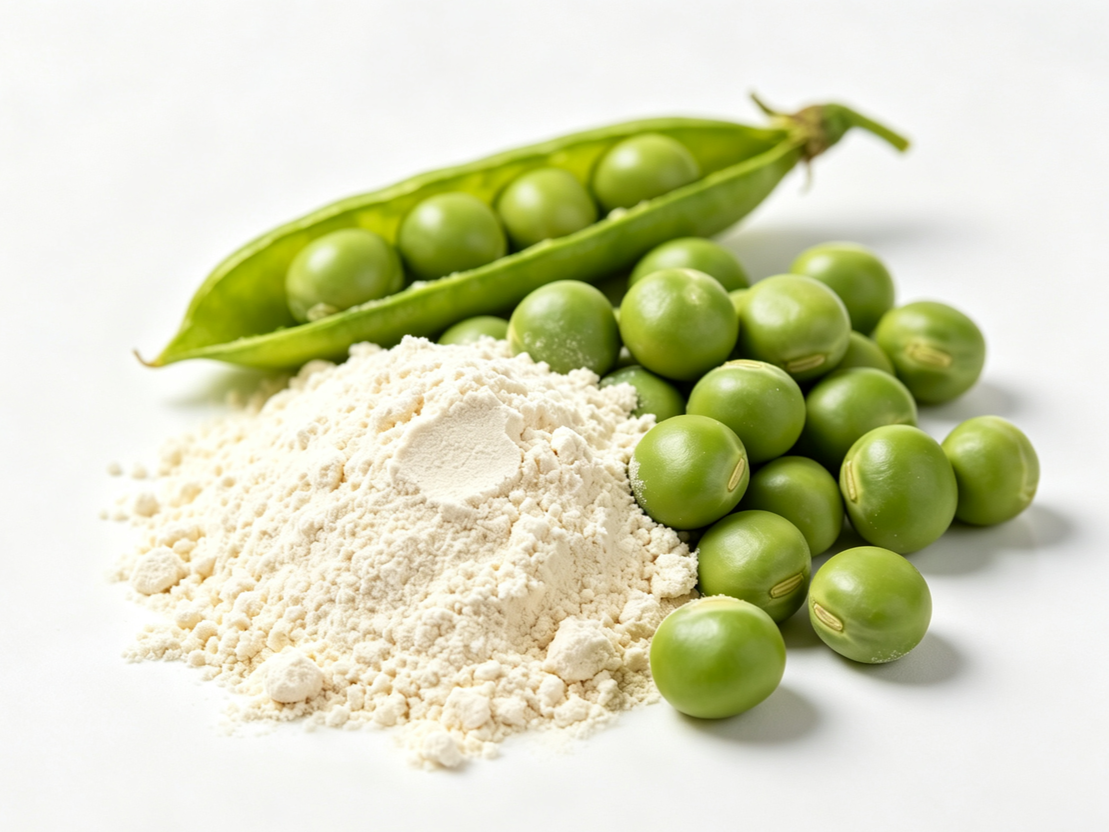
Purecium supplies high-purity Pea Protein powder engineered for dietary supplement manufacturers, private label brands, and contract packers worldwide. Extracted from yellow peas through a water-based isolation process, our Pea Protein delivers a robust essential amino acid profile — including naturally high lysine and BCAA content — along with excellent solubility and allergen-free composition, making it a leading plant-based alternative for sports nutrition and vegan formulations. Every lot ships with a full Certificate of Analysis covering heavy metals, microbiological limits, and amino acid content, ensuring regulatory readiness for the US, EU, and international markets. Purecium's scalable supply chain and responsive B2B support make us a dependable long-term ingredient partner.
Product name: Pea Protein
Molecular formula: NA
Starting material: Pea
Grade: Food grade
Heavy Metals: USP
Pesticide residue: USP/EP
Packing size: 25kg/bag
Pea protein powder(Organic)
CAS#: NA
Molecular weight:NA
Source: Natural
Specification: 85%
Country of origin: China
Residual solvent: USP/EP
Allergen free/Gluten-free/Non-GMO/Vegan/Non-Irradiation

Pea Protein Overview
Purecium Pea Protein Powder is a plant-derived protein ingredient extracted from yellow peas (Pisum sativum), produced specifically for use as a raw material in dietary supplements, sports nutrition products, and functional food formulations. As a B2B ingredient supplier, Purecium serves distributors, contract manufacturers (CMOs/CDMOs), and finished-product brands seeking a non-GMO, allergen-friendly protein source with strong sports nutrition and general wellness positioning for capsules, tablets, protein powders, shakes, and bars.
Pea Protein is produced through a water-based extraction and isolation process that separates the protein fraction from the starch and fiber components of the pea, without the use of chemical solvents. The result is a fine, off-white to light beige powder with a mildly earthy flavor profile characteristic of legume-derived proteins. Pea Protein has become one of the most widely used plant proteins in the global sports nutrition and vegan formulation categories, largely due to its favorable amino acid composition relative to other plant-based sources.
Amino Acid Profile
Pea Protein is distinguished among plant proteins for its relatively strong essential amino acid (EAA) composition:
- Branched-Chain Amino Acids (BCAAs): Naturally rich in leucine, isoleucine, and valine — amino acids commonly associated with muscle protein synthesis support in the sports nutrition literature
- Lysine: Notably higher in lysine than most other plant proteins (such as rice or wheat protein), which is a key reason Pea Protein is frequently used as a lysine-contributing component in blended plant protein formulations
- Arginine: Present in meaningful amounts, an amino acid of interest in general cardiovascular and circulatory wellness formulation contexts
- Methionine: Present at comparatively lower levels, similar to most legume-derived proteins, which is why Pea Protein is often paired with methionine-richer sources (such as rice protein) in complete-profile blended formulations
- Overall Profile: Contains all nine essential amino acids, qualifying it as a "complete protein" source from a plant origin, though the ratio differs from animal-derived proteins such as whey
Source & Specifications
- Botanical Source: Yellow peas (Pisum sativum)
- Extraction Method: Water-based isolation process (non-chemical solvent extraction)
- Appearance: Fine powder, off-white to light beige
- Protein Content: Typically 80% minimum (dry basis), depending on grade specification
- Solubility: Good solubility, particularly favorable for beverage and shake applications relative to some other plant proteins
- Allergen Status: Free from the top allergens — dairy, soy, egg, gluten, tree nuts, and shellfish
- Dietary Compatibility: Vegan, vegetarian, Non-GMO, gluten-free, kosher/halal-compatible sourcing available
- Packing Options: 25kg bags or drums; custom packaging available for private label programs
- Available Grades: Standard pea protein concentrate, high-purity pea protein isolate, and organic-certified pea protein
Product Characteristics
- High digestibility: Pea Protein generally scores well on standard protein digestibility measures used in the nutrition science literature, supporting its use in general nutrition and post-exercise recovery formulations
- Sustainability positioning: As a legume crop, peas are frequently referenced in the sustainability literature for lower water and land use relative to some animal protein sources, a positioning factor increasingly relevant to environmentally conscious B2B brand customers
- Flavor profile: Carries a characteristic "earthy" or "beany" flavor note more pronounced than Rice Protein, which formulators typically manage through flavor systems, masking agents, or blending with milder-tasting proteins
- Texture and mouthfeel: Can present a slightly gritty or chalky mouthfeel at higher inclusion rates in beverage applications, a consideration formulators account for in recipe development
- Blend compatibility: Frequently combined with Rice Protein, Hemp Protein, or other plant proteins to balance flavor, amino acid profile, and texture in finished products
Manufacturing / Production Process
- Raw Material Selection: Yellow peas are sourced and screened for quality and consistency prior to processing
- Milling & Dehulling: Peas are milled and dehulled to separate the outer fiber layer from the interior starch and protein components
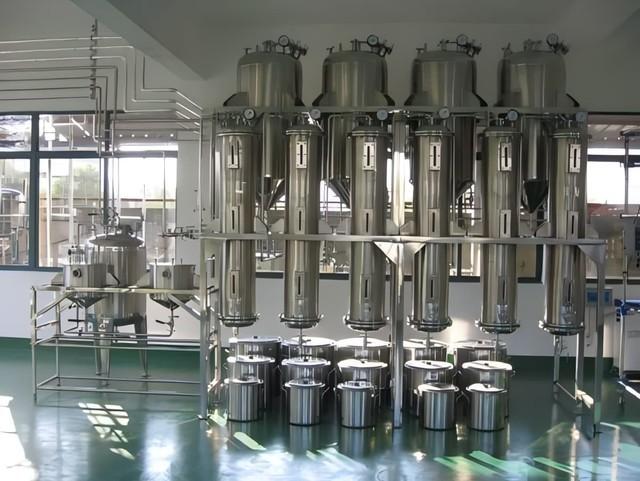
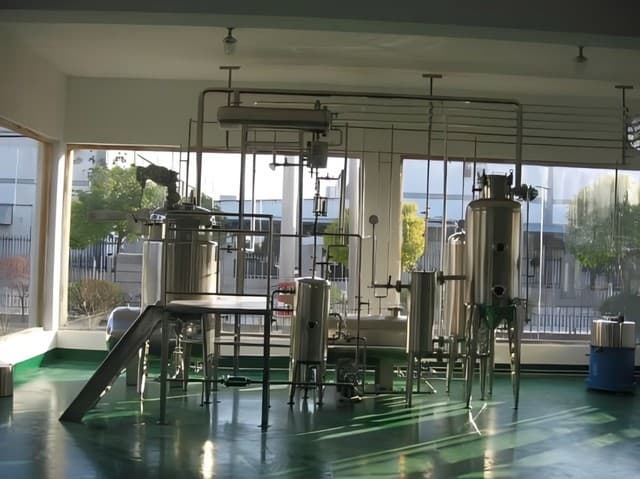
- Water-Based Extraction: A water-based isolation process separates the protein fraction from starch and fiber, without the use of chemical solvents
- Separation & Concentration: The protein-rich fraction undergoes further separation and concentration steps to reach the target protein specification
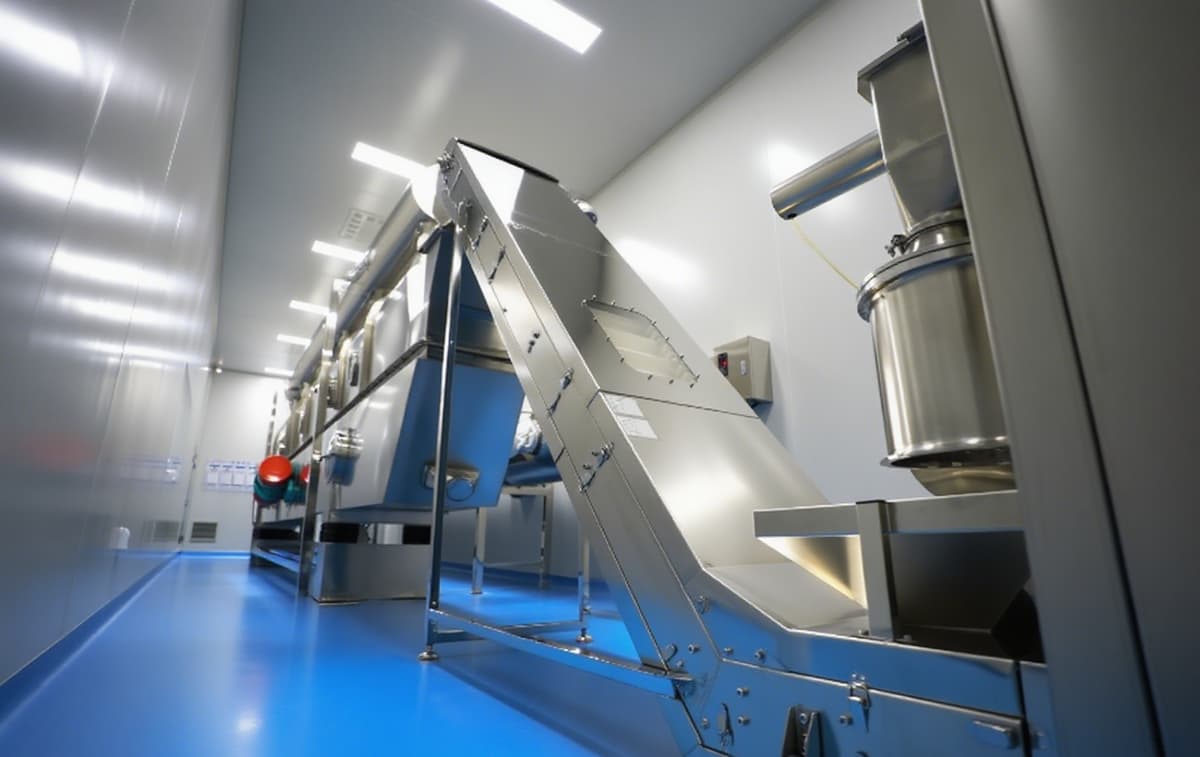
- Drying: Low-temperature spray-drying converts the concentrated protein slurry into a stable, fine powder while helping preserve protein integrity and functional properties
- Milling & Sizing: The dried powder is milled to customer-specified particle size for the intended application (beverage-grade, tableting-grade, or encapsulation-grade)
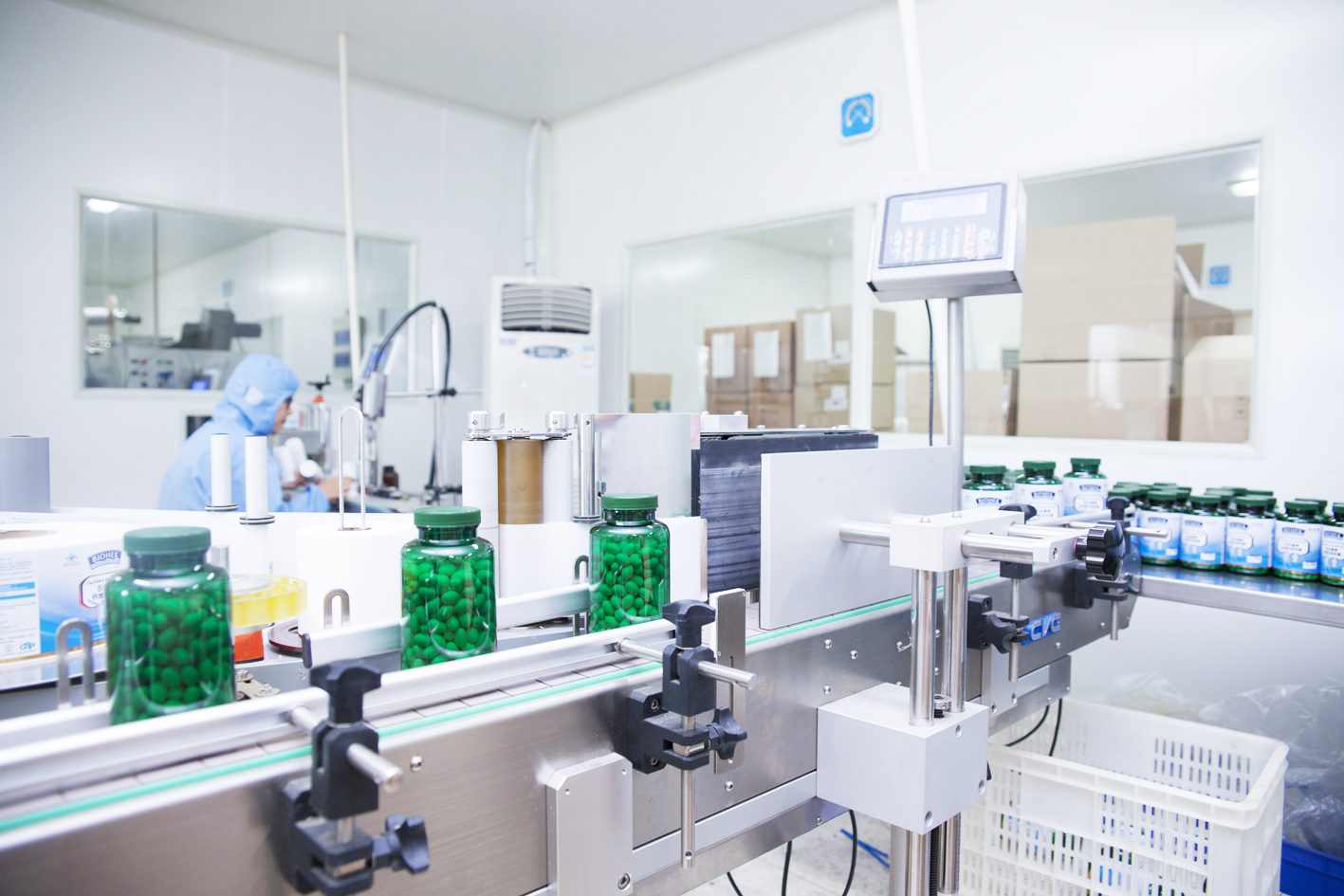
- Quality Testing & Packaging: Each batch undergoes testing prior to packaging in accordance with facility quality protocols
Primary Applications
Pea Protein powder is widely used across the dietary supplement, sports nutrition, and functional food industries for the following categories:
- Sports nutrition and post-workout recovery formulations — one of the most widely used plant proteins in this category, valued for its BCAA and lysine content
- Vegan and plant-based protein powders — frequently used as the primary protein source or blended with complementary plant proteins to optimize amino acid profile
- Meal replacement and general nutrition formulations — used both as a standalone protein source and as a component in multi-ingredient nutritional blends
- Functional bars and bakery applications — valued for its binding properties and protein density in baked or extruded formats
- Allergen-friendly / free-from formulations — supplement lines specifically marketed toward consumers avoiding dairy, soy, egg, or gluten
Published nutritional science literature has examined pea protein's amino acid composition and its role in supporting muscle protein synthesis, with comparative research in the sports nutrition literature exploring outcomes relative to other protein sources including animal-derived proteins such as whey. Some published studies have suggested that pea protein, when consumed at sufficient doses, can support strength and lean mass outcomes broadly comparable to other common protein sources in general population resistance-training studies. Additional published research has examined pea protein hydrolysates in the context of general cardiovascular and metabolic wellness formulation interest, attributed to specific peptide fractions generated during processing. It's important to note that Pea Protein is regulated globally as a dietary ingredient/food, not a drug, and Purecium does not make disease-treatment or diagnostic claims; any health-related positioning should be substantiated independently by the brand owner in accordance with the regulatory framework of their target market (e.g., FDA DSHEA in the US, EFSA health claim regulations in the EU).
Mechanism of Action
At a compositional level, Pea Protein's functional properties are generally attributed to the following factors:
- BCAA and leucine content — leucine, in particular, is widely referenced in the sports nutrition literature as a key trigger for initiating muscle protein synthesis pathways; Pea Protein's naturally favorable leucine content is a primary reason for its adoption in recovery and performance formulations.
- Lysine contribution in blended formulations — Pea Protein's relatively high lysine content, compared to grain-derived plant proteins, is commonly leveraged by formulators to correct the lysine deficiency typical of proteins like rice or wheat protein when creating a blended, more complete amino acid product.
- Digestibility and absorption kinetics — Pea Protein is generally characterized in the literature as having a digestion and amino acid absorption rate positioned between fast-digesting whey protein and slower-digesting casein, a characteristic sometimes referenced in formulation contexts targeting sustained amino acid availability.
These mechanisms are described at a general, literature-referenced level; Purecium does not attribute specific clinical outcomes to its ingredient and encourages brand partners to consult current regulatory guidance for claims substantiation in their target markets.
Production & Quality Control
Purecium's Pea Protein powder is manufactured under a quality system designed to meet the documentation and consistency requirements of global supplement manufacturers:
- Facility Certifications: GMP-compliant manufacturing, HACCP food safety protocols, ISO 22000 food safety management, with organic and Non-GMO certified production lines available
- Testing Protocol: Each batch is tested for heavy metals (lead, arsenic, cadmium, mercury), pesticide residues, microbiological limits (total plate count, yeast/mold, pathogens including Salmonella and E. coli), and nutritional specifications (protein content, amino acid profile, moisture, particle size)
- Allergen Control: Dedicated processing controls to minimize cross-contamination risk with major allergens, supported by allergen statement documentation for each shipment
- Documentation: Certificate of Analysis (COA), Certificate of Origin, allergen statements, heavy metal reports, amino acid profile reports, and microbiological test reports provided with every shipment; regulatory support documentation (TSE/BSE-free statements, GMO-free declarations) available for market-specific compliance needs
B2B & Supply Chain
Purecium operates a coordinated supply chain — from raw pea sourcing through water-based extraction, drying, milling, and packaging — enabling consistent lot-to-lot quality and reliable lead times for B2B partners.
- Customer Types Served: Distributors, ingredient traders, contract manufacturers (CMO/CDMO), private label sports nutrition and supplement brands, and finished-product companies
- Order Flexibility: MOQs suited to both trial/sample orders and large-volume production runs; drum, bag, and bulk container packaging options
- Customization: Protein concentration grade (concentrate vs. isolate), particle size adjustment, custom packaging/labeling for private label programs, and specification sheets tailored to customer regulatory needs
- Logistics: Export-ready documentation, international shipping coordination, and consistent inventory planning to support long-term supply agreements
- Regulatory Support: Assistance with documentation required for FDA, EFSA, and other regional regulatory submissions, including allergen labeling references and dietary ingredient compliance support where applicable
How does bulk pea protein compare with rice, soy, and hemp protein in specification, dosing, handling, and regulatory terms?
Pea protein (Pisum sativum) is a legume-derived protein typically standardized to 80% protein on a dry basis. Its CAS number is 222400-29-5. As a bulk ingredient, it is valued for a balanced amino acid profile, though it is limiting in methionine. Rice protein, by contrast, is a cereal-derived protein usually at 80% protein, with a CAS number of 9007-49-2 for the protein fraction. Rice protein is notably low in lysine, making it complementary to pea in blends. Soy protein isolate is a highly refined legume protein at 90% protein, CAS 9010-10-0, with a complete amino acid profile. Hemp protein is derived from Cannabis sativa seed and typically contains 50% protein, with CAS 9007-49-2 for the protein isolate, though it is less standardized. These differences affect formulation targets and label claims. In dosing, pea protein is commonly used at 10–30 g per serving in food and supplement applications. Rice protein requires similar doses but often higher amounts to compensate for lower lysine. Soy protein isolate is effective at 10–25 g per serving due to its high digestibility (PDCAAS 1.0). Hemp protein, with lower protein density, may need 20–40 g to achieve comparable protein delivery. Solubility varies: pea protein has moderate solubility, often requiring high-shear mixing; rice protein is poorly soluble and can be gritty; soy protein isolate is highly soluble; hemp protein is least soluble and can settle. Stability: pea protein is stable under ambient conditions but may gel upon heating; rice protein is heat-stable; soy protein isolate is sensitive to thermal processing; hemp protein is prone to oxidation due to its lipid content. Regulatory status: pea protein is generally recognized as safe (GRAS) in the US and approved in the EU as a novel food or traditional food. Rice protein is GRAS and widely accepted. Soy protein isolate is GRAS but is a major allergen requiring labeling. Hemp protein regulatory status varies; in the US, hemp seed protein is GRAS, but in the EU it is subject to novel food regulations. Supply forms: pea protein is available as fine powder or granulate; rice protein as fine powder; soy protein isolate as powder or extruded; hemp protein as powder with variable particle size. Documentation for all includes certificate of analysis, allergen statement, and safety data sheet. Pea protein typically requires additional documentation for non-GMO and gluten-free claims.Comparison in table form.
The table below sets out the parameters that determine how each material is specified, dosed and documented in a finished formulation.Parameter
Pea Protein
Rice protein
Soy protein isolate
CAS number
222400-29-5
9007-49-2
9010-10-0
Chemical class
Legume protein
Cereal protein
Legume protein
Typical dose
10-30 g/serving
15-30 g/serving
10-25 g/serving
Solubility
Moderate
Poor
High
Stability
Heat-sensitive
Heat-stable
Thermolabile
Regulatory status
GRAS (US), novel food (EU)
GRAS (US), accepted (EU)
GRAS, allergen labeling
Supply form
Fine powder, granulate
Fine powder
Powder, extruded
Documentation
CoA, allergen, SDS, non-GMO
CoA, allergen, SDS
CoA, allergen, SDS
Source & Ingredient Identity
Pea protein isolate is derived from the yellow field pea, Pisum sativum L., a legume cultivated widely in temperate regions. The raw material is the mature, dry seed, typically harvested at low moisture to limit enzymatic degradation. Purecium sources peas from established agricultural supply chains; the identity of the incoming lot is confirmed by macroscopic and microscopic examination against reference material.
The finished ingredient is not a whole-seed powder. It is a protein-enriched fraction obtained after removal of starch, fibre, and other non-protein components. The product is a fine, free-flowing powder, off-white to light beige in colour, with a mild characteristic odour. It is declared as pea protein isolate, with the botanical source stated on the certificate of analysis and technical data sheet.
Identity testing includes protein content by Kjeldahl or Dumas, moisture, ash, and absence of foreign material. The material is non-GMO and is not derived from animal or microbial fermentation. All identity parameters are lot-specific and documented for traceability.
Key Characteristics
Pea protein isolate typically contains 80–90% protein on a dry basis, with the remainder comprising moisture, ash, residual fibre, and minor lipids. The protein fraction is composed mainly of globulins (legumin and vicilin) and a smaller albumin fraction. The amino acid profile is rich in lysine and arginine, but limited in methionine and cysteine, which is typical of legume proteins.
Typical specification parameters include: protein (dry basis) 80–90%; moisture ≤ 10%; ash ≤ 6%; fat ≤ 3%; pH 6.0–7.5 (10% suspension); particle size distribution, often 95% through 100 mesh. Solubility is pH-dependent, with improved dispersion at alkaline pH and reduced solubility near the isoelectric point (pH 4–5). The powder is stable when stored in a cool, dry place, away from direct sunlight and strong odours.
Functional properties such as water holding, gelation, and emulsification vary with processing history. These are not certified values but are available as typical ranges in the technical data sheet.
Manufacturing
Pea seeds are cleaned, dehulled, and milled. The resulting flour is suspended in water, and the protein is separated from starch and fibre by wet fractionation. The process may use alkaline extraction followed by isoelectric precipitation, or membrane filtration, depending on the production line. After separation, the protein curd is washed, neutralised, and pasteurised.
Drying is carried out in a spray dryer or ring dryer to a powder with the target moisture. The dried powder is then sifted and blended to meet specification. No solvents are used in the aqueous process; the final material is not chemically modified. Cell-wall processing is limited to physical separation, not enzymatic hydrolysis, unless a specific hydrolysed grade is requested.
Quality control includes testing for protein, moisture, ash, fat, pH, particle size, and microbiological limits (total plate count, yeast and mould, E. coli, Salmonella). Documentation available to B2B buyers includes certificate of analysis, technical data sheet, safety data sheet, allergen statement, non-GMO statement, and country of origin. Certifications are provided only when applicable to the specific lot.