Plant-Based Rice Protein Powder for Vegan Supplement & Sports Nutrition
GMP-Certified, Allergen-Free Production with Full Batch Traceability
Embodies the essence of pure, high-quality dietary supplement ingredients
Rice Protein
Allergen-Free Protein, Complete Amino Profile
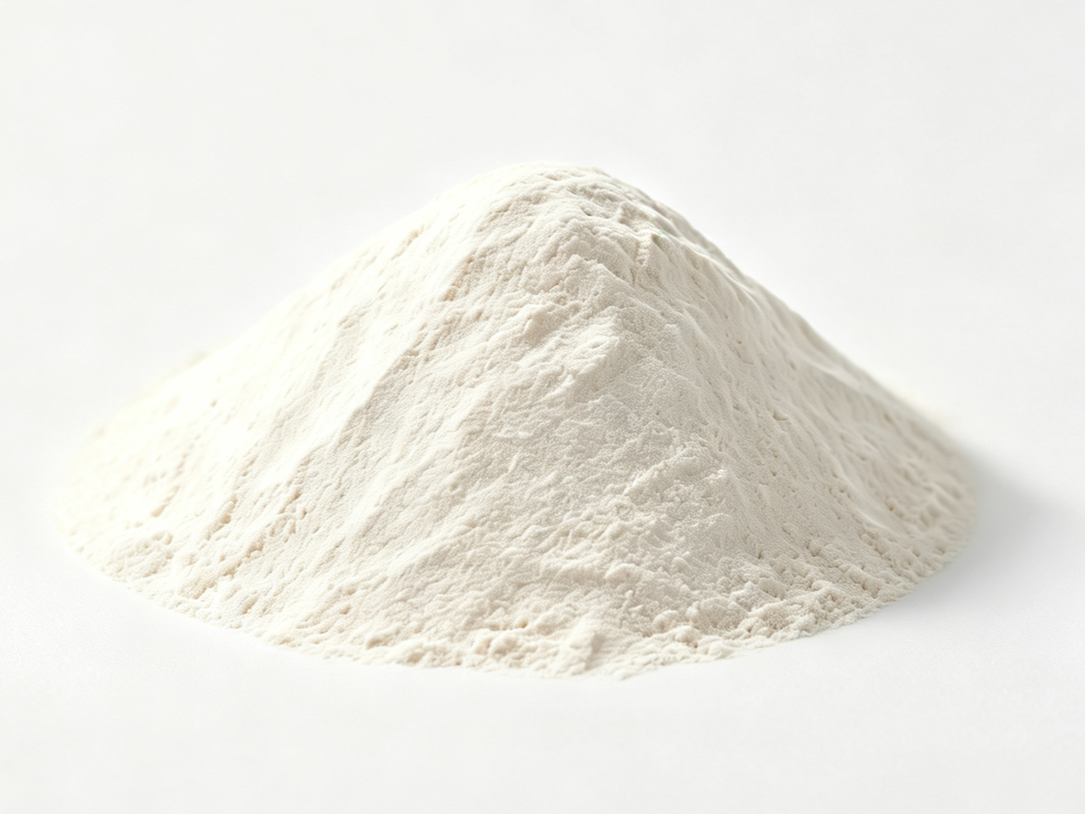
Rice Protein
Purecium supplies hypoallergenic Rice Protein powder engineered for dietary supplement manufacturers, private label brands, and contract packers worldwide. Derived from organic brown rice through enzymatic hydrolysis, our Rice Protein delivers a smooth amino acid profile, high digestibility, and allergen-free composition, making it a preferred plant-based alternative for sensitive formulations. Every lot ships with a full Certificate of Analysis covering heavy metals, microbiological limits, and amino acid content, ensuring regulatory readiness for the US, EU, and international markets. Whether you need raw isolate powder, custom protein concentration, or private-label-ready documentation, Purecium's scalable supply chain and responsive B2B support make us a dependable long-term ingredient partner.
Product name: Rice Protein
Molecular formula: NA
Starting material: Rice
Grade: Food grade
Heavy Metals: USP
Pesticide residue: USP/EP
Packing size: 25kg/bag
Rice protein powder(Organic) 300mesh
Rice protein powder(Organic) 1500mesh
Brown Rice protein powder(Organic) 300mesh
Brown Rice protein powder(Organic) 1500mesh
CAS#: NA
Molecular weight:NA
Source: Natural
Specification: 85%
Country of origin: China
Residual solvent: USP/EP
Allergen free/Gluten-free/Non-GMO/Vegan/Non-Irradiation

Rice Protein Overview
Purecium Rice Protein Powder is a plant-derived protein ingredient extracted from brown rice, produced specifically for use as a raw material in dietary supplements, sports nutrition products, and functional food formulations. As a B2B ingredient supplier, Purecium serves distributors, contract manufacturers (CMOs/CDMOs), and finished-product brands seeking a hypoallergenic, easily digestible protein source for capsules, tablets, protein powders, shakes, and bars — particularly for formulations targeting consumers avoiding dairy, soy, or gluten-based proteins.
Rice Protein is derived through enzymatic hydrolysis of brown rice, a process that breaks down the rice's starch and fiber components while concentrating and partially pre-digesting the protein fraction. The result is a fine, off-white to light tan powder with a mild, neutral flavor profile — a characteristic that makes it particularly well-suited for beverage and flavored formulation applications compared to some other plant proteins with stronger inherent flavors.
Source & Specifications
- Botanical Source: Brown rice (Oryza sativa)
- Extraction Method: Enzymatic hydrolysis (non-chemical, non-GMO enzyme process)
- Appearance: Fine powder, off-white to light tan
- Protein Content: Typically 80% minimum (dry basis), depending on grade specification
- Solubility: Moderate to good, depending on particle size and processing grade
- Allergen Status: Free from the top allergens — dairy, soy, egg, gluten, tree nuts, and shellfish
- Dietary Compatibility: Vegan, vegetarian, Non-GMO, gluten-free
- Packing Options: 25kg bags or drums; custom packaging available for private label programs
- Available Grades: Standard rice protein concentrate, high-purity rice protein isolate, and organic-certified rice protein
Product Characteristics
Rice Protein is distinguished from other plant protein sources by several formulation-relevant characteristics:
- Hypoallergenic profile: Rice is one of the least allergenic grains, making Rice Protein a preferred choice for formulations targeting consumers with sensitivities to soy, dairy, egg, or pea protein
- High digestibility: The enzymatic hydrolysis process partially breaks down protein structures, which is often associated with improved digestive tolerance compared to unprocessed plant protein sources
- Neutral flavor and light color: Well-suited to clear or lightly colored beverage applications, flavored protein blends, and bakery/bar applications where strong plant-protein flavor notes need to be minimized
- Amino acid profile: Naturally lower in lysine relative to some animal proteins, which is why Rice Protein is frequently blended with complementary plant proteins (such as pea protein) in finished formulations to achieve a more complete amino acid profile
- Texture and mouthfeel: Generally regarded as smoother and less gritty than some other plant-based protein powders, an important formulation consideration for beverage products
Manufacturing / Production Process
- Raw Material Selection: Brown rice is sourced and screened for quality and consistency prior to processing
- Enzymatic Hydrolysis: Controlled enzymatic treatment breaks down starch and fiber components, isolating and concentrating the protein fraction without the use of harsh chemical solvents
- Separation & Concentration: The protein fraction is separated from starch and fiber byproducts through filtration and concentration steps
- Drying: Low-temperature spray-drying converts the concentrated protein slurry into a stable, fine powder while helping preserve protein integrity
- Milling & Sizing: The dried powder is milled to customer-specified particle size for the intended application (beverage-grade, tableting-grade, or encapsulation-grade)
- Quality Testing & Packaging: Each batch undergoes testing prior to packaging in accordance with facility quality protocols
Primary Applications
Rice Protein powder is widely used across the dietary supplement, sports nutrition, and functional food industries for the following categories:
- Vegan and plant-based protein powders — as a hypoallergenic alternative or complementary protein to pea, soy, or hemp protein blends
- Sports nutrition and recovery formulations — used both as a standalone protein source and in combination blends targeting a more complete amino acid profile
- Allergen-friendly / free-from formulations — supplement lines specifically marketed toward consumers avoiding dairy, soy, egg, or gluten
- Functional bars and bakery applications — valued for its neutral flavor and favorable texture in baked or extruded formats
- Infant and clinical nutrition formulations — Rice Protein's hypoallergenic profile has made it a commonly referenced ingredient in the broader hypoallergenic nutrition literature, though formulations in this category are subject to additional regulatory requirements that brand owners must independently verify
Published nutritional science literature has examined plant-derived rice protein hydrolysates for their amino acid composition and digestibility characteristics, generally attributing favorable digestive tolerance to the partial pre-digestion achieved through enzymatic hydrolysis processing. Comparative research in the sports nutrition literature has also explored rice protein's muscle protein synthesis response relative to other protein sources, with some published studies suggesting that rice protein, particularly when consumed in higher doses or blended with complementary amino acid sources, can support outcomes broadly comparable to other common protein sources in general population studies. It's important to note that Rice Protein is regulated globally as a dietary ingredient/food, not a drug, and Purecium does not make disease-treatment or diagnostic claims; any health-related positioning should be substantiated independently by the brand owner in accordance with the regulatory framework of their target market (e.g., FDA DSHEA in the US, EFSA health claim regulations in the EU).
Mechanism of Action
At a compositional level, Rice Protein's functional properties are generally attributed to the following factors:
- Enzymatic pre-digestion — the hydrolysis process breaks proteins into smaller peptide chains, which is commonly associated in the literature with faster digestive breakdown and improved gastrointestinal tolerance compared to intact protein structures.
- Amino acid composition — Rice Protein contains a broad amino acid spectrum, though it is naturally lower in lysine; this is why formulators frequently combine it with lysine-rich plant proteins to achieve a more balanced essential amino acid profile across a finished product.
- Absence of major allergen proteins — because rice does not belong to the same botanical or protein-structure families as common allergens like soy, dairy casein/whey, or gluten-containing grains, it presents a lower cross-reactivity risk profile, a key reason it is used in hypoallergenic and free-from formulation contexts.
These mechanisms are described at a general, literature-referenced level; Purecium does not attribute specific clinical outcomes to its ingredient and encourages brand partners to consult current regulatory guidance for claims substantiation in their target markets.
Production & Quality Control
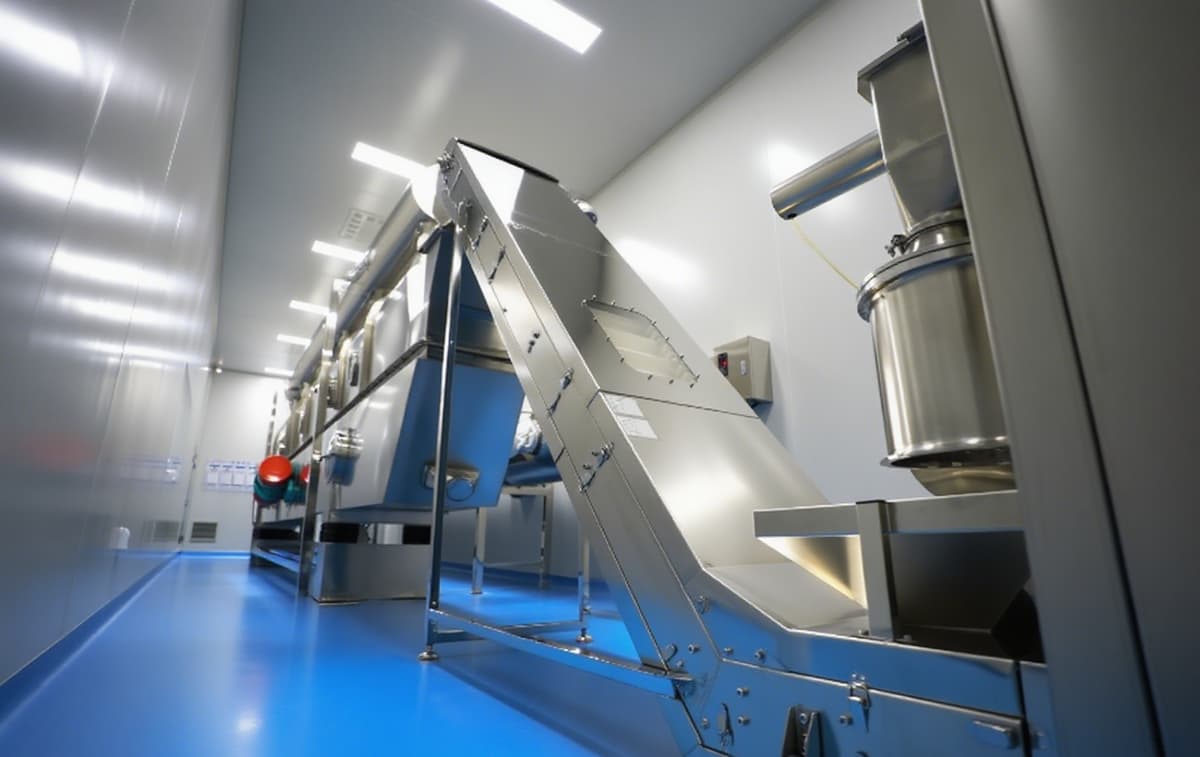
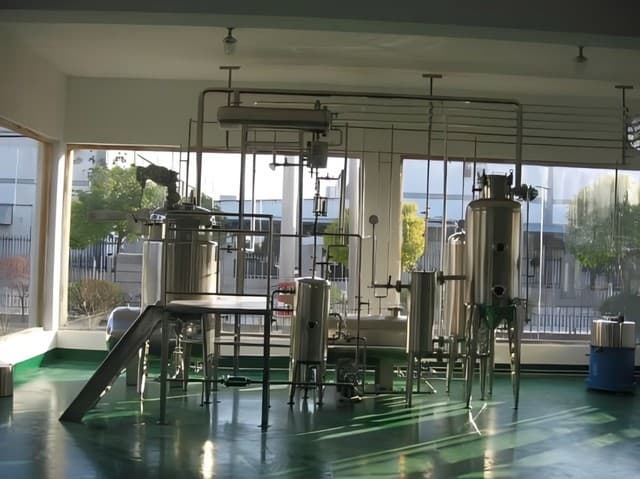
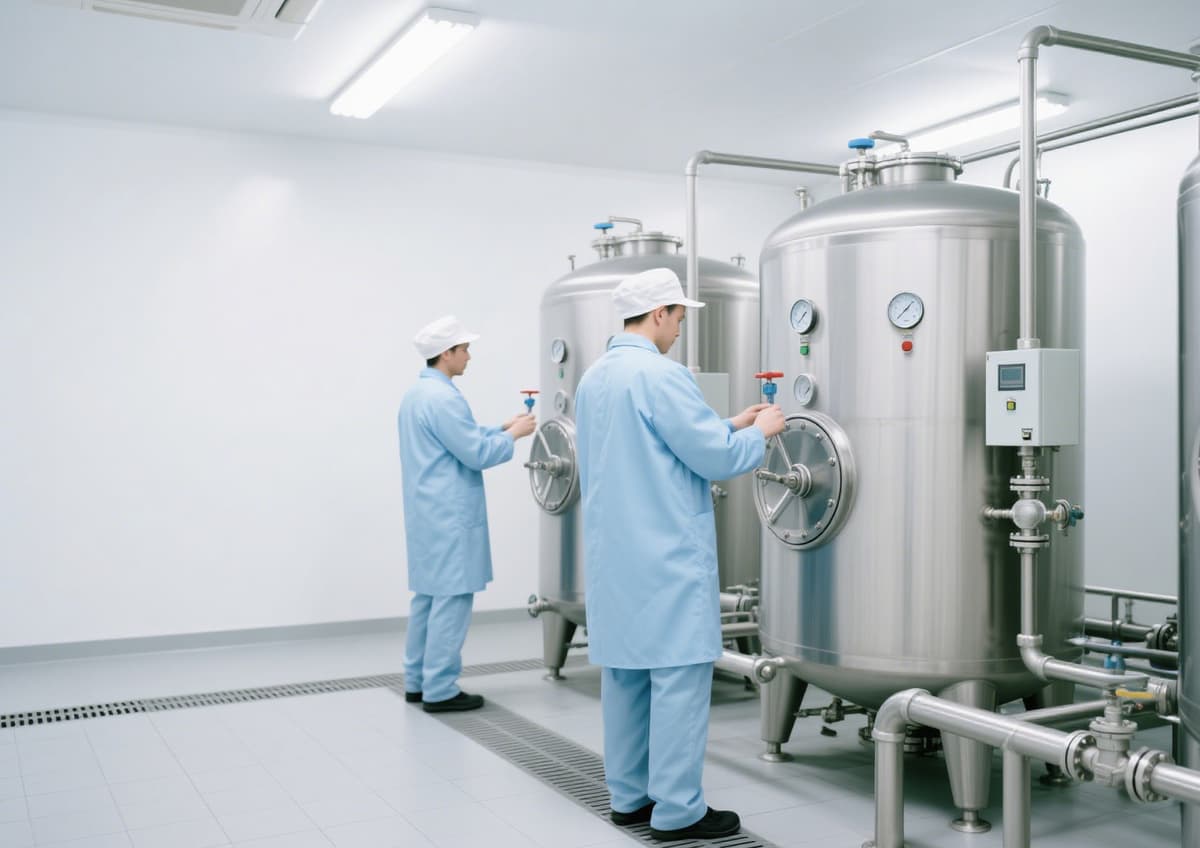
Purecium's Rice Protein powder is manufactured under a quality system designed to meet the documentation and consistency requirements of global supplement manufacturers:
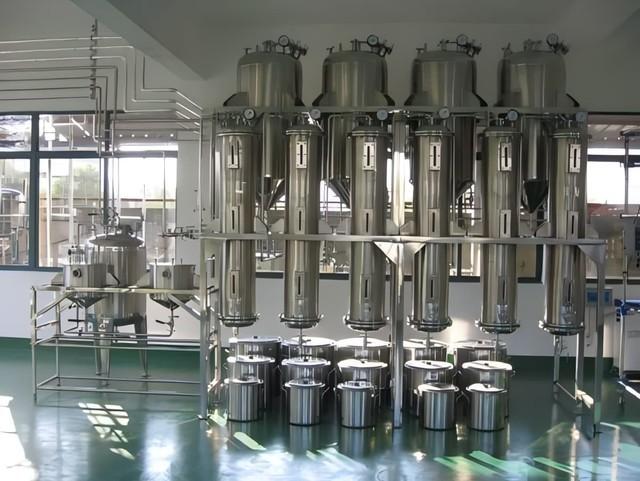
- Facility Certifications: GMP-compliant manufacturing, HACCP food safety protocols, ISO 22000 food safety management, with organic and Non-GMO certified production lines available
- Testing Protocol: Each batch is tested for heavy metals (lead, arsenic, cadmium, mercury), pesticide residues, microbiological limits (total plate count, yeast/mold, pathogens including Salmonella and E. coli), and nutritional specifications (protein content, amino acid profile, moisture, particle size)
- Allergen Control: Dedicated processing controls to minimize cross-contamination risk with major allergens, supported by allergen statement documentation for each shipment
- Documentation: Certificate of Analysis (COA), Certificate of Origin, allergen statements, heavy metal reports, amino acid profile reports, and microbiological test reports provided with every shipment; regulatory support documentation (TSE/BSE-free statements, GMO-free declarations) available for market-specific compliance needs
B2B & Supply Chain
Purecium operates a coordinated supply chain — from raw rice sourcing through enzymatic processing, drying, milling, and packaging — enabling consistent lot-to-lot quality and reliable lead times for B2B partners.
- Customer Types Served: Distributors, ingredient traders, contract manufacturers (CMO/CDMO), private label supplement and sports nutrition brands, and finished-product companies
- Order Flexibility: MOQs suited to both trial/sample orders and large-volume production runs; drum, bag, and bulk container packaging options
- Customization: Protein concentration grade (concentrate vs. isolate), particle size adjustment, custom packaging/labeling for private label programs, and specification sheets tailored to customer regulatory needs
- Logistics: Export-ready documentation, international shipping coordination, and consistent inventory planning to support long-term supply agreements
- Regulatory Support: Assistance with documentation required for FDA, EFSA, and other regional regulatory submissions, including allergen labeling references and dietary ingredient compliance support where applicable
Frequently Asked Questions (FAQ) for B2B Buyers
Q1: What is Rice Protein powder used for in dietary supplement manufacturing?
Rice Protein powder is primarily used as a raw material in vegan protein powders, sports nutrition blends, functional bars, and free-from supplement formulations. Manufacturers select it for its hypoallergenic profile, neutral flavor, and high digestibility, which make it especially suitable for consumers avoiding dairy, soy, egg, or gluten-based proteins. Purecium supplies bulk Rice Protein powder specifically formulated for B2B use in contract manufacturing and private label production, with concentration grade and particle sizing customizable for beverage, tableting, or bar-format applications.Q2: What is the difference between rice protein concentrate and rice protein isolate?
Rice protein concentrate typically contains a somewhat lower protein percentage (often in the 70–80% range) and retains a small amount of residual carbohydrate and fiber from the original rice source, while rice protein isolate undergoes additional processing to achieve a higher protein concentration (often 80%+) with minimal residual carbohydrate or fat content. Isolates are generally preferred for applications requiring a cleaner amino acid profile per serving or lower carbohydrate content, such as ketogenic or low-carb formulations, while concentrate can be a cost-effective option for general nutrition blends. Purecium offers both concentrate and isolate grades depending on customer formulation requirements.Q3: Is Rice Protein powder hypoallergenic, and how does it compare to soy or dairy protein?
Yes, Rice Protein is widely regarded as one of the more hypoallergenic protein sources available for supplement formulation because rice does not share the protein structures associated with common allergens such as soy, dairy casein/whey, egg, or gluten-containing grains. This makes it a preferred alternative for formulators developing "free-from" product lines targeting consumers with known sensitivities or allergies. Purecium's Rice Protein is processed under dedicated allergen controls, and allergen statement documentation is provided with each shipment to support customers' own labeling and regulatory compliance.Q4: How is Rice Protein powder tested for heavy metals and contaminants?
Reputable Rice Protein suppliers test each production batch for heavy metals — typically lead, arsenic, cadmium, and mercury — using validated laboratory methods such as ICP-MS (inductively coupled plasma mass spectrometry). Because rice can be more susceptible to naturally occurring arsenic uptake from soil and water compared to some other crops, heavy metal testing, particularly for arsenic, is considered a critical quality control point in rice-derived ingredients. Purecium provides a Certificate of Analysis (COA) with every shipment, documenting these results against internationally recognized limits.Q5: What certifications should a B2B Rice Protein powder supplier have?
For dietary supplement raw materials, buyers typically look for GMP (Good Manufacturing Practice) certification, HACCP (Hazard Analysis Critical Control Point) food safety protocols, and ISO 22000 food safety management certification at minimum. Depending on target market and brand positioning, additional certifications such as USDA Organic, EU Organic, Non-GMO Project Verified, Kosher, and Halal may also be relevant. Purecium's Rice Protein powder is produced in a GMP-compliant, HACCP-certified facility, with organic and Non-GMO certified production lines available for customers requiring those specifications.Q6: What is the typical minimum order quantity (MOQ) for bulk Rice Protein powder?
MOQs for bulk Rice Protein powder vary by supplier and depend on packaging format, such as 25kg bags, drums, or bulk containers. Many B2B ingredient suppliers, including Purecium, offer tiered options ranging from smaller trial and sample quantities for product development and testing, up to large-volume production-scale orders for established supplement brands and contract manufacturers. Buyers are generally encouraged to request a quote specifying their intended volume, application, and preferred concentration grade to receive accurate MOQ and pricing information.Q7: Why is Rice Protein often blended with Pea Protein in finished formulations?
Rice Protein and Pea Protein have complementary amino acid profiles: Rice Protein is naturally lower in lysine but provides a solid overall amino acid spread, while Pea Protein tends to be higher in lysine but somewhat lower in methionine. Blending the two in formulation is a widely used strategy in the plant-based protein industry to achieve an amino acid profile closer to a complete protein source, similar in concept to how complementary proteins are combined in whole-food diets. Purecium supplies Rice Protein specifically formulated to serve as a base ingredient in such blended formulations, with documentation on amino acid composition available to support blend-ratio formulation work.Q8: What role does enzymatic hydrolysis play in Rice Protein processing?
Enzymatic hydrolysis is the processing method used to extract and concentrate protein from brown rice by breaking down the surrounding starch and fiber components using controlled enzyme treatment, rather than harsh chemical solvents. This method is also associated with partially breaking down protein chains into smaller peptide fragments, which is frequently cited in the nutrition literature as a contributing factor to improved digestibility and gastrointestinal tolerance compared to less-processed plant protein sources. Purecium uses enzymatic hydrolysis as the standard processing method for its Rice Protein powder and can provide processing documentation upon request.Q9: How does Rice Protein powder compare to Pea Protein and Soy Protein as a supplement ingredient?
All three are common plant-based protein sources, but they differ in allergenicity, flavor, and amino acid profile. Rice Protein is considered one of the most hypoallergenic options and has a notably neutral flavor, but is naturally lower in lysine. Pea Protein offers a relatively complete amino acid profile and is also broadly hypoallergenic, though it has a more distinct "earthy" flavor that some formulators need to mask. Soy Protein provides a complete amino acid profile similar to animal proteins but is a top allergen and is often excluded from "free-from" product formulations. Brands choosing among these typically base the decision on target allergen positioning, desired flavor neutrality, and whether the finished product will use a single protein source or a blended formulation.Q10: What documentation does a supplement brand need when importing Rice Protein powder for manufacturing?
Typical documentation includes a Certificate of Analysis (COA) covering nutritional and safety parameters, a Certificate of Origin, heavy metal and pesticide residue test reports, microbiological test reports, an allergen statement, and, depending on destination market, Non-GMO and organic certification documents if those claims are used. For the US market, compliance references to FDA dietary supplement regulations (21 CFR Part 111) may be requested; for the EU, relevant EFSA-aligned documentation may be needed. Purecium provides a full documentation package with each shipment to support customers' import clearance and internal quality assurance processes.Q11: Can Rice Protein powder be customized for specific particle size or solubility needs?
Yes. Particle size and processing grade directly affect how Rice Protein performs in downstream applications — finer, more processed grades are typically preferred for beverage and shake applications where solubility and smooth mouthfeel are priorities, while coarser grades may be acceptable for bar or baked-good applications where solubility is less critical. Purecium offers customizable particle sizing and protein concentration grades, along with tailored packaging and labeling options, to support private label and OEM formulation requirements.Q12: Is Rice Protein powder suitable for infant or clinical nutrition applications?
Rice Protein's hypoallergenic profile has made it a frequently referenced ingredient in the broader hypoallergenic and specialized nutrition literature, including discussions around infant formula and clinical nutrition contexts where allergen avoidance is a priority. However, formulations intended for infant nutrition or clinical/medical food applications are subject to significantly more stringent regulatory requirements than standard dietary supplements in most jurisdictions. Brand owners developing products in these categories should independently verify all applicable regulatory requirements with qualified regulatory counsel; Purecium supplies Rice Protein as a general-purpose raw material and does not make infant or clinical nutrition suitability claims on behalf of customers.Q13: What quality specifications should be requested when sourcing Rice Protein powder from a supplier?
Buyers should typically request protein content percentage, amino acid profile, moisture content, particle size distribution, heavy metal test results (particularly arsenic, given rice's tendency toward higher natural arsenic uptake), pesticide residue results, microbiological test results including total plate count, yeast and mold, and pathogen screening, and any relevant certifications such as GMP, organic, Non-GMO, Kosher, and Halal. Requesting a full Certificate of Analysis and, where possible, a product sample prior to bulk ordering is standard practice for B2B ingredient sourcing. Purecium provides complete specification sheets and COAs upon request to support customer due diligence.Q14: Does Purecium supply Rice Protein powder for private label supplement brands?
Yes, Purecium works directly with private label brands, contract manufacturers, and distributors to supply bulk Rice Protein powder as a formulation ingredient. This includes support for custom particle sizing, concentration grade selection (concentrate vs. isolate), packaging specifications, and documentation tailored to the brand's target regulatory market. Purecium's role is as a raw material supplier; private label brands typically handle finished product formulation, encapsulation or tableting, and consumer packaging through their own manufacturing or contract manufacturing partners, using Purecium's Rice Protein powder as the core ingredient input.Q15: How is Rice Protein powder's shelf life and storage typically managed for B2B buyers?
Properly processed and packaged Rice Protein powder generally maintains stability for approximately 18–24 months when stored in a cool, dry environment, protected from moisture and humidity, which can affect powder flowability and promote clumping over time. B2B buyers are typically advised to store bulk Rice Protein in its original sealed, moisture-barrier packaging until use, and to request specific shelf-life and storage guidance from their supplier based on the exact packaging format and concentration grade supplied. Purecium provides storage and handling recommendations along with each shipment's documentation to help customers maintain ingredient integrity through their own production timelines.INQUIRY FORM
Let's Discuss Your Needs
Address: Room 509, The cloud 111 Tung chua ST, Tai kok TSUI, HONG KONG.
Global network:
Hong Kong|Mainland China
EU: Netherlands
US: California| New York