

PURECIUM
PURECIUM
CLA(Conjugated Linoleic Acid) Softgel
Concentrated CLA Softgels, Verified Isomer Ratio
CLA(Conjugated Linoleic Acid) Softgel
Purecium supplies bulk CLA (Conjugated Linoleic Acid) softgels engineered as a semi-finished raw material for private label brands, contract manufacturers, and distributors worldwide. Sourced from safflower oil-derived linoleic acid and processed under controlled isomerization conditions, our softgels deliver a verified c9,t11/t10,c12 isomer ratio, consistent triglyceride-form potency, and shell integrity suited for repackaging into finished consumer products. Available in free fatty acid (FFA) and triglyceride (TG) forms, every bulk lot ships with a full Certificate of Analysis covering isomer purity, oxidation parameters, and heavy metals. Purecium's scalable supply chain makes us a dependable long-term bulk softgel partner for body composition and sports nutrition product lines.
Product name: CLA(Conjugated Linoleic Acid) Softgel
Molecular formula: /
Starting material: Safflower Seed Oil
Grade: Food grade
Heavy Metals: USP
Pesticide residue: USP/EP
Packing size: 6000kcap/carton
CLA(Conjugated Linoleic Acid) Softgel FFA 80%
CLA(Conjugated Linoleic Acid) Softgel EE 80%
CLA(Conjugated Linoleic Acid) Softgel TG 80%
CAS#: /
Molecular weight:/
Source: Natural
Specification: GC
Country of origin: China
Residual solvent: USP/EP
Allergen free/Gluten-free/Non-GMO/Vegan/Non-Irradiation

Product Overview
The principal active constituents are conjugated linoleic acid isomers of linoleic acid (C18H32O2, molecular weight 280.45 g/mol), most notably (9Z,11E)- and (10E,12Z)-octadecadienoic acid, the latter corresponding to CAS 2420-56-6.
Purecium CLA Softgels (Bulk) are a semi-finished dietary supplement raw material — softgel capsules filled with Conjugated Linoleic Acid (CLA) oil, supplied in unlabeled bulk packaging rather than as a finished, retail-ready consumer product. As a B2B ingredient supplier, Purecium serves distributors, contract manufacturers (CMOs/CDMOs), and finished-product brands that require pre-encapsulated CLA softgels for repackaging, private labeling, or incorporation into their own retail packaging, without needing to operate their own softgel encapsulation line.
CLA is a group of positional and geometric isomers of linoleic acid, an essential omega-6 fatty acid, most commonly produced commercially through the controlled alkali isomerization of safflower or sunflower oil, both of which are naturally rich in linoleic acid precursor. Bulk CLA softgels sit at a different point in the supply chain than raw CLA oil: the encapsulation step has already been completed under controlled manufacturing conditions, meaning the buyer's primary remaining steps are bottling, labeling, and market-specific compliance packaging rather than formulation and encapsulation from scratch. This makes bulk softgels a common sourcing model for smaller or mid-sized supplement brands that want to bring a CLA product to market without the capital investment of establishing in-house softgel manufacturing capability.
Source & Ingredient Identity
- Oil Source: Safflower oil-derived linoleic acid (sunflower oil-derived also available depending on customer specification)
- Available Forms: Free Fatty Acid (FFA) and Triglyceride (TG) — see FAQ section below for a detailed comparison
- Isomer Composition: Standardized c9,t11 and t10,c12 isomer ratio (commonly supplied at an approximately 50:50 ratio, with custom ratios available on request)
- Potency/Concentration: Typically standardized to 75-80% total CLA isomer content, depending on customer specification
- Softgel Shell Material: Gelatin-based shell (bovine or fish/marine gelatin options available depending on customer requirements, e.g., for Halal/Kosher or pescatarian-labeling considerations)
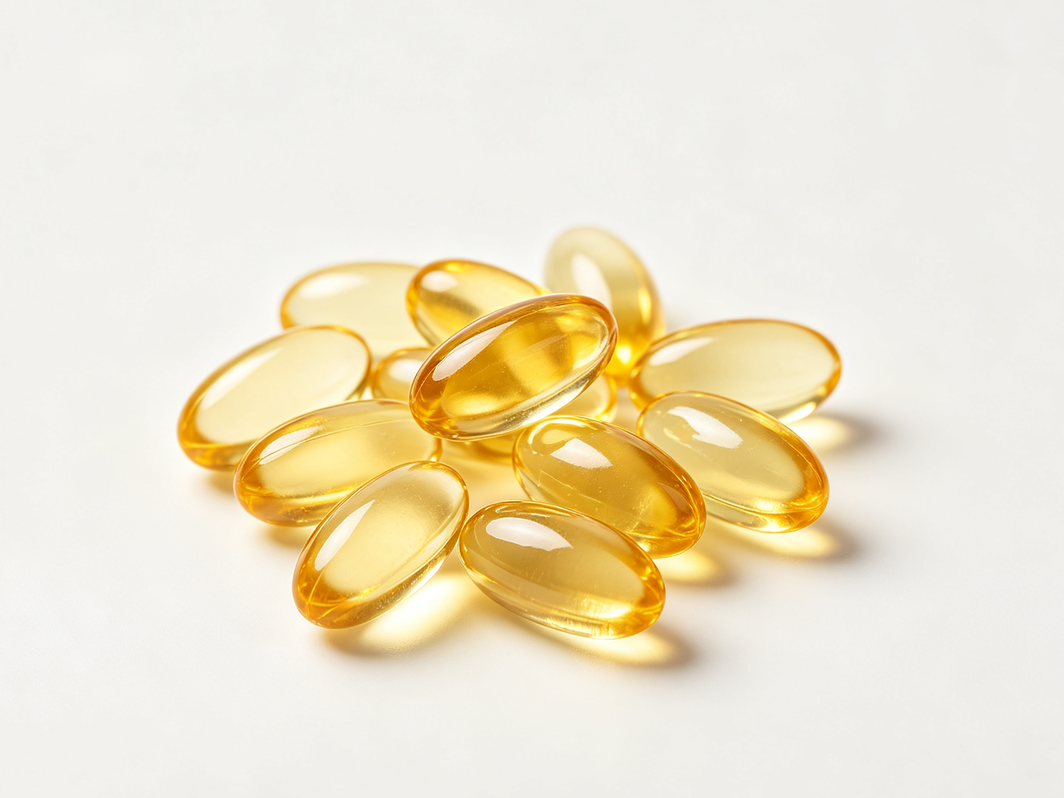
- Appearance: Pale yellow to golden softgel, oval shape depending on fill volume and mold specification
- Fill Volume Options: Customizable per customer specification (commonly ranging from 500mg to 1000mg per softgel, depending on target dosage)
- Packing Options: Bulk bags, bulk bottles, or bulk drums (unlabeled); custom bulk packaging configurations available for private label programs
- Available Grades: Standard CLA softgels (FFA or TG form), high-concentration formats, and non-GMO-certified sourcing options
Key Characteristics of CLA (Conjugated Linoleic Acid) Softgel
- Isomer purity and ratio consistency: A key quality differentiator for bulk CLA softgels, given that only the c9,t11 and t10,c12 isomers are the biologically relevant forms studied in the CLA research literature; isomer composition testing via HPLC or GC is a core specification point buyers should evaluate
- Form-dependent characteristics: The molecular form of the CLA (FFA or TG) inside the softgel affects viscosity, oxidative behavior, and, per some published comparative research, absorption characteristics — a distinction covered in detail in the FAQ section below
- Shell integrity and consistency: Bulk softgels are evaluated for shell thickness consistency, seal integrity, and resistance to leakage or rupture during bulk transport and subsequent repackaging handling
- Oxidative stability: Like other unsaturated fatty acid oils, CLA is susceptible to oxidative degradation, making peroxide value and oxidative stability testing relevant quality parameters
- Repackaging compatibility: Supplied unlabeled and in bulk format specifically to allow downstream customers to apply their own branding, bottle format, and labeling without requiring re-encapsulation
Manufacturing / Production Process
- Raw Oil Sourcing: Safflower oil, naturally rich in linoleic acid, is sourced and screened for quality prior to processing
- Hydrolysis: The source oil undergoes hydrolysis to release free fatty acids from the triglyceride structure, producing free linoleic acid as the starting material for isomerization
- Alkali Isomerization: Under controlled alkaline conditions and elevated temperature, the double bonds in linoleic acid are repositioned and partially converted from cis to trans configuration, generating the characteristic CLA isomer mixture, primarily the c9,t11 and t10,c12 forms
- Purification & Isomer Standardization: The resulting CLA free fatty acid material undergoes purification steps to remove processing byproducts and is standardized to a target isomer ratio and total CLA concentration
- Form Processing (FFA or TG): Depending on the target product form, the purified CLA may be supplied directly as free fatty acid (FFA) or undergo re-esterification back to triglyceride (TG) form — detailed in the FAQ section below
- Antioxidant Stabilization: Natural antioxidants (commonly mixed tocopherols) are blended into the finished oil to help protect against oxidative degradation prior to and after encapsulation
- Softgel Encapsulation: The stabilized CLA oil is encapsulated into gelatin-based softgel shells under controlled temperature and humidity conditions using rotary die encapsulation equipment
- Quality Testing & Bulk Packaging: Each production batch undergoes isomer composition, potency, and oxidation testing prior to bulk packaging in light-protected bulk containers to minimize oxidative exposure during storage and transport
Primary Applications
Bulk CLA Softgels are used across the dietary supplement and sports nutrition industries for the following categories:
- Body composition and weight management formulations — the most widely recognized application category for CLA products in the global supplement market
- Sports nutrition and lean muscle support formulations — often included in cutting-phase or body recomposition-positioned product lines, sometimes combined with L-Carnitine or green tea extract
- General fitness and active-lifestyle formulations — positioned toward consumers pursuing general fat metabolism support alongside diet and exercise regimens
- Private label and store-brand body composition product lines — bulk softgels are a particularly common sourcing route for retailers and emerging brands building a CLA SKU without in-house encapsulation capability
Published nutritional science literature has examined CLA, particularly its c9,t11 and t10,c12 isomers, for their association with body composition outcomes, including studies exploring effects on body fat percentage and lean body mass in the context of caloric intake and exercise. A substantial body of published clinical research has evaluated CLA supplementation over periods typically ranging from several weeks to several months, with some published meta-analyses reporting modest reductions in body fat mass associated with CLA supplementation compared to placebo in study populations, though results across the published literature have been described as variable depending on dose, isomer ratio, and study duration. Additional published research has explored CLA's proposed role in fatty acid metabolism and adipocyte (fat cell) biology at a general mechanistic level. It's important to note that CLA is regulated globally as a dietary supplement ingredient, not a drug, and Purecium does not make disease-treatment or diagnostic claims; any health-related positioning should be substantiated independently by the brand owner in accordance with the regulatory framework of their target market (e.g., FDA DSHEA in the US, EFSA health claim regulations in the EU).
Mechanism of Action
At a compositional level, CLA's functional properties are generally attributed to the following factors:
- Isomer-specific activity — the t10,c12 isomer is more frequently referenced in the published research literature in connection with body fat metabolism outcomes, while the c9,t11 isomer is more commonly associated with general antioxidant-related research interest; this is a key reason isomer ratio standardization is treated as a meaningful quality parameter in CLA raw material sourcing.
- Proposed effects on adipocyte metabolism — CLA is referenced in the general lipid metabolism literature as having a proposed influence on fatty acid oxidation and adipocyte (fat cell) differentiation processes, mechanisms explored in preclinical and some published human research contexts.
- Interaction with PPAR signaling pathways — some published research has explored CLA's potential interaction with peroxisome proliferator-activated receptor (PPAR) signaling, a pathway broadly implicated in lipid and glucose metabolism regulation, though this remains an area of ongoing general research interest rather than an established mechanism with confirmed clinical outcomes.
These mechanisms are described at a general, literature-referenced level; Purecium does not attribute specific clinical outcomes to its ingredient and encourages brand partners to consult current regulatory guidance for claims substantiation in their target markets.
Production & Quality Control
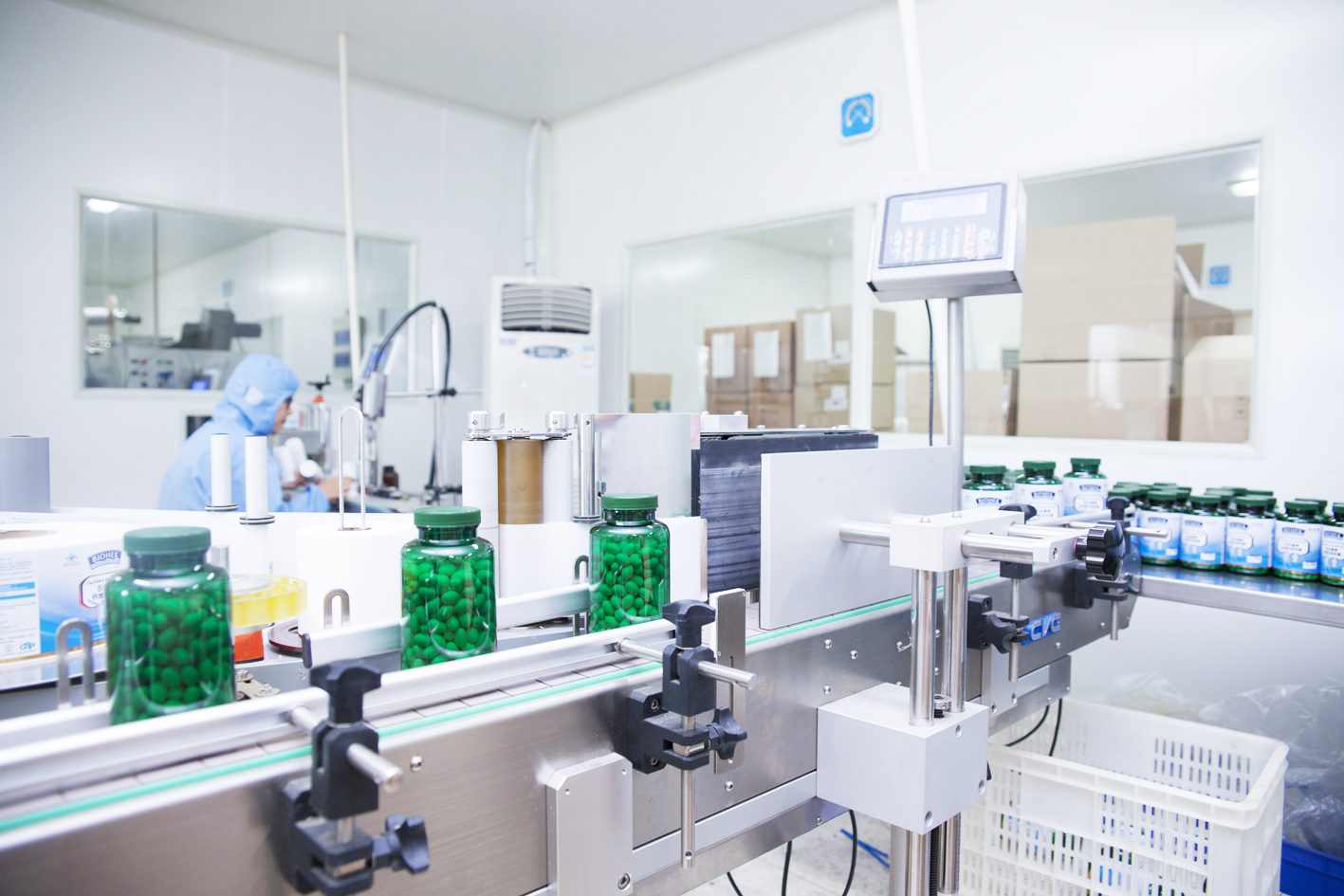
Purecium's Bulk CLA Softgels are manufactured under a quality system designed to meet the documentation and consistency requirements of global supplement manufacturers:
- Facility Certifications: GMP-compliant softgel encapsulation manufacturing, HACCP food safety protocols, ISO 22000 food safety management, with Non-GMO certified sourcing options available
- Isomer Composition Testing: Each batch is tested via HPLC or GC methods to verify c9,t11 and t10,c12 isomer content and overall total CLA percentage against target specification
- Oxidation Testing Protocol: Each batch is tested for peroxide value (PV) and other relevant oxidative stability indicators, given CLA's susceptibility to oxidative degradation as an unsaturated fatty acid product
- Contaminant Testing: Heavy metals (lead, arsenic, cadmium, mercury) and residual solvent screening in line with USP/EP thresholds
- Microbiological Testing: Total plate count, yeast/mold, and pathogen screening on the finished encapsulated product
- Documentation: Certificate of Analysis (COA), Certificate of Origin, isomer composition test reports, oxidation and heavy metal reports provided with every shipment; regulatory support documentation available for market-specific compliance needs
CLA (Conjugated Linoleic Acid) Softgel for B2B Supplement Manufacturing
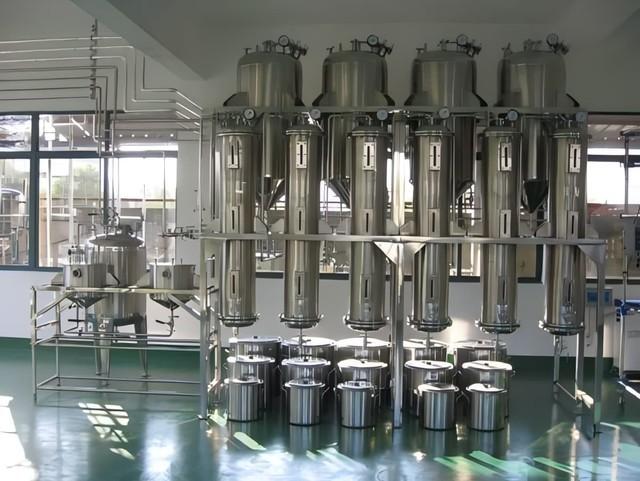
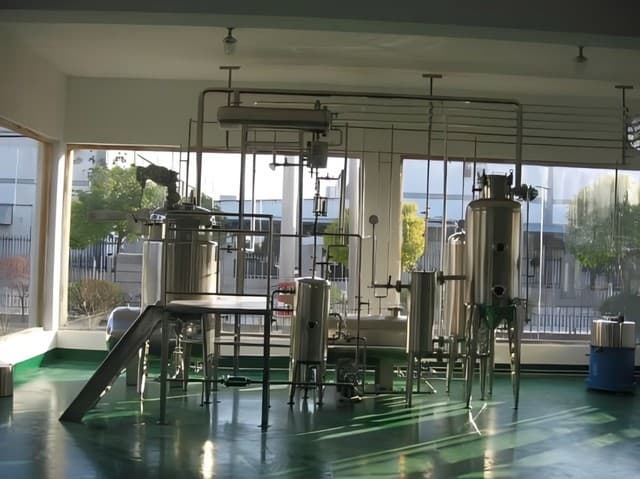
Purecium operates a coordinated supply chain — from raw oil sourcing through isomerization, purification, encapsulation, and bulk packaging — enabling consistent lot-to-lot quality and reliable lead times for B2B partners.
- Customer Types Served: Distributors, ingredient traders, contract manufacturers (CMO/CDMO), private label body composition and sports nutrition brands, and retailers building store-brand supplement lines
- Order Flexibility: MOQs suited to both trial/sample orders and large-volume production runs; bulk bag, bottle, and drum packaging options
- Customization: FFA/TG form selection, isomer ratio and total CLA concentration specification, softgel size and fill volume, shell material (bovine vs. marine gelatin), and custom bulk packaging configurations for private label programs
- Logistics: Export-ready documentation, appropriate shipping coordination for oxidation-sensitive oil products, and consistent inventory planning to support long-term supply agreements
- Regulatory Support: Assistance with documentation required for FDA, EFSA, and other regional regulatory submissions, including isomer composition documentation and Non-GMO sourcing support
How does bulk CLA softgel compare with CLA powder, safflower oil, and fish oil in B2B formulation?
Conjugated linoleic acid (CLA) is typically supplied as a free-flowing oil (triglyceride form) or as a softgel. CLA powder is an oil adsorbed onto a carrier such as silica or starch, yielding a free-flowing powder with lower active content (typically 50–70% CLA). Safflower oil is a triglyceride oil rich in linoleic acid (not conjugated); it is not a direct CLA source unless isomerized. Fish oil is a marine triglyceride rich in EPA/DHA, with a different fatty acid profile and regulatory identity. For bulk B2B formulation, the choice depends on dose, handling, and label claims. Specification and dosing: CLA softgels are standardized to 70–80% CLA (typically a 50:50 mix of cis-9,trans-11 and trans-10,cis-12 isomers). A typical daily dose is 3–6 g CLA, often split into 2–3 softgels. CLA powder requires higher mass to deliver the same CLA amount due to carrier dilution. Safflower oil provides linoleic acid (not CLA) and is dosed at 5–10 g/day for essential fatty acid intake. Fish oil is dosed at 1–3 g EPA+DHA per day. Softgels offer precise unit dosing and eliminate weighing and dust. Handling and stability: CLA oil is prone to oxidation; softgels protect the oil with a gelatin or non-animal shell and often include antioxidants (e.g., tocopherols). Bulk softgels require cool, dry storage and have a typical shelf life of 18–24 months. CLA powder is hygroscopic and may need desiccant packaging; it can segregate in blends. Safflower oil and fish oil are liquids requiring nitrogen flushing or antioxidant stabilization; fish oil has a characteristic odor and higher oxidation risk. Softgels reduce oxidation and odor issues. Regulatory and documentation: In the EU, CLA is a novel food authorized for use in food supplements (Commission Implementing Regulation (EU) 2017/2470). In the US, CLA is generally recognized as safe (GRAS) for certain food uses. Safflower oil and fish oil have established regulatory histories. Bulk softgels are supplied with certificate of analysis (CoA), material safety data sheet (MSDS), and often halal/kosher certificates. CLA powder requires carrier declaration. Fish oil may require sustainability documentation. All suppliers should provide allergen and GMO statements.Comparison in table form.
The table below sets out the parameters that determine how each material is specified, dosed and documented in a finished formulation.Parameter
Cla Softgel
CLA powder
Safflower oil
CAS number
Not applicable
Not applicable
8001-23-8
Chemical class
Conjugated linoleic acid
CLA on carrier
Triglyceride oil
Typical dose
3-6 g CLA/day
3-6 g CLA/day
5-10 g/day
Solubility
Oil-soluble
Dispersible powder
Oil-soluble
Stability
18-24 months
12-18 months
12-24 months
Regulatory status
Novel food (EU); GRAS (US)
Novel food (EU); GRAS (US)
Established food use
Supply form
Softgel capsules
Powder
Liquid oil
Documentation
CoA, MSDS, halal/kosher
CoA, MSDS, carrier info
CoA, MSDS