


PURECIUM
PURECIUM
Fish Oil(Omega 3) Softgel
Concentrated EPA/DHA, Private-Label Ready
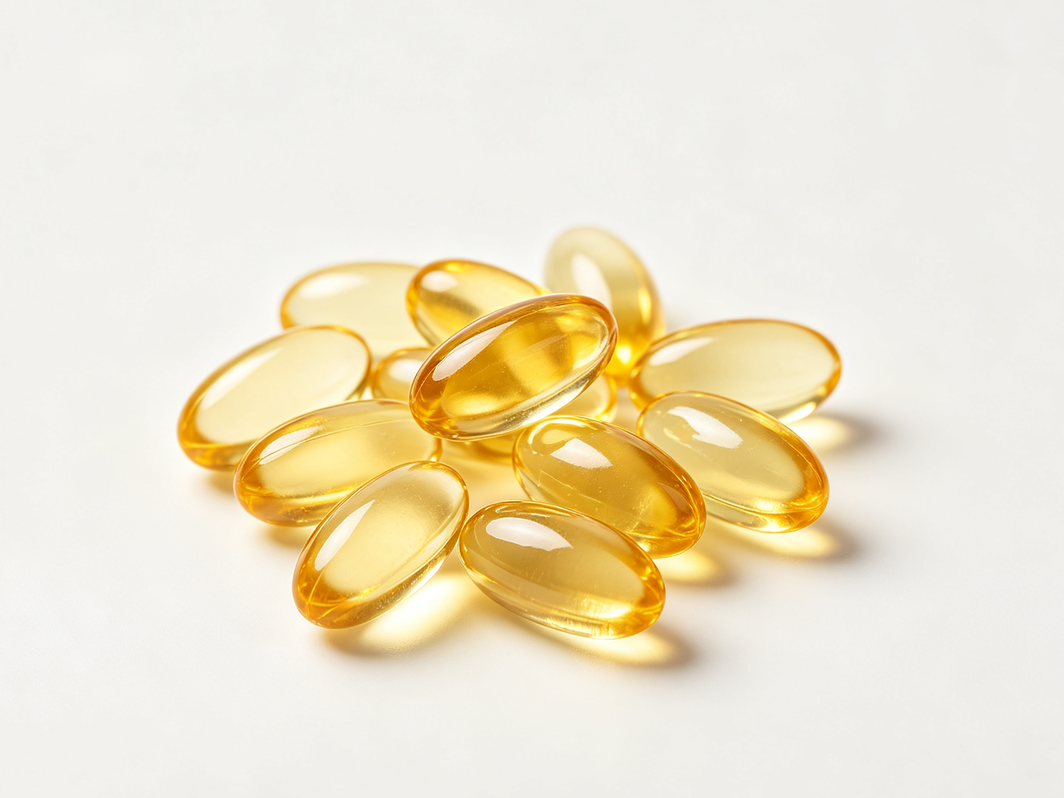
Fish Oil(Omega 3) Softgel
Purecium supplies bulk fish oil softgels engineered as a semi-finished raw material for private label brands, contract manufacturers, and distributors worldwide. Sourced from molecularly distilled fish oil and encapsulated under nitrogen-flushed, light-protected conditions, our softgels deliver consistent EPA/DHA potency, low oxidation values, and shell integrity suited for repackaging into finished consumer products. Available in ethyl ester (EE), triglyceride (TG), and re-esterified triglyceride (rTG) forms, every bulk lot ships with a full Certificate of Analysis covering oxidation parameters, heavy metals, and potency assay. Purecium's scalable supply chain makes us a dependable long-term bulk softgel partner for omega-3 product lines.
Product name: Fish Oil(Omega 3) Softgel
Molecular formula: /
Starting material: Anchovy/Sardine
Grade: Food grade
Heavy Metals: USP
Pesticide residue: USP/EP
Packing size: 6000kcap/carton
Fish Oil Softgel(18/12 EE&TG)
Fish Oil Softgel(180/120 EE&TG)
Fish Oil Softgel(30/20 EE&TG)
Fish Oil Softgel(300/200 EE&TG)
Fish Oil Softgel(36/24 EE&TG)
Fish Oil Softgel(360/240 EE&TG)
Fish Oil Softgel(40/20 EE&TG)
Fish Oil Softgel(400/200 EE&TG)
Fish Oil Softgel(50/20 EE&TG)
Fish Oil Softgel(500/200 EE&TG)
Fish Oil Softgel(50/25 EE&TG)
Fish Oil Softgel(500/250 EE&TG)
CAS#: /
Molecular weight:/
Source: Natural/Synthetic
Specification: HPLC
Country of origin: Peru(Fish Oil)
Residual solvent: USP/EP
Allergen free/Gluten-free/Non-GMO/Non-Irradiation

Product Overview
Fish oil provides long-chain omega-3 fatty acids including eicosapentaenoic acid (EPA, CAS 10417-94-4, C20H30O2, molecular weight 302.45 g/mol) and docosahexaenoic acid (DHA, CAS 6217-54-5, C22H32O2, molecular weight 328.49 g/mol), which are the principal bioactive constituents measured and standardized in this softgel product.
Purecium Fish Oil Softgels (Bulk) are a semi-finished dietary supplement raw material — softgel capsules filled with fish oil, supplied in unlabeled bulk packaging rather than as a finished, retail-ready consumer product. As a B2B ingredient supplier, Purecium serves distributors, contract manufacturers (CMOs/CDMOs), and finished-product brands that require pre-encapsulated fish oil softgels for repackaging, private labeling, or incorporation into their own retail packaging, without needing to operate their own softgel encapsulation line.
Bulk fish oil softgels sit at a different point in the supply chain than raw fish oil liquid or fish oil powder: the encapsulation step has already been completed under controlled manufacturing conditions, meaning the buyer's primary remaining steps are bottling, labeling, and market-specific compliance packaging rather than formulation and encapsulation from scratch. This makes bulk softgels a common sourcing model for smaller or mid-sized supplement brands that want to bring an omega-3 product to market without the capital investment of establishing in-house softgel manufacturing capability.
Typical commercial fish oil softgels are produced from sustainably sourced small pelagic fish such as anchovy and sardine, which naturally accumulate long-chain omega-3 triglycerides. After raw oil extraction, refiners apply degumming, neutralization, bleaching and deodorization steps, and molecular distillation is widely used to concentrate EPA and DHA while removing environmental contaminants and volatile oxidation products. Finished oil quality is monitored through peroxide value, anisidine value and total oxidation (TOTOX) measurements, and reputable programs such as IFOS and IFFO provide third-party testing frameworks that align with the purity expectations of the international supplement market.
Softgel encapsulation protects the oil from oxygen and light, the two main drivers of lipid oxidation during storage. Gelatin or plant-based shells enclose the liquid oil fill, and formulation parameters such as shell moisture, fill temperature and oxygen headspace are controlled during encapsulation to preserve sensory quality and stability over the declared shelf life. Batch records for every production run document fill weight variation, dissolution performance and shell integrity, giving supplement brands and distributors a fully traceable quality trail from oil intake to packed softgels.
For formulators, the practical specification points for omega-3 softgels are the EPA and DHA content per softgel, the oxidation markers mentioned above, and the absence of detectable heavy metals, dioxins and related environmental contaminants, typically verified against pharmacopoeial or third-party monographs such as those of the European Pharmacopoeia and the United States Pharmacopeia. Sensory expectations for a fresh oil include a mild marine odor with no rancid note, which correlates with low peroxide and anisidine values at the time of manufacture.
Purecium supplies fish oil softgels to distributors, private-label brands and contract manufacturers with complete documentation, including Certificates of Analysis for each batch, specification sheets, and regulatory support files for the destination markets. MOQ, lead time and packaging options follow the same commercial framework used across the Purecium finished-dosage range, and technical staff can support stability study design and label claim validation for omega-3 products.
For brands positioning omega-3 products in the mobility, cardiovascular-wellness and cognitive-wellness categories, raw oil provenance and processing transparency have become purchasing prerequisites. Buyers commonly request documentation of species origin, fishing grounds and sustainability programs, alongside the finished softgel quality file. Purecium consolidates this documentation into a single supply dossier per order, covering the oil certificate, encapsulation batch records and final product Certificate of Analysis, which shortens the qualification cycle for distributor quality teams and contract manufacturer audits alike.
Storage and logistics also deserve attention with fish oil softgels. The finished product should be kept in cool, dry conditions away from direct sunlight, and temperature excursions during ocean or overland freight should be monitored where the supply chain requires it. Purecium packaging for bulk softgel shipments is designed around these requirements, and the commercial team can advise on seasonal shipping windows and destination-market stability expectations, ensuring that omega-3 softgels reach the customer's warehouse within specification.
From a regulatory documentation standpoint, fish oil softgels exported to the United States, the European Union and other key markets typically follow food supplement or novel-food frameworks depending on the destination. Purecium maintains specification files aligned with these frameworks and can provide the analytical support data that brand owners and importers of record require for registration, including stability summaries, contaminant profiles and label compliance checks.
Quality assurance at the Purecium facility follows cGMP principles, with incoming oil inspection, in-process encapsulation monitoring and finished product release testing executed against written procedures. Retention samples are kept for every batch, and deviation handling, change control and internal audit programs follow the same documented quality system that supports the company's ISO 9001 and FSSC 22000 certifications.
Buyers evaluating omega-3 softgel suppliers typically request samples for sensory and stability assessment before commercial orders. Purecium supports this evaluation stage with representative samples, specification sheets and open technical dialogue on formulation goals, so that distributors and private-label brands can validate the product against their own quality criteria before scaling to bulk supply.
Source & Ingredient Identity
- Oil Source: Deep-sea fish oil (species commonly including anchovy, sardine, and mackerel, depending on sourcing specification)
- Available Forms: Ethyl Ester (EE), Triglyceride (TG), and Re-esterified Triglyceride (rTG) — see FAQ section below for a detailed comparison
- Potency/Concentration: Available in a range of EPA/DHA concentrations depending on customer specification, from standard natural-ratio fish oil to high-concentration formats
- Softgel Shell Material: Gelatin-based shell (bovine or fish/marine gelatin options available depending on customer requirements, e.g., for Halal/Kosher or pescatarian-labeling considerations)
- Appearance: Amber to golden-yellow softgel, oval or round shape depending on fill volume and mold specification
- Fill Volume Options: Customizable per customer specification (commonly ranging from 500mg to 1500mg per softgel, depending on target dosage)
- Packing Options: Bulk bags, bulk bottles, or bulk drums (unlabeled); custom bulk packaging configurations available for private label programs
- Available Grades: Standard concentration fish oil softgels, high-potency concentrate softgels, and organic/sustainably-certified sourcing options (e.g., MSC/Friend of the Sea-aligned sourcing where applicable)
Key Characteristics of Fish Oil (Omega-3) Softgel
- Oxidative stability: A key quality differentiator for bulk fish oil softgels, given fish oil's inherent susceptibility to oxidation; oxidation parameters (peroxide value, anisidine value, and calculated TOTOX value) are core specification points buyers should evaluate
- Shell integrity and consistency: Bulk softgels are evaluated for shell thickness consistency, seal integrity, and resistance to leakage or rupture during bulk transport and subsequent repackaging handling
- Form-dependent bioavailability characteristics: The molecular form of the fish oil (EE, TG, or rTG) inside the softgel is understood in the nutrition literature to influence relative absorption characteristics, a distinction covered in detail in the FAQ section below
- Odor and taste masking: Encapsulation itself provides a degree of taste and odor masking compared to liquid fish oil, though softgel formulations may still include enteric coating or flavor-masking additives depending on customer specification
- Repackaging compatibility: Supplied unlabeled and in bulk format specifically to allow downstream customers to apply their own branding, bottle format, and labeling without requiring re-encapsulation
Manufacturing / Production Process
- Raw Fish Oil Sourcing & Refining: Crude fish oil is sourced and undergoes refining steps including degumming, neutralization, bleaching, and deodorization to remove impurities and reduce off-flavors
- Molecular Distillation: The refined oil undergoes molecular distillation under vacuum and controlled temperature to concentrate EPA/DHA content and reduce environmental contaminants such as heavy metals and persistent organic pollutants to within compendial/regulatory limits
- Form Processing (EE/TG/rTG): Depending on the target product form, the oil may undergo ethyl esterification (for EE-form concentration) or re-esterification back to triglyceride form (for rTG-form product) — detailed in the FAQ section below
- Antioxidant Stabilization: Natural antioxidants (commonly mixed tocopherols) are blended into the finished oil to help protect against oxidative degradation prior to and after encapsulation
- Softgel Encapsulation: The stabilized fish oil is encapsulated into gelatin-based softgel shells under controlled temperature and humidity conditions using rotary die encapsulation equipment
- Drying & Tumbling: Freshly encapsulated softgels undergo controlled drying and tumbling to achieve proper shell hardness and remove surface residue
- Quality Testing & Bulk Packaging: Each production batch undergoes oxidation, potency, and contaminant testing prior to bulk packaging in nitrogen-flushed, light-protected bulk containers to minimize oxidative exposure during storage and transport
Primary Applications
Bulk Fish Oil Softgels are used across the dietary supplement and functional nutrition industries for the following categories:
- General omega-3 / cardiovascular wellness formulations — the most widely recognized application category for fish oil softgel products in the global supplement market
- Sports nutrition and recovery-adjacent formulations — positioned within broader anti-inflammatory and joint-comfort-adjacent product lines, often alongside other recovery-supportive ingredients
- Cognitive and general wellness formulations — leveraging DHA's recognized role in normal brain and visual function, referenced extensively in the general nutrition and prenatal wellness literature
- Prenatal and maternal nutrition formulations — DHA-standardized fish oil softgels are a common component of prenatal supplement product lines, subject to market-specific regulatory requirements for this use case
- Private label and store-brand omega-3 product lines — bulk softgels are a particularly common sourcing route for retailers and emerging brands building an omega-3 SKU without in-house encapsulation capability
Published nutritional science and cardiovascular research literature has extensively examined EPA and DHA, the primary long-chain omega-3 fatty acids found in fish oil, for their association with normal cardiovascular function, triglyceride level management, and general inflammatory response modulation. A substantial body of published clinical research has also evaluated DHA specifically for its role in normal brain, eye, and nervous system development and function, given DHA's structural presence in neural and retinal tissue. Additional published research has explored the relative bioavailability of different fish oil molecular forms (ethyl ester versus triglyceride versus re-esterified triglyceride), a distinction addressed in detail in the FAQ section below. It's important to note that Fish Oil is regulated globally as a dietary supplement ingredient, not a drug (with the exception of certain prescription-strength omega-3 pharmaceutical products in specific markets), and Purecium does not make disease-treatment or diagnostic claims; any health-related positioning should be substantiated independently by the brand owner in accordance with the regulatory framework of their target market (e.g., FDA DSHEA in the US, EFSA health claim regulations in the EU).
Mechanism of Action
At a compositional level, Fish Oil's functional properties are generally attributed to the following factors:
- EPA (Eicosapentaenoic Acid) and inflammatory pathway modulation — EPA is understood in the general nutrition literature to serve as a precursor to specific signaling molecules involved in the body's inflammatory response regulation pathways, a mechanism frequently referenced in cardiovascular and joint-comfort-adjacent formulation contexts.
- DHA (Docosahexaenoic Acid) and structural membrane incorporation — DHA is a major structural component of cell membranes in neural and retinal tissue, and its dietary intake is understood to support normal membrane fluidity and function in these tissue types, a mechanism central to DHA's positioning in cognitive and visual wellness formulations.
- Molecular form and absorption kinetics — the chemical form in which EPA/DHA are bound (ethyl ester, triglyceride, or re-esterified triglyceride) is understood in comparative absorption studies to influence the rate and extent of intestinal absorption, with re-esterified triglyceride form frequently referenced in the literature as having favorable relative bioavailability characteristics compared to ethyl ester form — a distinction explored in depth in the FAQ section below.
These mechanisms are described at a general, literature-referenced level; Purecium does not attribute specific clinical outcomes to its ingredient and encourages brand partners to consult current regulatory guidance for claims substantiation in their target markets.
Production & Quality Control
Purecium's Bulk Fish Oil Softgels are manufactured under a quality system designed to meet the documentation and consistency requirements of global supplement manufacturers:
- Facility Certifications: GMP-compliant softgel encapsulation manufacturing, HACCP food safety protocols, ISO 22000 food safety management, with organic and sustainably-certified sourcing options available
- Oxidation Testing Protocol: Each batch is tested for peroxide value (PV), anisidine value (AV), and calculated TOTOX value, key indicators of oxidative freshness in fish oil products, with results benchmarked against internationally recognized limits (e.g., GOED Voluntary Monograph standards)
- Contaminant Testing: Heavy metals (lead, arsenic, cadmium, mercury), dioxins/PCBs, and other environmental contaminant screening in line with EU and US regulatory thresholds for marine-derived oils
- Potency Verification: EPA/DHA content verified via validated chromatographic methods (such as GC) against the customer's target concentration specification
- Microbiological Testing: Total plate count, yeast/mold, and pathogen screening on the finished encapsulated product
- Documentation: Certificate of Analysis (COA), Certificate of Origin, oxidation test reports, heavy metal and contaminant reports, and sustainability/sourcing documentation provided with every shipment; regulatory support documentation available for market-specific compliance needs
Fish Oil (Omega-3) Softgel for B2B Supplement Manufacturing
Purecium operates a coordinated supply chain — from raw fish oil sourcing through refining, molecular distillation, encapsulation, and bulk packaging — enabling consistent lot-to-lot quality and reliable lead times for B2B partners.
Purecium supplies the full fish oil softgel concentrate range from 18/12 (18% EPA / 12% DHA) through 30/20, 40/20 and 50/25 (50% EPA / 25% DHA), in both ethyl ester (EE) and natural triglyceride (TG) forms, with each bulk batch documented by HPLC assay and a complete Certificate of Analysis.
Reviewed by the Chief Quality Assurance / Regulatory Affairs Specialist at Purecium for technical accuracy and regulatory alignment.
How does bulk Fish Oil Softgel compare with algal oil, krill oil, and flaxseed oil in specification, dosing, handling, and regulatory status for B2B formulation?
Fish oil softgels are typically standardized to 18/12 or 30/20 EPA/DHA ratios, with total omega-3 content ranging from 30% to 70%. Algal oil offers a vegan, DHA-dominant profile (typically 40-50% DHA) and is free from fish allergens, but it generally has lower EPA content and higher cost per kilogram. Krill oil provides omega-3s in phospholipid form, which may enhance bioavailability, but its total omega-3 concentration is lower (typically 20-30%) and it contains astaxanthin. Flaxseed oil contains alpha-linolenic acid (ALA), not EPA/DHA, requiring enzymatic conversion in humans, which is inefficient. For bulk B2B formulation, fish oil softgels are the most cost-effective and widely used source of EPA/DHA, with established supply chains and regulatory acceptance. Dosing varies by target population and health claim. Fish oil softgels are commonly dosed at 1-3 grams per day to deliver 300-1000 mg EPA+DHA. Algal oil dosing is similar but often higher due to lower EPA content. Krill oil is typically dosed at 500-1000 mg per day, providing 100-300 mg omega-3s. Flaxseed oil requires 10-20 grams per day to achieve comparable ALA intake, but conversion to EPA/DHA is limited (5-10% for EPA, 0.5-5% for DHA). In bulk softgel manufacturing, fish oil is compatible with standard gelatin or vegetarian shells, while algal and krill oils may require antioxidant stabilization due to higher oxidation susceptibility. Flaxseed oil is highly prone to rancidity and often requires nitrogen flushing and cold storage. Regulatory status: Fish oil is generally recognized as safe (GRAS) in the US and has approved health claims in the EU for EPA/DHA (e.g., 250 mg/day for heart health). Algal oil is also GRAS and approved for infant formula in some regions. Krill oil is GRAS but has limited health claims. Flaxseed oil is GRAS but lacks approved EPA/DHA claims. Documentation for bulk fish oil includes certificates of analysis (COA), safety data sheets (SDS), and sustainability certifications (e.g., MSC). Algal oil may require allergen statements, while krill oil needs phospholipid content verification. Flaxseed oil requires peroxide value and fatty acid profile testing. All require GMP-compliant manufacturing and traceability records.Comparison in table form.
The table below sets out the parameters that determine how each material is specified, dosed and documented in a finished formulation.Parameter
Fish Oil Softgel
Algal oil
Krill oil
CAS number
8002-50-4
Not applicable
Not applicable
Chemical class
Triglycerides
Triglycerides
Phospholipids
Typical dose
1-3 g/day
1-2 g/day
0.5-1 g/day
Solubility
Lipophilic
Lipophilic
Lipophilic
Stability
Moderate
Low
Low
Regulatory status
GRAS, EU claims
GRAS, infant formula
GRAS, limited claims
Supply form
Softgel
Softgel or liquid
Softgel
Documentation
COA, SDS, MSC
COA, SDS, allergen
COA, SDS, phospholipid