Biotin Powder for Hair, Skin, Nail and Energy Metabolism Formulas
USP-Grade D-Biotin with 99% Min Assay and Kosher/Halal Certified Production
Embodies the essence of pure, high-quality dietary supplement ingredients
Biotin (Vitamin B7)
Hair, Skin and Nail Support
Biotin (Vitamin B7)
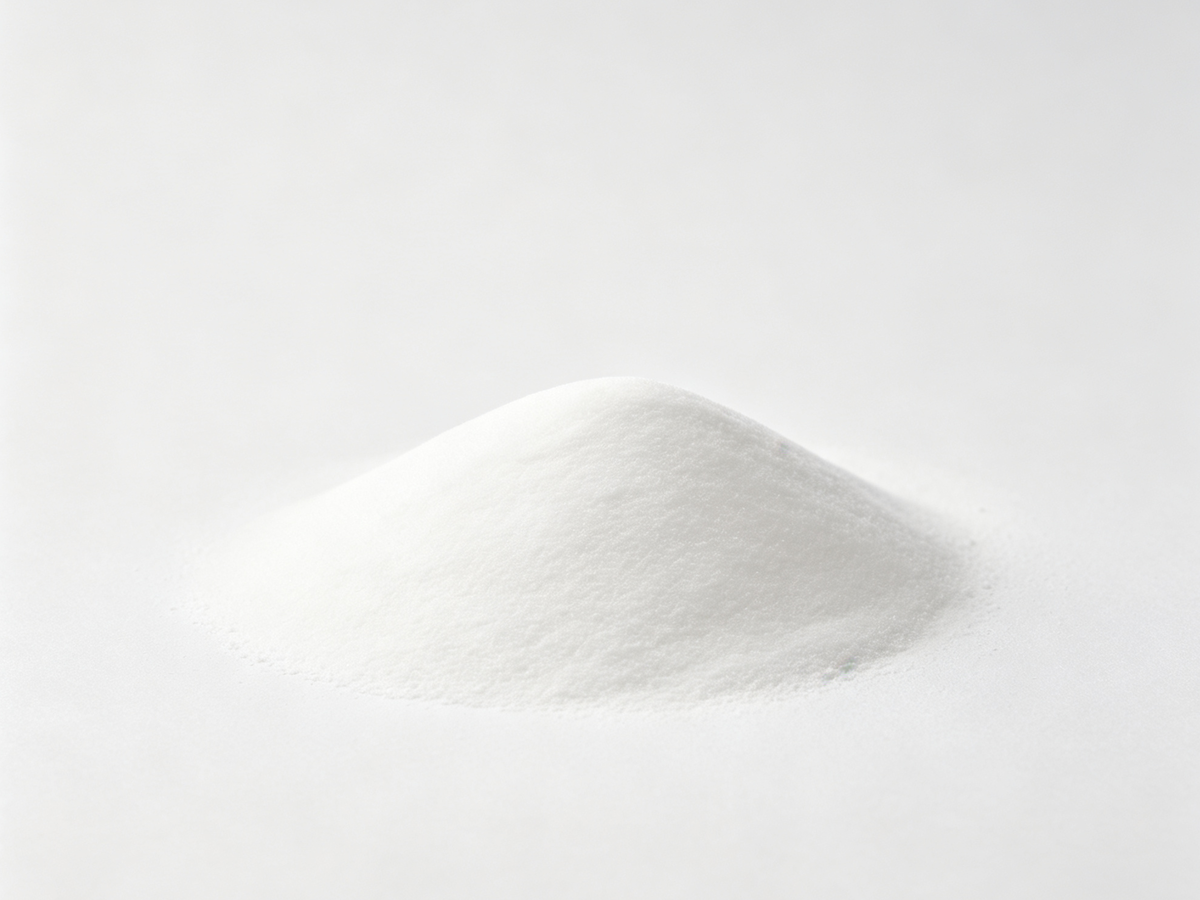
Purecium Biotin is a white, free-flowing crystalline powder for hair, skin, nail, energy metabolism and nervous system support formulations. Identified by CAS number 58-85-5 with molecular formula C10H16N2O3S and molecular weight 244.31 g/mol, our synthetic D-biotin (vitamin B7) is produced to USP and EP standards with a 99.0% to 101.0% minimum assay, HPLC-verified on every batch. Allergen-free, gluten-free, non-GMO and vegan, it is packed in 25 kg drums with a 25 kg minimum order, staged at our US warehouse, and supported by regulatory documentation for distributors, contract manufacturers and supplement brands worldwide.
Product name: Biotin (Vitamin B7)
Molecular formula: C10H16N2O3S
Starting material: Synthetic route (total chemical synthesis)
Grade: USP / EP
Heavy Metals: Conforms to USP/EP
Pesticide residue: Conforms to USP/EP
Packing size: 25kg/drum
CAS#: 58-85-5
Molecular weight: 244.31 g/mol
Source: Synthetic (D-biotin)
Specification: 99.0%-101.0% assay (USP), white crystalline powder
Country of origin: China
Residual solvent: Conforms to USP/EP
Allergen free/Gluten-free/Non-GMO/Vegan/Non-Irradiation:

Biotin (Vitamin B7) Overview
Biotin, also known as vitamin B7, vitamin H or coenzyme R, is the water-soluble vitamin that acts as the coenzyme for five biotin-dependent carboxylases in human metabolism, identified by CAS number 58-85-5, molecular formula C10H16N2O3S and molecular weight 244.31 g/mol. Through these carboxylases, biotin participates in fatty acid synthesis, gluconeogenesis, amino acid catabolism and energy-yielding metabolism, and it is the biologically active D-isomer that is used in commerce and defined in the USP-NF and European Pharmacopoeia monographs.
For the dietary supplement industry, biotin is a core nutrient in hair, skin and nail products, energy metabolism systems, B-complex and multivitamin formulas, and glucose-metabolism support blends, and it is one of the fastest-growing single ingredients in beauty-from-within products. Purecium supplies D-Biotin as a white, free-flowing crystalline powder standardized to 99.0% minimum assay, sold exclusively as a B2B raw material for distributors, contract manufacturers, private-label producers and finished supplement brands.
Source & Ingredient Identity
Purecium Biotin is manufactured by total chemical synthesis, the standard commercial route for D-biotin, which produces the biologically active D-isomer as a pure white crystalline powder with defined stereochemistry, free from animal-derived input and fully suitable for vegan labeling. The synthetic route is controlled at every step to preserve the correct configuration at the three chiral centers that determine biotin's biological activity.
Two forms are offered under this product line: D-Biotin USP grade, 99.0% to 101.0% assay on a dried basis, conforming to USP and EP monographs; and Biotin triturations at 1% and 2% on maltodextrin carrier, used when precise low-dose blending is required. All forms are produced in China and non-irradiated, with no allergens, no gluten and no GMO material. For B2B buyers, the critical purchasing checks are the assay, the optical rotation confirming the D-isomer, and the declared impurity profile on the Certificate of Analysis.
Key Characteristics of Biotin (Vitamin B7)
1. Coenzyme for macronutrient metabolism. Biotin is the prosthetic group of five carboxylases: acetyl-CoA carboxylase, pyruvate carboxylase, propionyl-CoA carboxylase and two methylcrotonyl-CoA carboxylase forms, which support fatty acid synthesis, gluconeogenesis and the catabolism of leucine and other amino acids, roles recognized by EFSA in authorized claims for normal energy-yielding metabolism.
2. Beauty-from-within credentials. EFSA has authorized claims that biotin contributes to the maintenance of normal hair, normal skin and normal mucous membranes, making it the anchor ingredient of hair, skin and nail supplements, typically dosed at 2.5 to 10 mg per serving in these products.
3. Regulatory-clear and consumer-safe. The FDA has established a Daily Value of 30 micrograms for biotin and has set no upper intake level, reflecting its wide safety margin, and the NIH Office of Dietary Supplements provides guidance on biotin intake and on the well-documented interference of very high biotin doses with certain laboratory immunoassays, an important consideration for high-dose product positioning.
Biotin (Vitamin B7) Manufacturing
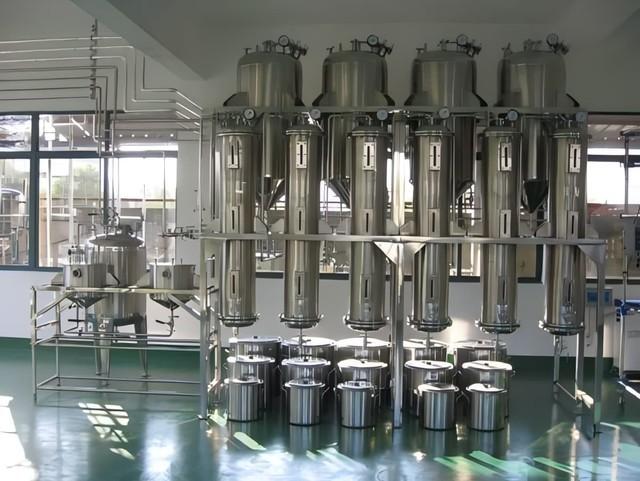
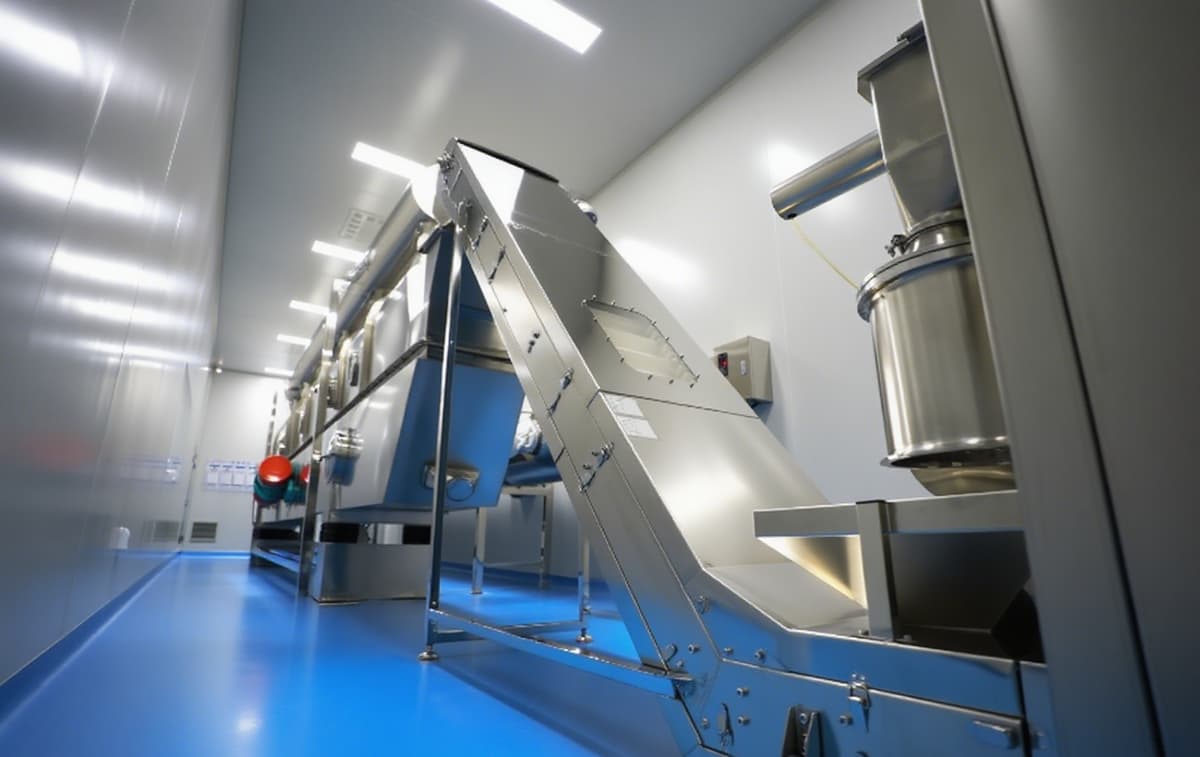
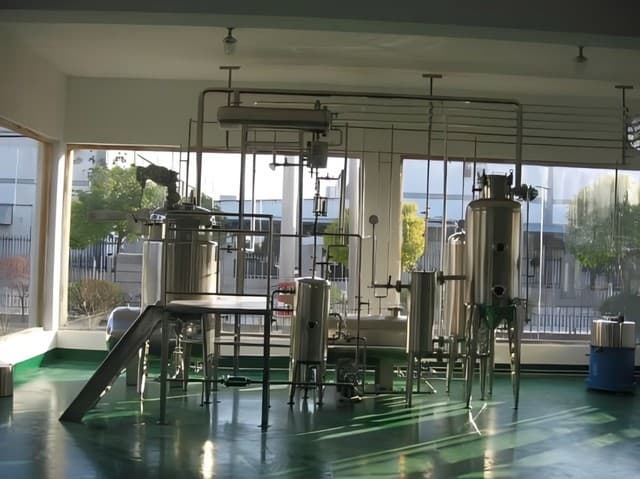
The manufacturing process follows a total synthesis route: fumaric acid derivatives and other building blocks are converted through a controlled multi-step sequence into the bicyclic biotin skeleton, after which the molecule is purified by crystallization to yield the white, free-flowing crystalline D-biotin product. The finished crystals are dried and screened to a defined particle-size profile, and the lot is assayed by HPLC against the USP-NF and European Pharmacopoeia monographs for biotin.
Every production stage is process-controlled, and each finished lot is verified by HPLC before release. Identification by infrared spectroscopy, optical rotation confirming the D-isomer, melting point, related substances, heavy metals, residual solvents, moisture and microbiological results are reported on the batch Certificate of Analysis. For triturations, the carrier blend is mixed under validated uniformity procedures, and each lot is traceable from starting material to finished drum.
Applications of Biotin (Vitamin B7)
Hair, skin and nail support and energy metabolism are the primary applications of biotin. Mechanistically, biotin is covalently bound to carboxylases that catalyze key steps in fatty acid synthesis, gluconeogenesis and amino acid catabolism, so it is required for the normal production of energy from macronutrients and for the cellular metabolism that underpins healthy hair, skin and nails. Through these pathways, biotin contributes to normal energy-yielding metabolism, normal functioning of the nervous system, normal psychological function, normal macronutrient metabolism and the maintenance of normal hair, skin and mucous membranes, all recognized by EFSA as authorized claims.
These mechanisms underpin its classic use in beauty-from-within hair, skin and nail formulas, energy and metabolism products, glucose-metabolism support blends, and B-complex and multivitamin systems. Peer-reviewed research has examined biotin in hair thinning, nail brittleness and metabolic contexts extensively, and adequate intake levels are established by the FDA and other regulatory agencies. Finished-product claims should always follow the regulations of the destination market.
Biotin is compatible with tablets, hard capsules, softgels, gummies, sachets and powder blends, and pairs naturally with collagen, zinc, keratin and other beauty ingredients, and with the full B-complex family in multivitamins. Because effective doses in hair and skin products (2.5 to 10 mg) are far above nutritional levels, biotin 1% and 2% triturations are commonly used to achieve blend uniformity, while the 99% pure crystalline powder serves capsule and tablet systems. The free-flowing powder gives B2B buyers full flexibility across dry dosage forms.
Manufacturing & Quality Control
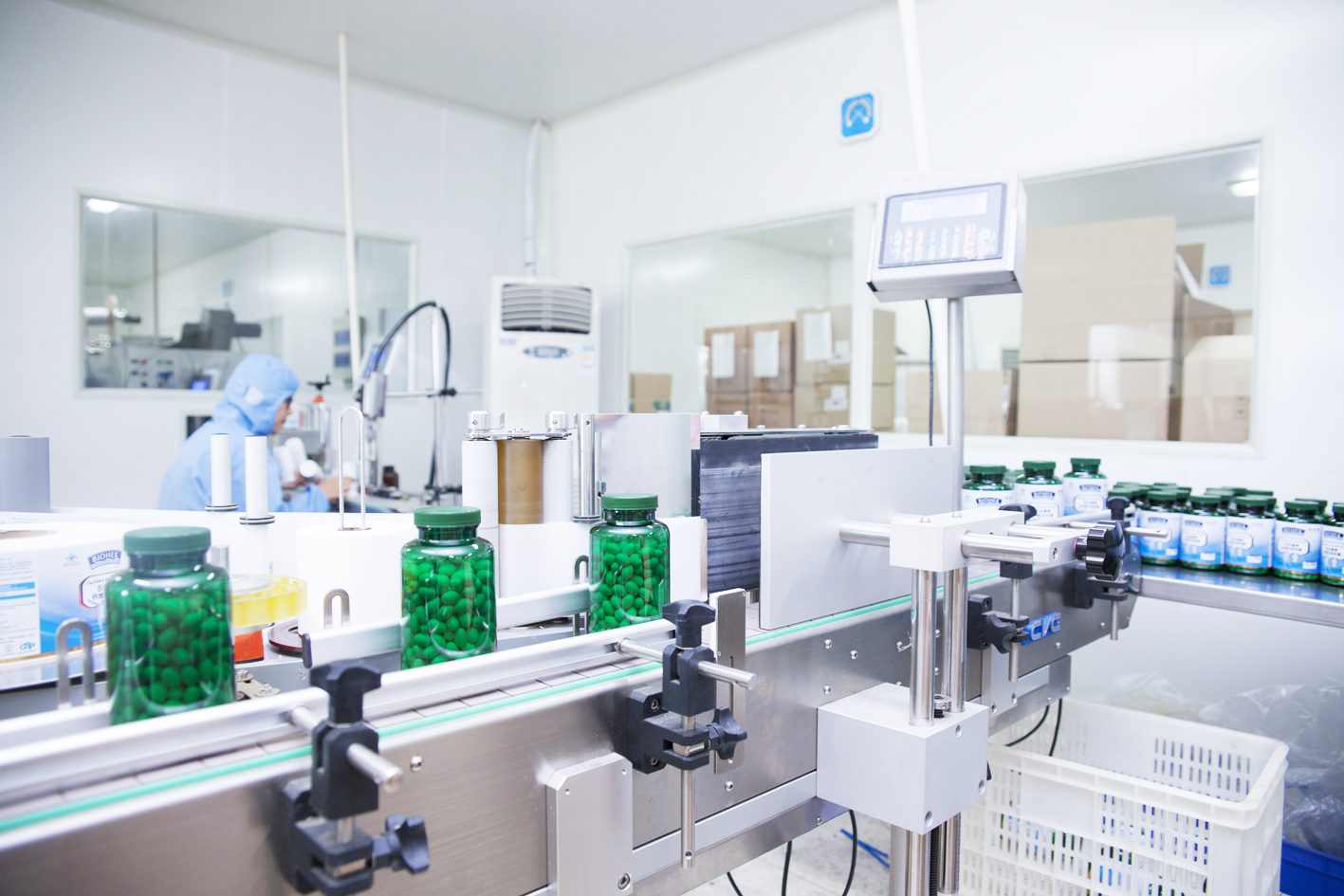
Purecium Biotin is produced in facilities operating under ISO 9001 and FSSC 22000 certified quality systems, with Kosher and Halal certification available. Analytical methods follow the current USP-NF and European Pharmacopoeia monographs for Biotin, and each batch is assayed by HPLC for content. Routine release testing covers identification, assay (99.0% to 101.0% on dried basis), optical rotation, melting point, related substances, moisture, heavy metals, residual solvents and microbial limits, with results documented on a batch-specific Certificate of Analysis.
Each commercial lot is fully traceable from starting material to finished drum. Alongside the CoA, Purecium provides the specification sheet, SDS, allergen and gluten statements, non-GMO declarations and stability data on request, giving buyers the documentation needed for raw-material approval and finished-product registration.
Biotin (Vitamin B7) for B2B Supplement Manufacturing
Purecium supplies Biotin exclusively as a B2B raw material for distributors, contract manufacturers, private-label producers and finished supplement brands. The minimum order quantity is 25 kg. The powder is packed in 25 kg drums with food-grade aluminum-foil inner bags, biotin triturations are supplied in 25 kg drums on maltodextrin carrier, and samples and full documentation are available before commitment.
For North American customers, inventory is staged at Purecium's US warehouse, enabling pickup or delivery within approximately two days. Global delivery covers Hong Kong, mainland China, the EU and other regions, with export documentation prepared for every shipment. Purecium also supports custom mesh sizing for direct-compression applications and provides technical and regulatory communication to move biotin from ingredient selection to commercial formulation.
Reviewed by the Chief Quality Assurance / Regulatory Affairs Specialist at Purecium for technical accuracy and regulatory alignment.
Biotin (Vitamin B7) Frequently Asked Questions (FAQ) for B2B Buyers
Q1. What is biotin used for in dietary supplements?
Biotin (vitamin B7) is used primarily for hair, skin and nail support, energy-yielding metabolism, macronutrient metabolism, nervous system function and psychological function. As the coenzyme of five carboxylases, it is required for fatty acid synthesis, gluconeogenesis and amino acid catabolism, and EFSA recognizes that biotin contributes to the maintenance of normal hair, normal skin, normal mucous membranes, normal energy-yielding metabolism, normal macronutrient metabolism, normal functioning of the nervous system and normal psychological function. Purecium supplies D-biotin as a 99% minimum USP-grade white crystalline powder, plus 1% and 2% triturations, for distributors, contract manufacturers, private-label producers and supplement brands.
Q2. What is the difference between D-biotin and L-biotin?
Biotin has three chiral centers and exists in several stereoisomeric forms, but only D-biotin (the natural configuration) is biologically active as the carboxylase coenzyme. Commercial biotin is produced by total synthesis specifically as D-biotin, and the pharmacopeial identity test includes a specific optical rotation measurement that confirms the active D-isomer, typically in the range of +89 to +93 degrees for a 1% solution in sodium hydroxide. L-biotin and other isomers have no vitamin activity and are not acceptable in pharmacopeial-grade product. Buyers should verify the optical rotation on the Certificate of Analysis, in addition to the HPLC assay, when qualifying a biotin supplier.
Q3. Why is biotin sold as 1% and 2% premix as well as 99% pure powder?
The nutritional Daily Value for biotin is only 30 micrograms, and typical B-complex servings deliver 30 to 300 micrograms, so the active amount per dose is a tiny fraction of a percent of a typical capsule fill. Blending 99% pure biotin directly at these levels risks segregation and uniformity problems. Biotin triturations at 1% or 2% on a maltodextrin carrier increase the volume of powder to blend and are manufactured under validated mixing procedures, which is why premixes are the standard commercial solution for low-dose formulations, while the 99% pure powder is used for high-dose hair, skin and nail products at 2.5 to 10 mg per serving. Buyers should confirm the carrier, the declared assay basis and the uniformity data on the premix CoA.
Q4. What assay and quality specifications should I expect for biotin?
A USP-grade biotin should be assayed at 99.0% to 101.0% on a dried basis by HPLC against the USP-NF or EP monograph, with identification by infrared spectroscopy, specific optical rotation confirming the D-isomer (+89 to +93 degrees), melting point in the range of 229 to 232 degrees Celsius, related substances within limits, moisture not more than 1.0%, heavy metals within monograph limits, conforming residual solvents and microbial counts within USP/EP limits. The white crystalline appearance and freedom from discoloration are quick visual checks. Purecium reports all of these on the batch Certificate of Analysis, including the assay method, production date and expiry date. Buyers should always request the current CoA and confirm the assay basis.
Q5. What dose of biotin is used in hair, skin and nail products?
Hair, skin and nail products typically provide 2.5 to 10 mg (2500 to 10000 micrograms) of biotin per serving, which is far above the 30 microgram Daily Value because the popular-dose positioning is supported by product experience and by the EFSA-authorized claims that biotin contributes to the maintenance of normal hair, normal skin and normal mucous membranes. Regulatory agencies have not set an upper intake level for biotin, reflecting its wide safety margin, and high-dose biotin is well tolerated. Formulators should still confirm destination-market practice for dosage and claim wording, and should be aware that very high biotin intakes can interfere with certain laboratory immunoassays, an important disclosure point for medical and high-dose consumer positioning.
Q6. Can high-dose biotin interfere with laboratory tests?
Yes. The FDA has published a safety communication noting that high levels of biotin in blood can interfere with laboratory tests that use biotin-streptavidin technology, particularly certain immunoassays for thyroid function, cardiac markers and hormones, potentially causing falsely high or falsely low results. This is relevant to consumers taking high-dose biotin supplements (commonly 10 mg per day or more in hair, skin and nail products) and to healthcare professionals interpreting lab results. For B2B buyers, this is an important label-consideration point for high-dose products, and Purecium can provide reference information from the FDA and NIH Office of Dietary Supplements to support responsible product positioning and consumer communication.
Q7. Is biotin synthetic or natural, and is it vegan?
Commercial biotin is produced by total chemical synthesis, which yields the biologically active D-isomer with defined stereochemistry; it is not derived from animal tissue. The synthetic route uses no animal-derived input, so biotin is fully suitable for vegan labeling and is inherently non-GMO. It contains no gluten-containing ingredients and no major allergens. The 1% and 2% triturations use a maltodextrin carrier, which is also vegan and gluten-free. Allergen-free, gluten-free, non-GMO and vegan statements are provided with each shipment, and buyers should request these statements per lot for finished-product labeling in regulated markets.
Q8. What is the stability of biotin in finished formulations?
Biotin is stable in dry powder blends, tablets and capsules under normal storage conditions, and its shelf life is generally 36 months from manufacture when stored in sealed containers below 25 degrees Celsius, protected from moisture and light. It is sensitive to strong acid, strong alkali, oxidizing agents and prolonged high heat, so formulators should avoid harsh processing conditions and keep finished products dry. In gummies and chewables, biotin is generally stable, but finished-product stability testing is recommended because of the water activity and heat exposure in these formats. The crystalline powder and maltodextrin triturations both blend well and resist segregation when particle sizes are matched.
Q9. What quality documentation should I request when sourcing biotin?
A professional supplier should provide a current specification sheet, a batch-specific Certificate of Analysis showing identification, HPLC assay, optical rotation, melting point, related substances, moisture, heavy metals, residual solvents and microbial results, an SDS, allergen and gluten statements, and non-GMO declarations. For triturations, also request the carrier declaration, the uniformity or blending validation data, and the assay method for the premix. Depending on your destination market, also request Kosher and Halal certificates, copies of the ISO 9001 and FSSC 22000 certificates, and stability data for registration purposes. Purecium provides this full documentation set on request for every shipment.
Q10. What is the MOQ and lead time for biotin from Purecium?
The minimum order quantity is 25 kg for both the 99% pure powder and the 1% and 2% triturations. The powder is packed in 25 kg drums with food-grade aluminum-foil inner bags, and samples and technical documentation are available before you commit. Standard production lead time is typically 7 to 15 working days after order confirmation, depending on specification and production schedule, with faster dispatch for stocked items. For North American customers, Purecium holds inventory at its US warehouse, enabling pickup or delivery within approximately two days. Export documentation, including the Certificate of Analysis, packing list and certificate of origin, is prepared for every shipment.
Q11. How is biotin verified on the Certificate of Analysis?
The biotin CoA verifies identity and quality through several complementary tests: identification by infrared spectroscopy and HPLC retention time, assay by HPLC against the pharmacopeial reference standard (99.0% to 101.0% on a dried basis), specific optical rotation confirming the active D-isomer, melting point determination, related-substance testing, moisture, heavy metals, residual solvents and microbial enumeration. For triturations, the CoA also reports the biotin content on the premix, the carrier used, and blend-uniformity parameters. This combination of chemical, stereochemical and physical tests is what distinguishes pharmacopeial-grade D-biotin from lower-grade material. Purecium issues a full CoA with every lot.
Q12. What regulatory status does biotin have in major markets?
Biotin is an authorized vitamin for food supplements in the European Union, where EFSA has recognized claims for the maintenance of normal hair, skin and mucous membranes, normal energy-yielding metabolism, normal macronutrient metabolism, normal functioning of the nervous system and normal psychological function. In the United States, the FDA sets a Daily Value of 30 micrograms and has established no upper intake level, reflecting its wide safety margin. Other markets apply their own rules, and permitted dosage levels and claim wording differ between jurisdictions. B2B buyers should verify per-market requirements before finalizing label strength. Purecium provides regulatory-support documents to assist with submissions.
Q13. Can biotin be combined with collagen, zinc and other beauty ingredients?
Yes, biotin is the standard anchor of beauty-from-within formulas and combines naturally with hydrolyzed collagen, zinc, keratin, selenium, vitamin C and other hair, skin and nail nutrients. Biotin supports the normal maintenance of hair and skin through its carboxylase coenzyme role, collagen peptides provide the amino acid building blocks, and zinc contributes to normal hair, skin and nails as an EFSA-authorized nutrient, so the combination is mechanistically complementary. All are dry powders that blend well in tablets, capsules, sachets and gummies. Formulators should verify ingredient compatibility, particle-size matching and finished-product stability, and confirm label claims comply with destination-market regulations. Purecium can supply technical guidance for these combinations.
Q14. How should biotin be stored, and what is the shelf life?
Store biotin in tightly sealed original containers in a cool, dry place below 25 degrees Celsius, protected from moisture, light and strong oxidizing agents. The crystalline powder and the maltodextrin triturations are stable under these conditions, and shelf life is generally 36 months from the date of manufacture. Reseal containers immediately after use and avoid humidity during blending, since moisture can affect flow and promote caking. Each shipment's CoA states the production date and expiry date for inventory planning.
Q15. Why should we source biotin from Purecium?
Purecium supplies Biotin (Vitamin B7) as a B2B raw material for distributors, contract manufacturers, private-label producers and supplement brands, standardized to 99.0% minimum assay and produced to USP and EP standards as the biologically active D-isomer via controlled total synthesis. Every batch is HPLC-assayed, optically rotation-verified and shipped with a full Certificate of Analysis, SDS and supporting documentation. The minimum order is 25 kg, inventory is staged at our US warehouse for two-day pickup, and global delivery covers Hong Kong, mainland China, the EU and beyond. For long-term supply relationships, Purecium provides consistent quality, batch traceability, regulatory documents and direct technical communication rather than one-off spot pricing.
INQUIRY FORM
Let's Discuss Your Needs
Address: Room 509, The cloud 111 Tung chua ST, Tai kok TSUI, HONG KONG.
Global network:
Hong Kong|Mainland China
EU: Netherlands
US: California| New York