

Hyaluronic Acid (Sodium Hyaluronate) Powder
Fermented Hydration for Joints and Skin
Hyaluronic Acid
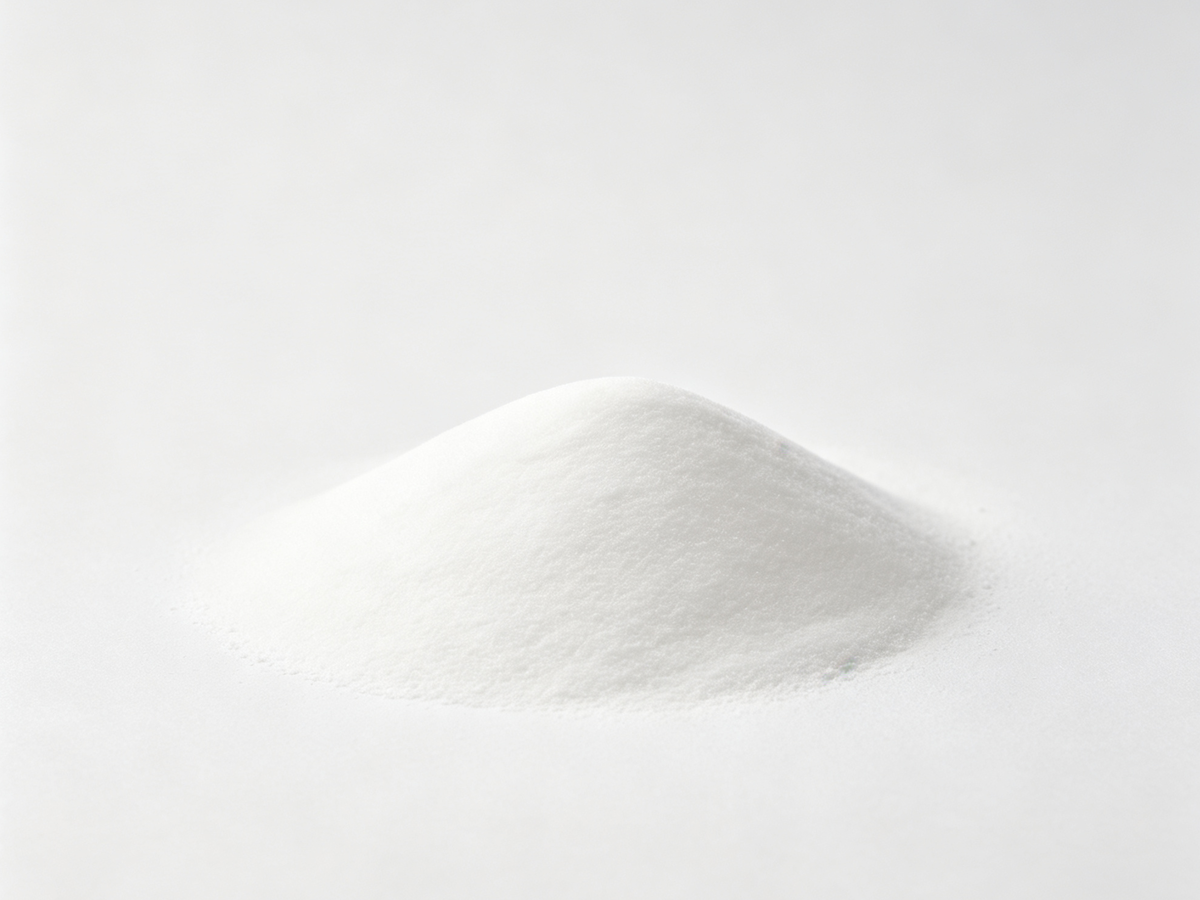
Purecium Hyaluronic Acid is supplied as food-grade sodium hyaluronate, the water-soluble sodium salt form of hyaluronic acid, carrying CAS 9067-32-7 and the repeating disaccharide formula (C14H20NNaO11)n with a repeat-unit molecular weight of about 401.3 g/mol. Produced by controlled microbial fermentation using non-GMO Streptococcus zooepidemicus on glucose-based media, it is a vegan, allergen-free material with an assay of at least 95% hyaluronic acid on a dry basis and molecular-weight grades from oligo to high-molecular-weight. Purecium ships it in 25 kg drums with a 25 kg minimum order, full COA documentation and US warehouse stock for fast B2B fulfillment.
Buyer snapshot: MOQ 25 kg; free samples with COA; stock held in the United States; stock held in the Netherlands (EU); 2-day pickup for North America; per-batch COA / TDS / SDS; quotation response within 12 business hours. Quotation on request, samples dispatched worldwide.
Product name: Hyaluronic Acid (Sodium Hyaluronate), Food Grade
Molecular formula: (C14H20NNaO11)n (sodium salt); (C14H21NO11)n (acid)
Starting material: Glucose-based fermentation (Streptococcus zooepidemicus)
Grade: Food Grade (oral supplement); USP/EP-grade available
Heavy Metals: Conforms to USP/EP limits (Pb < 10 ppm)
Pesticide residue: Conforms to USP/EP limits
Packing size: 25kg/drum
CAS#: 9067-32-7 (sodium salt); 9004-61-9 (acid)
Molecular weight: 401.3 g/mol (repeat unit); polymer 10 kDa - 2.0 MDa by grade
Source: Microbial fermentation (vegan)
Specification: Sodium hyaluronate >=95% (dry basis, as HA); MW grade Oligo/LMW/MMW/HMW
Country of origin: China
Residual solvent: Conforms to USP/EP limits
Allergen free/Gluten-free/Non-GMO/Vegan/Non-Irradiation:

Hyaluronic Acid Overview
Hyaluronic acid, also called hyaluronan or hyaluronate, is a naturally occurring, non-sulfated glycosaminoglycan made of repeating disaccharide units of D-glucuronic acid and N-acetyl-D-glucosamine. In the human body it is a structural component of synovial fluid, cartilage, skin and connective tissue, where it binds water and supports tissue hydration and lubrication. For dietary supplements, hyaluronic acid is normally supplied as sodium hyaluronate, the stable, freely water-soluble sodium salt form with CAS 9067-32-7 and repeating formula (C14H20NNaO11)n.
Purecium supplies food-grade sodium hyaluronate as a B2B raw material for distributors, contract manufacturers, private-label producers and finished supplement brands. Because hyaluronic acid is a polymer rather than a single small molecule, its commercial identity is defined by three parameters: the salt form, the assay of hyaluronic acid on a dry basis, and the molecular-weight grade, each of which is confirmed on the batch Certificate of Analysis.
Source & Ingredient Identity
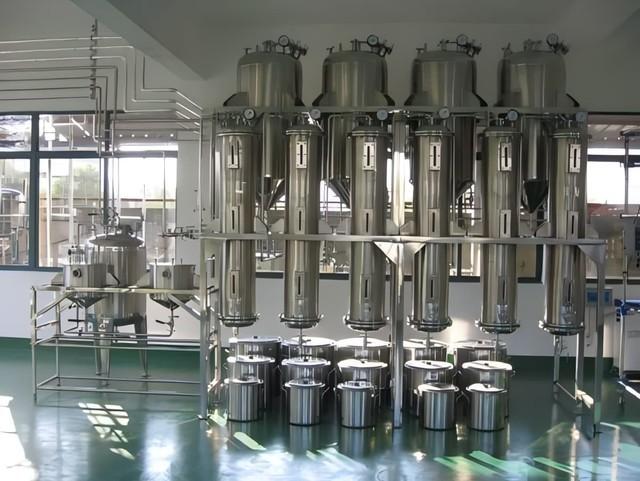
Purecium Hyaluronic Acid is produced by submerged bacterial fermentation of a non-GMO Streptococcus zooepidemicus strain on glucose-based media, followed by cell separation, purification, alcohol precipitation and drying. Fermentation has been the industrial standard for food and supplement grades for decades because it delivers consistent, animal-free material; historical animal-tissue extraction routes are not used for food-grade supply. The product is vegan, allergen-free and gluten-free.
The declared product is sodium hyaluronate, CAS 9067-32-7, with the repeating unit formula (C14H20NNaO11)n and a repeat-unit molecular weight of approximately 401.3 g/mol; the corresponding acid form, hyaluronic acid itself, carries CAS 9004-61-9 and formula (C14H21NO11)n. Molecular weight is controlled by fermentation conditions and downstream enzymatic or shear-mediated processing, giving buyers a choice of oligo (below 10 kDa), low-molecular-weight, medium-molecular-weight and high-molecular-weight grades up to about 2.0 MDa.
Key Characteristics of Hyaluronic Acid
1. Exceptional water binding and solubility. Sodium hyaluronate dissolves readily in water to form clear, viscous solutions, and hyaluronan is documented to bind a large multiple of its own weight in water. This hydration capacity is the property behind its roles in synovial-fluid lubrication, skin moisture retention and tissue space filling, and it is the reason the ingredient is used in both oral and topical formats.
2. Defined by assay and molecular-weight grade. Food-grade sodium hyaluronate is specified by hyaluronic-acid content of at least 95% on a dry basis (measured via glucuronic-acid assay) and by molecular-weight window. Low-molecular-weight and oligo grades are the typical choices for oral supplements because smaller chains are more readily absorbed after ingestion, while high-molecular-weight grades form surface films suited to topical and dermal applications.
3. Clean, vegan and formulation-friendly profile. Because production is fermentation-based, the material is animal-free and suitable for vegan and vegetarian products, and it is non-GMO, allergen-free, gluten-free and non-irradiated. It is neutral in taste and odor, dissolves without haze, and is compatible with capsules, tablets, stick powders, gummies and functional beverages.
Hyaluronic Acid Manufacturing
The manufacturing route is controlled submerged fermentation: the selected Streptococcus zooepidemicus strain is grown under sterile, monitored conditions on glucose-based media, then the culture is inactivated and the hyaluronan is recovered by purification steps that remove cells, proteins and endotoxins, followed by alcohol precipitation, drying and milling to the target molecular-weight grade. In-process controls cover fermentation yield, broth viscosity, protein content and microbial purity at each stage.
Molecular-weight control is the defining step of hyaluronic-acid manufacturing. Downstream enzymatic or mechanical fragmentation tailors the polymer to the ordered grade, and each finished lot is tested for hyaluronic-acid assay by glucuronic-acid analysis, molecular weight, loss on drying, protein, pH of solution, heavy metals and microbial limits. Analytical practice follows the USP-NF and European Pharmacopoeia monograph approaches for hyaluronate sodium where applicable, and results are reported on the batch Certificate of Analysis.
Applications of Hyaluronic Acid
Joint-comfort and mobility formulas are the most established oral application. Hyaluronic acid is a natural component of synovial fluid and cartilage, and hyaluronic-acid supplements are commonly combined with glucosamine, chondroitin sulfate and MSM in joint-health products. Published clinical studies have used oral doses in the range of 100 to 240 mg per day in healthy adults, and finished-product communication in the United States follows the structure/function framework of the FDA.
Skin-hydration and inner-beauty supplements form the second major application cluster. Clinical research on ingested hyaluronan has examined skin moisture and appearance outcomes, and low-molecular-weight and oligo grades are the preferred forms for oral beauty powders, capsules and functional beverages. In the European Union no health claim for hyaluronic acid has been authorized to date under the EU nutrition and health claims regulation, so EU finished products use general food-information statements.
Because the salt is tasteless, colorless in solution and heat-stable under normal processing, formulators use it in stick-packs, effervescent and beverage formats as well as capsules and tablets. It also functions in functional-food and beauty-drink applications such as jellies and dairy-style products where EU novel-food authorization status, national approvals in China and Japan, and destination-market rules for the specific format must each be confirmed before launch.
Manufacturing & Quality Control
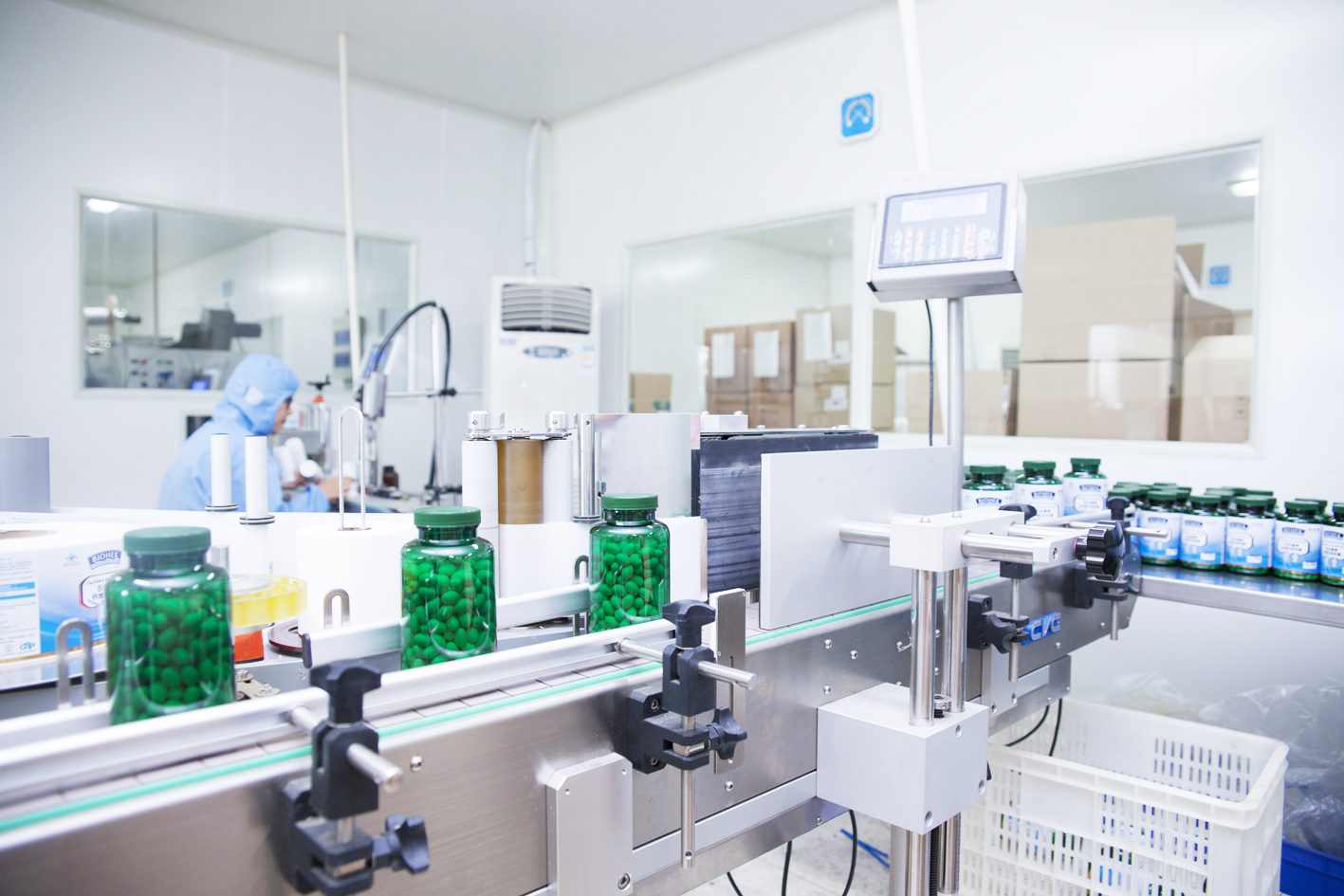
Purecium Hyaluronic Acid is produced in facilities operating under ISO 9001 and FSSC 22000 certified quality systems, with Kosher and Halal certification available. Every lot is tested for identity, hyaluronic-acid assay on a dry basis, molecular weight, loss on drying, protein content, pH, heavy metals (lead below 10 ppm), microbial limits and absence of pathogens, and pharmaceutical-grade monographs in the USP-NF and European Pharmacopoeia are referenced for analytical methods where applicable.
Regulatory recognition for hyaluronic acid includes FDA GRAS recognition for intended food uses, EFSA novel-food assessment for food-supplement use, and health-food ingredient approval in China and Japan. Each commercial lot is traceable from fermentation seed to finished drum, and Purecium provides the specification sheet, Certificate of Analysis, SDS, allergen and gluten statements, non-GMO declaration and stability data on request.
Hyaluronic Acid for B2B Supplement Manufacturing
Purecium supplies Hyaluronic Acid exclusively as a B2B raw material for distributors, contract manufacturers, private-label producers and finished supplement brands. The minimum order quantity is 25 kg, and the product is packed in 25 kg drums with food-grade polyethylene inner bags; samples and full documentation are available before commitment.
Molecular-weight grades are quoted against your target format: oligo and low-molecular-weight grades for oral beauty and joint formulas, and medium- or high-molecular-weight grades for dermal and specialty applications. For North American customers, inventory is staged at Purecium's US warehouse with delivery typically within about two days, and global shipping covers Hong Kong, mainland China, the EU and other regions with export documentation for every shipment.
Reviewed by the Chief Quality Assurance / Regulatory Affairs Specialist at Purecium for technical accuracy and regulatory alignment.
How does bulk hyaluronic acid compare with chondroitin sulfate, collagen peptides, and MSM in formulation, dosing, and regulatory terms?
Hyaluronic acid (HA) is a non-sulfated glycosaminoglycan with CAS 9004-61-9, typically supplied as sodium hyaluronate. It is used in oral and topical formulations at doses of 80–200 mg/day, though clinical evidence for oral joint health remains limited. In contrast, chondroitin sulfate (CAS 9007-28-7) is a sulfated glycosaminoglycan dosed at 800–1,200 mg/day, often combined with glucosamine. Collagen peptides (CAS 9064-67-9) are hydrolyzed animal-derived proteins dosed at 2.5–10 g/day, with better clinical support for skin and joint health. MSM (CAS 67-71-0) is a small organosulfur molecule dosed at 1–3 g/day, commonly used for joint comfort. Each ingredient differs in molecular size, solubility, and stability, affecting formulation and handling. In bulk B2B formulation, HA is highly water-soluble and stable in dry powder form, but degrades under high heat, extreme pH, or in the presence of hyaluronidase. It is typically supplied as a white powder with molecular weights ranging from 0.8 to 2.0 MDa. Chondroitin sulfate is also water-soluble but more viscous and prone to moisture uptake; it requires controlled storage. Collagen peptides are water-soluble and stable, but may have a characteristic odor and taste. MSM is highly water-soluble and stable, but can degrade under strong alkaline conditions. Handling: HA powders are hygroscopic and should be stored in sealed containers at room temperature, away from moisture. Chondroitin sulfate and collagen peptides also require dry conditions; MSM is less hygroscopic but should be kept cool. Regulatory status varies: HA is permitted as a food ingredient in many regions, including the EU and US, but claims are restricted. Chondroitin sulfate is regulated as a dietary supplement in the US and a food supplement in the EU. Collagen peptides are generally recognized as safe (GRAS) in the US and approved as a novel food in the EU. MSM is GRAS in the US and approved as a novel food in the EU. Documentation for all includes certificate of analysis, safety data sheet, and allergen statements. HA typically requires molecular weight specification and microbial limits; chondroitin sulfate requires chondroitin sulfate content and disaccharide profile; collagen peptides require amino acid profile and molecular weight distribution; MSM requires purity and residual solvent testing. All are non-GMO and generally allergen-free, except collagen peptides, which are animal-derived.Comparison in table form.
The table below sets out the parameters that determine how each material is specified, dosed and documented in a finished formulation.Parameter
Hyaluronic Acid
Chondroitin sulfate
Collagen peptides
CAS number
9004-61-9
9007-28-7
9064-67-9
Chemical class
Non-sulfated glycosaminoglycan
Sulfated glycosaminoglycan
Hydrolyzed protein
Typical dose
80-200 mg/day
800-1200 mg/day
2.5-10 g/day
Solubility
Highly soluble in water
Soluble in water, viscous
Soluble in water
Stability
Stable dry; heat/pH sensitive
Stable dry; moisture sensitive
Stable; may have odor
Regulatory status
Food ingredient in EU/US
Dietary supplement in US/EU
GRAS in US; novel food in EU
Supply form
White powder, various MW
White powder, 90% purity
Powder or granules
Documentation
CoA, SDS, MW spec, microbial
CoA, SDS, disaccharide profile
CoA, SDS, amino acid profile