

PURECIUM
PURECIUM
Pumpkin Seed Protein
Zinc-Dense Protein, Sustainable Sourcing

Pumpkin Seed Protein
Purecium supplies premium Pumpkin Seed Protein powder engineered for dietary supplement manufacturers, private label brands, and contract packers worldwide. Derived from cold-pressed pumpkin seed meal through a mechanical, solvent-minimized extraction process, our Pumpkin Seed Protein delivers a balanced amino acid profile, naturally high zinc and magnesium content, and an allergen-friendly composition free from tree nuts, dairy, and gluten — making it a distinctive plant-based alternative for sensitive or nut-restricted formulations. Every lot ships with a full Certificate of Analysis covering heavy metals, microbiological limits, and mineral content, ensuring regulatory readiness for the US, EU, and international markets. Purecium's scalable supply chain makes us a dependable long-term ingredient partner.
Product name: Pumpkin Seed Protein
Molecular formula: NA
Starting material: Pumpkin Seed
Grade: Food grade
Heavy Metals: USP
Pesticide residue: USP/EP
Packing size: 25kg/drum
Pumpkin see protein powder(Organic)
CAS#: NA
Molecular weight:NA
Source: Natural
Specification: 60%
Country of origin: China
Residual solvent: USP/EP
Allergen free/Gluten-free/Non-GMO/Vegan/Non-Irradiation

Pumpkin Seed Protein Overview
Purecium Pumpkin Seed Protein Powder is a plant-derived protein ingredient extracted from pumpkin seed meal (Cucurbita pepo), produced specifically for use as a raw material in dietary supplements, sports nutrition products, and functional food formulations. As a B2B ingredient supplier, Purecium serves distributors, contract manufacturers (CMOs/CDMOs), and finished-product brands seeking a nut-free, allergen-friendly protein source with distinctive mineral density for capsules, tablets, protein powders, shakes, and bars.
Pumpkin Seed Protein is typically produced from the byproduct meal remaining after pumpkin seed oil is cold-pressed for culinary and nutraceutical oil markets, making it a resource-efficient ingredient within the broader pumpkin seed processing supply chain. The result is a fine, greenish-tan powder with a mild, nutty (though technically nut-free from a botanical classification standpoint) flavor profile. Pumpkin Seed Protein has gained traction in the plant-based nutrition category largely due to its notable mineral content — particularly zinc and magnesium — which distinguishes it from most other plant protein sources.
Source & Specifications
- Botanical Source: Pumpkin seed (Cucurbita pepo)
- Extraction Method: Mechanical cold-press defatting followed by protein isolation processing
- Appearance: Fine powder, greenish-tan to olive-brown
- Protein Content: Typically 50–70% (dry basis), depending on grade specification (concentrate vs. isolate)
- Botanical Classification Note: Pumpkin seed is a botanical seed, not a tree nut or peanut, and is generally considered suitable for tree-nut-free and peanut-free formulations, though individuals with specific seed allergies should be advised accordingly
- Allergen Status: Free from dairy, soy, egg, gluten, tree nuts, peanuts, and shellfish
- Dietary Compatibility: Vegan, vegetarian, Non-GMO, gluten-free, keto-friendly
- Packing Options: 25kg bags or drums; custom packaging available for private label programs
- Available Grades: Standard pumpkin seed protein concentrate, high-purity isolate, and organic-certified pumpkin seed protein
Product Characteristics
- Mineral density: Naturally rich in zinc and magnesium relative to most other plant proteins, a compositional characteristic frequently referenced in formulation contexts targeting mineral-fortified or "food-first" mineral positioning
- Amino acid profile: Provides a reasonably balanced amino acid spread, though — similar to many seed and grain proteins — it is comparatively lower in lysine, making it a candidate for blending with lysine-richer proteins such as pea protein in complete-formulation contexts
- Fiber content: Depending on processing grade, may retain a modest amount of dietary fiber from the seed hull fraction, a characteristic that can influence texture and mouthfeel in finished formulations
- Flavor profile: Carries a mild, earthy, subtly nutty flavor note, generally milder than pea protein but slightly more pronounced than rice protein
- Color: Greenish-tan to olive-brown coloration, a factor formulators account for in clear beverage or light-colored product applications
- Sustainability positioning: As a byproduct of pumpkin seed oil processing, it is frequently referenced in the sustainability and upcycled-ingredient literature as a resource-efficient protein source
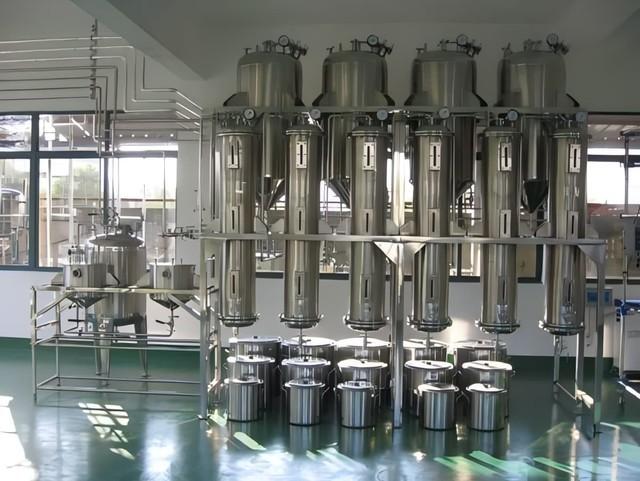
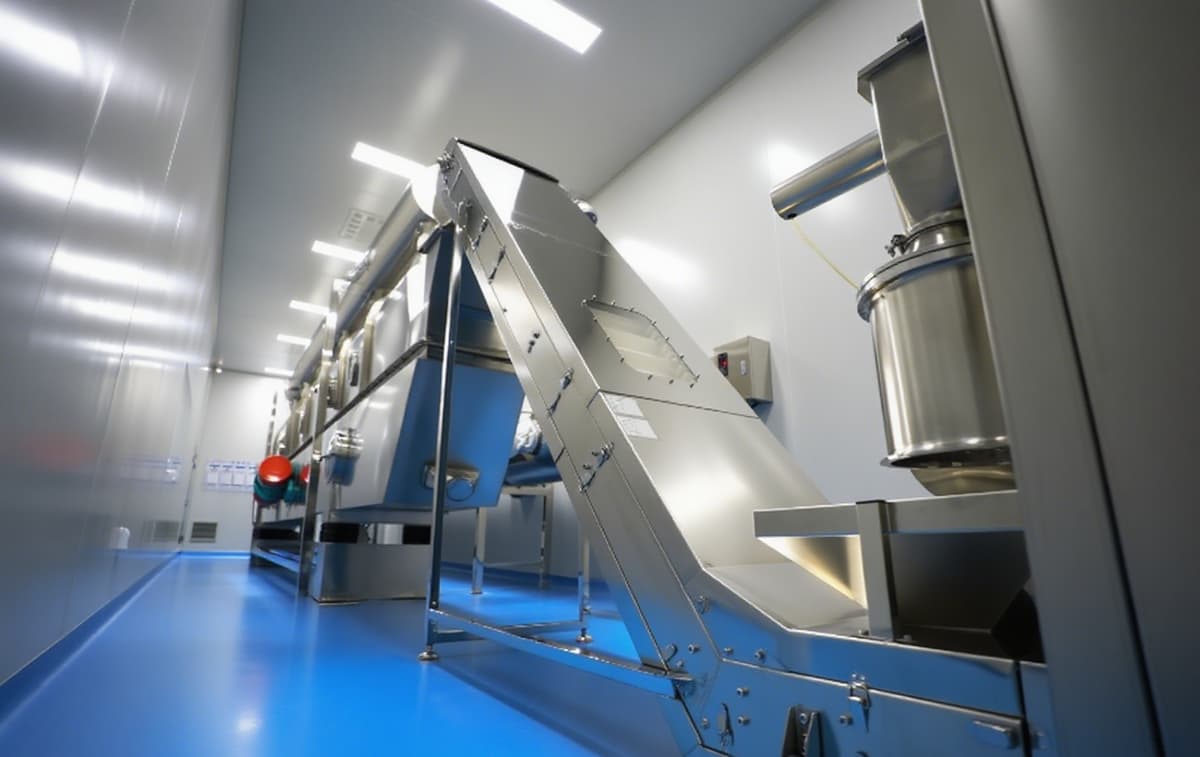
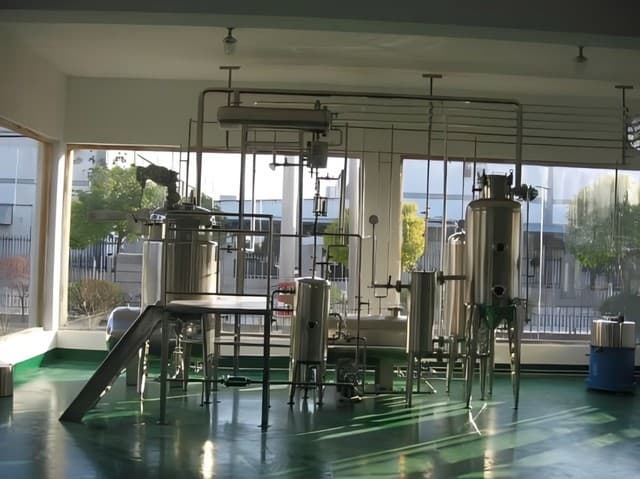
Manufacturing / Production Process
- Raw Material Selection: Pumpkin seeds are sourced and screened for quality prior to processing
- Mechanical Cold-Pressing: Seeds undergo mechanical cold-press defatting to extract pumpkin seed oil, yielding a protein-rich press cake/meal byproduct
- Protein Isolation Processing: The defatted meal undergoes further processing to concentrate and purify the protein fraction, reducing residual fiber and carbohydrate content
- Drying: Low-temperature drying converts the processed material into a stable, fine powder while helping preserve protein integrity
- Milling & Sizing: The dried powder is milled to customer-specified particle size for the intended application (beverage-grade, tableting-grade, or encapsulation-grade)
- Quality Testing & Packaging: Each batch undergoes testing prior to packaging in accordance with facility quality protocols
Primary Applications
Pumpkin Seed Protein powder is used across the dietary supplement, sports nutrition, and functional food industries for the following categories:
- Nut-free / allergen-friendly protein formulations — a differentiated option for brands specifically marketing to consumers with tree nut or peanut allergies who still want a distinctive plant protein beyond the mainstream pea/rice/soy options
- Mineral-fortified supplement formulations — leveraged for its naturally occurring zinc and magnesium content in general nutrition and wellness-positioned products
- Sports nutrition and general recovery formulations — used as a standalone or blended protein source, often combined with lysine-richer proteins for a more complete amino acid profile
- Vegan and plant-based protein powders — valued as a point-of-difference ingredient for brands seeking to diversify their protein sourcing beyond commodity plant proteins
- Functional bars and bakery applications — used for its protein density and characteristic mild, earthy flavor profile
Published nutritional science literature has examined pumpkin seed-derived protein and its associated mineral content, particularly zinc, in the context of general nutritional adequacy and micronutrient status research. Zinc is broadly referenced in the nutrition literature for its role in normal immune function, protein synthesis, and cellular metabolism, and pumpkin seed protein is frequently cited as a food-derived source of this mineral within plant-based dietary patterns. Additional published research has examined pumpkin seed protein hydrolysates and extracts in the context of general urinary tract and prostate wellness formulation interest, a positioning historically associated with pumpkin seed oil and extract products in the broader botanical supplement category. It's important to note that Pumpkin Seed Protein is regulated globally as a dietary ingredient/food, not a drug, and Purecium does not make disease-treatment or diagnostic claims; any health-related positioning should be substantiated independently by the brand owner in accordance with the regulatory framework of their target market (e.g., FDA DSHEA in the US, EFSA health claim regulations in the EU).
Mechanism of Action
At a compositional level, Pumpkin Seed Protein's functional properties are generally attributed to the following factors:
- Zinc content — zinc is a well-characterized essential mineral involved in numerous enzymatic and cellular processes; its natural presence in pumpkin seed protein is a primary reason for the ingredient's positioning in mineral-fortified and general wellness formulations, distinguishing it compositionally from most other plant protein sources that lack meaningful zinc content.
- Magnesium content — similarly present at nutritionally relevant levels, magnesium is referenced in the general nutrition literature for its role in normal muscle and nerve function, supporting the ingredient's use in general wellness and recovery-positioned formulations.
- Amino acid contribution in blended formulations — while comparatively lower in lysine, Pumpkin Seed Protein's amino acid profile is often leveraged by formulators as a complementary component alongside lysine-richer plant proteins to build a more balanced blended amino acid product, similar in concept to how Rice and Pea proteins are commonly combined.
These mechanisms are described at a general, literature-referenced level; Purecium does not attribute specific clinical outcomes to its ingredient and encourages brand partners to consult current regulatory guidance for claims substantiation in their target markets.
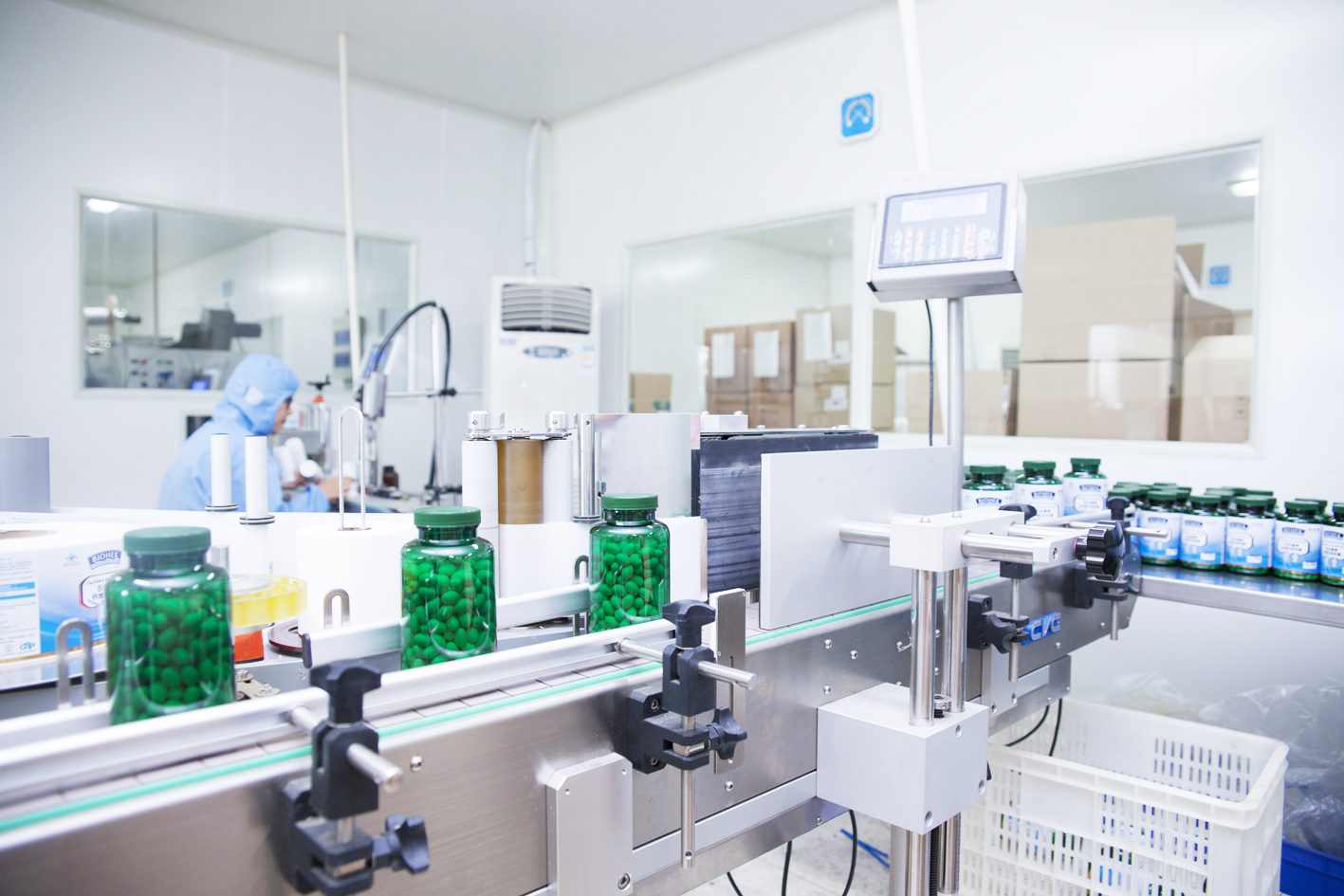
Production & Quality Control
Purecium's Pumpkin Seed Protein powder is manufactured under a quality system designed to meet the documentation and consistency requirements of global supplement manufacturers:
- Facility Certifications: GMP-compliant manufacturing, HACCP food safety protocols, ISO 22000 food safety management, with organic and Non-GMO certified production lines available
- Testing Protocol: Each batch is tested for heavy metals (lead, arsenic, cadmium, mercury), pesticide residues, microbiological limits (total plate count, yeast/mold, pathogens including Salmonella and E. coli), and nutritional specifications (protein content, mineral content including zinc and magnesium, moisture, particle size)
- Allergen Control: Dedicated processing controls to minimize cross-contamination risk with major allergens, supported by allergen statement documentation for each shipment, including explicit tree-nut-free and peanut-free statements
- Documentation: Certificate of Analysis (COA), Certificate of Origin, allergen statements, heavy metal reports, mineral content reports, and microbiological test reports provided with every shipment; regulatory support documentation (TSE/BSE-free statements, GMO-free declarations) available for market-specific compliance needs
B2B & Supply Chain
Purecium operates a coordinated supply chain — from raw pumpkin seed sourcing through cold-press processing, protein isolation, drying, milling, and packaging — enabling consistent lot-to-lot quality and reliable lead times for B2B partners.
- Customer Types Served: Distributors, ingredient traders, contract manufacturers (CMO/CDMO), private label sports nutrition and supplement brands, and finished-product companies
- Order Flexibility: MOQs suited to both trial/sample orders and large-volume production runs; drum, bag, and bulk container packaging options
- Customization: Protein concentration grade (concentrate vs. isolate), particle size adjustment, custom packaging/labeling for private label programs, and specification sheets tailored to customer regulatory needs
- Logistics: Export-ready documentation, international shipping coordination, and consistent inventory planning to support long-term supply agreements
- Regulatory Support: Assistance with documentation required for FDA, EFSA, and other regional regulatory submissions, including allergen labeling references (particularly tree-nut-free/peanut-free substantiation) and dietary ingredient compliance support where applicable
How does bulk pumpkin seed protein compare with pea, hemp, and rice protein in specification, dosing, handling, and regulatory terms?
Pumpkin seed protein is a plant-derived protein concentrate or isolate, typically 50–70% protein on a dry basis. Its amino acid profile is rich in arginine and glutamic acid but limited in lysine, so it is often blended with pea or rice protein for complementary nutrition. Pea protein isolate is usually 80–85% protein and is valued for its high lysine content and neutral taste. Hemp protein is lower in protein (30–50%) and contains fibre and chlorophyll, which can impart a green colour and earthy flavour. Rice protein is typically 70–80% protein, hypoallergenic, but low in lysine. In formulation, typical daily doses for protein supplementation range from 20–30 g for pea and rice isolates, while pumpkin and hemp may require 30–40 g to achieve similar protein intake due to lower protein density. Solubility varies: pea and rice isolates disperse well in water, whereas pumpkin and hemp proteins are less soluble and may require high-shear mixing or lecithin to stabilise suspensions. Stability: all are sensitive to heat and prolonged storage; pumpkin seed protein may undergo lipid oxidation if not defatted, so specifications often include peroxide value and free fatty acid limits. Regulatory status: pea, rice, and pumpkin proteins are generally recognised as safe (GRAS) in the US and approved as novel foods in the EU where applicable. Hemp protein may face restrictions in some markets depending on THC content. Documentation for bulk B2B should include certificate of analysis, allergen statement, non-GMO declaration, and heavy metal testing. Supply forms: pumpkin and hemp are commonly offered as fine powders, while pea and rice isolates are available as agglomerated or instantised powders for improved dispersibility.Comparison in table form.
The table below sets out the parameters that determine how each material is specified, dosed and documented in a finished formulation.Parameter
Pumpkin Seed Protein
Pea protein
Hemp protein
CAS number
Not applicable
222400-29-5
Not applicable
Chemical class
Protein concentrate
Protein isolate
Protein concentrate
Typical dose
30-40 g/day
20-30 g/day
30-40 g/day
Solubility
Low, needs shear
High
Low, needs shear
Stability
Sensitive to oxidation
Stable
Sensitive to oxidation
Regulatory status
GRAS, novel food
GRAS, novel food
Restricted in some markets
Supply form
Fine powder
Agglomerated powder
Fine powder
Documentation
CoA, allergen, non-GMO
CoA, allergen, non-GMO
CoA, THC statement
Source & Ingredient Identity
Pumpkin seed protein is derived from the seeds of Cucurbita sp., primarily Cucurbita pepo, Cucurbita maxima, and Cucurbita moschata. The seeds are cultivated in temperate and subtropical regions, with major production areas including China, India, and Eastern Europe. The raw material consists of mature, dried seeds that are cleaned and dehulled prior to processing. The protein fraction is obtained from the seed kernel, which typically contains 25–35% protein on a dry weight basis, depending on the cultivar and growing conditions.
The ingredient is a light green to off-white powder with a mild, characteristic odor. It is not a single protein but a mixture of storage proteins, predominantly globulins (such as cucurbitin) and albumins, along with smaller amounts of prolamins and glutelins. The material is standardized to a protein content of 50–70% (Kjeldahl, N × 6.25), with moisture ≤ 8%, ash ≤ 8%, and fat ≤ 10%. It is supplied as a fine powder, typically passing through an 80-mesh sieve.
Key Characteristics
The amino acid profile of pumpkin seed protein is notable for its high levels of arginine, glutamic acid, and aspartic acid, and it contains all essential amino acids, though it is limiting in lysine. Typical specifications include: protein (dry basis) 50–70%, fat 5–10%, fiber 5–15%, moisture ≤ 8%, ash ≤ 8%, and heavy metals (Pb, As, Cd, Hg) below 1 ppm each. Microbiological limits are total plate count < 10,000 CFU/g, yeast and mold < 100 CFU/g, E. coli and Salmonella absent. The powder is dispersible in water, forming a stable suspension at neutral pH, and is thermally stable up to 80°C for short periods.
Solubility is influenced by pH; it is lowest near the isoelectric point (pH 4.5–5.0) and increases at alkaline pH. The ingredient is compatible with most food matrices and can be used in beverages, baked goods, and nutritional bars. It is non-GMO and typically produced without the use of solvents, though some suppliers offer hexane-extracted versions. Stability is good when stored in a cool, dry place away from direct sunlight; a shelf life of 24 months is typical in unopened packaging.
Manufacturing
Pumpkin seeds are harvested at maturity, typically from August to October in the Northern Hemisphere. After collection, the seeds are dried to a moisture content of 8–10% to prevent mold growth. The dried seeds are then dehulled, and the kernels are milled to a coarse meal. The oil is removed either by cold pressing or solvent extraction (hexane), yielding a defatted meal with a protein content of 50–60%. For higher protein concentrations, the meal undergoes further processing: dispersion in water, pH adjustment to solubilize proteins, centrifugation to remove insoluble fibers, and isoelectric precipitation to isolate the protein. The precipitated protein is then washed, neutralized, and spray-dried to a powder.
Quality control includes testing for protein content, moisture, ash, fat, heavy metals, pesticide residues, and microbiological safety. Each batch is accompanied by a Certificate of Analysis (CoA) and a Material Safety Data Sheet (MSDS). Additional documentation such as allergen statements, non-GMO declarations, and country of origin certificates are available upon request. The manufacturing process is designed to preserve the nutritional integrity of the protein while ensuring consistent functional properties.