

PURECIUM
PURECIUM
Phycocyanin
Natural Antioxidant Blue Protein
Phycocyanin
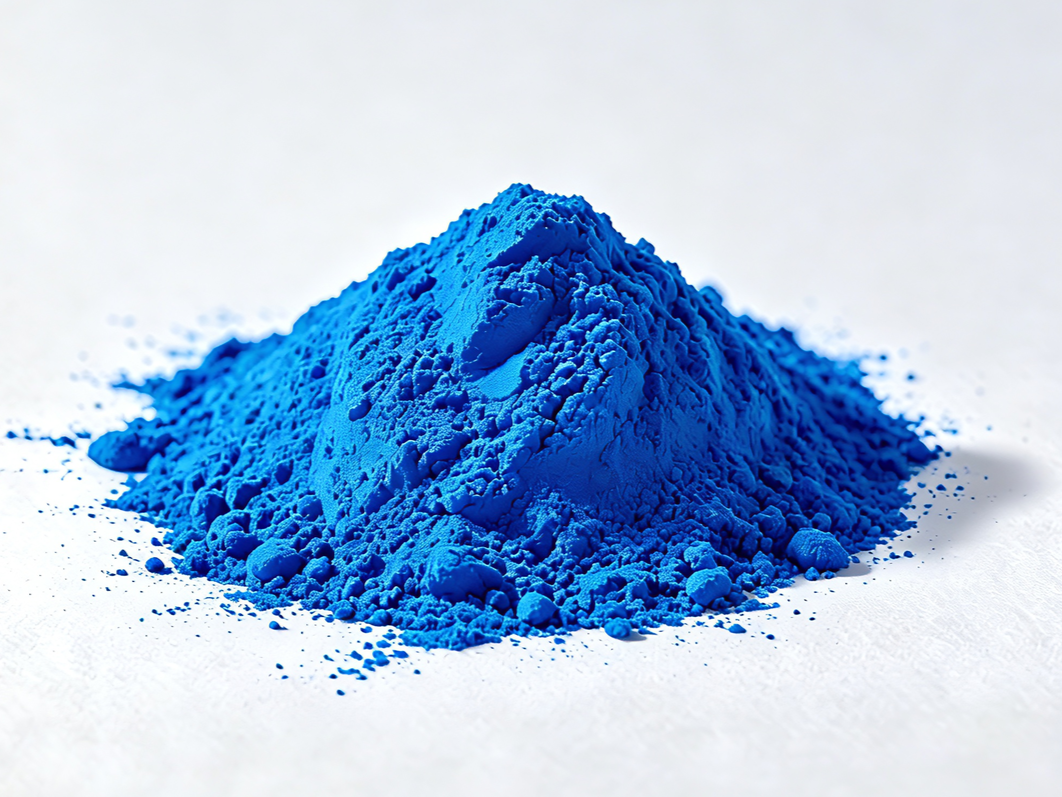
Purecium Phycocyanin is a B2B-focused ingredient solution for dietary supplement distributors, contract manufacturers, private-label companies and wellness brands seeking a concentrated phycobiliprotein with natural blue color and antioxidant-oriented functional potential. Compared with conventional Spirulina powder, Phycocyanin provides a more targeted ingredient platform for modern supplement formulations. Purecium supports professional buyers with product specifications, quality documentation and bulk supply coordination for applications including capsules, powders, gummies, functional beverages and sports nutrition products. For brands developing naturally positioned antioxidant formulas or distinctive blue supplement concepts, Purecium Phycocyanin offers a dedicated ingredient sourcing option backed by formulation-oriented technical information.
Product name: Phycocyanin
Molecular formula: /
Starting material: Spirulina
Grade: Food grade
Heavy Metals: USP
Pesticide residue: USP/EP
Packing size: 25kg/drum
Phycocyanin E6
Phycocyanin E18
CAS#: /
Molecular weight:/
Source: Natural
Specification: UV
Country of origin: China
Residual solvent: USP/EP
Allergen free/Gluten-free/Non-GMO/Vegan/Non-Irradiation

Natural Blue Phycobiliprotein for Functional Nutrition
Purecium Phycocyanin is a concentrated phycobiliprotein ingredient derived from Arthrospira (commonly known as Spirulina), developed for use in dietary supplements, functional nutrition products and other food applications where a blue natural ingredient and antioxidant-oriented positioning are required.
Unlike whole Spirulina powder, which contains a broad mixture of proteins, pigments, minerals and other naturally occurring components, Phycocyanin provides a more targeted source of the blue phycobiliprotein fraction. This makes Phycocyanin particularly relevant for supplement manufacturers, ingredient distributors, contract manufacturers and finished-product brands looking for a functional ingredient with a distinctive natural blue color and a well-established research background.
Purecium supplies Phycocyanin as a B2B dietary supplement ingredient, with product specifications, quality documentation and bulk supply options designed for professional formulation and procurement requirements.
Product Overview
Phycocyanin is a water-soluble blue phycobiliprotein naturally found in cyanobacteria, especially Arthrospira species. It belongs to the phycobiliprotein family, which participates in light harvesting within photosynthetic microorganisms.
The intense blue color of Phycocyanin comes from its associated phycocyanobilin chromophore. This combination of protein structure and pigment gives Phycocyanin its characteristic blue appearance as well as its scientific interest in antioxidant and cellular-response research.
For the dietary supplement industry, Phycocyanin can be positioned as both a functional ingredient and a natural blue ingredient, depending on the formulation, specification and regulatory requirements of the target market.
Purecium Phycocyanin is intended for B2B applications rather than direct consumer retail. Typical customers include:
- Dietary supplement ingredient distributors
- Contract manufacturers and CMO/CDMO companies
- Private-label supplement manufacturers
- Functional nutrition brands
- Sports nutrition brands
- Natural wellness brands
- Manufacturers developing blue-colored powders, capsules, gummies or other supplement formats
Source & Specifications
Phycocyanin is naturally associated with Arthrospira biomass. The production process separates and concentrates the phycobiliprotein fraction from the original biomass rather than simply supplying whole Spirulina powder.
For B2B procurement, the most important specification points are normally the Phycocyanin assay or purity level, appearance, moisture, microbiological limits, heavy metals, pesticide residues and other customer-specific quality parameters.
A professional Phycocyanin specification should therefore be evaluated together with the Certificate of Analysis (COA), product specification sheet and applicable quality documentation rather than by color intensity alone.
Depending on the intended application, buyers may also need to evaluate:
- Phycocyanin concentration or purity
- Color characteristics
- Moisture content
- Microbiological parameters
- Heavy metals
- Pesticide residues
- Residual solvents, where applicable
- Allergen and GMO status, where applicable
- Packaging configuration
- Shelf-life and storage requirements
- Country of origin and documentation requirements
For Purecium Phycocyanin, the final commercial specification should be confirmed against the specific product grade and current batch documentation.
Product Characteristics
1. Natural Blue Color
Phycocyanin is recognized for its vivid blue color, making it relevant to brands seeking naturally derived color solutions for suitable food and supplement applications.
Its blue color is also an important formulation consideration because Phycocyanin is more sensitive to processing conditions than many conventional synthetic pigments.
2. Antioxidant-Oriented Functional Profile
Phycocyanin has been extensively investigated for antioxidant activity. Experimental research indicates that phycocyanin and its chromophore components can participate in free-radical scavenging and oxidative-stress-related pathways.
Research has also investigated relationships with cellular antioxidant defense systems and inflammatory signaling pathways.
3. Water-Soluble Protein Ingredient
As a phycobiliprotein, Phycocyanin has different formulation characteristics from lipid-soluble carotenoids and conventional insoluble botanical powders. Its water solubility can make it particularly interesting for powder blends and selected liquid or semi-liquid applications.
4. Distinct from Whole Spirulina Powder
Whole Spirulina powder and Phycocyanin should not be treated as interchangeable ingredients.
Spirulina powder contains the complete dried biomass, while Phycocyanin is a concentrated fraction obtained through extraction and purification. Therefore, the two ingredients differ in composition, color intensity, formulation behavior and positioning.
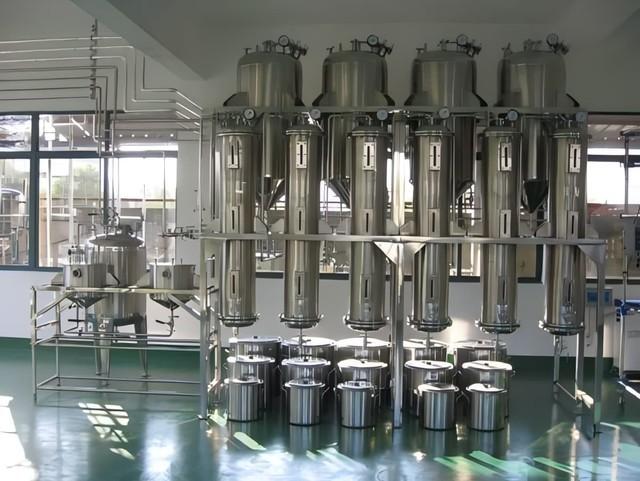
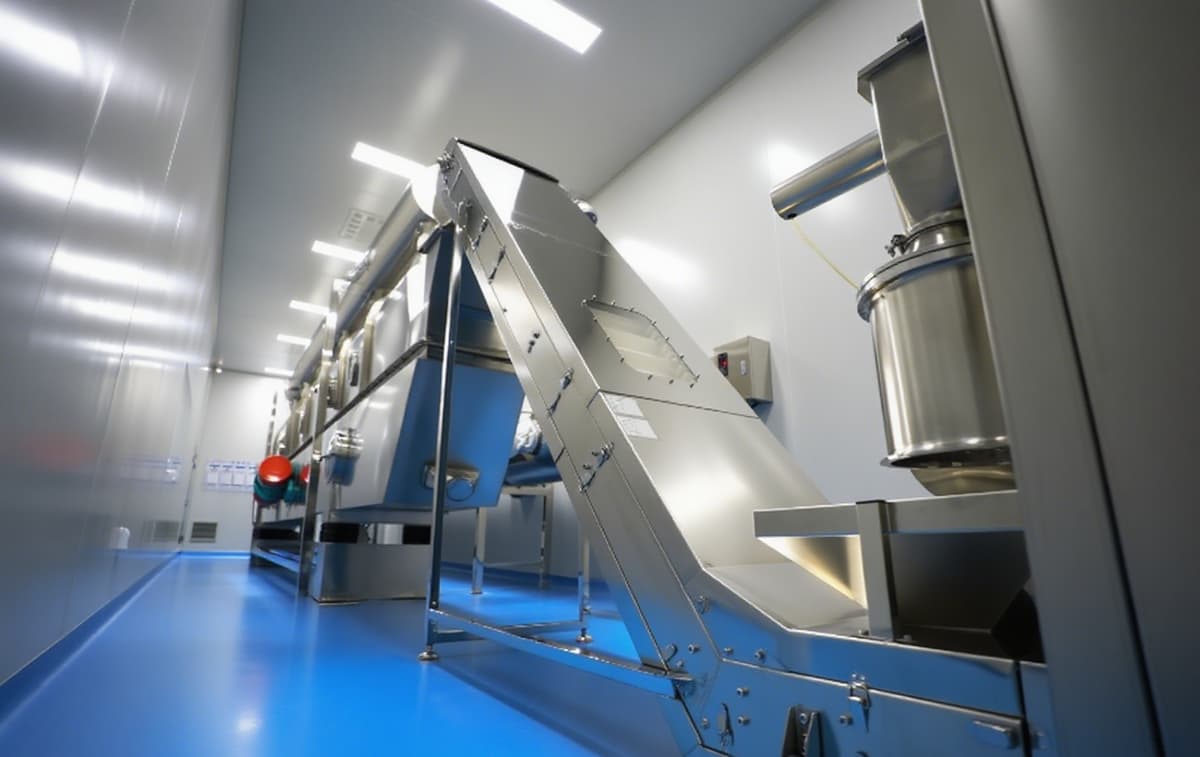
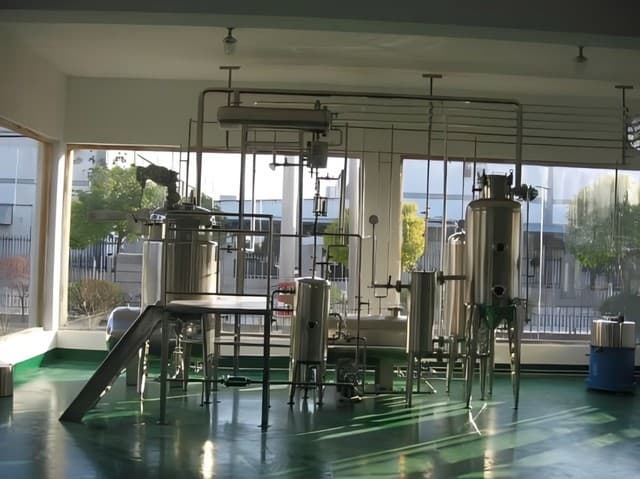
Manufacturing & Production Process
Producing a consistent Phycocyanin ingredient requires more than simply drying and milling Spirulina biomass.
A controlled production process generally involves several critical stages.
1. Biomass Selection
Suitable Arthrospira biomass is selected as the starting material. Raw-material consistency is important because cultivation conditions can influence pigment concentration and downstream extraction performance.
2. Cell Disruption
The cellular structure of the biomass must be disrupted to release intracellular phycobiliproteins.
Controlled physical or aqueous processing methods can be used to release Phycocyanin while minimizing unnecessary degradation.
3. Aqueous Extraction
Phycocyanin is commonly extracted using aqueous processing because the target phycobiliprotein is water soluble.
Extraction conditions such as temperature, pH, extraction time and solid-to-liquid ratio can influence yield and quality.
4. Separation and Clarification
The crude extract contains other soluble materials and particulate components. Separation and clarification steps are therefore used to obtain a cleaner Phycocyanin-rich fraction.
5. Concentration and Purification
Depending on the target grade, additional concentration and purification steps can be applied to improve the Phycocyanin content and reduce unwanted components.
6. Drying
The concentrated ingredient is converted into a stable powder suitable for bulk handling, storage and downstream formulation.
7. Quality Testing
Finished batches are evaluated against the applicable product specification before release.
The extraction literature identifies temperature, pH and processing conditions as important factors affecting Phycocyanin stability. Published reviews generally indicate that Phycocyanin is particularly sensitive to elevated temperature, acidic conditions and light exposure, making process control important for commercial ingredient quality.
Primary Applications
Dietary Supplements
Phycocyanin can be incorporated into dietary supplement formulations positioned around antioxidant support, healthy aging, cellular wellness and broader functional nutrition.
It can be supplied as a standalone ingredient or incorporated into multi-ingredient formulations.
Capsules & Tablets
For capsule and tablet manufacturers, Phycocyanin can be used as part of antioxidant and functional wellness blends.
The final dosage should be established by the finished-product manufacturer based on the selected ingredient specification, formulation objectives and regulatory requirements.
Powder Supplements
Phycocyanin is suitable for selected powdered nutritional products, including functional drink powders, greens formulas and wellness blends.
Because the ingredient is sensitive to processing conditions, formulation teams should evaluate pH, temperature, moisture and light exposure during development.
Gummies
Phycocyanin is increasingly relevant to brands developing visually distinctive functional gummies.
However, gummy processing requires particular attention to heat, pH and processing time because these conditions may affect Phycocyanin color stability.
Functional Beverages
Phycocyanin can be considered for selected beverage concepts where a natural blue color and functional positioning are desired.
Beverage developers should evaluate the complete formulation environment because pH, heat treatment, oxygen exposure and light can influence pigment stability.
Sports & Active Nutrition
Phycocyanin can also be incorporated into sports and active-nutrition concepts where antioxidant and recovery-oriented positioning is appropriate and legally supportable.
Research Background & Mechanism
Phycocyanin has attracted scientific interest primarily because of its antioxidant and inflammation-related biological activities.
One proposed mechanism involves its phycocyanobilin chromophore, which can participate in redox reactions and free-radical scavenging. Research has also examined effects involving NADPH oxidase-related oxidative processes and cellular antioxidant defense pathways.
Experimental literature describes interactions with pathways including Nrf2-related antioxidant defense and NF-κB-associated inflammatory signaling. These mechanisms provide a scientific rationale for continued investigation of Phycocyanin in oxidative-stress and inflammation-related models.
Importantly, mechanistic and preclinical findings should not automatically be interpreted as evidence that a dietary supplement treats or prevents a disease.
For B2B brands, mechanism-based information is best used to support ingredient education and formulation development, while final consumer-facing claims should be reviewed against the regulatory requirements of the destination market.
Clinical Research
Human research on Phycocyanin is developing, but the evidence base is smaller than the extensive preclinical literature.
A randomized, double-blind, placebo-controlled human study evaluated a Phycocyanin-enriched aqueous extract from Arthrospira. Participants consumed an extract providing approximately 1 g/day of Phycocyanin equivalent for two weeks. The study specifically examined safety-related parameters including platelet activation and coagulation markers and did not observe significant changes in the measured anticoagulant or platelet-activation parameters.
There are also registered clinical investigations evaluating Phycocyanin-rich Arthrospira preparations in specific health contexts. These studies should be interpreted according to their specific formulation, dose, population and study design rather than generalized to every Phycocyanin ingredient.
This distinction is important for B2B supplement manufacturers: evidence generated from a specific Phycocyanin-rich extract does not automatically establish equivalent clinical efficacy for every commercial Phycocyanin powder.
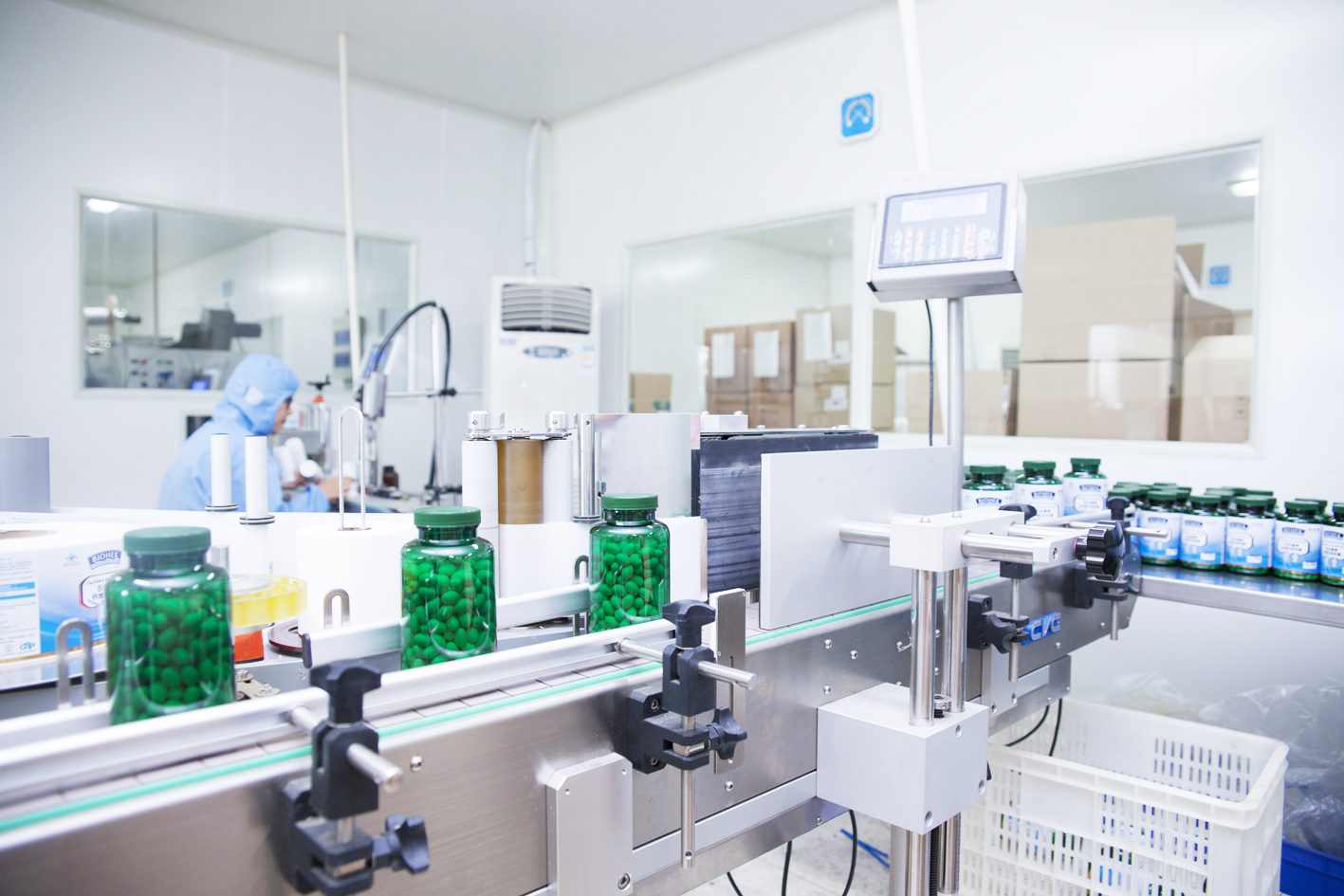
Production & Quality Control
For commercial Phycocyanin, quality control should address both the active pigment fraction and the general safety of the ingredient.
Purecium's B2B quality approach can be structured around:
- Raw-material control
- Production-process control
- Phycocyanin content or purity testing
- Appearance and physical characteristics
- Moisture control
- Microbiological testing
- Heavy-metal testing
- Pesticide-residue testing where applicable
- Batch-to-batch consistency
- Certificate of Analysis documentation
- Customer-specific specification review
Because Phycocyanin is a protein-based natural pigment, quality cannot be evaluated solely by appearance. Analytical results and batch documentation are important for confirming whether a material meets the buyer's agreed specification.
B2B customers should request the current specification sheet and batch-specific COA when evaluating a commercial Phycocyanin supplier.
Stability & Formulation Considerations
Phycocyanin requires more careful formulation handling than many highly stable powdered ingredients.
Published research identifies pH, temperature, light, pressure and other formulation conditions as factors that can influence Phycocyanin stability. Neutral-to-mildly acidic conditions are generally more favorable than strongly acidic environments, while elevated temperatures can accelerate degradation.
For product developers, several practical considerations are important:
Temperature: Avoid unnecessary prolonged exposure to high processing temperatures.
pH: Strongly acidic environments can adversely affect Phycocyanin stability.
Light: Light-protective packaging can help reduce pigment degradation during storage.
Moisture: Moisture control is important for maintaining powder quality and physical stability.
Processing time: Shorter exposure to unfavorable conditions can help preserve the desired color and functional characteristics.
These considerations are particularly relevant to gummies, ready-to-mix powders and beverage applications.
B2B & Supply Chain
Purecium Phycocyanin is positioned as a bulk ingredient for professional supplement supply chains.
The target customer base includes ingredient distributors, contract manufacturers, private-label manufacturers and finished-product brands.
For distributors, the focus is on consistent specifications, documentation and repeatable bulk supply.
For contract manufacturers, the key requirements are formulation compatibility, technical documentation and reliable batch quality.
For private-label brands, Phycocyanin can provide an ingredient platform for developing distinctive antioxidant-oriented or naturally blue supplement products without establishing an internal extraction operation.
For finished-product brands, Purecium can support ingredient sourcing, specification review and documentation for product development.
B2B buyers should evaluate a Phycocyanin supplier based on more than price. Important sourcing criteria include raw-material consistency, extraction control, pigment concentration, analytical testing, documentation, packaging, shelf-life, logistics capability and long-term supply reliability.
How does bulk phycocyanin compare with chlorophyll, astaxanthin and beta-carotene in formulation, dosing, handling and regulatory terms?
Phycocyanin is a water-soluble phycobiliprotein, typically supplied as a blue powder with a colour value expressed in units such as E618 or as phycocyanin content by HPLC. Chlorophyll is a lipophilic porphyrin pigment, usually handled as chlorophyllin (a water-dispersible semi-synthetic derivative) or as an oil-soluble extract. Astaxanthin is a xanthophyll carotenoid supplied as oleoresin, beadlet or esterified powder, and beta-carotene is a carotenoid available as crystalline suspension, beadlet or oil dispersion. These differences in chemical class determine the dispersion route in a formulation: phycocyanin dissolves directly in aqueous phases, whereas the carotenoids require oil phases, emulsifiers or beadlet technology. Typical use levels differ by an order of magnitude. Phycocyanin is commonly dosed at 100-500 mg per serving in beverages and gummies, chlorophyllin at 50-300 mg, astaxanthin at 2-12 mg, and beta-carotene at 1-15 mg. Phycocyanin therefore contributes more mass per dose and can affect taste, colour intensity and viscosity at higher loadings. Its colour is pH-dependent and degrades under prolonged heat, light and acidic conditions, so cold-fill or low-temperature processing is preferred. Chlorophyllin is comparatively stable in neutral to mildly alkaline systems; astaxanthin and beta-carotene are oxidation-sensitive and normally require antioxidant protection and opaque packaging. Regulatory treatment varies by market. Phycocyanin from Spirulina is permitted as a colourant and food ingredient in several jurisdictions, with Spirulina itself listed in various food frameworks; chlorophyllin is a permitted colour in the EU and US, astaxanthin from Haematococcus pluvialis has novel food and GRAS-type clearances for specific uses, and beta-carotene is a widely approved colour and provitamin A source with established ADI values. Buyers should confirm the exact permitted use level and labelling category in the destination market. For bulk handling, phycocyanin is hygroscopic and light-sensitive, so it is supplied in sealed foil-lined containers and stored cool and dry. Chlorophyll and carotenoid preparations are generally more tolerant of ambient storage but prone to oxidation once opened. Documentation for all four typically includes certificate of analysis, specification sheet, safety data sheet, allergen statement and, where applicable, non-GMO and country-of-origin declarations.Comparison in table form.
The table below sets out the parameters that determine how each material is specified, dosed and documented in a finished formulation.Parameter
Phycocyanin
Chlorophyll
Astaxanthin
CAS number
11016-15-2
479-61-8
472-61-7
Chemical class
Phycobiliprotein
Porphyrin pigment
Xanthophyll carotenoid
Typical dose
100-500 mg/serving
50-300 mg/serving
2-12 mg/serving
Solubility
Water-soluble
Lipophilic; chlorophyllin water-disp.
Lipophilic; beadlet dispersible
Stability
Heat, light and acid sensitive
Moderate; metal-sensitive
Oxidation-sensitive
Regulatory status
Colour/food use varies by market
Permitted colour in EU and US
Novel food and GRAS uses
Supply form
Blue powder, E618 grade
Extract or chlorophyllin powder
Oleoresin or beadlet powder
Documentation
CoA, SDS, spec, origin
CoA, SDS, spec, origin
CoA, SDS, spec, origin
Source & Ingredient Identity
Phycocyanin is a phycobiliprotein pigment extracted from the cyanobacterium Arthrospira platensis (commonly known as Spirulina). Purecium supplies phycocyanin as a bulk ingredient derived from this microbial source. The raw material is cultivated under controlled conditions in photobioreactors or open raceway ponds, depending on the grade. The biomass is harvested and processed to isolate the phycocyanin fraction.
Chemically, phycocyanin is a water-soluble chromoprotein composed of alpha and beta subunits that form a trimeric or hexameric structure. Each subunit carries a linear tetrapyrrole chromophore (phycocyanobilin) covalently bound to cysteine residues. The native protein typically has a molecular weight of approximately 30–40 kDa for the monomer, but aggregation states vary. The ingredient is standardized to a specific phycocyanin content, often expressed as a percentage or as a color value (e.g., E618).
Purecium offers phycocyanin in powder form, with typical specifications including phycocyanin content (e.g., 10–25% w/w), moisture, ash, and microbial limits. Identity is confirmed by spectrophotometric methods (absorbance at 618–620 nm) and, where required, by HPLC. The material is non-GMO and produced without the use of solvents in the extraction process.
Key Characteristics
Phycocyanin is characterized by its intense blue color and water solubility. The active marker is phycocyanin itself, quantified by UV-Vis spectrophotometry at 618–620 nm, with purity often expressed as the ratio of absorbance at 620 nm to that at 280 nm (A620/A280). Typical commercial grades range from food-grade (lower purity) to analytical-grade (higher purity, A620/A280 > 4.0). Purecium supplies grades with defined phycocyanin content and color strength.
Compositionally, the powder contains phycocyanin along with residual proteins, carbohydrates, and minerals from the biomass. It is soluble in water, forming a clear blue solution, and is insoluble in ethanol and other organic solvents. Stability is influenced by temperature, pH, and light. Phycocyanin is most stable at pH 5–7 and degrades under acidic conditions (pH < 4) or prolonged exposure to heat and light. For bulk handling, storage in cool, dark conditions is recommended.
Typical specification parameters include: appearance (dark blue powder), phycocyanin content (e.g., 10–25% w/w), moisture (≤ 8%), ash (≤ 10%), heavy metals (≤ 10 ppm), and microbial limits (total plate count ≤ 10,000 CFU/g, yeast and mold ≤ 100 CFU/g, absence of pathogens). Particle size and bulk density are available upon request. The ingredient is suitable for use in beverages, foods, and dietary supplements.
Manufacturing
Phycocyanin production begins with the cultivation of Arthrospira platensis under controlled conditions. Purecium sources biomass from established cultivators that monitor parameters such as light intensity, temperature, pH, and nutrient supply to ensure consistent phycocyanin content. Harvesting is typically performed by filtration or centrifugation, followed by washing to remove culture media. The biomass is then dried using methods such as spray-drying or freeze-drying, which can affect phycocyanin yield and stability.
Extraction of phycocyanin from the dried biomass involves cell disruption, often achieved through mechanical means (e.g., bead milling, high-pressure homogenization) or enzymatic treatment. The released phycocyanin is then separated from cell debris by centrifugation or filtration. Purification may include precipitation with ammonium sulfate, membrane filtration, or chromatography to achieve the desired purity grade. The final product is typically spray-dried or lyophilized to a powder.
Quality control at Purecium includes verification of identity, phycocyanin content, and purity by spectrophotometry, as well as microbiological and heavy metal testing. Each batch is accompanied by a Certificate of Analysis (CoA) and, where applicable, a Material Safety Data Sheet (MSDS). Additional documentation such as allergen statements, non-GMO declarations, and country of origin are available upon request. The manufacturing process is designed to preserve the native phycocyanin structure and color.