

PURECIUM
PURECIUM
Phosphatidylserine (PS)
Enhance Mitochondria, Promote Cellular Vitality
Global B2B Supply of Premium Phosphatidylserine Raw Materials
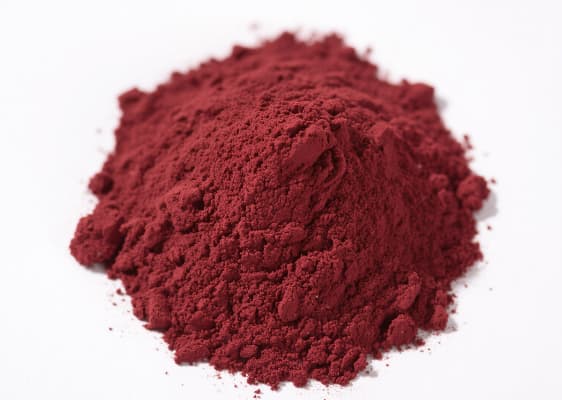
Phosphatidylserine (PS), CAS 51446-62-9, is a phospholipid with the molecular formula C42H82NO10P and a molecular weight of 792.07 g/mol. It is supplied as a white to light-yellow powder in 20%, 50%, and 70% concentrations, derived from soy lecithin, sunflower lecithin, or egg yolk. PS is soluble in DMSO, ethanol, and chloroform, and dispersible in water with emulsifiers. It is used in cognitive health, memory, cortisol and stress management, and healthy ageing formulas. Purecium supplies bulk PS to supplement manufacturers with full documentation, consistent specification, and 25 kg drum packing. Soy-derived PS is more saturated; sunflower-derived PS is more unsaturated, affecting flowability and stability.
Product name: Phosphatidylserine (PS)
Molecular formula: C42H82NO10P
Starting material: Soy lecithin / sunflower lecithin
Grade: Food grade / USP
Heavy Metals: USP <232> compliant
Pesticide residue: USP/EP
Packing size: 25kg/drum
CAS#: 51446-62-9
Molecular weight: 792.07 g/mol
Source: Soy (non-GMO) / Sunflower
Specification: 20% / 50% / 70%
Country of origin: China
Residual solvent: USP/EP
Product available: PS 20% / 50% / 70% powder

Phosphatidylserine Overview
Phosphatidylserine (PS), also written L-alpha-phosphatidylserine, is a phospholipid with CAS number 51446-62-9, molecular formula C42H82NO10P, and molecular weight 792.07 g/mol. It appears as a white to light-yellow powder and is commercially available in 20%, 50%, and 70% concentrations. PS is anionic and is found on the inner leaflet of cell membranes, where it participates in membrane asymmetry and serine-mediated signalling.
For B2B buyers, PS is a established ingredient in cognitive health, memory, cortisol and stress management, and healthy ageing formulas. It is sourced primarily from soy lecithin, with sunflower lecithin used for allergen-friendly positioning and egg yolk as a further source. Solubility is limited in water but achievable with emulsifiers; PS dissolves in DMSO, ethanol, and chloroform. Purecium supplies bulk PS with consistent specification and full traceability.
Source & Ingredient Identity
Phosphatidylserine is derived from three commercial sources: soy lecithin, sunflower lecithin, and egg yolk. Soy lecithin is the most common source and typically yields a more saturated PS profile. Sunflower lecithin produces a more unsaturated PS, which affects flowability and oxidative stability. Egg yolk PS is available but less common in bulk supply. Identity is confirmed by CAS 51446-62-9, molecular formula C42H82NO10P, and molecular weight 792.07 g/mol.
Buyers should specify the source and the assay concentration, as 20%, 50%, and 70% powders behave differently in formulation. Sunflower-derived PS is often selected for allergen-friendly claims, while soy-derived PS remains the standard for cost-sensitive projects. Purecium documents source, assay, and identity for each lot. PS is distinct from phosphatidylcholine (PC), CAS 97281-47-5, which has a choline headgroup and different functional roles.
Key Characteristics of Phosphatidylserine
PS is an anionic phospholipid, negatively charged at physiological pH, and sits on the inner leaflet of the plasma membrane. This contrasts with phosphatidylcholine (PC), which is zwitterionic. The serine headgroup gives PS its signalling and membrane-asymmetry roles. The molecule is soluble in DMSO, ethanol, and chloroform, and dispersible in water when emulsifiers are used. Appearance is a white to light-yellow powder.
Commercial grades are standardised to 20%, 50%, or 70% PS. The remaining mass is typically carrier or residual phospholipid, which affects flowability, dispersibility, and dose calculation. Soy-derived PS is more saturated; sunflower-derived PS is more unsaturated, which can influence stability and handling. Buyers should confirm assay, source, and carrier before scaling. PS is not interchangeable with PC, and formulation decisions should reflect the serine headgroup and anionic character.
Phosphatidylserine Manufacturing
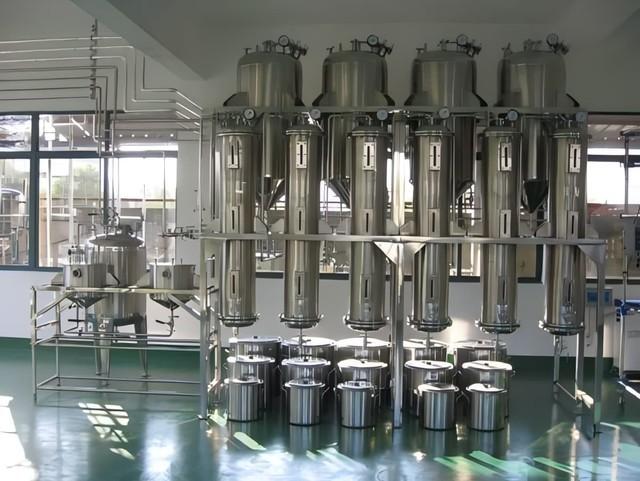
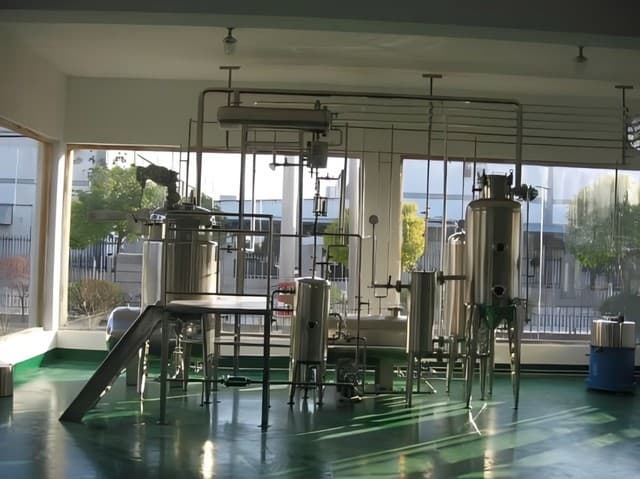
Commercial PS is produced from lecithin through enzymatic or solvent-based processes. In enzymatic routes, phospholipase D catalyses a transphosphatidylation reaction that replaces the choline headgroup of phosphatidylcholine with serine, yielding PS. The reaction is controlled for conversion and the resulting PS is recovered, purified, and standardised to 20%, 50%, or 70% powder. Sunflower and soy lecithin are processed separately to preserve source identity.
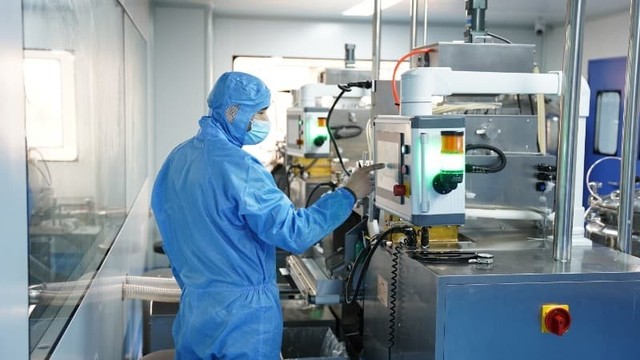
Manufacturing controls include reaction time, temperature, enzyme dose, and purification steps. After standardisation, the powder is dried and packed. Because PS is prone to oxidation, particularly the more unsaturated sunflower-derived grade, process and packaging controls matter. Purecium operates under GMP and FSSC 22000 and supplies bulk PS in 25 kg drums with lot-specific documentation covering assay, identity, and source.
Applications of Phosphatidylserine
PS is used in cognitive health, memory, cortisol and stress management, and healthy ageing formulas. In capsules and tablets, the 20%, 50%, and 70% powders allow dose flexibility, though higher concentrations reduce the carrier load per serving. In powdered drink mixes, PS requires emulsifiers to disperse in water, since it is not freely water-soluble. Solubility in DMSO, ethanol, and chloroform is relevant for liquid and emulsion-based formats.
Source choice affects positioning. Sunflower-derived PS supports allergen-friendly and non-soy claims, while soy-derived PS is the established option for standard cognitive formulas. The more unsaturated sunflower grade may require attention to oxidative stability in finished products. PS is not a substitute for phosphatidylcholine (PC); the two have different headgroups and roles. Formulators should select the grade and source based on claim, dose, and processing conditions.
Manufacturing & Quality Control
Quality control for PS covers identity, assay, source, and physical form. Identity is confirmed against CAS 51446-62-9, molecular formula C42H82NO10P, and molecular weight 792.07 g/mol. Assay is verified for the declared 20%, 50%, or 70% grade. Appearance is checked as a white to light-yellow powder. Source is documented as soy, sunflower, or egg yolk, and carrier content is reported where applicable.
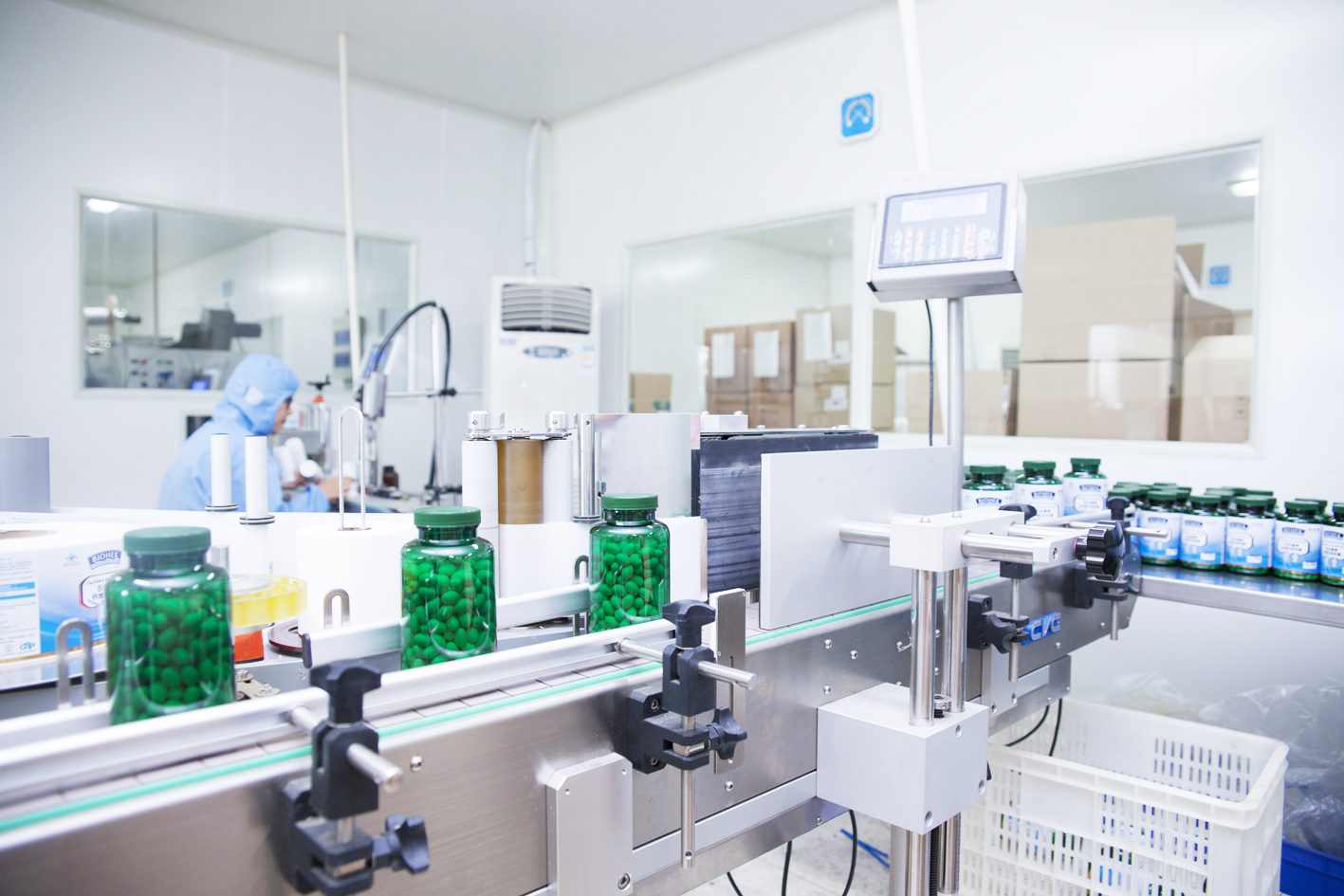
Purecium operates under GMP and FSSC 22000. Each lot is tested and released against specification, with documentation available for B2B buyers. Because PS can oxidise, storage and packaging controls are part of the release process. Bulk PS is supplied in 25 kg drums. Buyers should request the certificate of analysis, source statement, and allergen statement for each lot before qualification.
Phosphatidylserine for B2B Supplement Manufacturing
For supplement manufacturers, PS is supplied in 20%, 50%, and 70% powder grades from soy or sunflower lecithin, with egg yolk as a further source. Selection depends on target dose, capsule or tablet size, claim requirements, and cost. Sunflower-derived PS supports allergen-friendly and non-soy positioning; soy-derived PS is the standard choice for many cognitive health lines. PS is not interchangeable with phosphatidylcholine (PC), so specifications should name the ingredient explicitly.
Purecium has supplied bulk nutraceutical ingredients for over 15 years and operates under GMP and FSSC 22000. PS is packed in 25 kg drums. Buyers can request lot-specific certificates of analysis, source documentation, and allergen statements. Because PS grades differ in saturation and flowability, qualification trials are recommended before full-scale production. Confirm assay, source, and carrier at the specification stage to avoid reformulation later.
Procurement & Quality Assurance Fact Sheet
Purecium strictly adheres to international pharmaceutical and food-grade safety standards. Our phosphatidylserine is produced from non-GMO soy or sunflower lecithin through enzymatic transphosphatidylation, a process that converts lecithin phospholipids into PS without altering the fatty-acid profile.
- Regulatory Status: Fully food-grade and officially recognized under FDA GRAS.
- Certifications: Manufactured under ISO9001, Kosher, Halal, and FSSC22000 standards.
- Solvents & Heavy Metals (EU/USP Compliant): Processed exclusively with food-grade anhydrous ethanol (< 5,000 ppm residual). Lead < 0.5 ppm; Mercury < 0.1 ppm; Arsenic < 3 ppm; Cadmium < 1 ppm.
- Minimum Order Quantity (MOQ): Highly flexible 1 kg MOQ for R&D; standard industrial packing is a 25kg/drum.
Feature
PS 50% Powder (Soy)
PS 70% Powder (Sunflower)
Water Solubility
Highly insoluble in water.
Excellent water solubility, ensuring uniform dispersion in formulations.
Bioavailability
Low absorption rate in the human digestive tract.
High absorption rate, maximizing the physiological benefits.
B2B Application
The industry standard for commercial dietary supplements, used in capsules, tablets and functional foods.
Premium non-soy grade for allergen-free and soy-free positioning.