

L-Valine (Essential Branched-Chain Amino Acid)
Muscle Recovery and Sports Nutrition
L-Valine
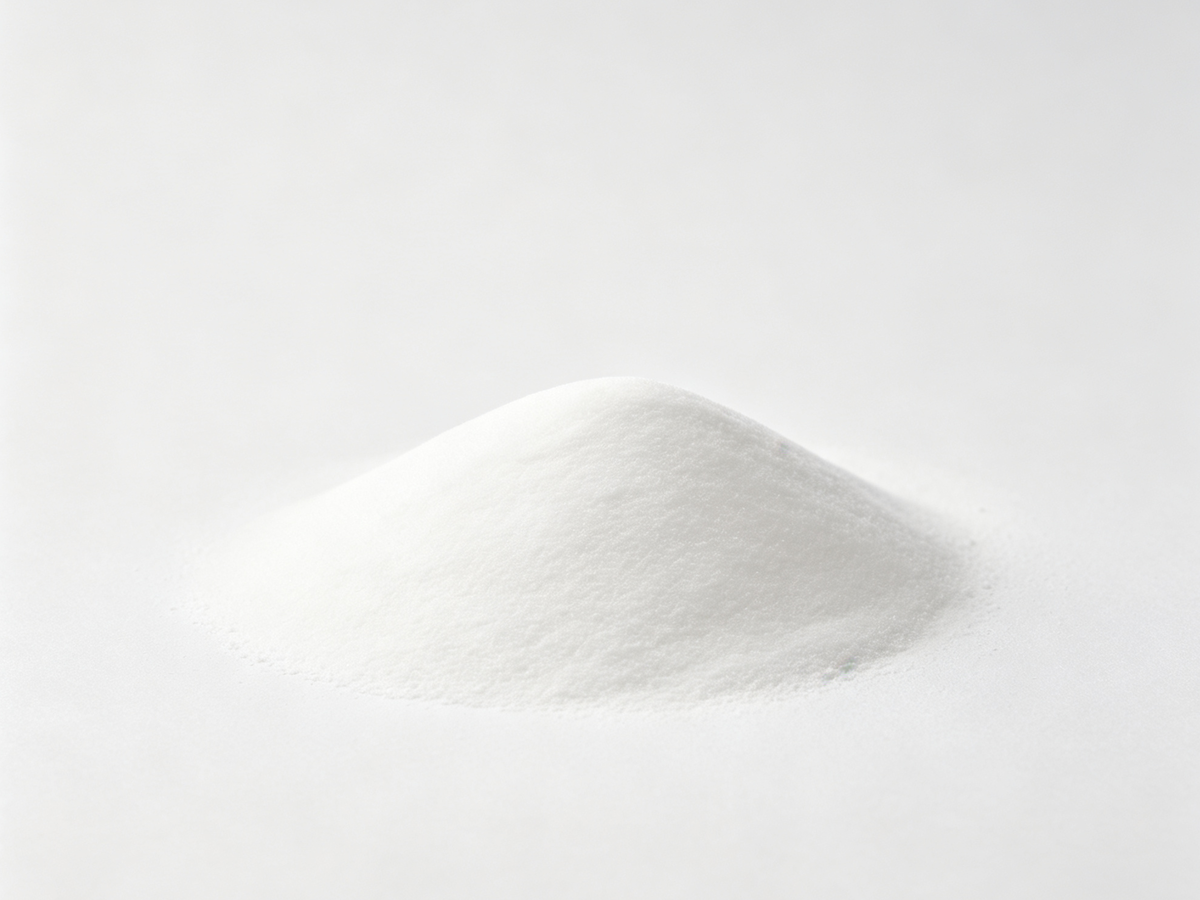
Purecium L-Valine is a white, free-flowing crystalline powder for sports nutrition, muscle recovery, endurance and clinical nutrition formulations. L-Valine is one of the three essential branched-chain amino acids (BCAAs), alongside L-leucine and L-isoleucine, identified by CAS number 72-18-4 with molecular formula C5H11NO2 and molecular weight 117.15 g/mol. Our L-valine is manufactured by non-GMO microbial fermentation, which inherently yields the natural L-enantiomer, to USP, EP and FCC standards with a 99.0% minimum assay, verified on every batch. Allergen-free, gluten-free, non-GMO and vegan, it is packed in 25 kg drums with a 25 kg minimum order and full regulatory documentation for B2B buyers worldwide.
Product name: L-Valine (Essential Branched-Chain Amino Acid)
Molecular formula: C5H11NO2
Starting material: Microbial fermentation (non-GMO plant-based substrate)
Grade: USP / EP / FCC
Heavy Metals: Conforms to USP/EP
Pesticide residue: Conforms to USP/EP
Packing size: 25kg/drum
CAS#: 72-18-4
Molecular weight: 117.15 g/mol
Source: Fermentation (L-enantiomer)
Specification: 99.0% min assay (USP), white crystalline powder
Country of origin: China
Residual solvent: Conforms to USP/EP
Allergen free/Gluten-free/Non-GMO/Vegan/Non-Irradiation:

L-Valine Overview
L-Valine is an essential branched-chain amino acid, which means the human body cannot synthesize it and it must be obtained from diet or supplementation, making it a core ingredient in sports nutrition and muscle-recovery products. It is identified by CAS number 72-18-4, molecular formula C5H11NO2 and molecular weight 117.15 g/mol. As one of the three BCAAs, L-valine contributes to muscle protein metabolism, energy production during exercise and the maintenance of nitrogen balance.
For the dietary supplement industry, L-valine is used in sports nutrition, muscle recovery, endurance and strength products, usually in balanced BCAA blends with L-leucine and L-isoleucine. Purecium supplies L-valine as a white crystalline powder standardized to 99.0% minimum assay, produced by microbial fermentation and sold exclusively as a B2B raw material for distributors, contract manufacturers, private-label producers and finished supplement brands.
Source & Ingredient Identity
Purecium L-Valine is manufactured by microbial fermentation, the dominant commercial route for food-grade valine, in which selected microbial strains convert non-GMO plant-based sugars into the L-enantiomer under controlled fermentation conditions, followed by purification by crystallization. The fermentation process inherently produces the natural L-enantiomer, the only form used in human nutrition.
The product is standardized to 99.0% minimum assay and conforms to USP-NF, European Pharmacopoeia and FCC monographs as applicable, produced in China and non-irradiated, with no allergens, no gluten and no GMO material. For B2B buyers, the critical purchasing checks are the assay on the Certificate of Analysis, specific optical rotation confirming the L-enantiomer, and the related-impurity profile, which is the key quality parameter for amino acids.
Key Characteristics of L-Valine
1. Essential BCAA for muscle metabolism. L-Valine is one of the three branched-chain amino acids that are oxidized in skeletal muscle rather than the liver; along with L-leucine and L-isoleucine it supports muscle protein turnover, recovery and the maintenance of lean mass, a role reflected in the sports-nutrition guidance of regulatory and nutrition authorities.
2. Energy substrate during exercise. Branched-chain amino acids, including valine, can be oxidized to provide energy during prolonged exercise, which supports endurance performance and spares muscle glycogen; published clinical studies suggest benefits of BCAA supplementation for exercise recovery and muscle soreness.
3. Enantiomerically defined and well regulated. L-Valine is recognized as GRAS by the FDA and covered by USP-NF, European Pharmacopoeia and FCC monographs, with specific optical rotation confirming the L-enantiomer. Its crystalline form, neutral taste and excellent flow make it easy to blend in BCAA powders, capsules and tablets.
L-Valine Manufacturing
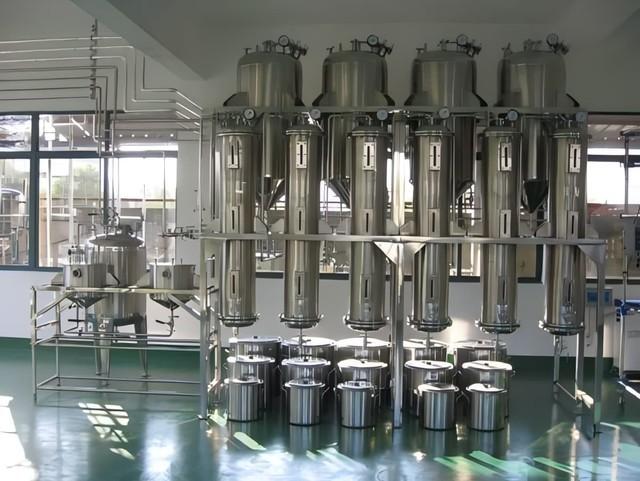
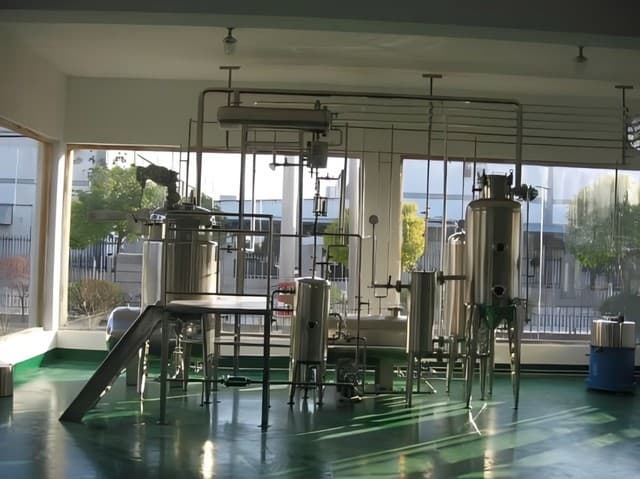
The manufacturing process follows a fermentation route: selected microbial strains convert non-GMO plant-based sugars into L-valine under controlled fermentation conditions, after which the broth is filtered, purified by ion exchange and crystallization, and dried to a white crystalline powder. Every production stage is process-controlled, and each finished lot is verified before release.
Each batch is tested by the methods of the current USP-NF or European Pharmacopoeia monograph for valine, including identification by infrared spectroscopy, assay (99.0% minimum on a dried basis), specific optical rotation confirming the L-enantiomer, related substances and impurities by HPLC, heavy metals, residual solvents and microbial limits, all reported on the batch Certificate of Analysis. Each lot is traceable from fermentation culture to finished drum.
Applications of L-Valine
Sports nutrition and muscle recovery is the primary application of L-valine. Mechanistically, the BCAAs are oxidized in skeletal muscle, where they contribute to energy production during exercise and provide substrate for muscle protein metabolism; published clinical studies suggest that BCAA supplementation supports recovery from exercise and reduces muscle soreness after intense training. Typical servings range from 1 g to 3 g of L-valine within a balanced BCAA blend.
Endurance, strength and clinical nutrition form the second cluster. L-valine is used in endurance formulas for its energy-substrate role, in strength and recovery products alongside L-leucine and L-isoleucine, and in clinical and medical nutrition where branched-chain amino acids support nitrogen balance and muscle maintenance. The FDA recognizes L-valine as GRAS for food use, and EFSA has assessed amino acids including valine for use in food supplements; finished-product claims should always follow the regulations of the destination market.
L-Valine is compatible with capsules, tablets, sachets and powder blends, and it is the standard third component of BCAA blends. The white crystalline powder has a neutral taste and good flow, and it is commonly paired with L-leucine, L-isoleucine, electrolytes and citrulline or beta-alanine in sports formulas. Formulators should keep valine in sealed containers to avoid moisture uptake during blending and storage.
Manufacturing & Quality Control
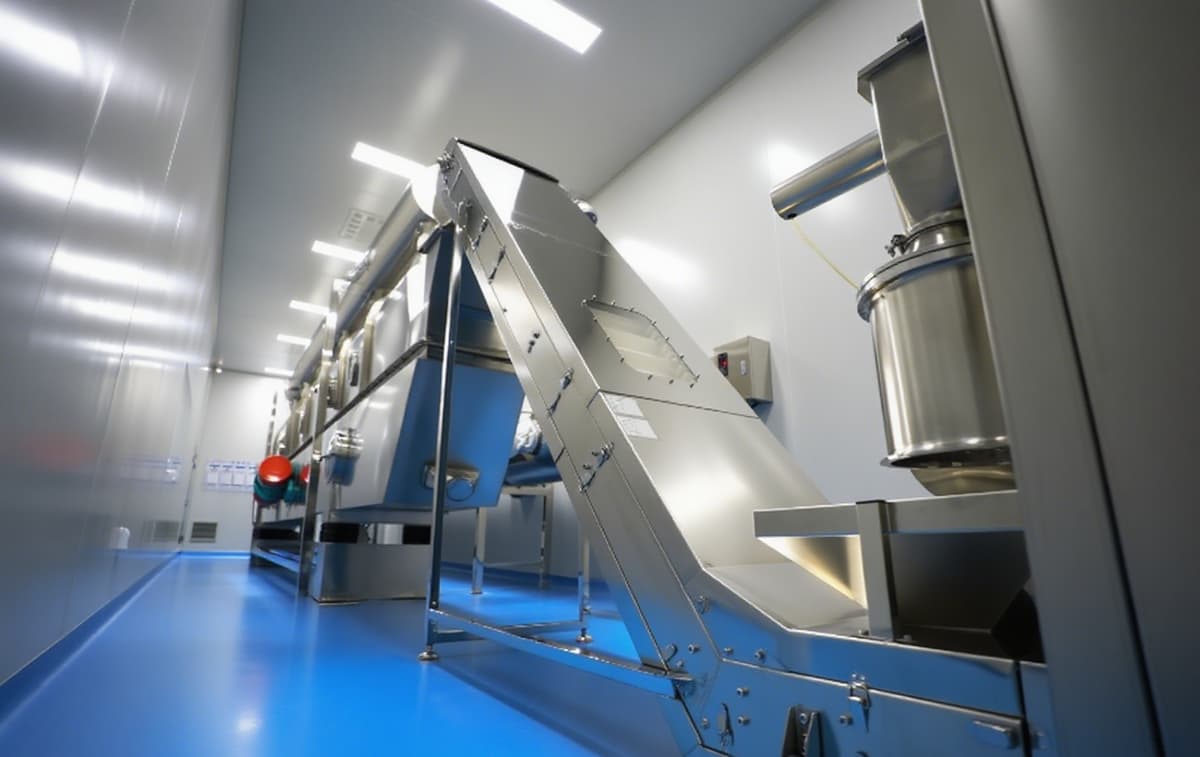
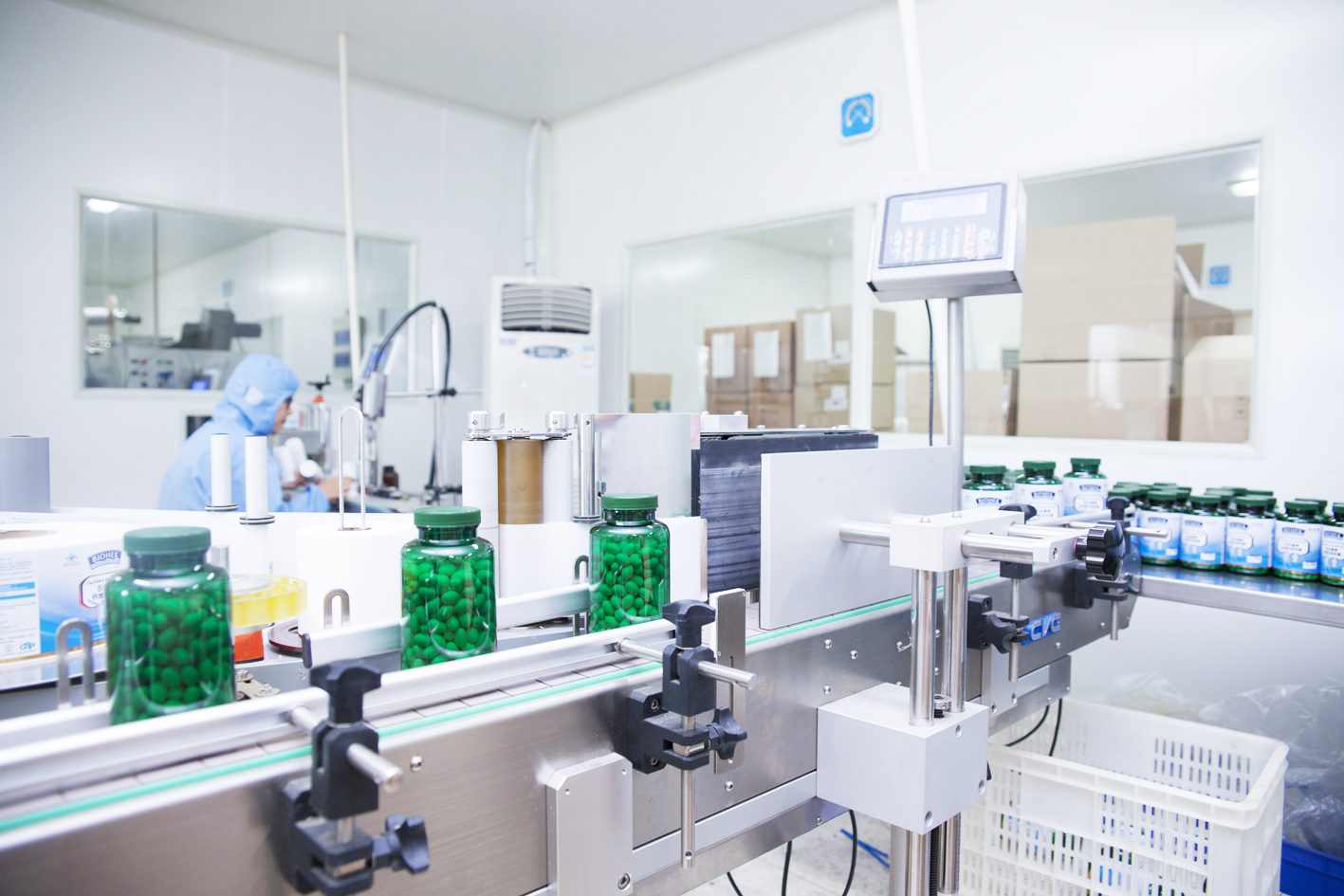
Purecium L-Valine is produced in facilities operating under ISO 9001 and FSSC 22000 certified quality systems, with Kosher and Halal certification available. Analytical methods follow the current USP-NF and European Pharmacopoeia monographs for valine, and each batch is released with a verified assay of 99.0% minimum on a dried basis.
Each commercial lot is fully traceable from fermentation culture to finished drum. Alongside the CoA, Purecium provides the specification sheet, SDS, allergen and gluten statements, non-GMO declarations and stability data on request, giving buyers the documentation needed for raw-material approval and finished-product registration.
L-Valine for B2B Supplement Manufacturing
Purecium supplies L-Valine exclusively as a B2B raw material for distributors, contract manufacturers, private-label producers and finished supplement brands. The minimum order quantity is 25 kg; the powder is packed in 25 kg drums with food-grade aluminum-foil inner bags, and samples and full documentation are available before commitment.
For North American customers, inventory is staged at Purecium's US warehouse, enabling pickup or delivery within approximately two days. Global delivery covers Hong Kong, mainland China, the EU and other regions, with export documentation prepared for every shipment. Purecium also supports custom mesh sizing and provides technical and regulatory communication to move L-valine from ingredient selection to commercial formulation.
Reviewed by the Chief Quality Assurance / Regulatory Affairs Specialist at Purecium for technical accuracy and regulatory alignment.
How does L-valine compare with L-leucine, L-isoleucine, and BCAA blends in bulk B2B formulation?
L-valine (CAS 72-18-4) is a branched-chain amino acid used in parenteral nutrition, sports supplements, and pharmaceutical formulations. In bulk B2B contexts, it is often compared with L-leucine (CAS 61-90-5), L-isoleucine (CAS 73-32-5), and BCAA blends (typically 2:1:1 leucine:isoleucine:valine). Specification-wise, all three amino acids are white crystalline powders with similar assay (98.5–101.5% on dried basis), heavy metals limits, and loss on drying. L-valine is distinguished by its lower aqueous solubility (about 85 g/L at 25°C) compared to L-leucine (about 22 g/L) and L-isoleucine (about 41 g/L), which affects dissolution and wet granulation. L-leucine is the most hydrophobic, often requiring higher shear or co-solvents. L-isoleucine has intermediate solubility. BCAA blends are physical mixtures; their solubility depends on the ratio and excipients, and they may segregate during handling. Dosing varies by application. In clinical nutrition, L-valine is dosed at 0.5–2 g per day, while L-leucine is often higher (2–5 g) for muscle protein synthesis. L-isoleucine is typically 0.5–2 g. BCAA blends are dosed at 5–10 g per serving, with leucine as the dominant component. For bulk formulation, L-valine's lower dose means smaller tablet or capsule sizes, but its solubility may require granulation or suspension agents. L-leucine's higher dose and low solubility can cause blending challenges. L-isoleucine's intermediate properties make it easier to process. BCAA blends offer convenience but require uniformity testing to ensure label claims. Stability: all three amino acids are stable under normal conditions (2–8°C or ambient, protected from moisture). L-valine and L-leucine may undergo Maillard reaction with reducing sugars under heat. L-isoleucine is similarly stable. BCAA blends may show reduced flowability over time due to particle size differences. Regulatory status: L-valine, L-leucine, and L-isoleucine are GRAS for specific uses, USP/EP compliant, and listed in food and pharmaceutical monographs. BCAA blends are not monographed as a single entity; each component must comply. Supply forms: L-valine is offered as powder, granular, or micronized; L-leucine similar; L-isoleucine often powder; BCAA blends as powder or instantized. Documentation includes CoA, MSDS, and regulatory statements. For B2B, L-valine offers a cost-effective option for valine-specific formulations, while BCAA blends simplify multi-amino acid dosing but add blending steps.Comparison in table form.
The table below sets out the parameters that determine how each material is specified, dosed and documented in a finished formulation.Parameter
L Valine
L-leucine
L-isoleucine
CAS number
72-18-4
61-90-5
73-32-5
Chemical class
Branched-chain amino acid
Branched-chain amino acid
Branched-chain amino acid
Typical dose
0.5–2 g/day
2–5 g/day
0.5–2 g/day
Solubility
~85 g/L at 25°C
~22 g/L at 25°C
~41 g/L at 25°C
Stability
Stable; protect from moisture
Stable; protect from moisture
Stable; protect from moisture
Regulatory status
GRAS, USP/EP
GRAS, USP/EP
GRAS, USP/EP
Supply form
Powder, granular, micronized
Powder, granular, micronized
Powder, granular
Documentation
CoA, MSDS, regulatory statement
CoA, MSDS, regulatory statement
CoA, MSDS, regulatory statement
Supplying buyers in North America, the European Union, Latin America, Asia and the Middle East
Purecium supplies L-valine in bulk from Hong Kong, the United States and the European Union. Orders are quoted FOB, CIF or DDP as you prefer: air freight for urgent volumes, sea freight (full container or consolidated) for bulk quantities. Transit time, import requirements and duties are confirmed in each quotation.
For local registration, our technical package is filed with the authority in your market: EU-GMP partner manufacturing and Ph. Eur. / USP monograph testing for the European Union and the United Kingdom; COFEPRIS (Mexico), INVIMA (Colombia), ANMAT (Argentina), ISP (Chile) and ANVISA (Brazil) in Latin America; SFDA and Gulf documentation in the Middle East; BP, JP or ChP monographs in Asia. Every lot ships with a batch COA, TDS, SDS and GMP, ISO 9001, FSSC 22000, Kosher and Halal certificates.
Commercial support is available in English, Spanish and Chinese, and qualification samples are dispatched worldwide, with a response within 12 business hours.