

Glycine (Aminoacetic Acid)
Sleep, Cognitive and Collagen Support
Glycine
Purecium Glycine is a white, free-flowing crystalline powder for sleep support, cognitive and nervous-system health, joint and connective-tissue nutrition and sports recovery formulations. Glycine, the smallest amino acid, is identified by CAS number 56-40-6 with molecular formula C2H5NO2 and molecular weight 75.07 g/mol. Our glycine is manufactured by a controlled chemical synthesis route to USP, EP and FCC standards with a 99.0% minimum assay, and every batch is released with a Certificate of Analysis covering heavy metals, residual solvents and microbial limits. Allergen-free, gluten-free, non-GMO and vegan, it is packed in 25 kg drums with a 25 kg minimum order for B2B buyers worldwide.
Product name: Glycine (Aminoacetic Acid)
Molecular formula: C2H5NO2
Starting material: Chemical synthesis (chloroacetic acid ammonolysis)
Grade: USP / EP / FCC
Heavy Metals: Conforms to USP/EP
Pesticide residue: Conforms to USP/EP
Packing size: 25kg/drum
CAS#: 56-40-6
Molecular weight: 75.07 g/mol
Source: Synthesis (white crystalline)
Specification: 99.0% min assay (USP), white crystalline powder
Country of origin: China
Residual solvent: Conforms to USP/EP
Allergen free/Gluten-free/Non-GMO/Vegan/Non-Irradiation:

Glycine Overview
Glycine, also known as aminoacetic acid, is the simplest and smallest amino acid, and it is a conditionally essential amino acid that the body can synthesize but needs in higher amounts during stress, growth and recovery. It is identified by CAS number 56-40-6, molecular formula C2H5NO2 and molecular weight 75.07 g/mol. Glycine is a major structural component of collagen, contributes about one third of the amino acid residues in collagen, and serves as an inhibitory neurotransmitter in the central nervous system.
For the dietary supplement industry, glycine is used in sleep support, cognitive and nervous-system health, joint and connective-tissue nutrition, metabolic health and sports recovery products. Purecium supplies glycine as a white crystalline powder standardized to 99.0% minimum assay, produced by chemical synthesis and sold exclusively as a B2B raw material for distributors, contract manufacturers, private-label producers and finished supplement brands.
Source & Ingredient Identity
Purecium Glycine is manufactured by a controlled chemical synthesis route, the dominant commercial process for food-grade glycine, in which chloroacetic acid is reacted with ammonia and the resulting product is purified by crystallization to yield the white crystalline powder. The synthesis route is fully documented, and the finished product conforms to USP-NF, European Pharmacopoeia and FCC monographs as applicable, produced in China and non-irradiated.
The product is standardized to 99.0% minimum assay with tightly controlled heavy metals, residual solvents and related impurities, and it carries clear allergen-free, gluten-free, non-GMO and vegan statements. For B2B buyers, the critical purchasing checks are the assay on the Certificate of Analysis, the heavy-metals results and the residual-solvent profile, which together confirm the quality of the synthesis and purification process.
Key Characteristics of Glycine
1. Inhibitory neurotransmitter and sleep support. Glycine acts on glycine receptors in the central nervous system as an inhibitory neurotransmitter and has been shown in published clinical studies to support faster sleep onset, better sleep quality and next-morning alertness when taken before bed, with typical use of around 3 g per serving in sleep formulas.
2. Collagen and connective-tissue building block. Glycine accounts for roughly one third of the amino acid residues in collagen, the most abundant protein in the human body, which is why it is a standard component of collagen peptide blends, joint-health formulas and skin-nutrition products.
3. Conditionally essential and well regulated. Glycine is recognized as GRAS by the FDA and covered by USP-NF, European Pharmacopoeia and FCC monographs. Its sweet taste (the name derives from the Greek word for sweet), crystalline form and excellent flow make it one of the most formulator-friendly amino acids, compatible with capsules, tablets, sachets and powder blends.
Glycine Manufacturing
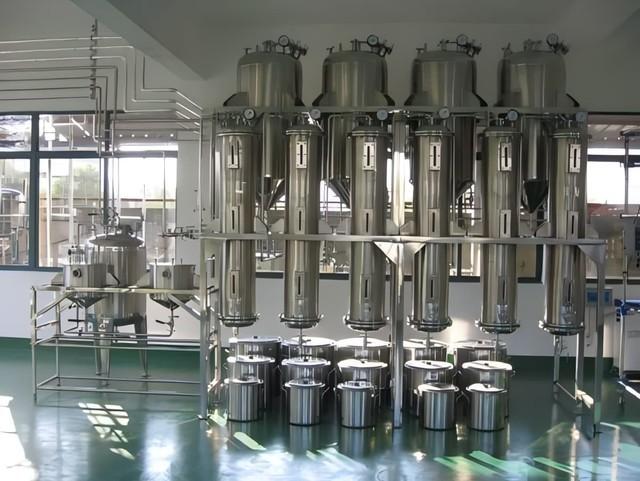
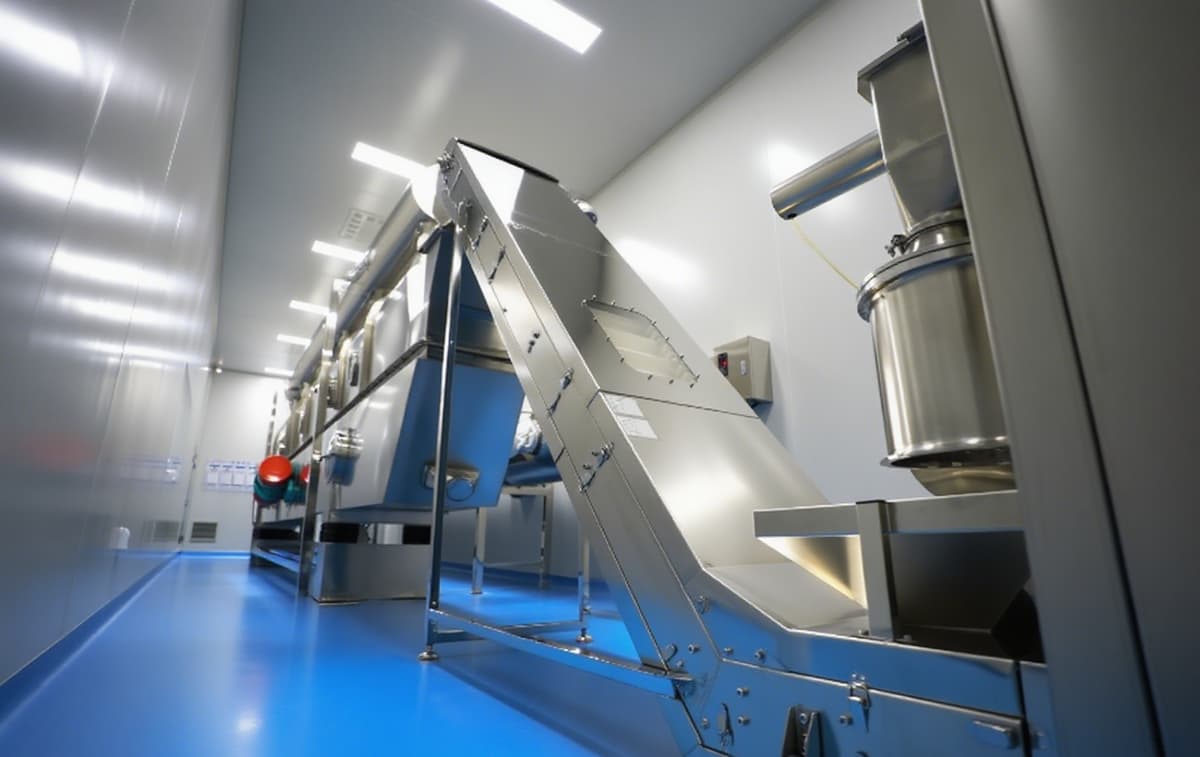
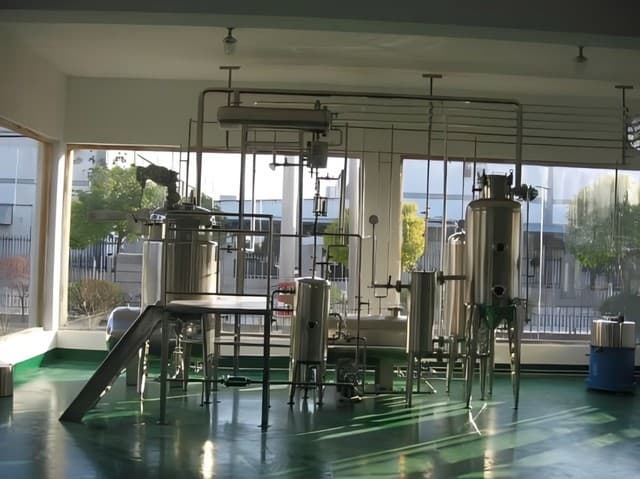
The manufacturing process follows a chemical synthesis route: chloroacetic acid is reacted with ammonia under controlled conditions to form glycine, after which the crude product is purified by crystallization, washed, dried and milled to a uniform crystalline powder. Every production stage is process-controlled, and each finished lot is verified before release, with dedicated checks on color, clarity, assay and impurities.
Each batch is tested by the methods of the current USP-NF or European Pharmacopoeia monograph for glycine, including identification, assay (99.0% minimum on a dried basis), chloride and sulfate limits, heavy metals, residual solvents and microbial limits, all reported on the batch Certificate of Analysis. Each lot is traceable from raw material intake to finished drum.
Applications of Glycine
Sleep support is the leading application of glycine. Mechanistically, glycine lowers core body temperature through its action on the central nervous system, a physiological signal that promotes sleep onset and sleep depth; published clinical studies report improved sleep quality and reduced daytime sleepiness with nightly use, and the ingredient is documented in the health information resources of the NIH Office of Dietary Supplements. Typical servings range from 1 g to 3 g before bed.
Cognitive, joint and sports applications form the second cluster. As a neurotransmitter precursor and collagen building block, glycine is used in cognitive-support and nervous-system health formulas, collagen and joint-health blends, and post-workout recovery products, where it supports connective-tissue synthesis and muscle recovery. The FDA recognizes glycine as GRAS for food use, and EFSA has assessed amino acids including glycine for use in food supplements; finished-product claims should always follow the regulations of the destination market.
Glycine is compatible with capsules, tablets, effervescent formulations, sachets and powder blends. The white crystalline powder has a slightly sweet taste and excellent flow, and it is commonly paired with magnesium, L-theanine, L-tryptophan and botanical sleep ingredients. Formulators should keep glycine in sealed containers to avoid moisture uptake during blending and storage.
Manufacturing & Quality Control
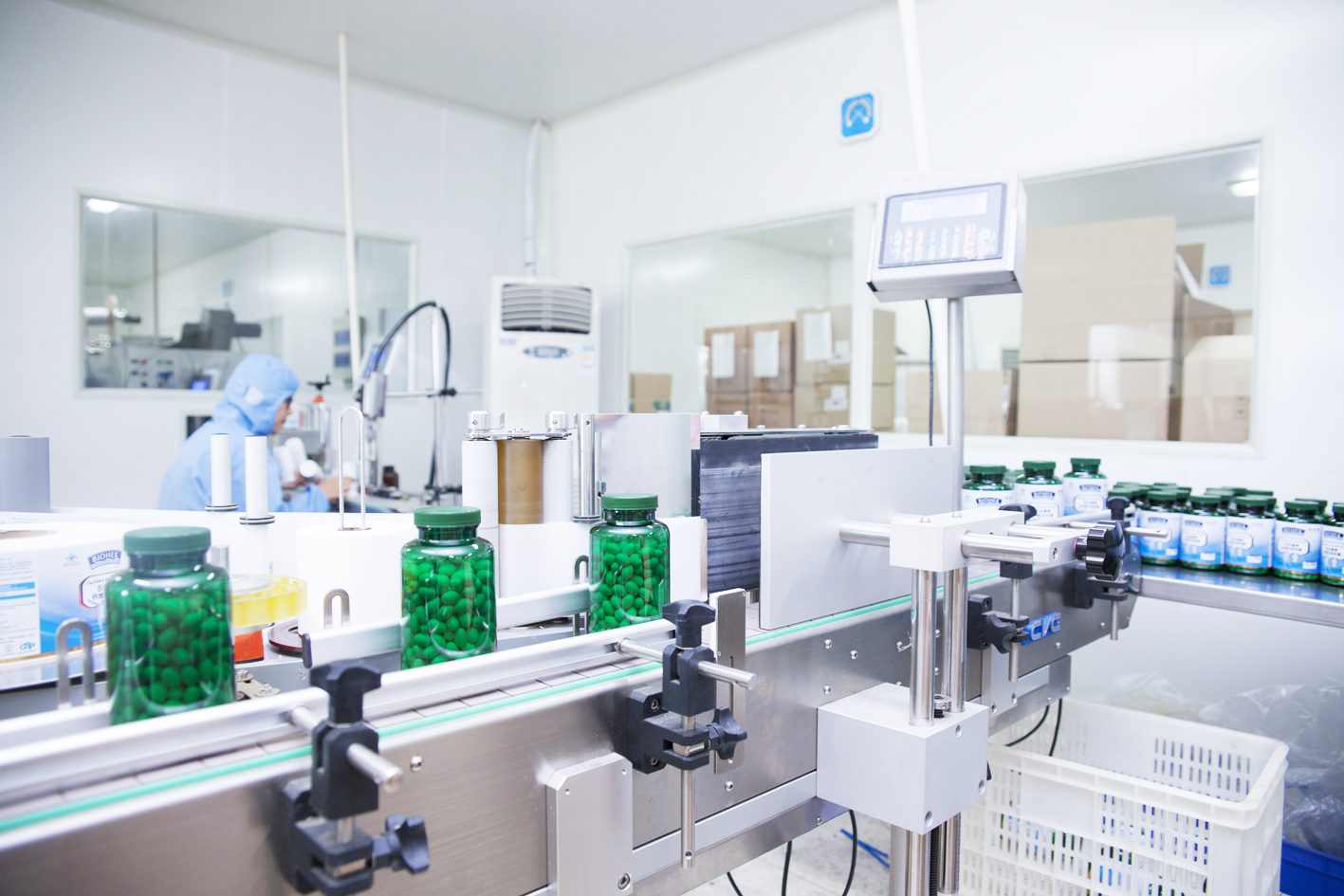
Purecium Glycine is produced in facilities operating under ISO 9001 and FSSC 22000 certified quality systems, with Kosher and Halal certification available. Analytical methods follow the current USP-NF and European Pharmacopoeia monographs for glycine, and each batch is released with a verified assay of 99.0% minimum on a dried basis.
Each commercial lot is fully traceable from raw material intake to finished drum. Alongside the CoA, Purecium provides the specification sheet, SDS, allergen and gluten statements, non-GMO declarations and stability data on request, giving buyers the documentation needed for raw-material approval and finished-product registration.
Glycine for B2B Supplement Manufacturing
Purecium supplies Glycine exclusively as a B2B raw material for distributors, contract manufacturers, private-label producers and finished supplement brands. The minimum order quantity is 25 kg; the powder is packed in 25 kg drums with food-grade aluminum-foil inner bags, and samples and full documentation are available before commitment.
For North American customers, inventory is staged at Purecium's US warehouse, enabling pickup or delivery within approximately two days. Global delivery covers Hong Kong, mainland China, the EU and other regions, with export documentation prepared for every shipment. Purecium also supports custom particle sizing and provides technical and regulatory communication to move glycine from ingredient selection to commercial formulation.
Reviewed by the Chief Quality Assurance / Regulatory Affairs Specialist at Purecium for technical accuracy and regulatory alignment.
How does bulk glycine compare with magnesium bisglycinate, L-theanine and L-tryptophan in formulation, dosing, handling and regulatory terms?
Glycine (CAS 56-40-6) is the simplest amino acid, supplied as a white crystalline powder and used in oral solid dosage and powder blends. Typical adult intake in supplements is 1–3 g/day for sleep support. It is freely soluble in water (about 250 g/L at 25 °C), very stable as a crystalline solid, and only mildly hygroscopic, so standard moisture-barrier packaging is sufficient. Its mildly sweet taste and excellent flow make it easy to blend and compress. In the EU it is a food supplement ingredient and in the US it is recognized as GRAS for food use, with USP-NF, European Pharmacopoeia and FCC monographs covering identity, assay and impurity limits.
Magnesium bisglycinate (CAS 14783-68-7) is a fully reacted 2:1 chelate carrying about 14% elemental magnesium. Supplemental servings supply 100–400 mg elemental magnesium per day. It is freely soluble and mild-tasting, stable when protected from moisture, and in the EU magnesium carries authorized health claims for normal muscle and nervous-system function. Bulk purchasing turns on chelation verification rather than on the amino acid alone.
L-theanine (CAS 3081-61-6) is a glutamic acid analog used at 100–400 mg/day. It is freely soluble in water, very stable in dry form, and compatible with most excipients, and it is widely accepted as a food supplement ingredient in the EU and the US. Its mild umami note is the main organoleptic consideration in powder blends.
L-tryptophan (CAS 73-22-3) is an essential amino acid used at 250–1000 mg/day. It is freely soluble but light-sensitive and more demanding on related-substance control, so it is normally supplied in light-protected packaging with enantiomeric purity data. Overall, glycine offers the broadest dosing range and the simplest handling of the four, with pharmacopeial monographs in place on both sides of the Atlantic.Comparison in table form.
The table below sets out the parameters that determine how each material is specified, dosed and documented in a finished formulation.Parameter
Glycine
Magnesium Bisglycinate
L-Theanine
L-Tryptophan
CAS number
56-40-6
14783-68-7
3081-61-6
73-22-3
Chemical class
Amino acid
Mineral-amino acid chelate
Amino acid analog
Essential amino acid
Typical dose
1-3 g/day
100-400 mg elemental Mg/day
100-400 mg/day
250-1000 mg/day
Solubility
Freely soluble in water
Freely soluble
Freely soluble in water
Freely soluble in water
Stability
Very stable; mildly hygroscopic
Stable; protect from moisture
Very stable in dry form
Stable; protect from light
Regulatory status
Food supplement in EU/US
Authorized Mg claims in EU
Food supplement in EU/US
Food supplement in EU/US
Supply form
Powder, crystalline
Powder, chelate
Powder, crystalline
Powder, crystalline
Documentation
CoA, MSDS, spec sheet
CoA, MSDS, spec sheet
CoA, MSDS, spec sheet
CoA, MSDS, spec sheet